One of the pleasures of growing self-seeding annual flowers is discovering that some of them will do part of next year's work for you. When allowed to mature and drop viable seeds, self-seeding annuals can return as a fresh generation of plants without the expense or effort of replacing every flower each spring. The trick is knowing which flowers reseed reliably, which seedlings tolerate cold, and when to leave the seedheads alone.
The beauty of self-sowing flowers is that you can leave mature seedheads in place and let the plants do the sowing for you. Seeds fall where they grow, spend the winter in the soil when conditions allow, and germinate when the season is right. You can also direct sow or winter sow certain varieties if you want to establish a new patch. Below, I explain which flowers are likely to return on their own, when to leave seedheads standing, how to recognize volunteer seedlings and when sowing seeds yourself makes sense.
Watch my video on self-sowing annual flowers, then use the detailed growing guide below to plan your own planting.
What Are Self-Seeding Annual Flowers?
Self-seeding annuals complete their life cycle in one growing season, flower, produce viable seed and drop some of that seed onto the surrounding soil. When moisture, light and temperature become favorable, a new generation germinates. The original plant has not survived winter; its offspring have. This is why a patch of annual flowers can appear to return year after year without buying another packet. Some plants commonly treated as self-seeding annuals are technically short-lived perennials or tender perennials in warmer climates. Their behavior depends on your climate, the cultivar and the conditions in the bed.
There is one tradeoff: if you deadhead every flower to keep a border looking tidy, you may eliminate the seed crop. I prefer to leave selected seedheads in place toward the end of the season, particularly on plants that have performed well.
The Best Self-Seeding Annual Flowers to Grow
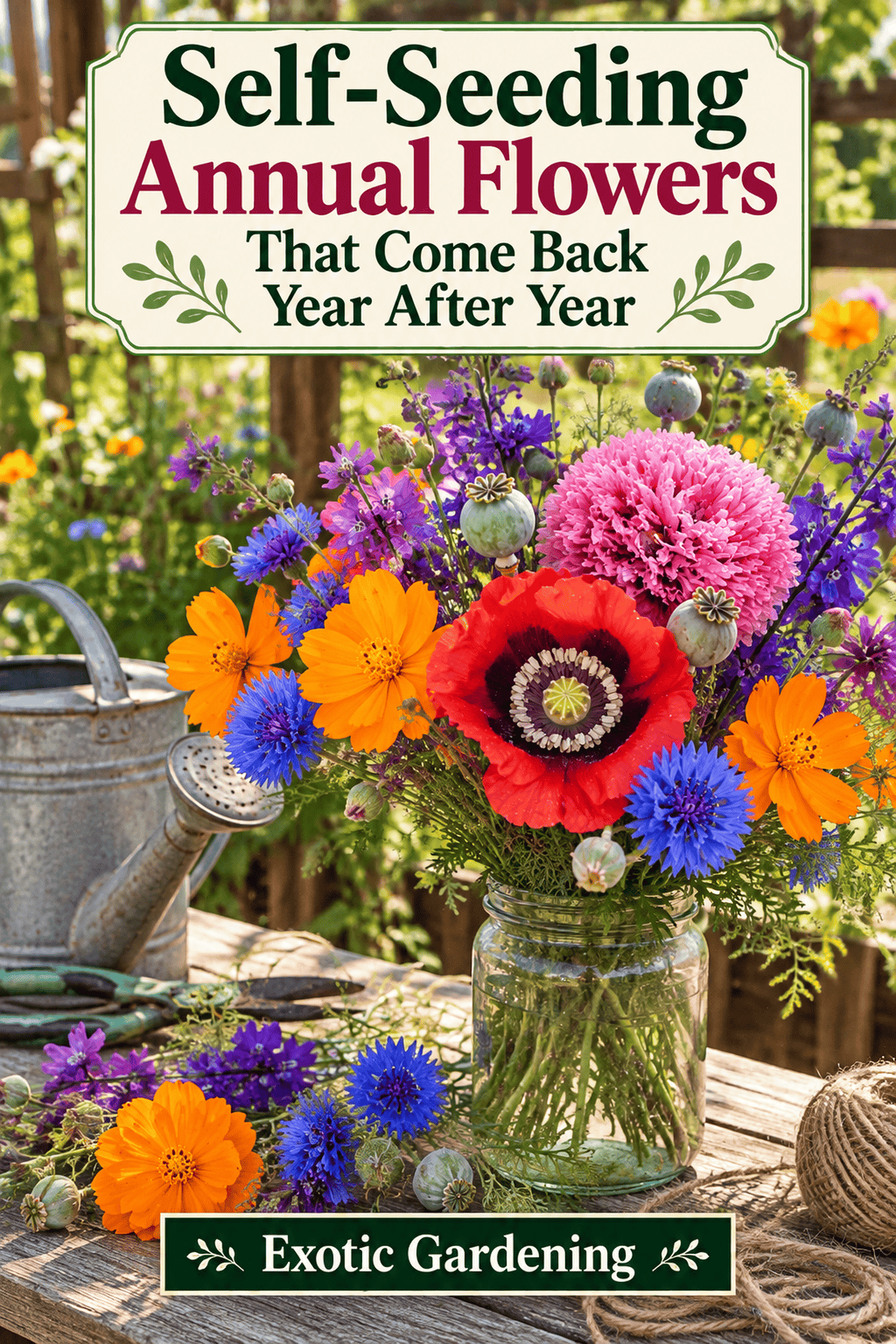
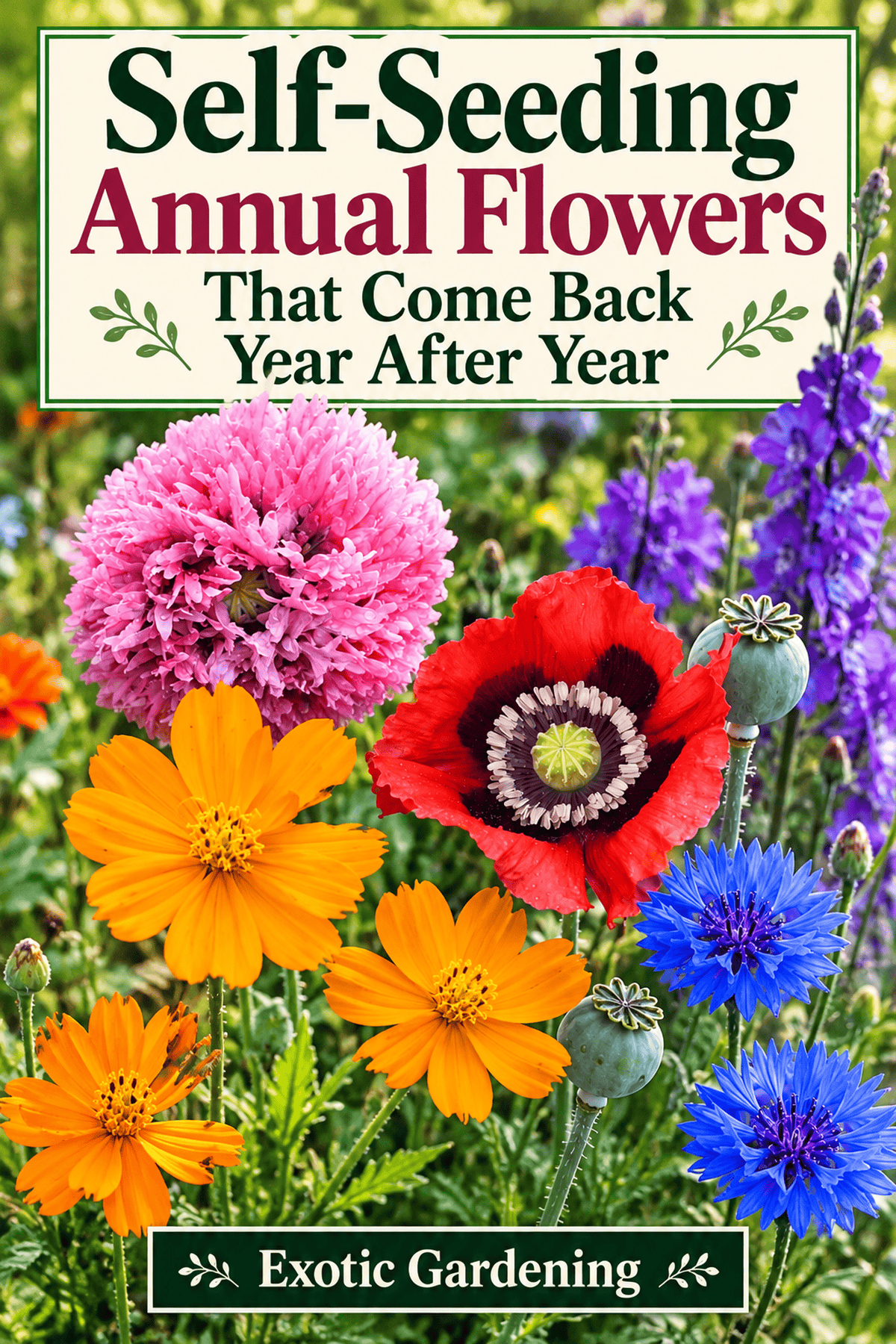
- Cosmos (Cosmos bipinnatus): A tall or compact, airy flower for full sun and well-drained soil. Cosmos can self-sow readily; it is also an excellent cut flower. Start in spring, and use later winter sowing rather than assuming tender seedlings will survive repeated hard freezes.
- Calendula (Calendula officinalis): A cool-season favorite with golden, orange or cream flowers. It often reseeds where the ground is not heavily mulched, and it is well suited to cool-weather sowing.
- Love-in-a-mist (Nigella damascena): Blue, white or pink flowers surrounded by finely divided foliage, followed by attractive inflated seed capsules. It self-sows in loose, undisturbed soil and is a particularly good choice for autumn sowing or early winter sowing.
- Annual larkspur (Consolida ajacis): Tall spikes of blue, purple, pink or white flowers that often germinate best under cool conditions. Autumn sowing and early winter sowing are useful options. All parts are poisonous if ingested, so consider children, pets and livestock before planting.
- Bachelor's buttons (Centaurea cyanus): Classic blue, pink, purple or white flowers that can reseed freely in a sunny cottage garden. Hardy seedlings tolerate cool weather, making this a good candidate for early winter sowing.
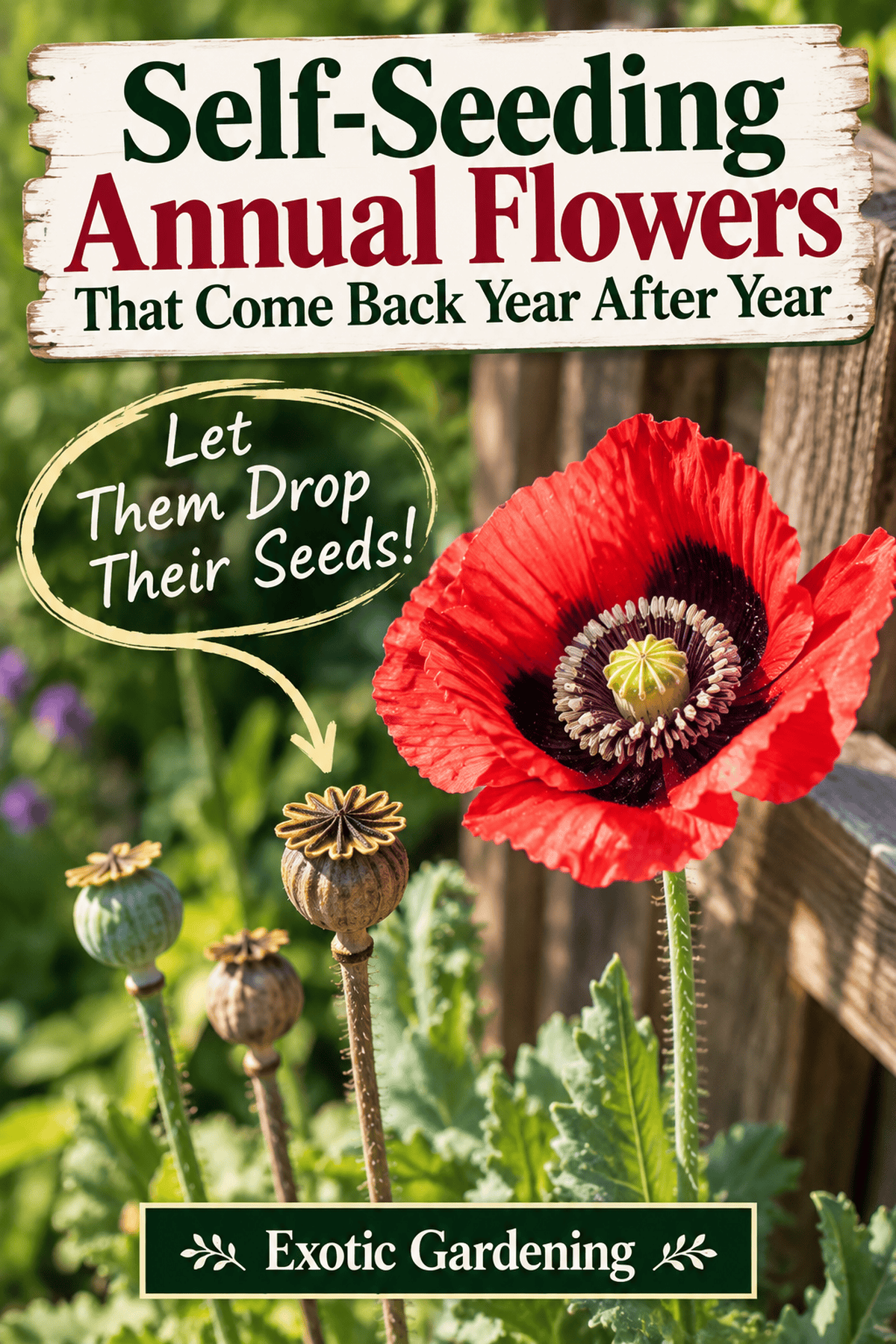
- Annual poppies (Papaver rhoeas and other annual species): Fine seeds are commonly surface-sown in autumn or early spring. They prefer minimal root disturbance, so direct sowing is often easier than transplanting crowded seedlings.
- California poppies (Eschscholzia californica): Silvery foliage and vivid flowers for sunny, well-drained sites. They can self-sow and behave as annuals in cold climates, but avoid allowing them to escape into sensitive habitats outside their native range.
- Cleome or spider flower (Cleome hassleriana): Tall, airy flowers attractive to pollinators. Fertile varieties may reseed vigorously, while some modern selections produce little or no seed. Start later in the winter-sowing season because young plants are frost-sensitive.
- Plains coreopsis (Coreopsis tinctoria): A cheerful, open-pollinated annual for sunny, relatively lean soil. It produces plentiful seed and suits informal wildflower-style plantings.
- Verbena bonariensis: Tall stems topped with clusters of small purple flowers. Often grown as a self-seeding annual where winter cold kills established plants, though it is perennial in warmer areas. It can spread aggressively in favorable climates, so check regional guidance.
- Sweet alyssum (Lobularia maritima): Low-growing, fragrant flowers for edges and containers. Fertile varieties may reseed, though hybrid and sterile selections may not. It enjoys cooler weather and can be started in outdoor containers.
- Sunflowers (Helianthus annuus): Fertile, seed-producing varieties may volunteer where birds drop seed. Many pollenless florist varieties do not reliably set seed, and hybrids may not reproduce true to type. Sow warm-season varieties later to avoid exposing young plants to damaging freezes.
Not every flower on this list is equally well behaved. If you garden near natural areas, confirm that the species is not considered invasive locally, and remove unwanted seedheads before they disperse.
Why Self-Seeding Annuals Are Ideal for Winter Sowing
Winter sowing in containers imitates part of the natural process. Seeds spend time outdoors in a moist growing medium, exposed to seasonal temperatures, and germinate when conditions suit the species. A translucent milk jug or other ventilated container helps protect seeds from being washed away, eaten or buried too deeply. It also keeps seedlings together until you can transplant them. This does not mean every self-seeding annual requires cold stratification. Some germinate readily in warm soil; others respond especially well to cool weather or a period of moist chilling. The advantage is working with each plant's seasonal cues rather than treating every flower as a warm-weather annual.
For my Indiana Zone 6a garden, I would begin with the hardy, cool-season group and save the tender flowers for later. A seed packet that says “direct sow in fall,” “hardy annual,” “self-sows” or “requires stratification” is a useful clue when deciding whether to let seeds overwinter in place or sow them in containers.
Because winter sowing schedules depend on local conditions, it also helps to understand what your hardiness zone can and cannot tell you.
When to Winter Sow Annual Flowers in Zone 6a
December through February: Concentrate on hardy annuals and seeds that benefit from cool, moist conditions, including annual larkspur, bachelor's buttons, love-in-a-mist, some annual poppies and other cold-tolerant flowers.
February through March: Try calendula, sweet alyssum and other cool-season flowers, watching the weather and ventilating containers when sunny days become warm.
March through April: Move toward tender annuals such as cosmos, cleome, marigolds and sunflowers, depending on the forecast. These seeds do not need a prolonged winter chill, and seedlings may be injured if they germinate before hard freezes end.
These are planning windows, not promises. In a mild winter, a sealed jug can warm enough to trigger early germination, then expose seedlings to another cold snap. The species' frost tolerance and the weather after emergence matter more than the calendar date alone.
How to Winter Sow Annual Flowers in Milk Jugs
- Wash the container. Choose a clean, translucent gallon milk jug or another sturdy container that lets light through. Rinse away milk residue thoroughly.
- Add drainage. Make several holes in the bottom so excess rain and melting snow can escape. Leave the cap off for ventilation and precipitation.
- Cut a hinged opening. Cut around most of the jug roughly halfway up, leaving a small uncut section as a hinge. Take care with sharp tools.
- Add growing medium. Fill the lower portion with about 3 inches of moist, well-draining potting mix. Avoid heavy garden soil that compacts.
- Sow according to seed size. Press light-requiring or very fine seeds onto the surface. Cover larger seeds to the depth recommended on the packet. Do not bury tiny poppy or nigella seeds deeply.
- Label twice. Put a weatherproof label inside the jug and write the plant name and sowing date on the outside with a weather-resistant marker.
- Close the jug. Secure the cut edge with tape while leaving the cap off.
- Set it outdoors. Place the jug where it receives natural precipitation and good light but will not blow away or sit in standing water.
- Check periodically. Water if the mix becomes dry, drain excess moisture and watch for germination as temperatures change.
- Ventilate after emergence. Open or remove the top on warm days so seedlings do not cook in the miniature greenhouse. Protect frost-sensitive seedlings if freezing weather returns.
- Transplant at the right stage. Move sturdy seedlings once they have true leaves and appropriate outdoor conditions, taking care not to damage roots. Thin or divide clumps carefully; species with taproots may be better direct-sown.
A winter-sown jug is not a set-it-and-forget-it project. I still check moisture, temperature and growth, especially in late winter when sunshine can make a closed container much hotter than the surrounding air.
Direct Winter Sowing Versus Winter Sowing in Containers
Both methods have advantages. Direct sowing lets the seeds remain where the plants will grow, avoiding transplant shock. It is often the better choice for poppies, larkspur and other flowers that dislike root disturbance. Container winter sowing protects the seedbed from birds, runoff and some weed competition, while giving you a concentrated group of seedlings to move into borders later. A third option is to let plants scatter their own seed naturally. I use the approach that fits the flower: direct sow taprooted species, use jugs when seed is scarce or I want to control placement, and leave selected seedheads standing where volunteers are welcome.
For more on seed-starting equipment and indoor growing conditions, see my indoor seed-starting setup guide.
Starting Self-Seeding Annuals Indoors
Indoor seed starting is useful when you want earlier blooms, exact spacing or more control over a valuable seed lot. Use clean cell trays, an appropriate seed-starting mix and bright grow lights close enough to prevent leggy seedlings. Follow the packet's sowing depth and germination temperature. Harden off seedlings gradually before transplanting. Tender annuals such as cosmos can be started indoors a few weeks before the last expected frost, but starting too early produces oversized plants that are difficult to transplant. Flowers with taproots or delicate root systems are usually easier to sow directly or start in deep cells and move while young.
Growing Conditions, Watering and Feeding
Most of the flowers listed here bloom best with generous sunshine, but their soil preferences differ. Cosmos and plains coreopsis often perform well in average or relatively lean soil; rich fertilizer can encourage foliage at the expense of flowers. Calendula and larkspur appreciate more consistent moisture and cooler growing conditions. California poppies prefer sharply drained soil and can struggle in heavy, wet ground. Water young seedlings gently but regularly until established, then adjust for the species and rainfall. Mulch around established plants to limit weeds, but avoid burying the soil surface where you want seeds to germinate naturally. In a self-seeding bed, a little bare soil is often more useful than a thick, unbroken blanket of mulch.
How to Encourage Flowers to Self-Seed Naturally
- Start with fertile, seed-producing varieties rather than sterile hybrids.
- Choose a spot where the plants can remain long enough to form mature seed.
- Deadhead early flowers for a longer display, then leave some late-season blooms to develop seedheads.
- Allow mature seed to drop naturally, or gently shake dry seedheads over the area where you want next year's plants.
- Leave some exposed soil or thin mulch so small seeds can contact the ground.
- Avoid deep autumn cultivation of the area, which can bury or destroy the seed bank.
- Learn to recognize the seedlings in spring before weeding the bed.
- Thin volunteers early so remaining plants have enough space, light and airflow.
One season of successful reseeding does not guarantee the same results every year. A wet winter, heavy mulch, seed-eating birds or a late freeze can change the number of volunteers dramatically. I save some seed as insurance even when a plant normally reseeds well.
How to Harvest and Save Annual Flower Seeds
- Choose healthy parent plants. Save from flowers with the growth habit, color and performance you want to encourage.
- Allow seeds to mature. Wait for seedheads, pods or capsules to dry and change color. Harvest before they shatter and scatter their contents.
- Collect on a dry day. Use paper bags, envelopes or shallow trays rather than trapping damp material in plastic.
- Dry thoroughly. Spread seedheads in a shaded, airy location until they are crisp and no longer hold excess moisture.
- Clean the seed. Separate seeds from petals, stems and chaff as well as practical.
- Label clearly. Include botanical name, cultivar or strain, harvest year and whether the seed was open-pollinated.
- Store dry and cool. Once fully dry, place seeds in labeled envelopes inside a suitable airtight container in a cool, stable location. A food-safe desiccant packet can help control humidity.
- Check viability. Germinate a small sample on a moist paper towel or in seed-starting mix before depending on an old batch.
Harvest methods vary. Cosmos and bachelor's buttons produce relatively easy-to-handle dry seeds; nigella develops decorative capsules; poppies shed tiny seed from mature pods; calendula produces curved, irregularly shaped seeds; and sunflowers form seed within the flower head. Keep seed from different species and varieties separate if you want to know what you are planting next year.
Will Saved Seeds Grow True to Type?
Not necessarily. Open-pollinated varieties that have been maintained carefully often produce recognizable offspring, but cross-pollination can introduce variation, especially when related varieties bloom nearby. F1 hybrid flowers may produce viable seed whose offspring differ significantly from the original plant. Sterile or pollenless cultivars may set few or no seeds at all. If a particular flower color or double-flowered form matters, buy a reliable seed strain or isolate compatible varieties when practical. If you enjoy surprises, self-sown seedlings can be part of the fun. Label saved seed honestly rather than promising that an open-pollinated hybrid will be identical to its parent.
Which Flowers Should You Deadhead and Which Should You Leave?
Deadheading encourages continued bloom on many annuals, including cosmos and calendula, because the plant has not yet completed its reproductive cycle. To get both flowers and seed, divide the season into two phases. Remove faded blooms during peak flowering, then select healthy stems later in summer to ripen seed. On plants with ornamental pods, such as nigella, leave the seedheads standing for their beauty and harvest only some. On plants that reseed too aggressively, reverse the strategy: remove most seedheads before they mature and save only the amount you can manage. This is especially important near vegetable beds and walkways, where hundreds of volunteer seedlings may be inconvenient.
Self-Seeding Flowers for Pollinators and Cut Flowers
A mixed bed of cosmos, calendula, bachelor's buttons, plains coreopsis and selected annual poppies can provide a long season of flowers for insects and gardeners alike. Add tall cleome where its seed production and mature height are welcome. For bouquets, harvest cosmos and bachelor's buttons regularly, and allow separate stems to mature for seed. Not every double or highly modified ornamental flower offers the same resources to pollinators as a simple flower, so include some open-centered blooms. Keep pesticide use to a minimum and avoid spraying plants while pollinators are actively visiting.
Managing Volunteer Seedlings Without Losing Control
Self-seeding is only an advantage when seedlings appear where they are wanted. Walk the beds in spring, identify volunteers and thin or transplant suitable seedlings while they are small. Remove plants that crowd vegetables or desirable perennials. Where a species has invasive potential, collect the seed before it spreads beyond the planting area. Do not move garden plants or seed into natural habitats. Some popular self-sowers, including tall verbena and certain morning glories, can become troublesome depending on region. Check local invasive plant guidance before encouraging widespread reseeding.
Common Winter-Sowing and Self-Seeding Problems
No germination: Seed may be old, planted too deeply, washed away, eaten or waiting for warmer temperatures.
Mold in jugs: Improve ventilation, drainage and watering practices.
Seedlings wilt on sunny days: Open the container; temperatures inside can rise rapidly.
Seedlings freeze after sprouting: Tender species were likely sown too early or germinated during an unusually warm spell.
Lots of leaves but few flowers: Excess fertilizer, insufficient sun or overcrowding may be responsible.
No volunteers next spring: Deadheading, thick mulch, poor seed maturity or unfavorable weather may have prevented reseeding.
Unexpected flower colors: Cross-pollination or hybrid genetics can change the next generation.
My Recommended Starter Collection for a Self-Seeding Flower Garden
If I were starting a self-seeding annual bed from scratch in Indiana, I would begin with bachelor's buttons, love-in-a-mist, calendula, annual larkspur and cosmos. The first four give me an excellent cool-season and winter-sowing group, while cosmos carries the display into warmer weather.
I would sow the hardy group outdoors in late autumn or in winter containers, then start cosmos later as spring approaches. I would leave some seedheads on each plant, harvest a small labeled reserve and let the rest fall into prepared patches of soil. The following spring, I would thin volunteers instead of automatically buying new plants. It is a practical way to build a colorful, changing flower garden without starting from zero every year.
Frequently Asked Questions
Are self-seeding annuals the same as perennials?
No. True annuals die after completing their life cycle, but their seeds may grow into new plants the following year. Some flowers sold as annuals are tender or short-lived perennials in other climates.
Can I winter sow every self-seeding flower?
Many can be winter-sown, but timing matters. Hardy annuals are good early candidates; tender annuals are generally better sown later, closer to spring.
Do all self-seeding annuals need cold stratification?
No. Some need or benefit from a cold, moist period, while others germinate readily when soil warms. Follow the requirements of the individual species.
Can I save viable seeds from hybrid annual flowers?
Sometimes. Fertile hybrids can produce viable seeds, but the offspring may differ from the parent. Sterile varieties may not produce usable seed.
Will a thick layer of mulch prevent self-seeding?
It can. Tiny seeds often need contact with exposed soil and may not emerge through heavy mulch.
Do winter-sown seedlings need hardening off?
They are already accustomed to outdoor conditions, but seedlings protected inside a closed jug still need gradual exposure to full sun, wind and changing temperatures as the cover is removed.
Let Your Annual Flowers Surprise You Next Spring
One of the things I enjoy about self-seeding annual flowers is seeing what returns the following spring. Some seedlings appear right where I expected them. Others show up in surprising places, and sometimes a flower that reseeded beautifully one year barely returns the next. Weather, soil conditions and the way a bed is maintained all make a difference. If you are starting your first self-seeding flower bed, choose a few varieties, let some seedheads mature and watch where the seedlings emerge. Save a little seed as a backup, and make notes about what grows well in your own garden. Those observations will help you build a flower garden that becomes more rewarding with each season.