
EXOTIC GARDENING FARM & WILDLIFE HABITAT
WELCOME TO THE
WALNUT GARDEN
The Walnut Garden grows beneath mature black walnut trees, where shade, roots and juglone have shaped years of planting experiments. It is a garden built around learning which ornamentals, woodland plants and unexpected volunteers are happy to share this challenging space.
Come explore the Walnut Garden with me.
GARDEN #1
The Walnut Garden
The Walnut Garden sits up the hill and to the left side of the house, bordering my neighbor on one side. It gets its name from the numerous walnut trees growing there, but over the years it has become much more than a garden beneath a group of trees.
This is a garden shaped by shade, tree roots, changing light and the realities of gardening beneath mature walnuts. It has also become a place for flowers, unusual plants, edible plants, wildlife, family, baby chicks and more than a little fun.
Like most of the gardens here, it has never been static. Plants come and go. Conditions change. Some things thrive where I hoped they would and others teach me that I need to try something different. That ongoing process is part of what makes this garden interesting.
GARDENING BENEATH THE TREES
A Garden Defined By Its Walnuts
Mature trees create their own growing environment. The Walnut Garden has shade, competition from established tree roots and conditions that are very different from the sunnier gardens elsewhere on the property.
That means this garden has always involved observation and experimentation. I pay attention to what actually succeeds rather than trying to force every plant I like into a place where it doesn't want to grow.
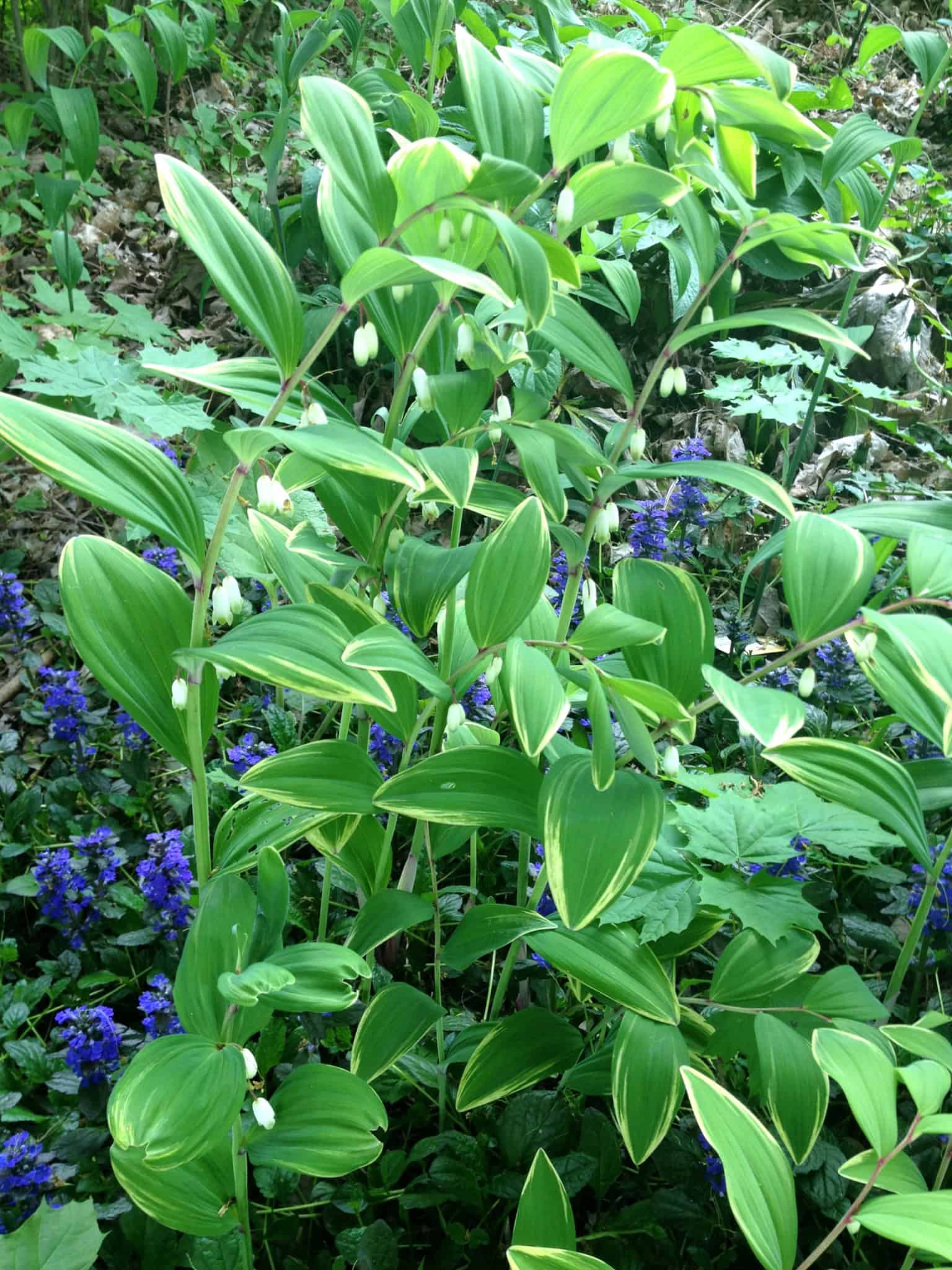
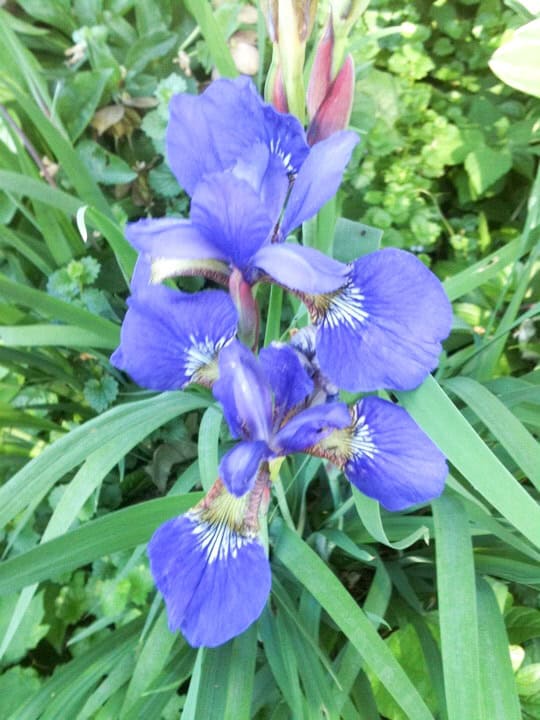
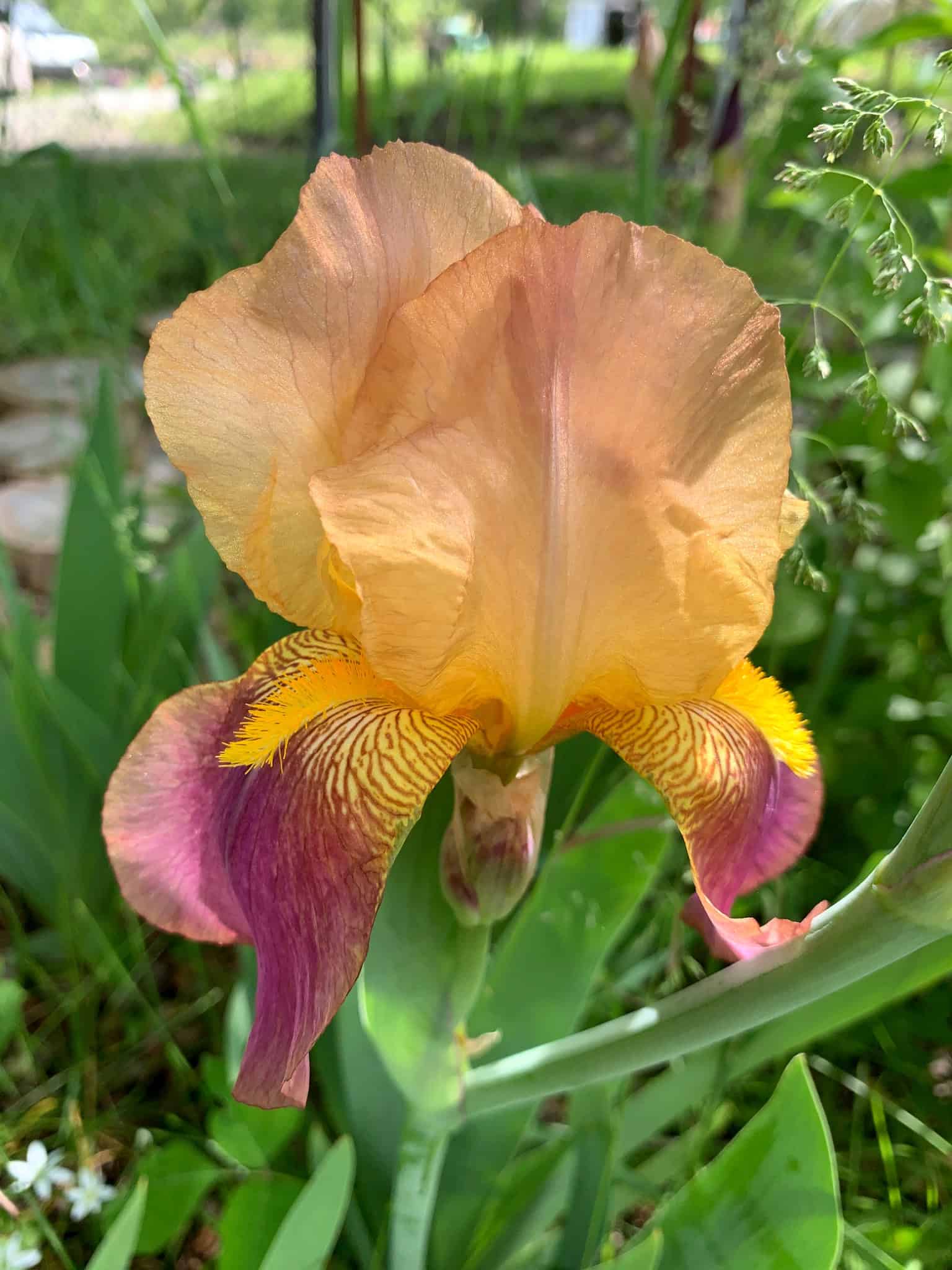
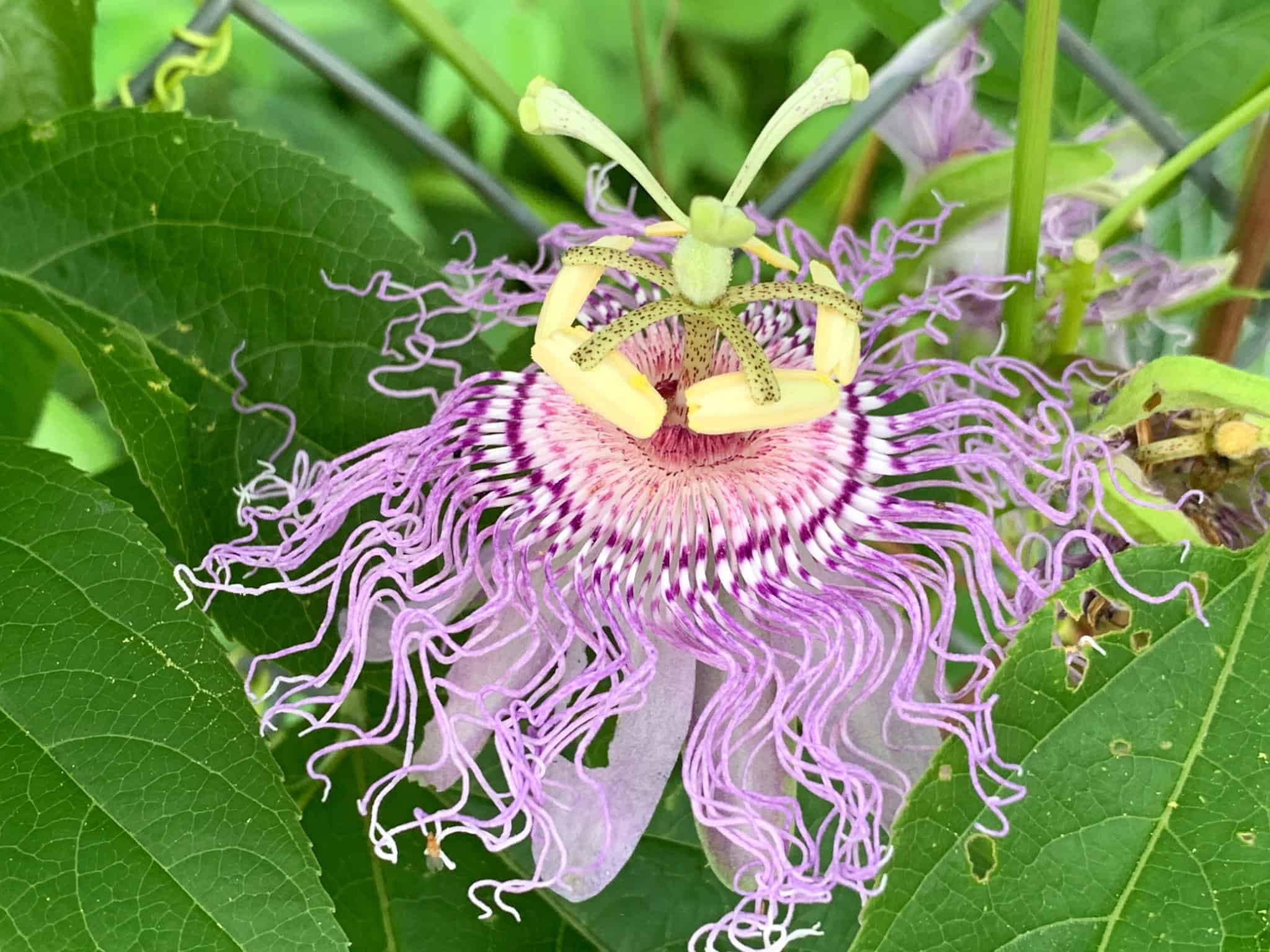
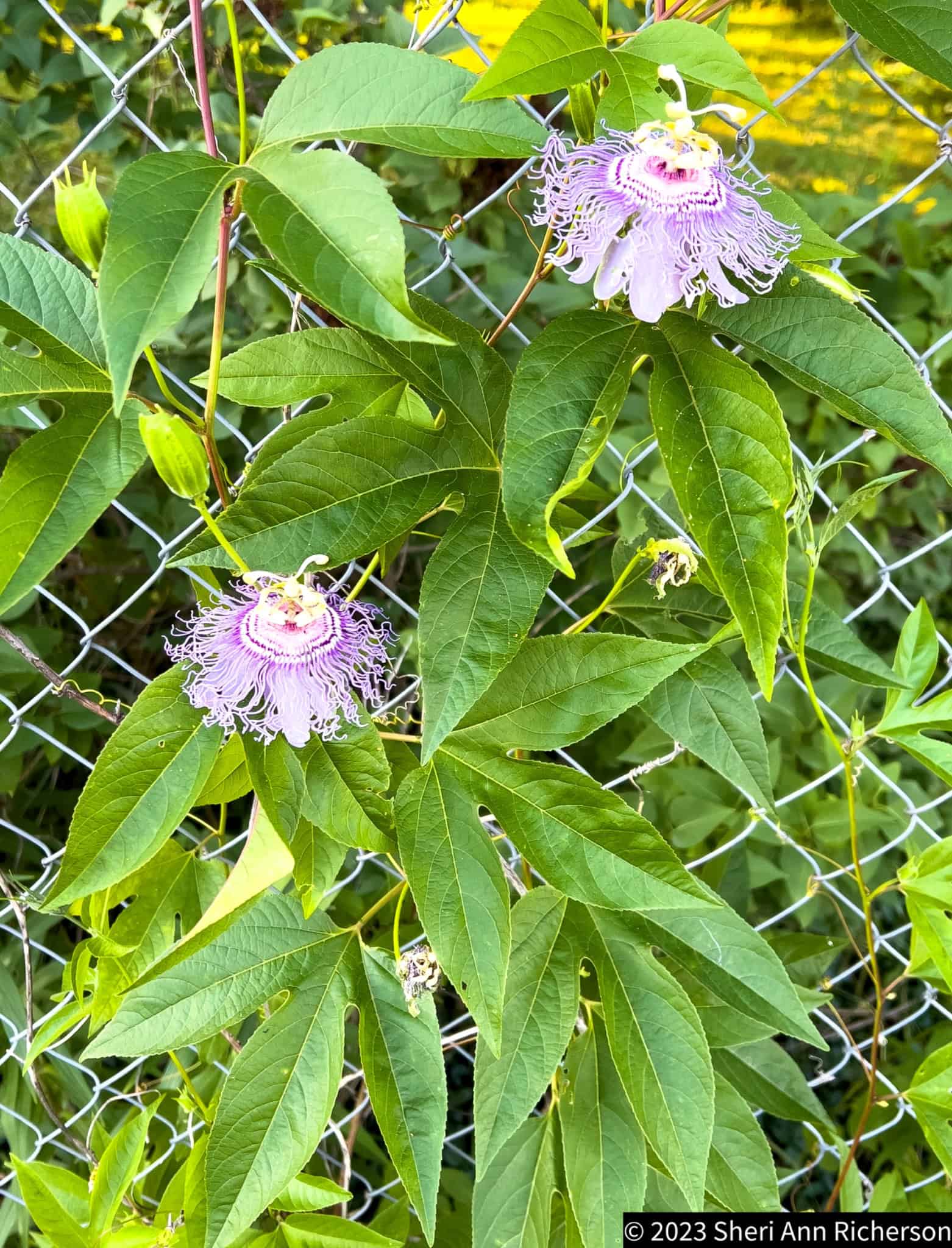
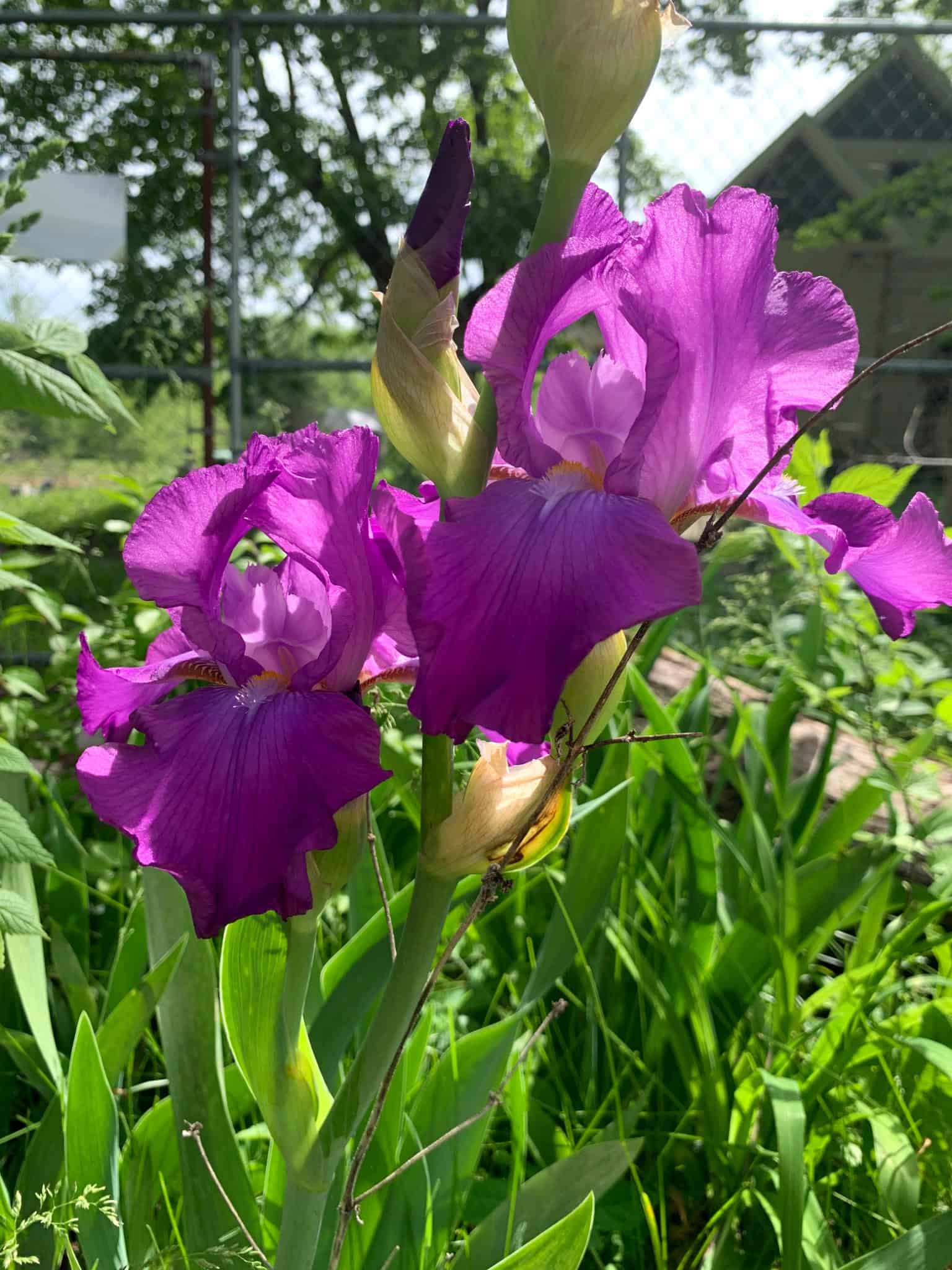
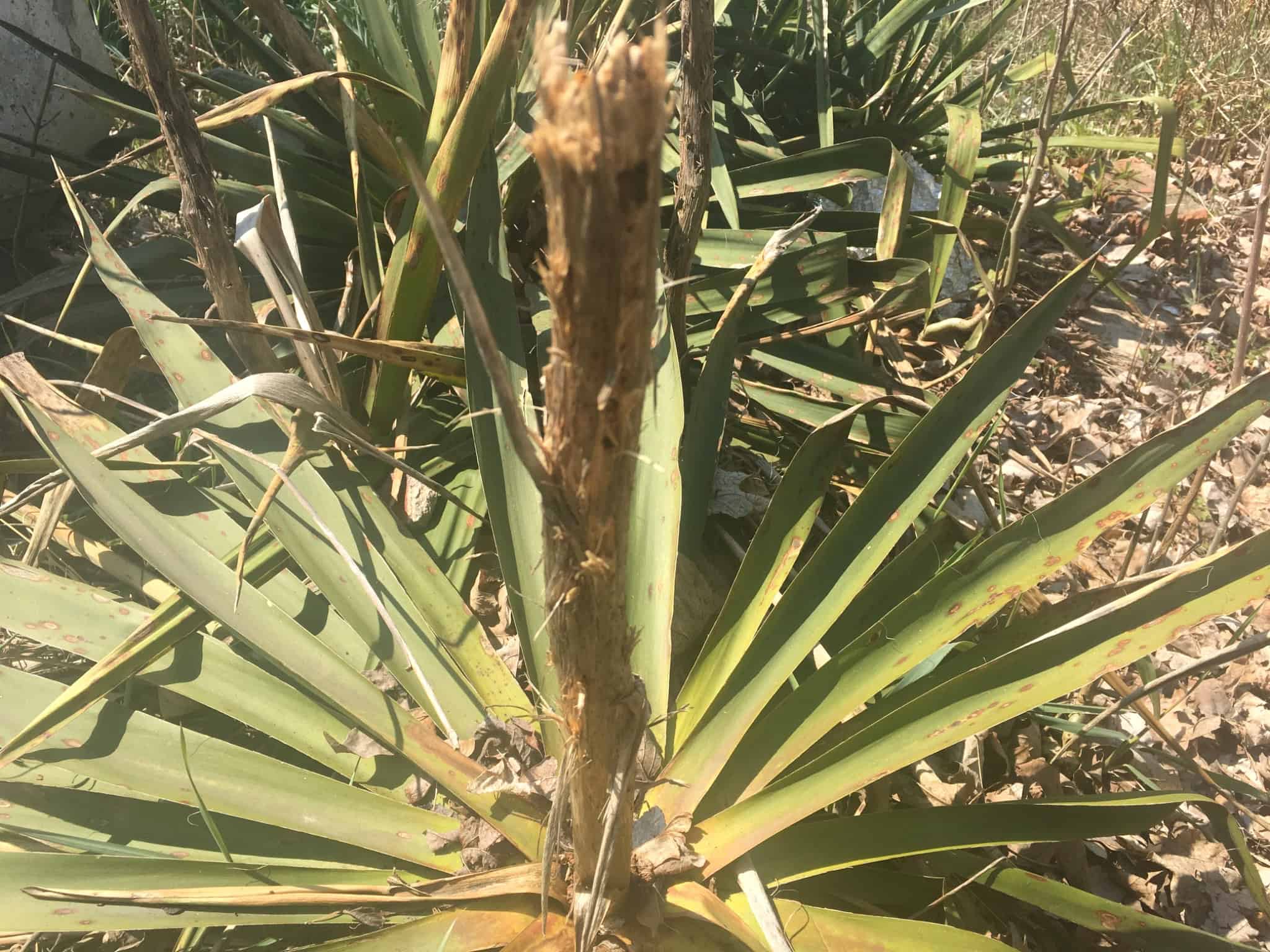
Over the years, plants such as Solomon's seal, ajuga, iris, yucca and Passiflora have all become part of the story here.
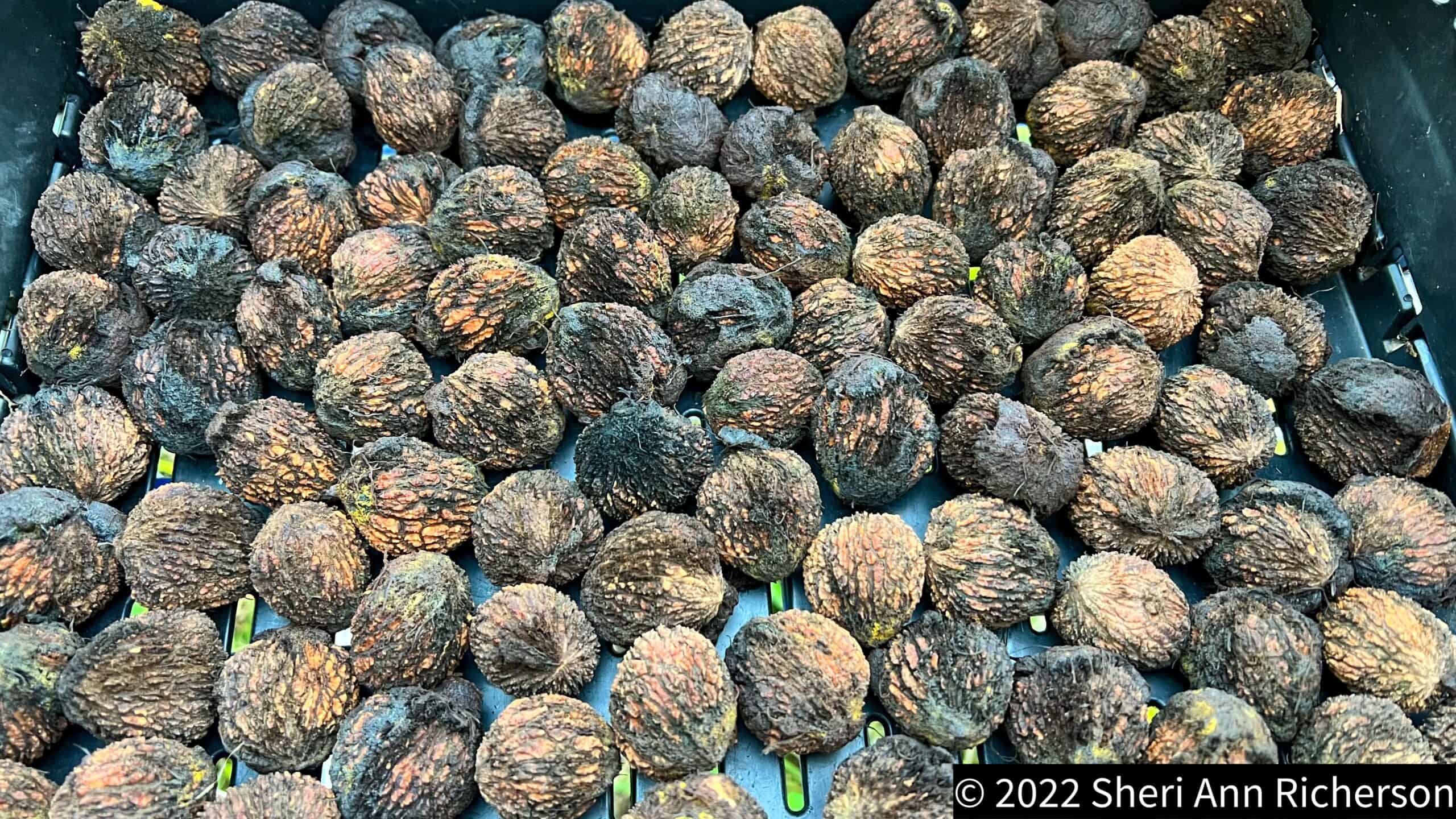
The walnuts themselves aren't simply the backdrop, either. They are part of the harvest.
YEARS OF EXPERIMENTING BENEATH BLACK WALNUTS
What I Have Tried — And What I Still Want To Try
One of the things I have always done in the Walnut Garden is experiment. I don't want to erase the difference between plants I have actually grown here and plants that appeared on my handwritten list because I wanted to try them. Both lists are part of the history of this garden, but they tell two different parts of the story.
Plants I Have Tried In The Walnut Garden
Over the years, these are among the plants I have planted, grown or documented as part of this garden:
- Wild raspberries
- Daylilies
- Hosta
- Columbine
- Solomon's seal
- Ajuga
- Paperbark hickory
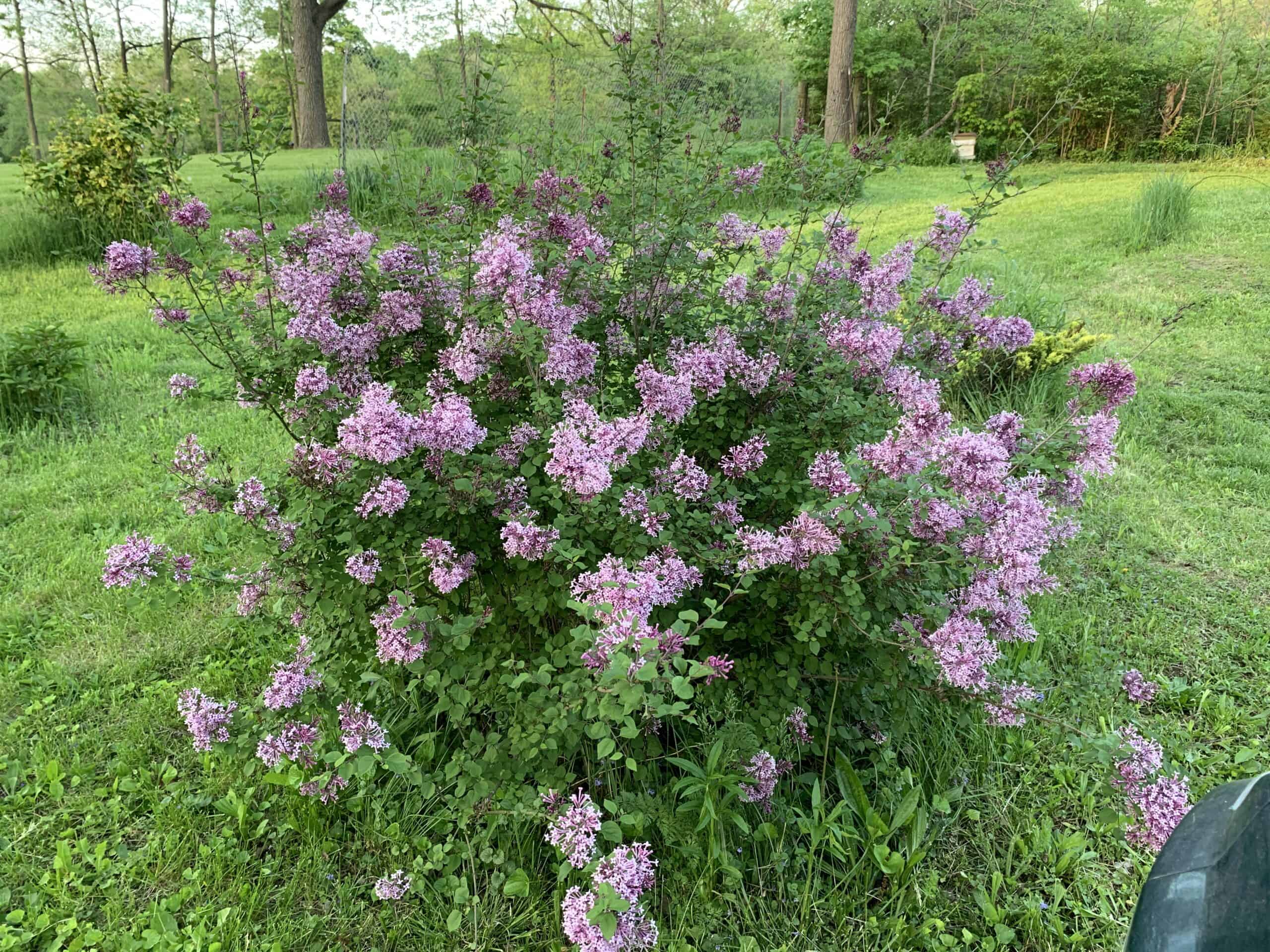
- Lilac
- A self-sown rose
- Various evergreen trees along the outer edge
- Bittersweet
- Rose-of-Sharon
- Tulips
- Iris
- Passiflora, or maypop
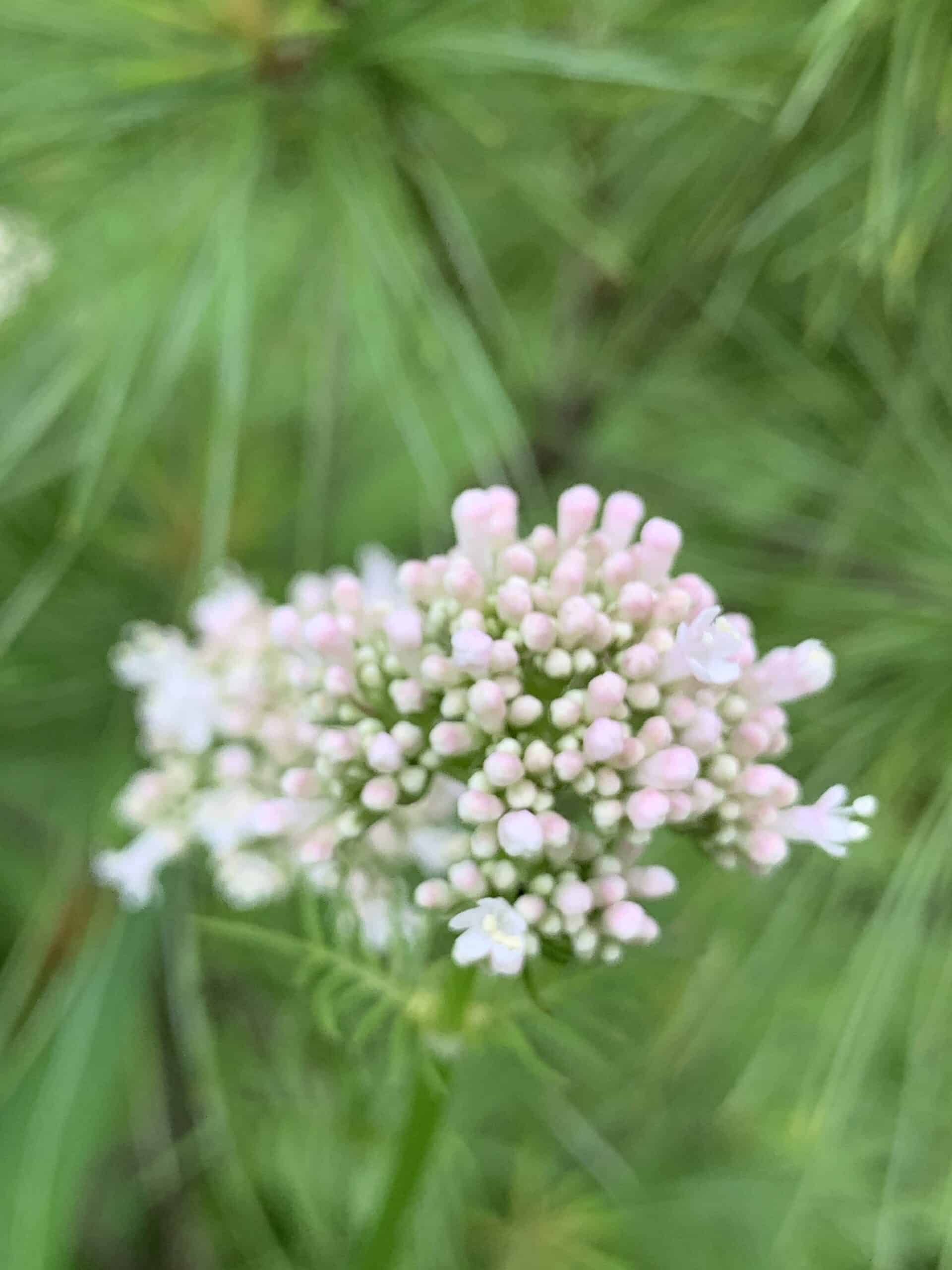
- Valerian
- Yucca
Plants On My Future Experiment List
I also still have a handwritten planning sheet of plants I intended to try around the black walnuts. This is a wish-and-experiment list, not a claim that every one of these has already succeeded here:
- Witch hazel
- Wild geranium
- New Jersey tea (Ceanothus americanus)
- Bee balm
- Pecan tree
- Aster
- Flowering dogwood
- Coriander
- Forsythia
- Rudbeckia
- Koreanspice viburnum
- Black raspberry
- Virginia bluebells
- Comfrey
- Mint
- Solomon's seal
- Joe-Pye weed
- Cup plant
- Showy goldenrod
- Big-leaved aster
- Holy basil
- Lemon balm
My original handwritten sheet includes a few repeated names — including witch hazel and Virginia bluebells — and several plants are circled. I am preserving the substance of that old planning list here instead of rewriting history and pretending these were all established plants. The whole point is to keep experimenting and see what actually works in this particular garden.
FROM THE TREES TO THE TABLE
Harvesting Walnuts — And Growing More Nut Trees
One of the benefits of having established walnut trees is getting an edible harvest from a landscape that is also providing shade, habitat and structure to the garden.
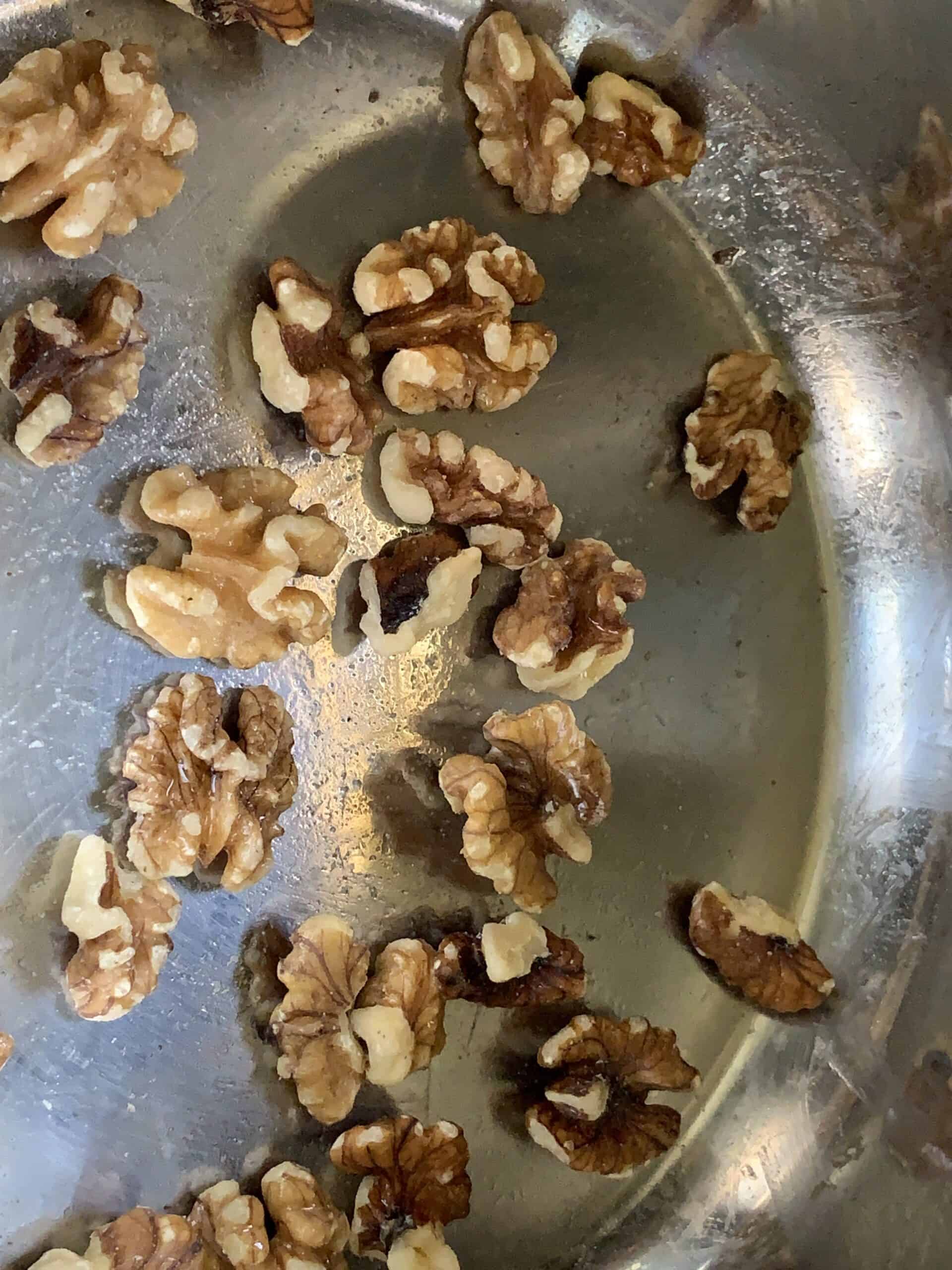
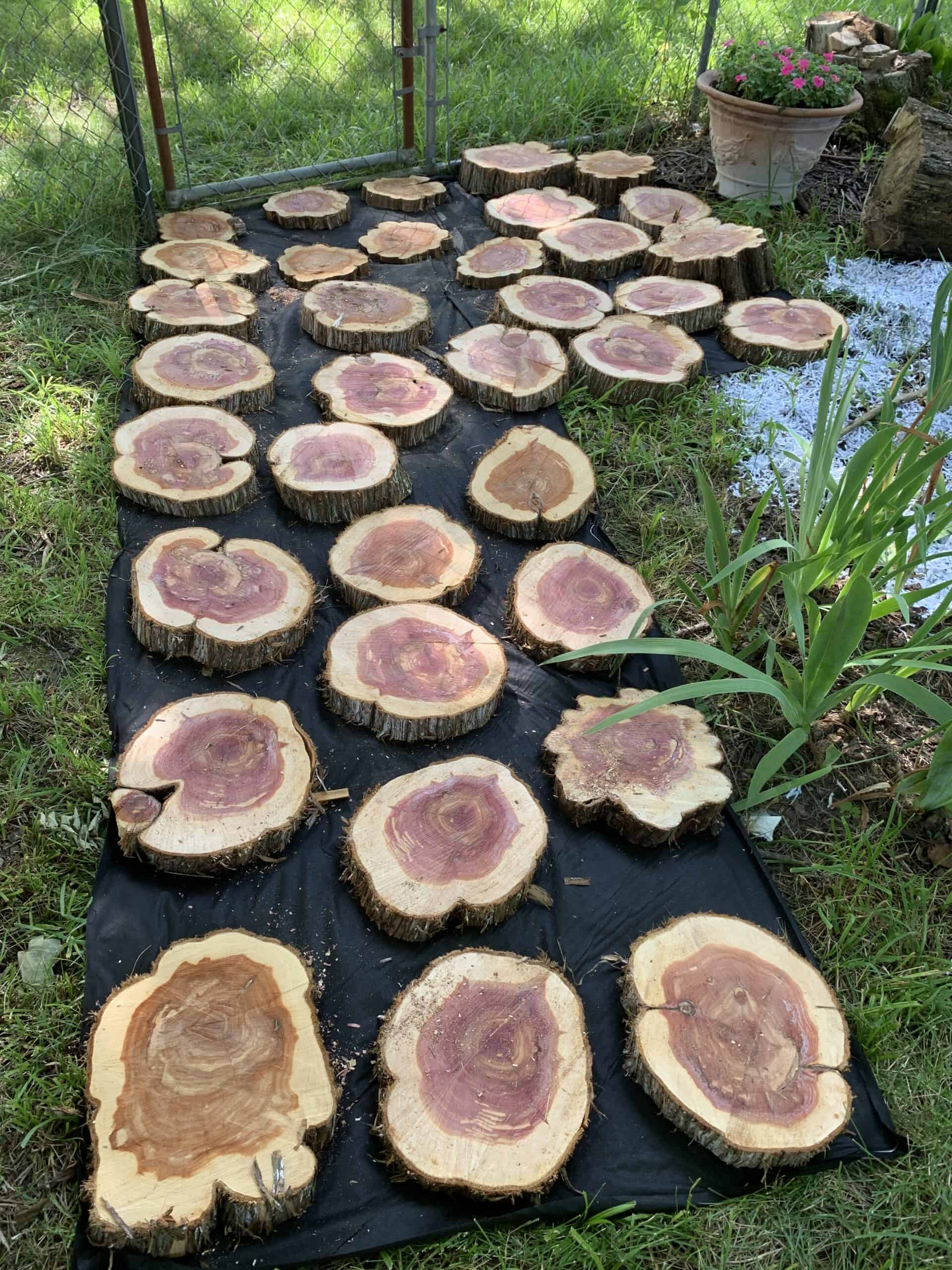
Harvesting walnuts does not end when they are gathered outside. They still need to be handled, dried, cracked and picked before they are ready to eat.
The first photograph here is the actual walnut harvest drying. I also have a photograph of cracked walnuts ready to eat — the reward at the end of all that work.
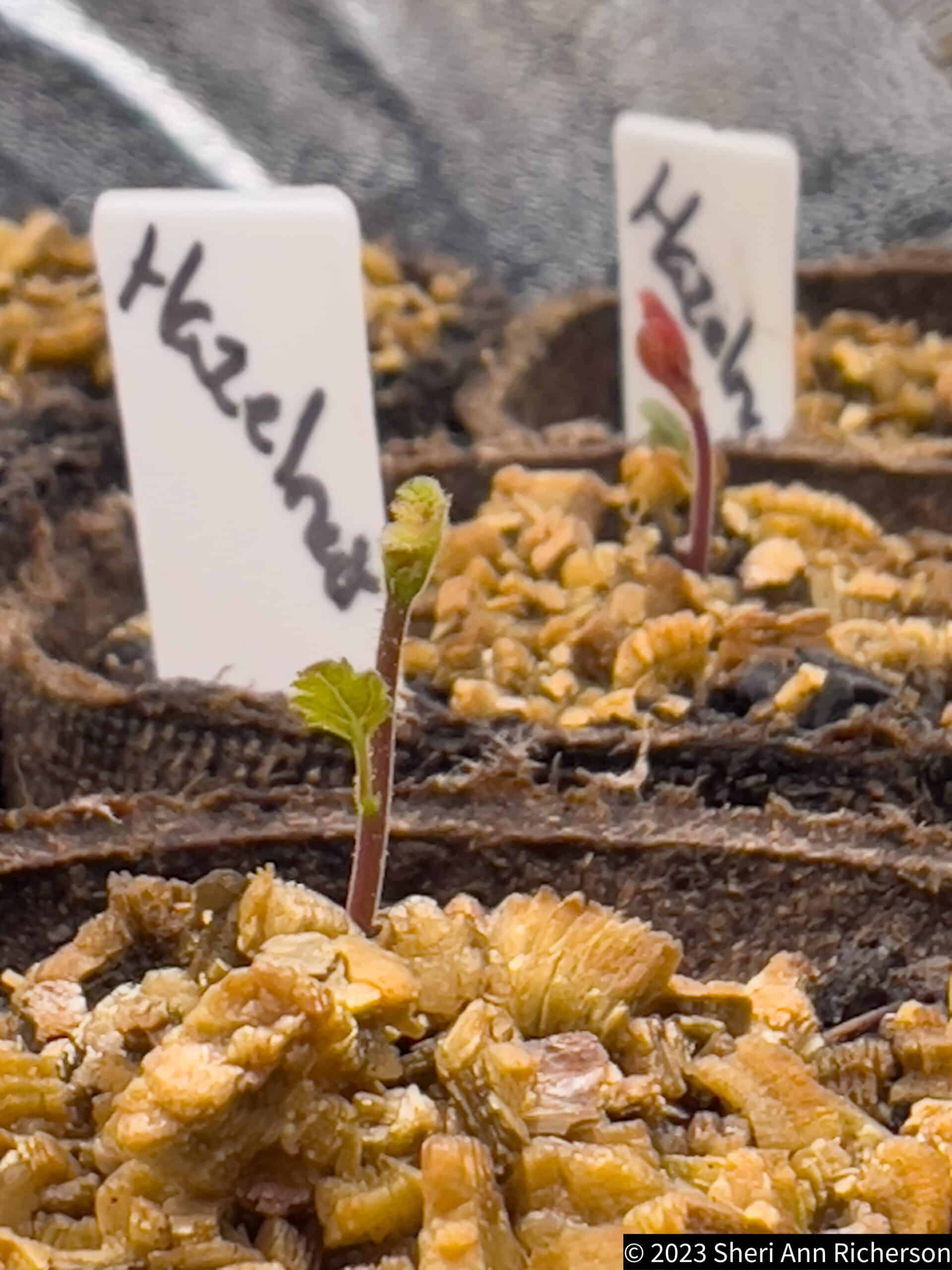
Nut trees are part of the continuing experiment in this area, too. I grew the hazelnut trees shown here from seed for this part of the property. I love that combination of established trees producing food now while younger trees I started myself become part of the landscape for the future.
EDIBLE • ORNAMENTAL • UNUSUAL
There Is Always Room To Try Something Interesting
If you've spent much time around Exotic Gardening, you already know that I have a weakness for unusual plants. The Walnut Garden has given me another place to experiment with them.
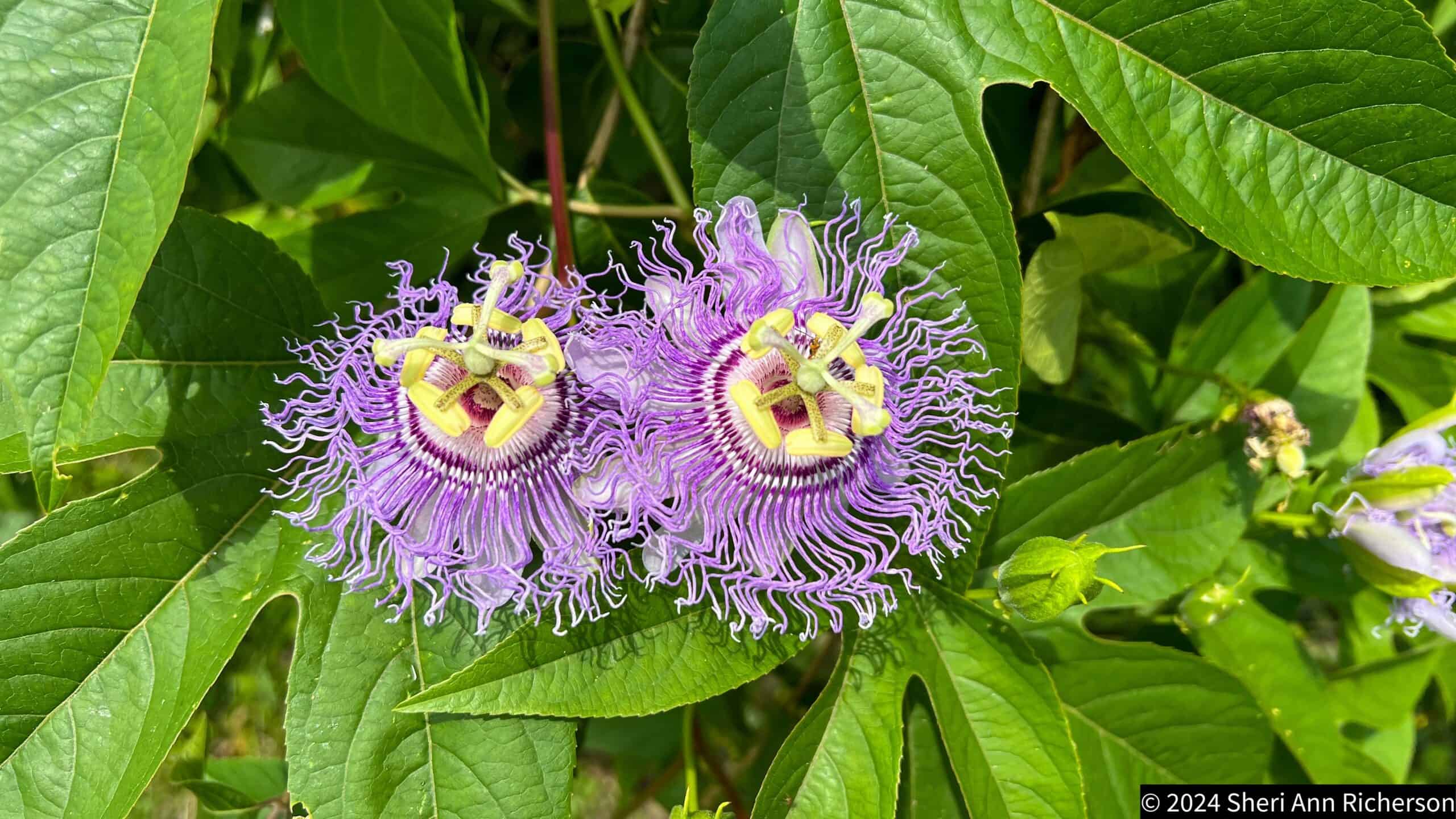
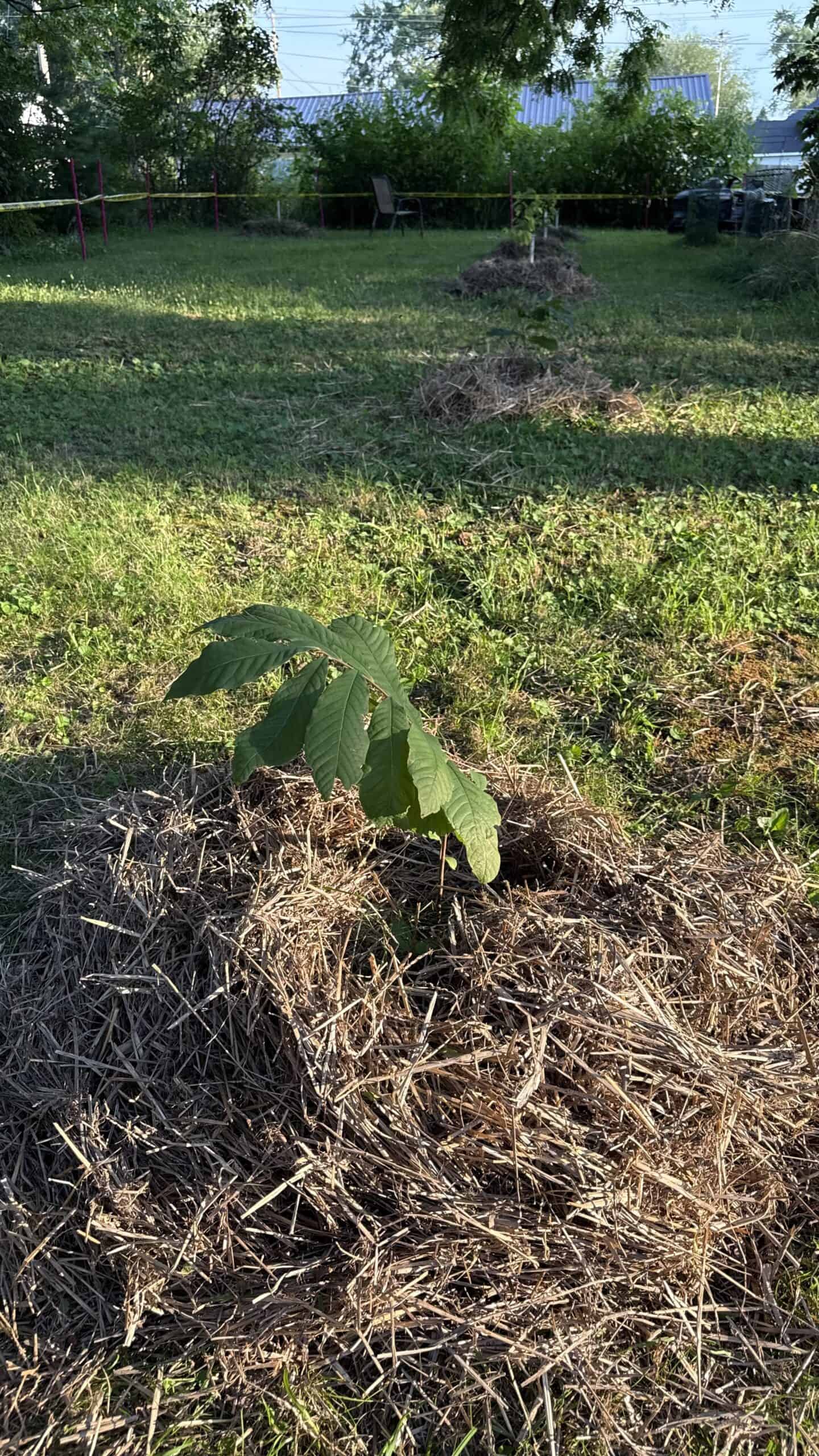
Passiflora has brought those unmistakable, intricate flowers into the garden, while a pawpaw tree adds another edible native plant to the landscape.
The pawpaw is especially meaningful to me because I grew that tree from seed.
Starting a tree from seed requires a very different kind of patience from planting an annual flower. You don't get an instant landscape. You plant something small and give it time to become part of the property.
GARDENS HOLD FAMILY STORIES, TOO
Planting Impatiens With Sarah & My Granddaughter
Gardens aren't only collections of plants. After enough years, they become collections of memories.
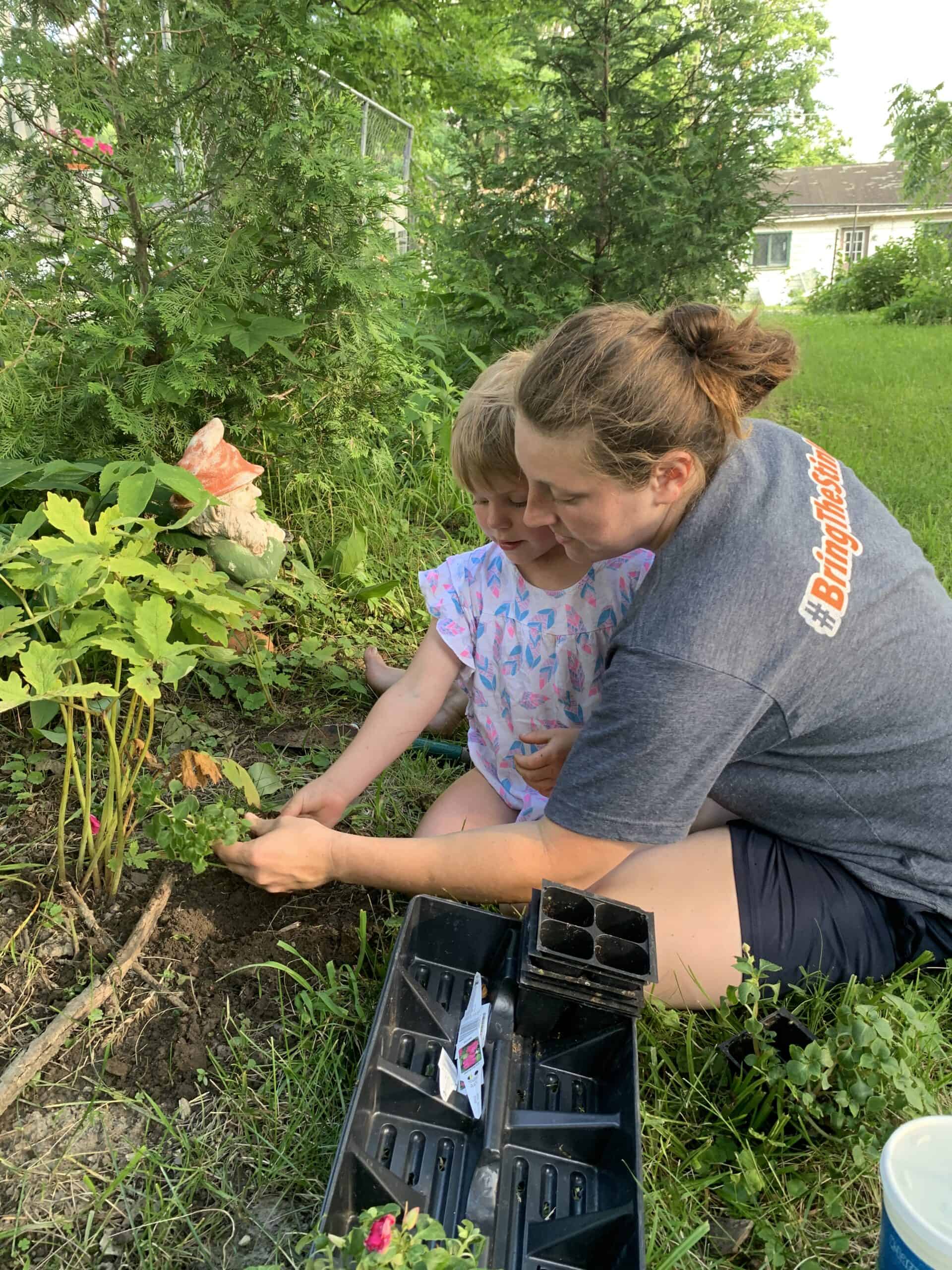
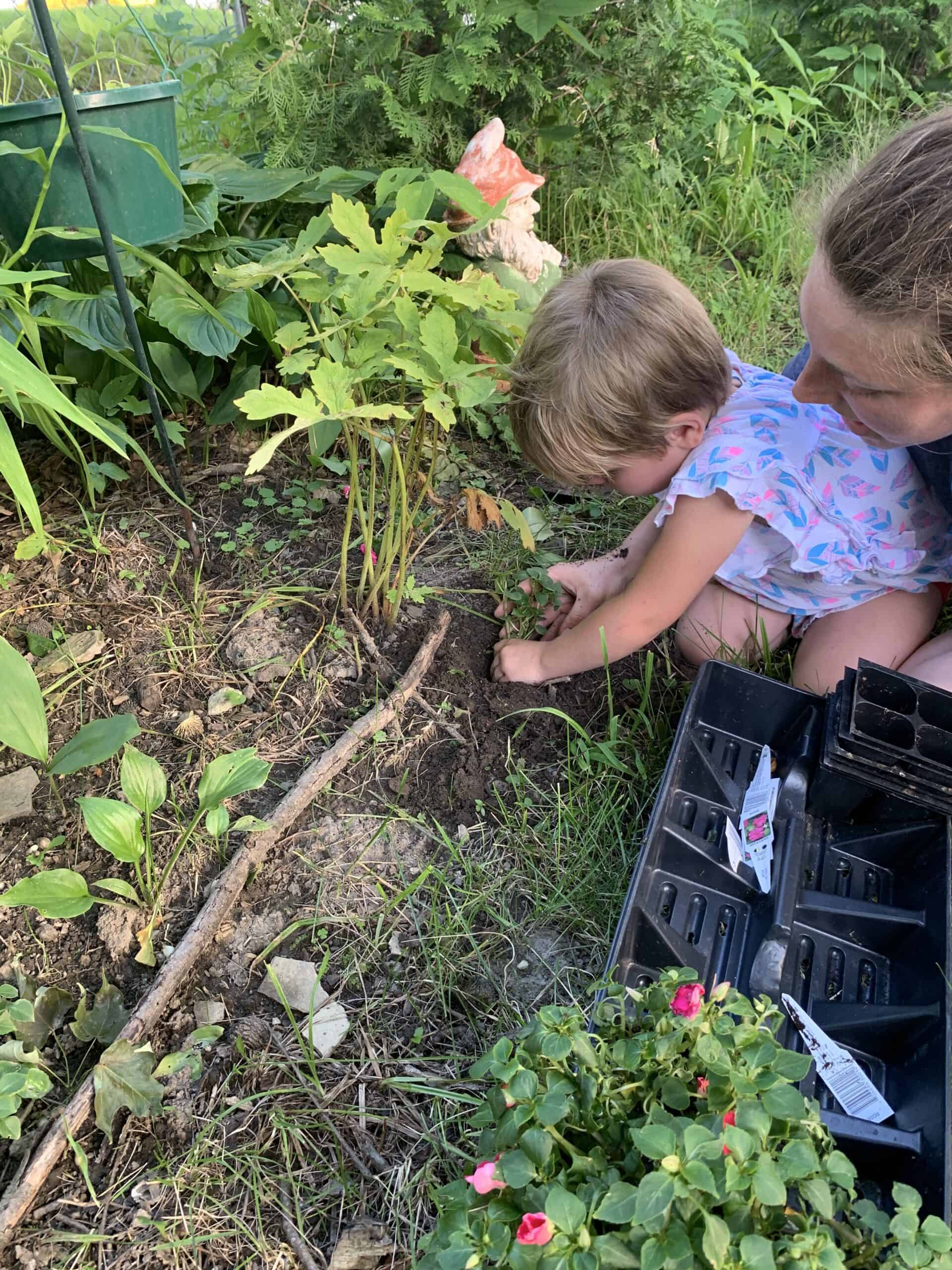
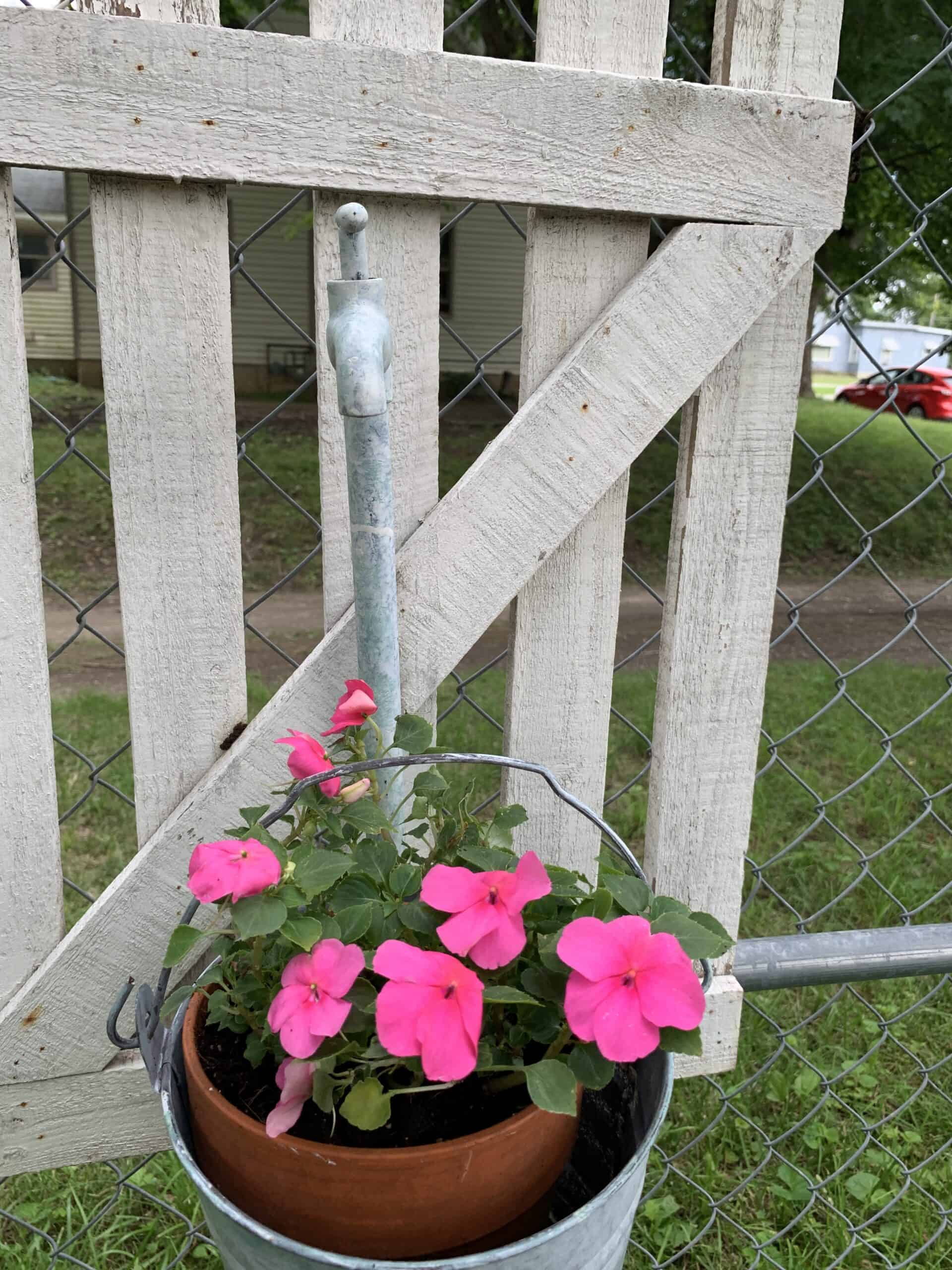
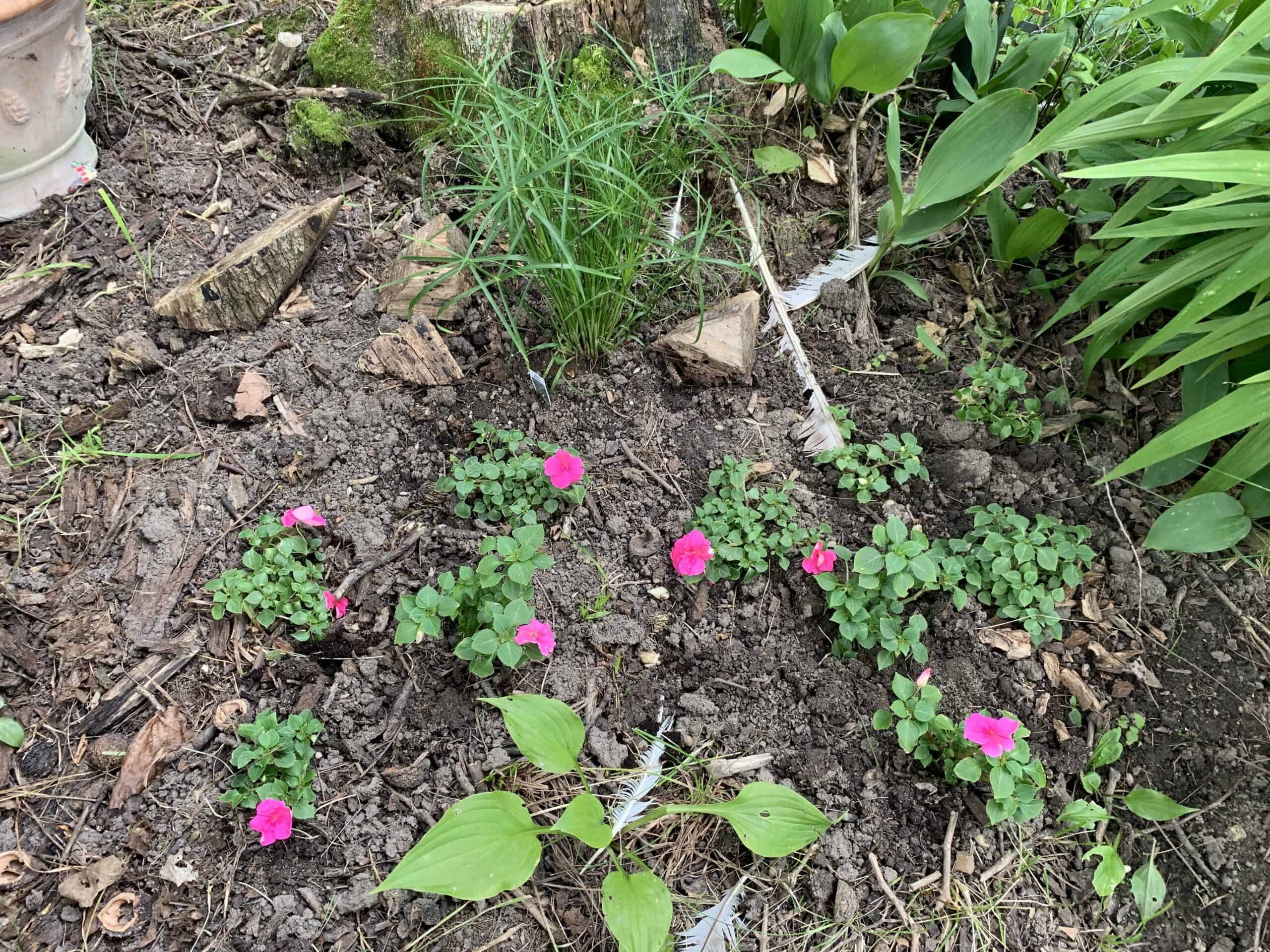
My daughter Sarah and my granddaughter have spent time here planting impatiens, adding another generation to the history being made in these gardens.
I love photographs like these because they document something that a finished flower bed can't show later: who was there, who put their hands in the soil and who helped make the garden what it became that season.
NOT JUST FOR PLANTS
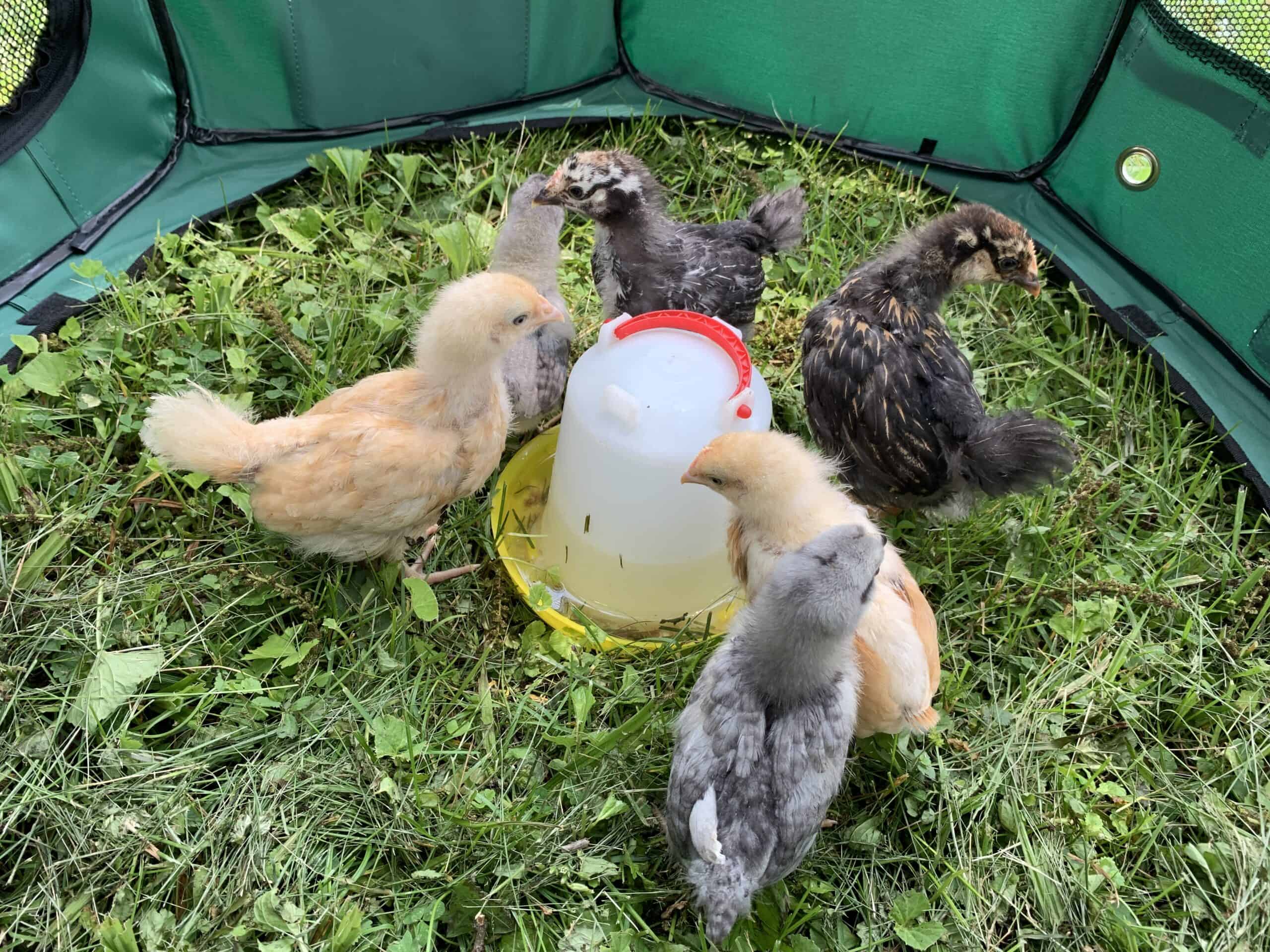
A Pretty Good Place To Be A Baby Chick
The Walnut Garden is part of a working homestead, so plants aren't always the only residents.
The sheltered garden environment has also made a wonderful place for baby chicks to spend some time outdoors.
Moments like this are why I don't think of the individual gardens here as isolated display spaces. They overlap with the rest of our lives, our animals and the way we use the property.
A LITTLE WHIMSY
Gardens Are Allowed To Be Fun
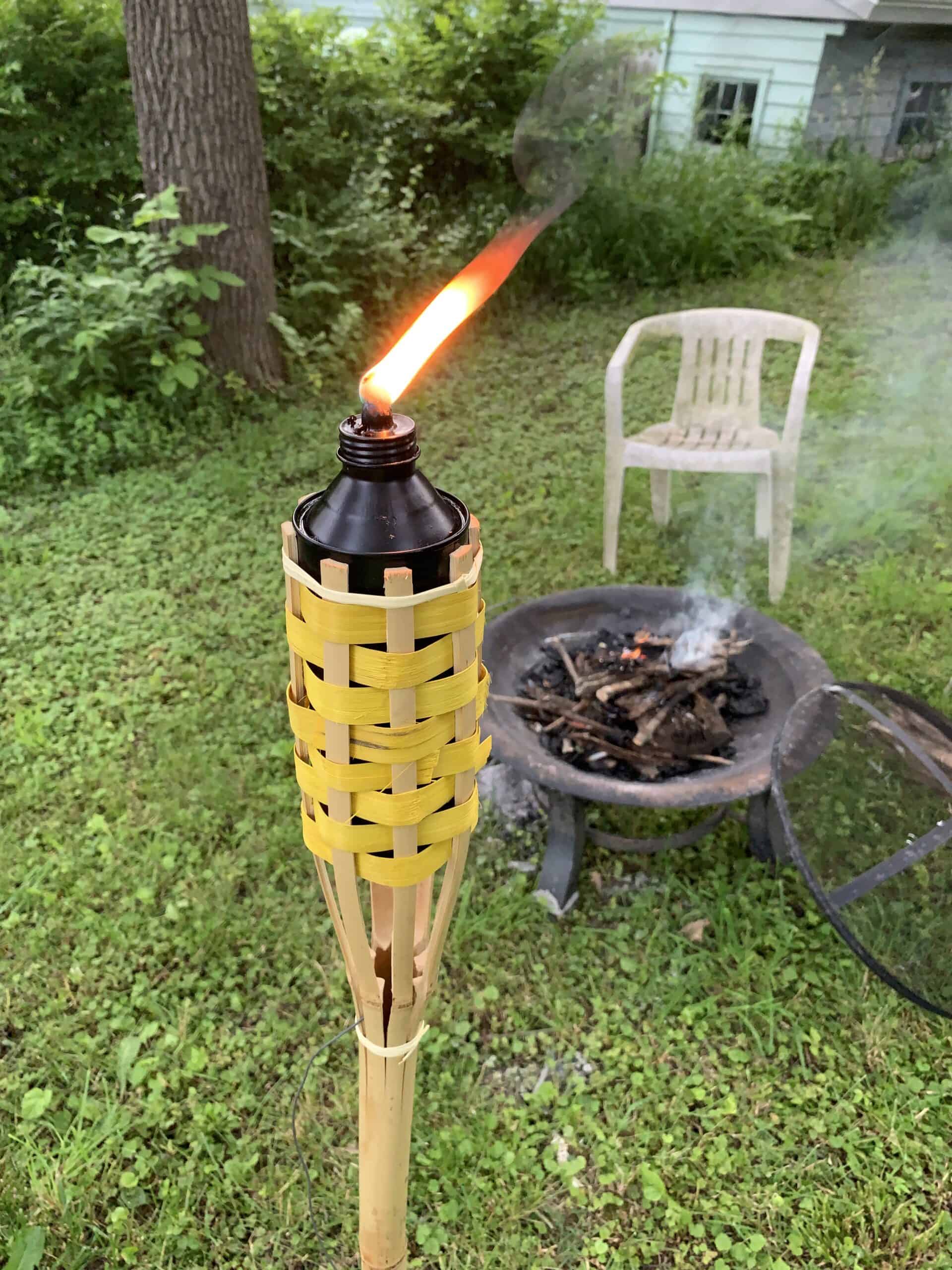
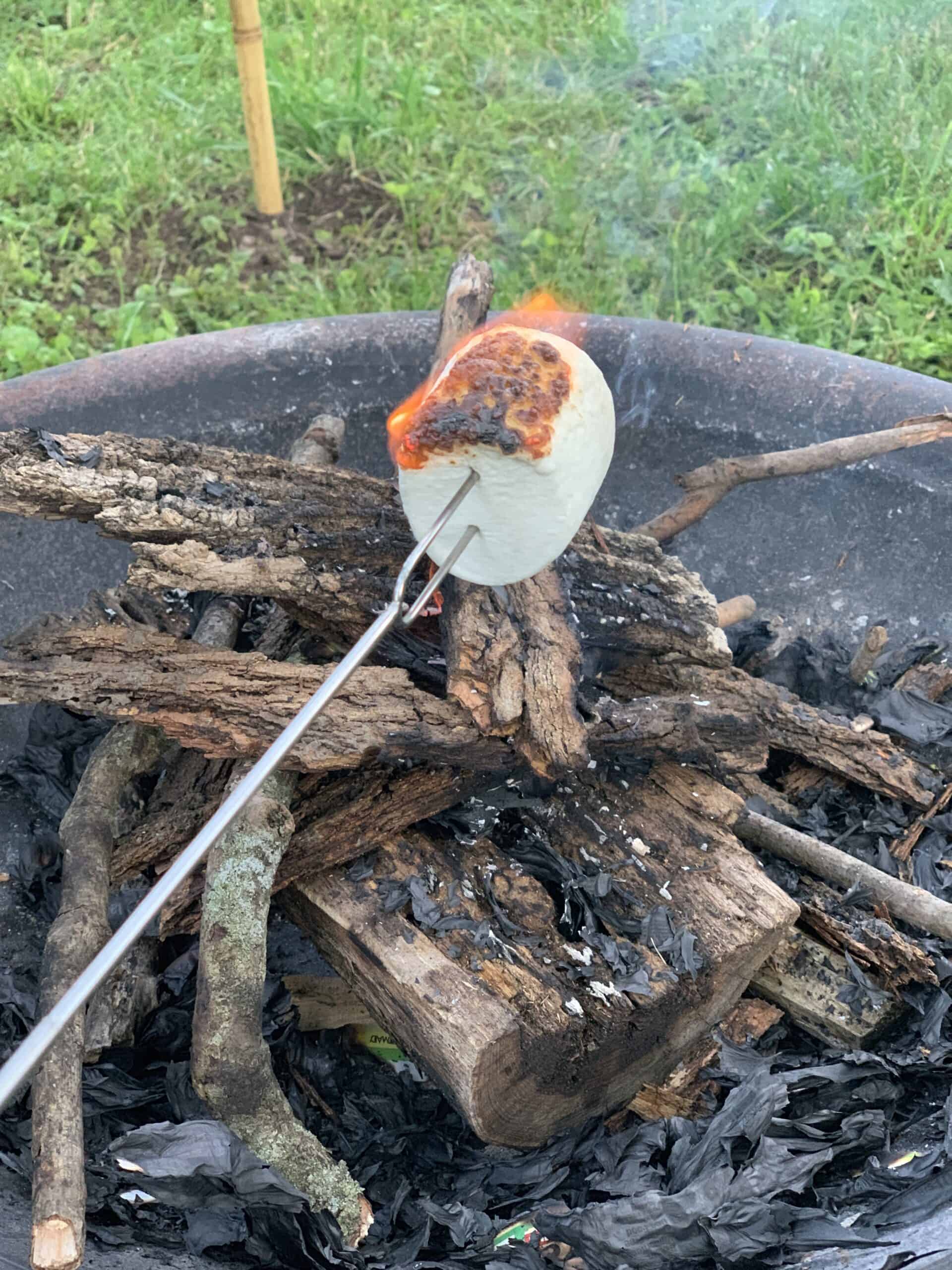
Not everything in a garden needs to have a serious horticultural purpose.
Over the years I've added things simply because they made the garden more interesting, made me smile or created another little moment to discover while walking through it.
A garden that is actually lived in develops personality. The Walnut Garden certainly has its share.
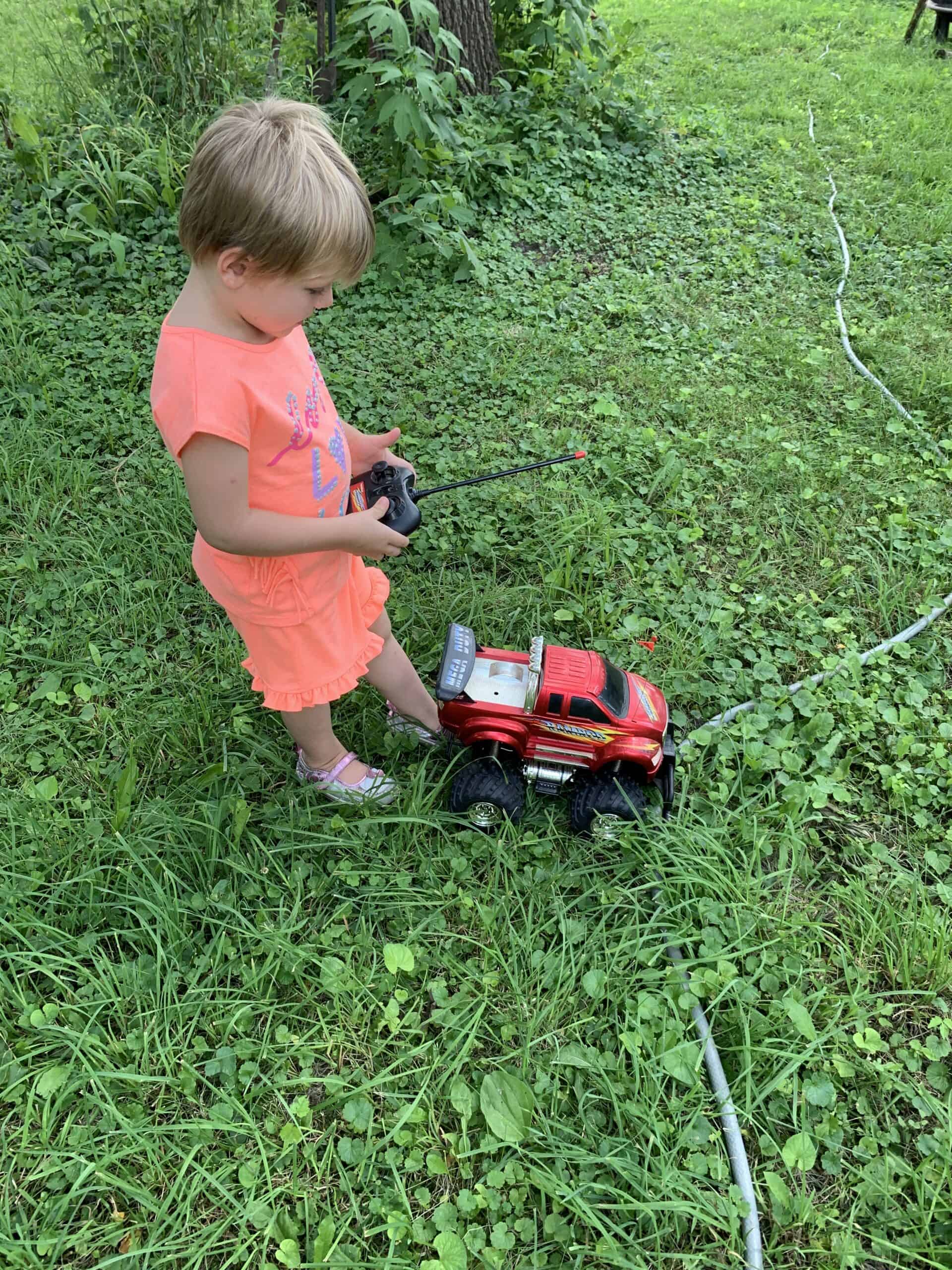
A GARDEN THAT KEEPS CHANGING
Different Years Tell Different Stories
One reason I value these photographs is that gardens don't stay still long enough to create one definitive portrait.
A plant that dominates one season may barely be noticeable a few years later. A newly planted area fills in. Something gets moved. Wildlife changes the plan. Weather changes the plan. Life changes the amount of time available to garden.
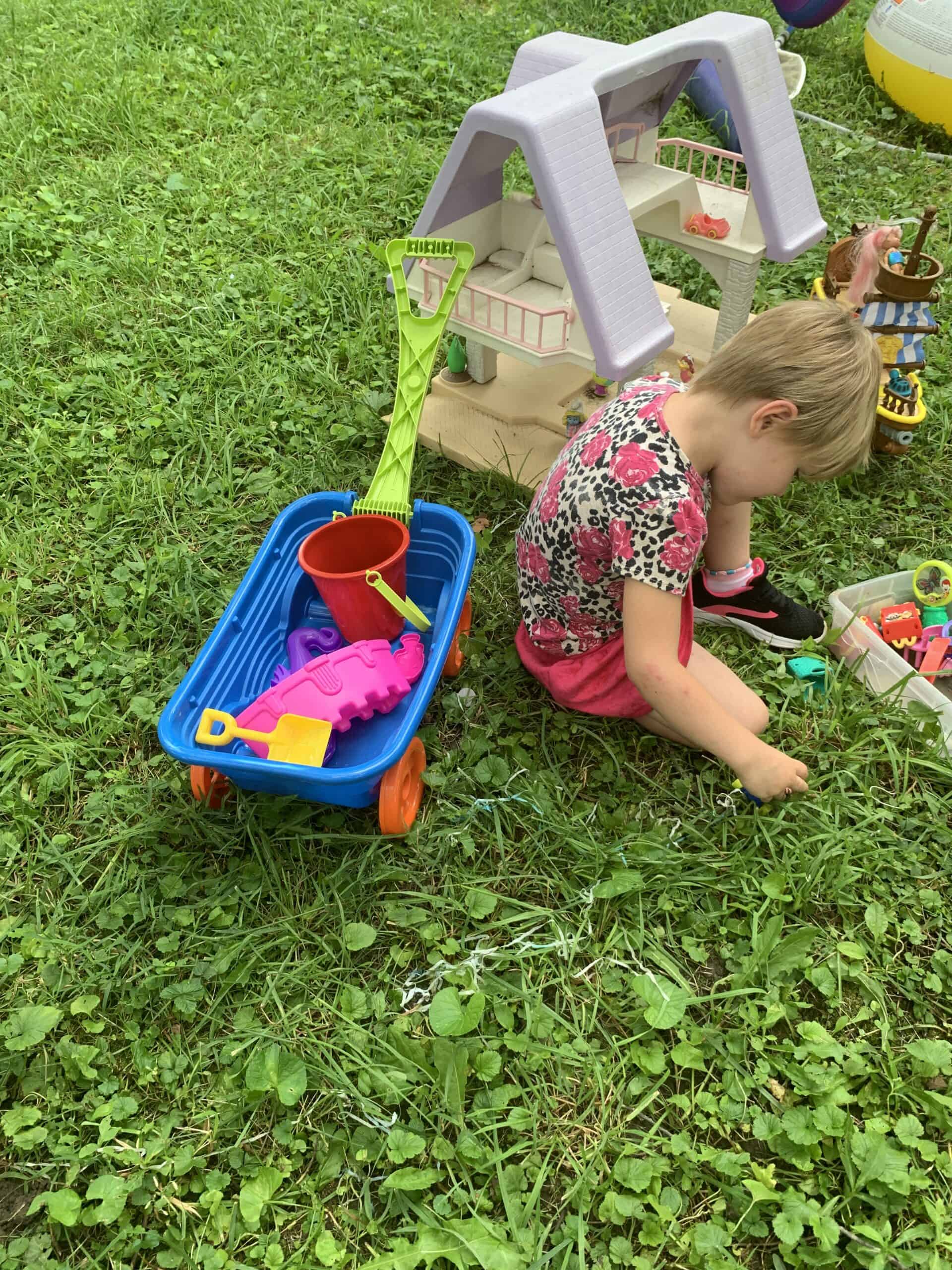
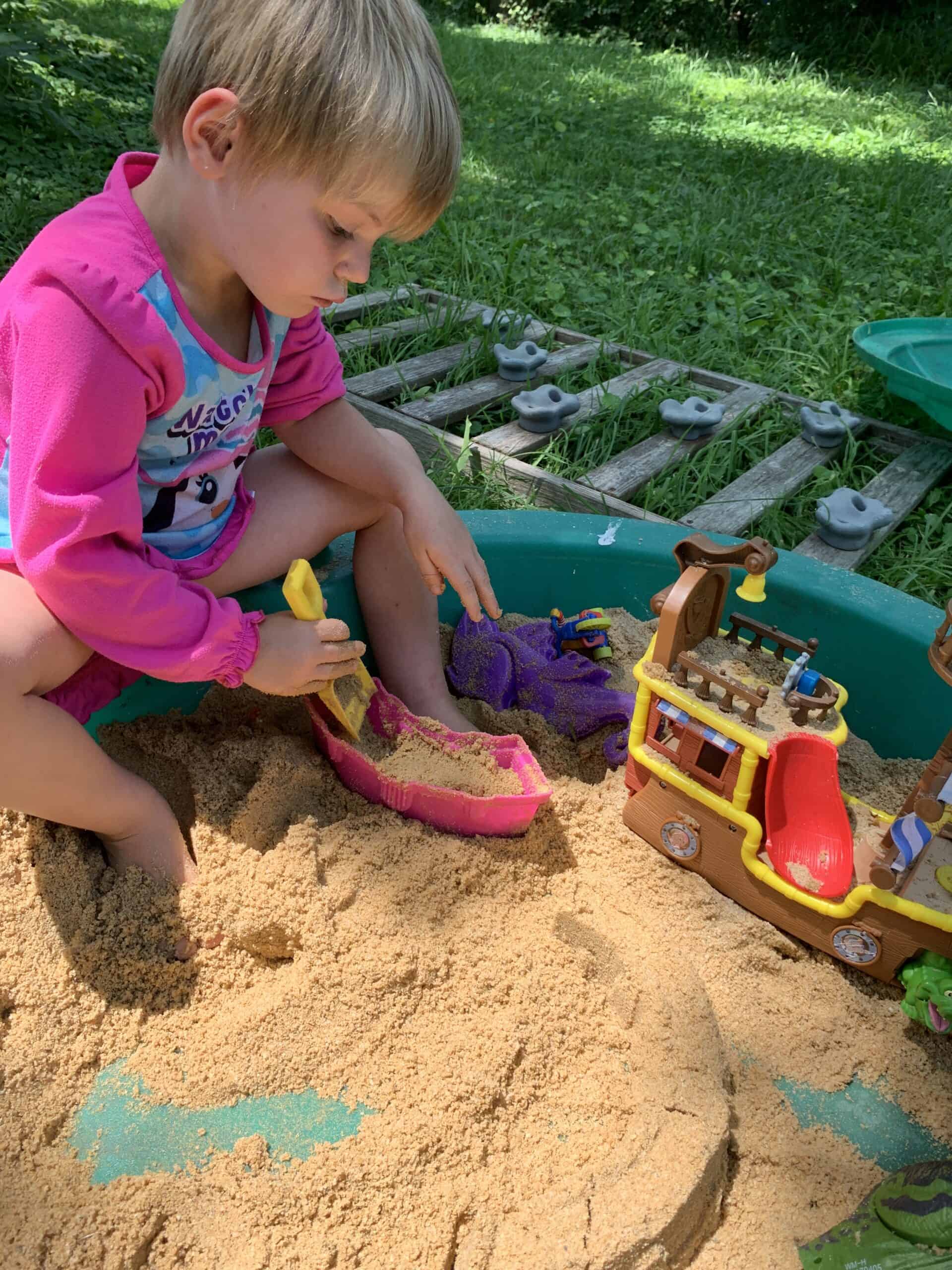
These images capture different moments in the Walnut Garden rather than pretending there was ever one perfect, permanent version of it.

SHARING THE WALNUT GARDEN
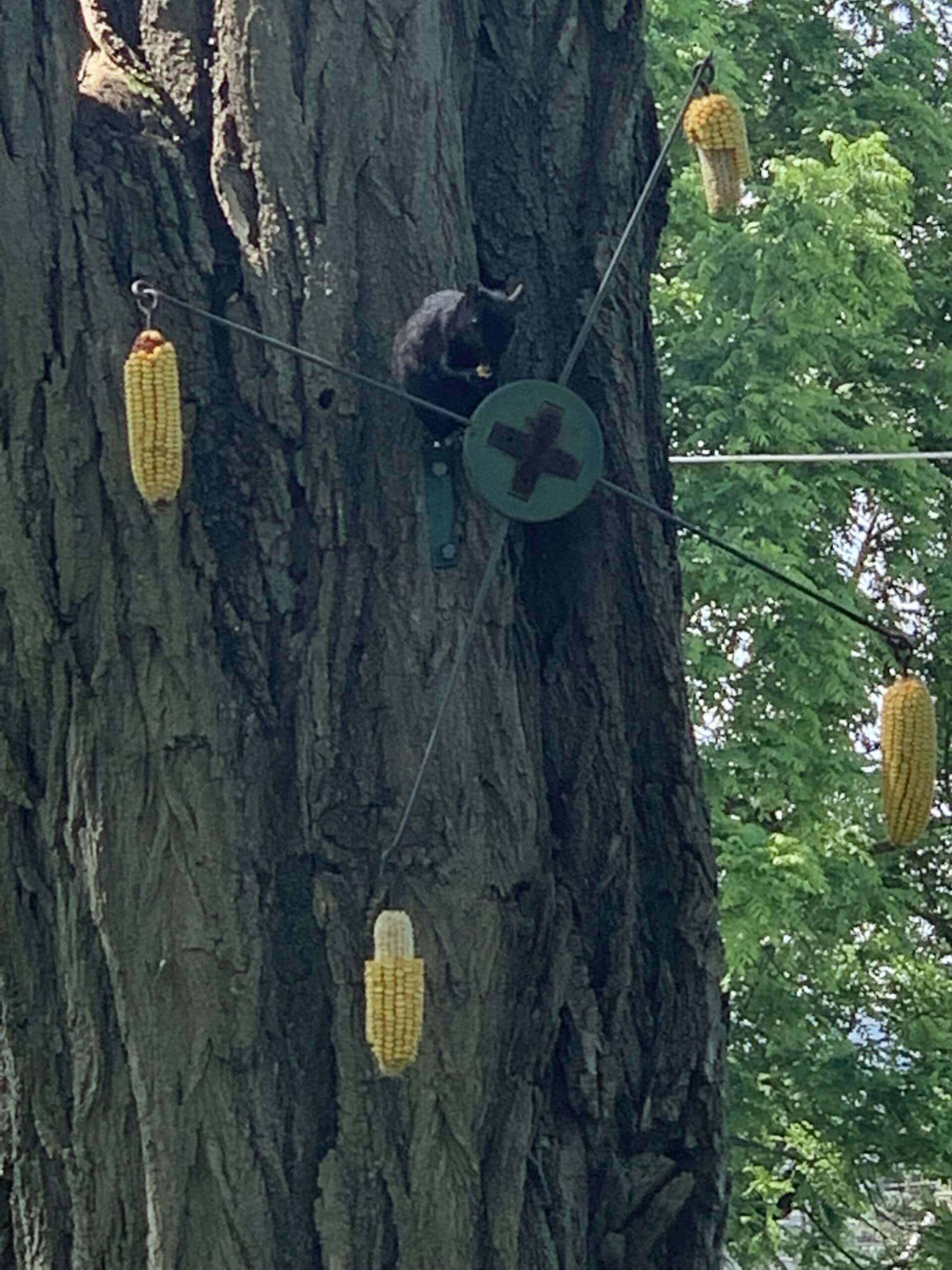
Of Course The Squirrels Know About The Walnuts
You can't have a garden filled with mature walnut trees and expect the local wildlife not to notice.
Squirrels are part of life here, and sometimes they get treats of their own.
Wildlife habitat has become an important part of the property, so seeing animals use these garden spaces is not separate from the gardening story. It is part of it.
That doesn't mean I always appreciate everything wildlife does to my carefully made plans, of course. Gardeners and squirrels don't necessarily agree about who planted what where.
FLOWERS BENEATH THE WALNUTS
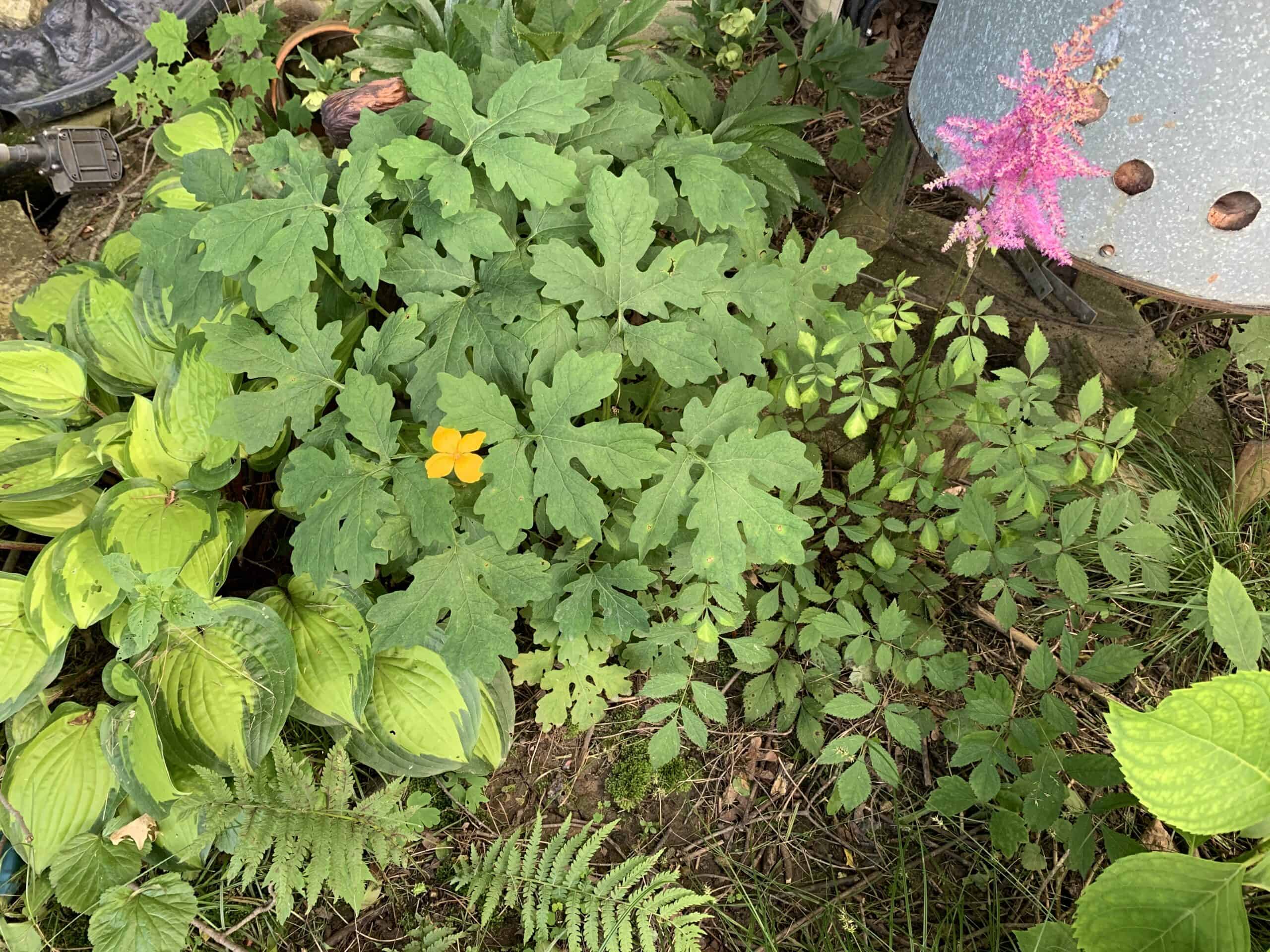
The Plants That Help Tell The Story
MORE THAN A SHADE GARDEN
The Walnut Garden Keeps Its Own History
When I look at the Walnut Garden now, I don't see just a collection of plants growing beneath walnut trees.
I see walnuts gathered and carried inside to dry. I see unusual flowers and a pawpaw tree I started from seed. I see Sarah and my granddaughter planting impatiens. I see baby chicks, squirrels, flowers, experiments and bits of garden whimsy.
Some of those things lasted for a season. Others have been here for years. Together they are what make this particular piece of the property the Walnut Garden.
And, like every garden here, it is still changing.


