EXOTIC GARDENING FARM & WILDLIFE HABITAT
WELCOME TO THE
GARDENS
Nine distinct garden areas make up the landscape here at Exotic Gardening Farm & Wildlife Habitat. Each garden has its own story, its own growing conditions and its own personality.
These gardens have changed and evolved over the years as I have experimented with plants, worked with the conditions nature gave me and learned what thrives in each part of the property.
Come explore the gardens with me.
GARDEN #1
The Walnut Garden
Gardening beneath mature black walnut trees
The Walnut Garden sits up the hill and to the left side of the house, bordering my neighbor on one side. It gets its name from the numerous large black walnut trees growing there. I didn't plant them — they came with the house.
I like black walnuts, so the challenge over the years has been discovering what else will grow successfully alongside them. Some wild raspberries took root on their own, and I have left them there and pick from them every year.
Through years of experimenting, I have found plants that thrive here, including daylilies, hosta, columbine, Solomon's seal, paperbark hickory, lilac and a self-sown rose.
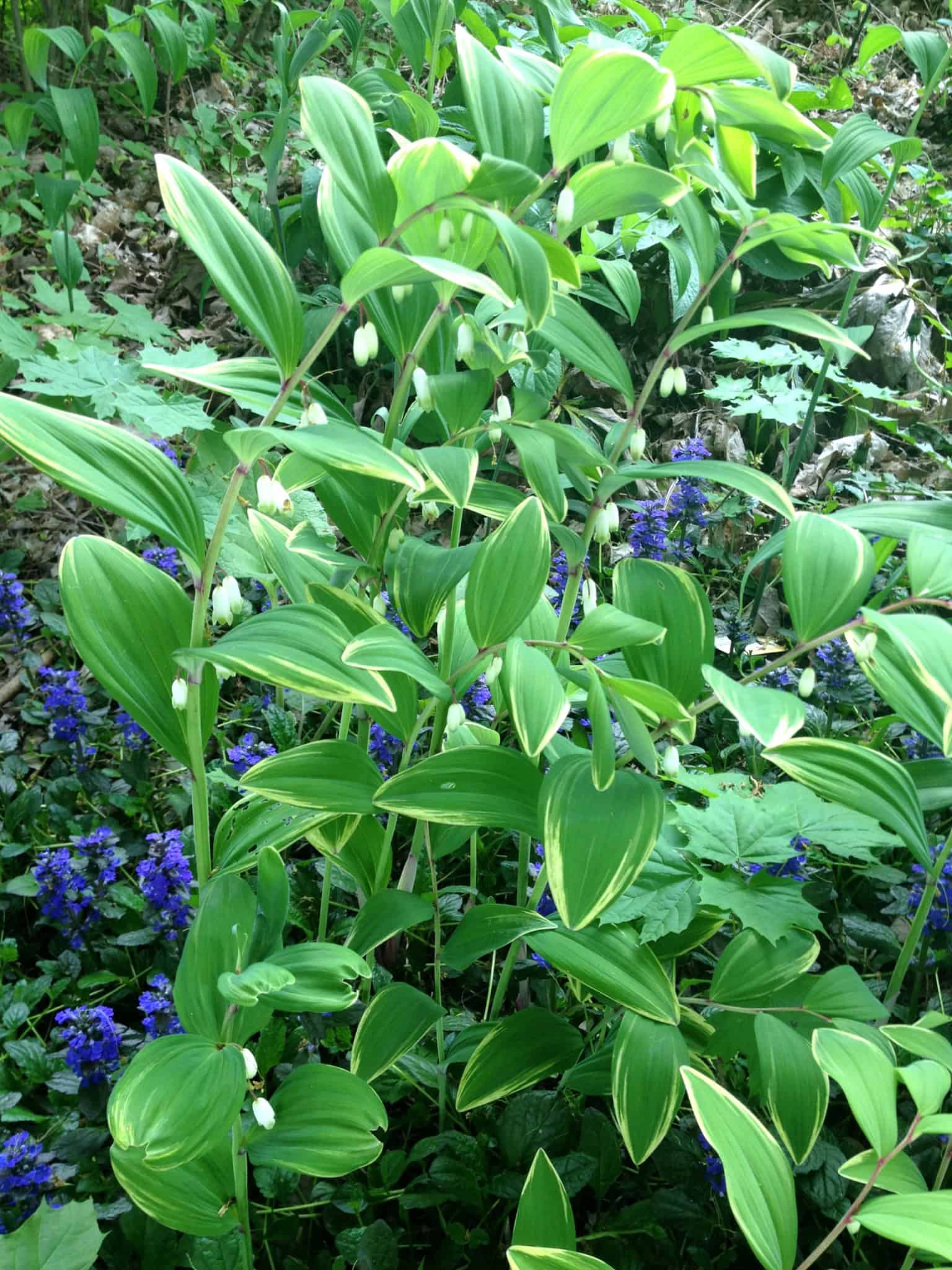
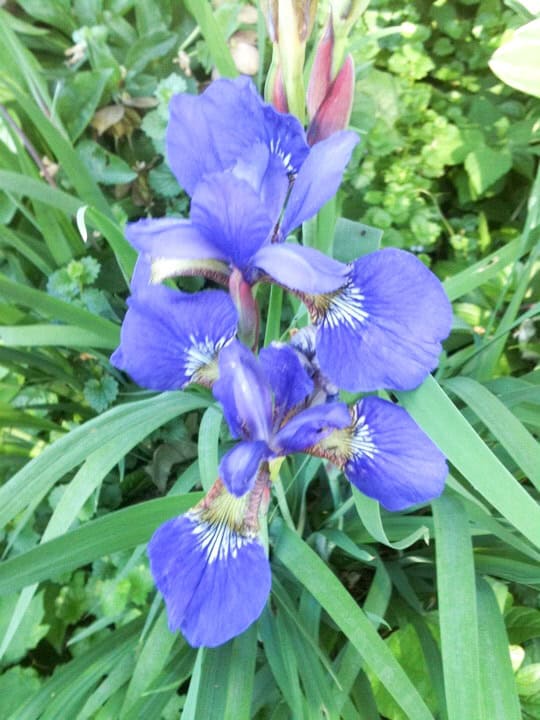
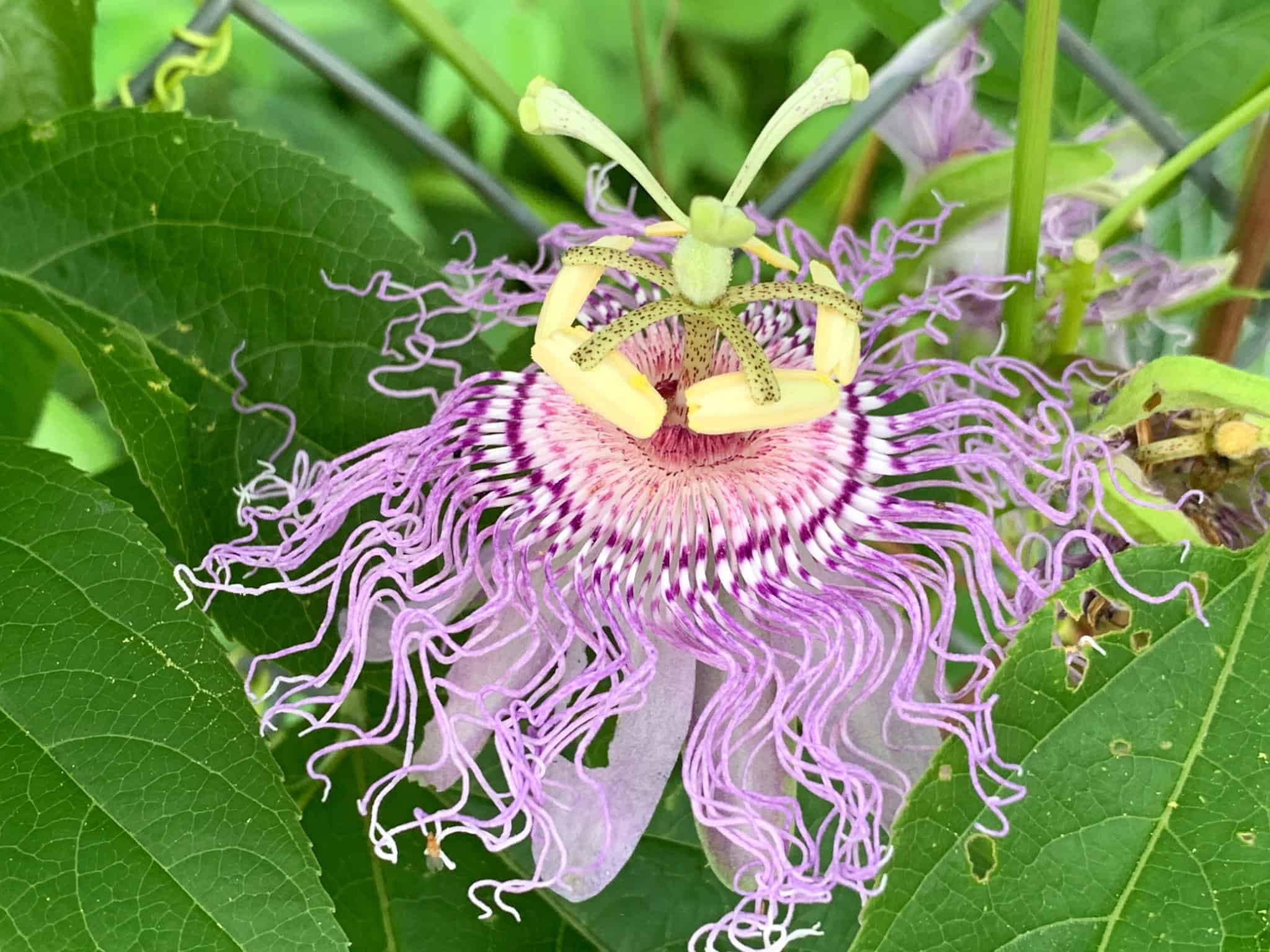
A GARDEN SHAPED BY EXPERIMENTATION
Learning What Will Grow Here
Along the outer edge of the garden, away from where the walnut tree limbs reach, I planted numerous evergreen trees for border privacy. I also planted lilacs, bittersweet and Rose of Sharon along the property line.
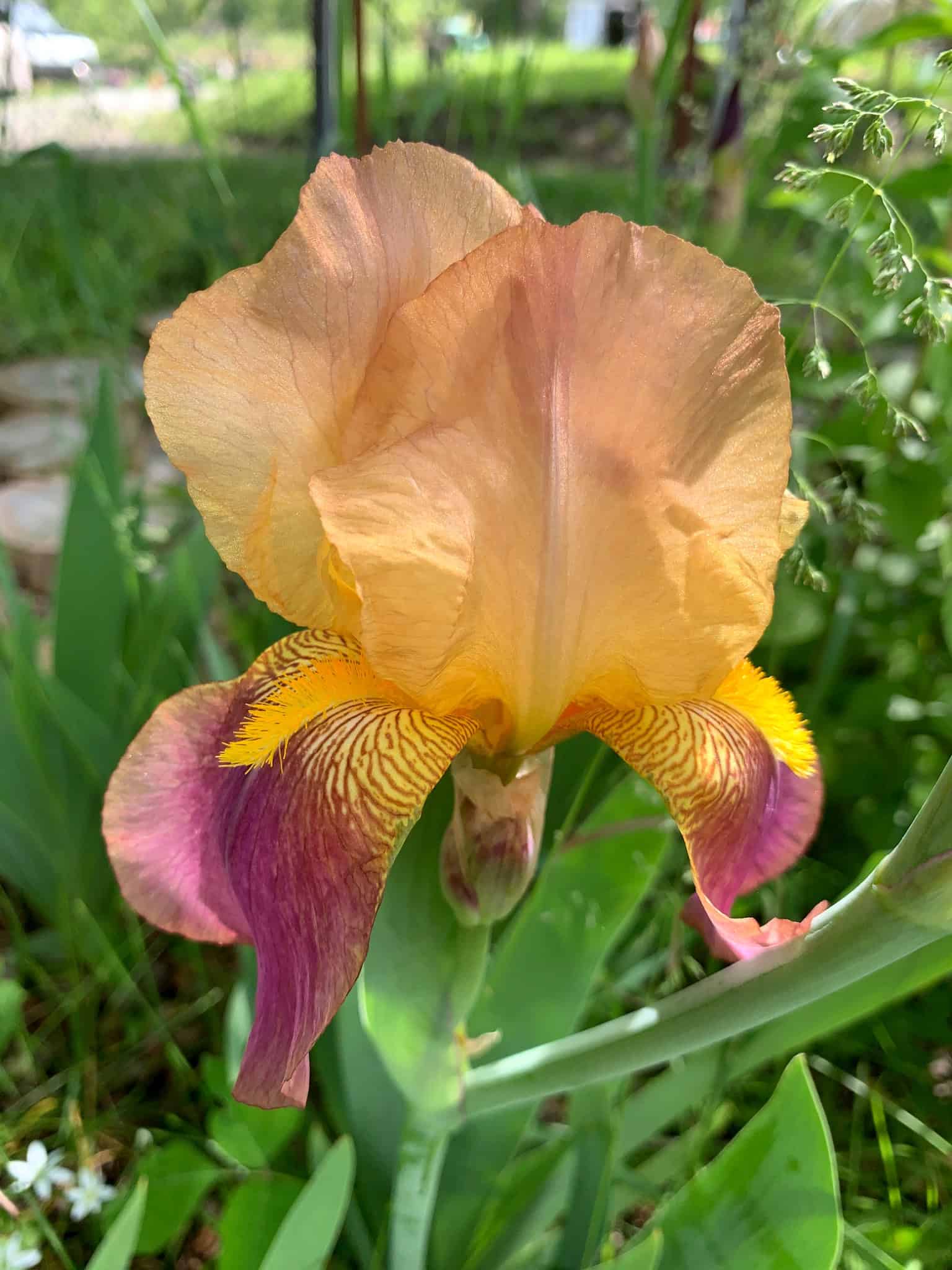
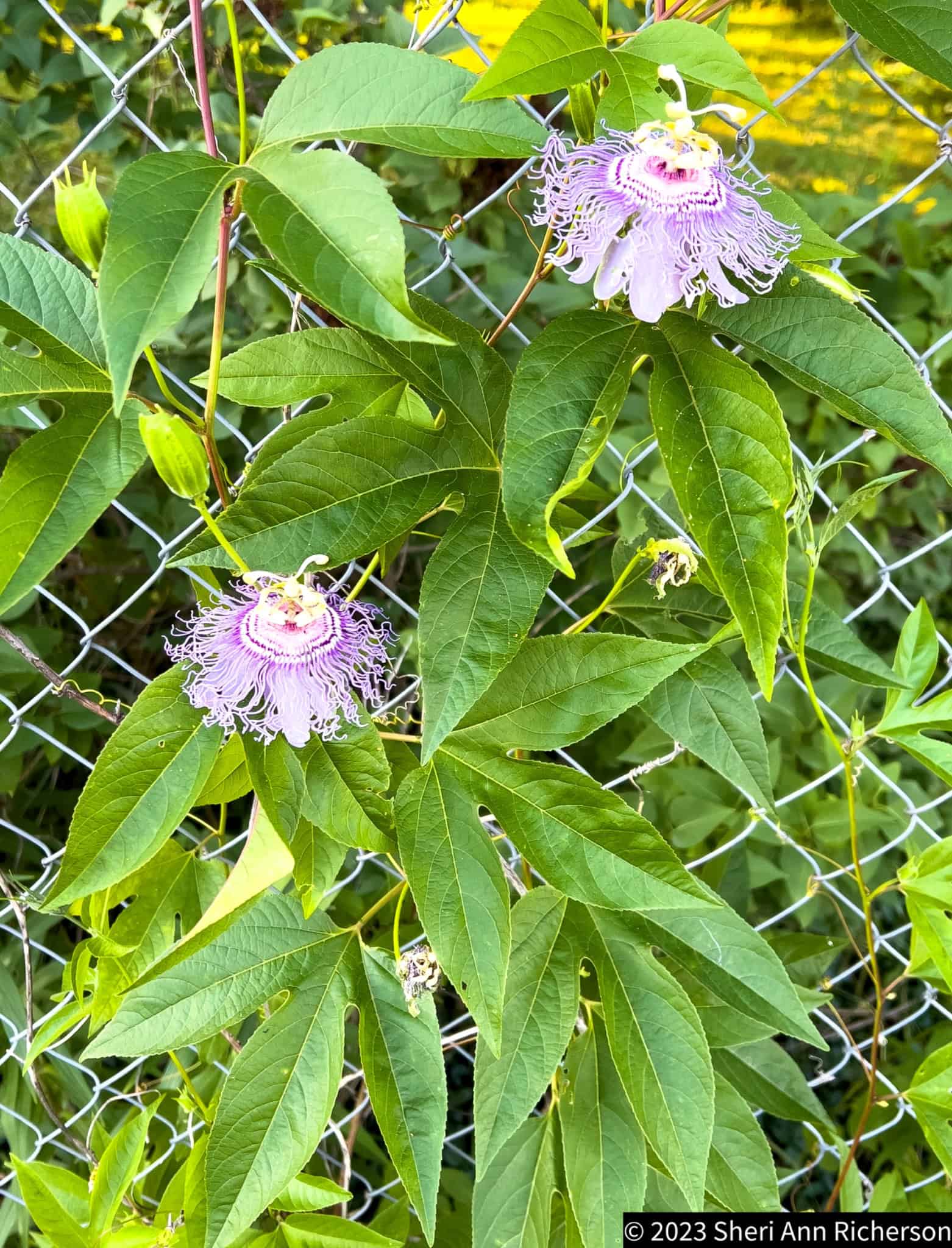
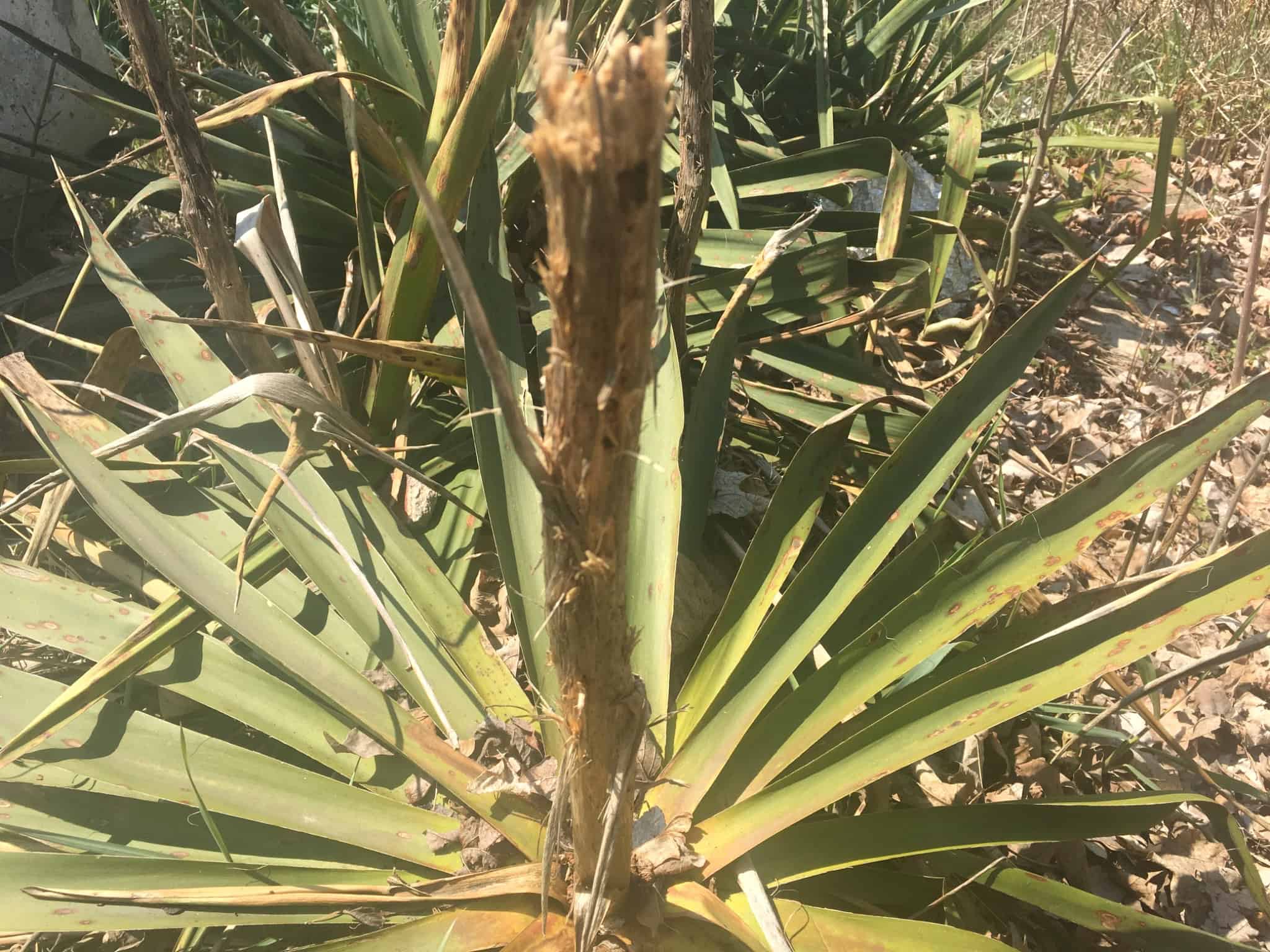
For additional color and variety, I have experimented with tulips, iris, passionflower, valerian, yucca and other plants throughout this area.
That's part of what makes this garden interesting to me. It has never been a static landscape. I watch what thrives, what struggles and what comes back from year to year.
Explore The Walnut Garden →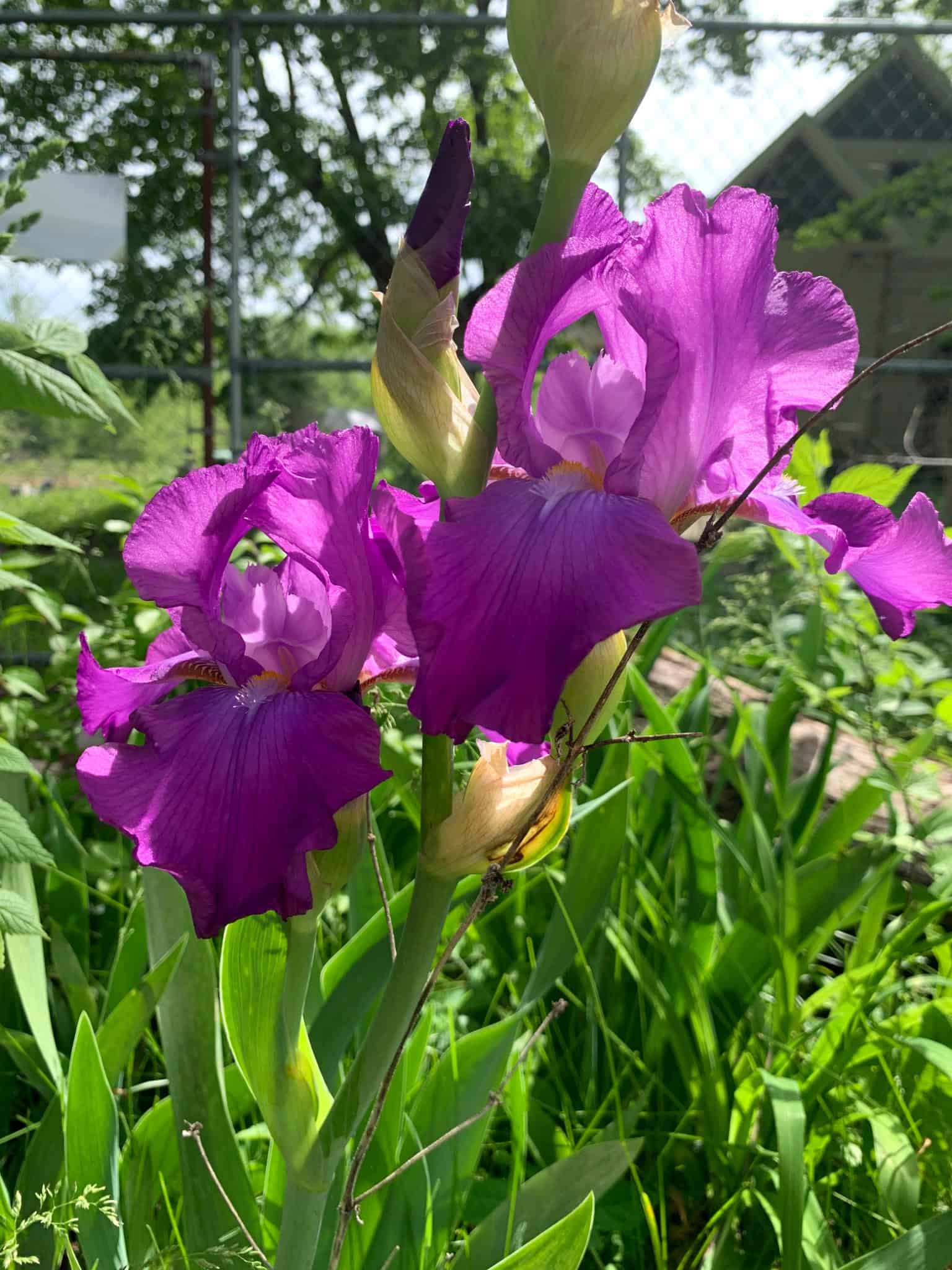
GARDEN #2
The Front Garden
A garden that changes its face with the seasons
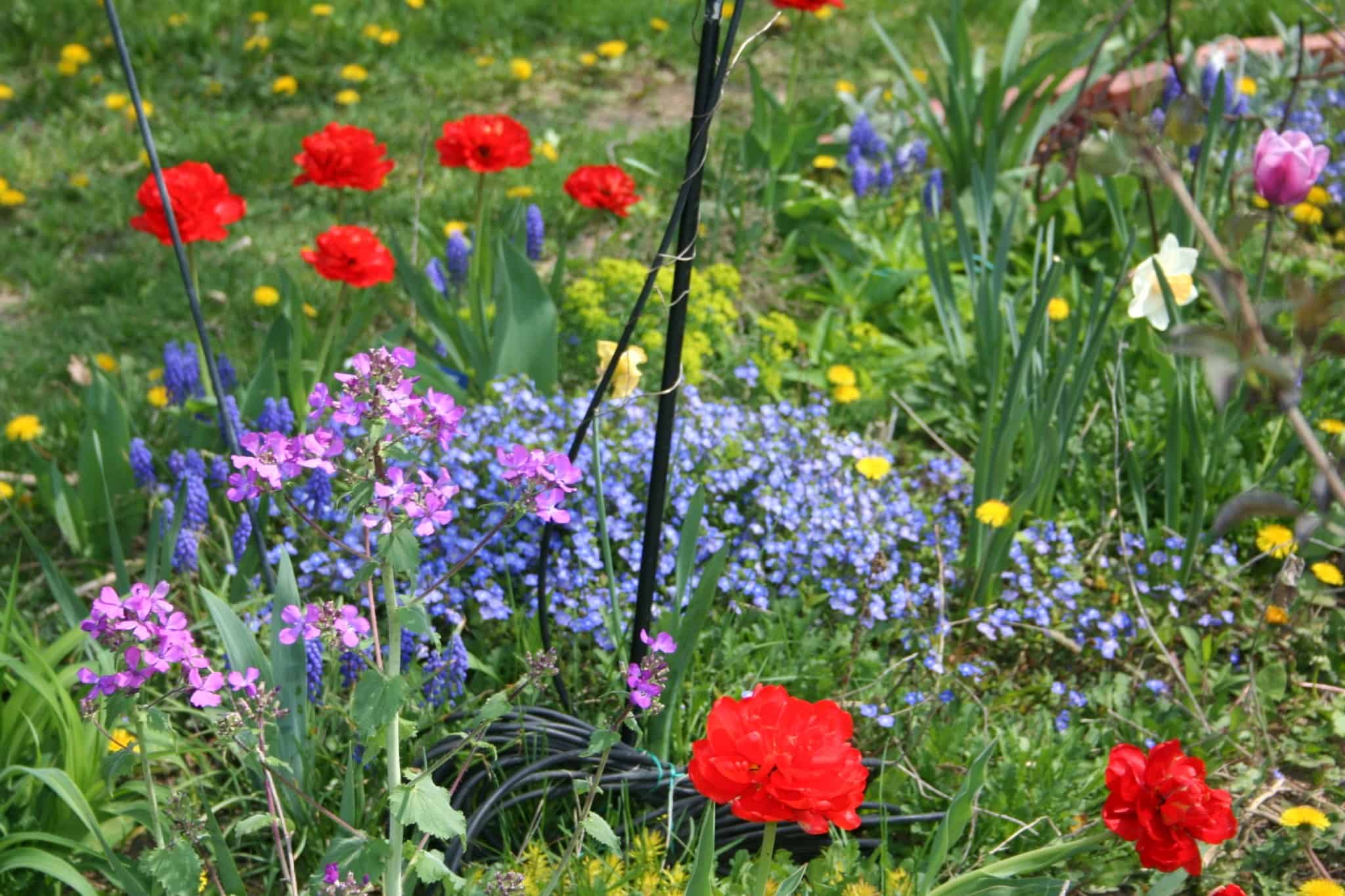
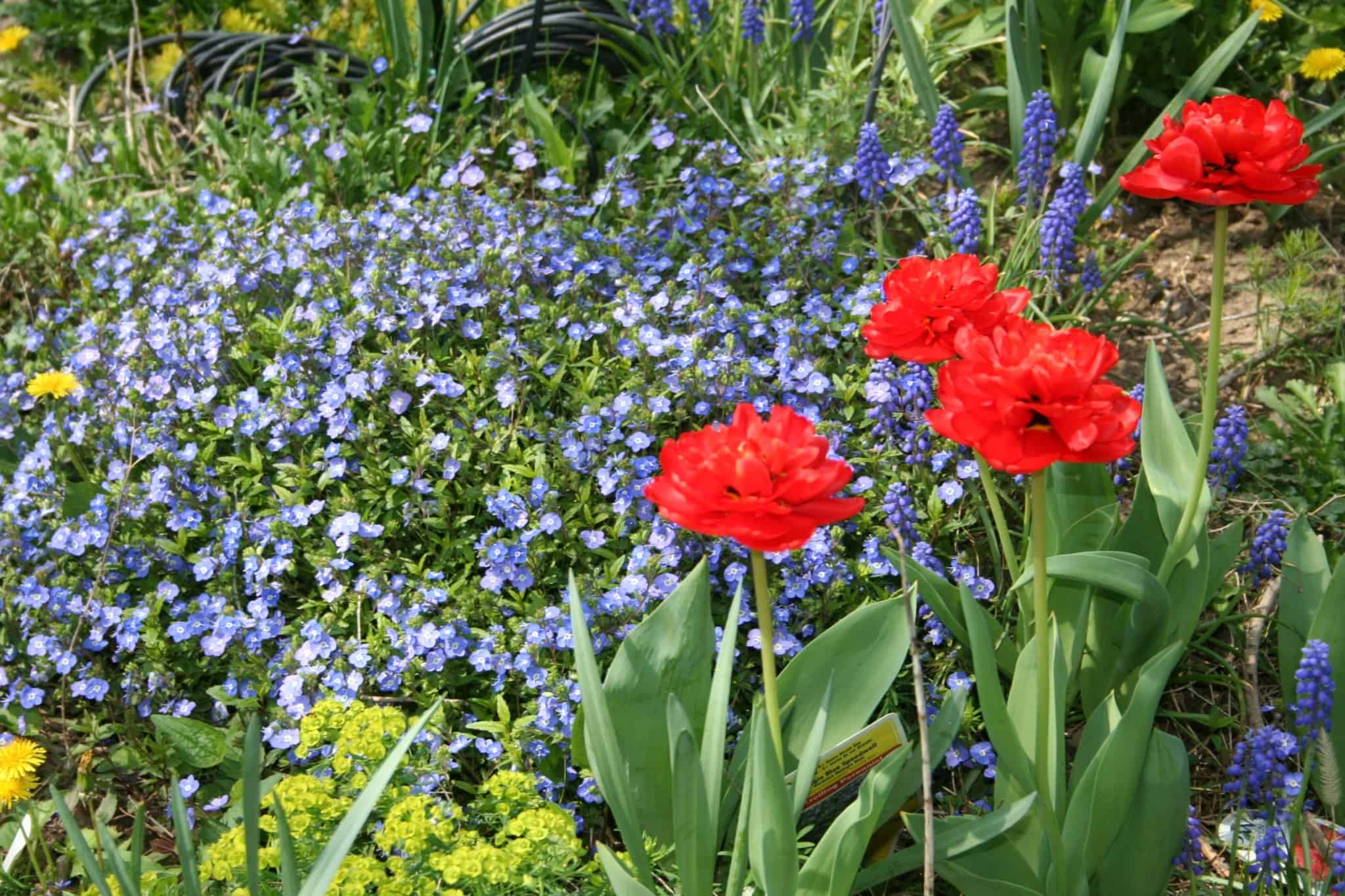
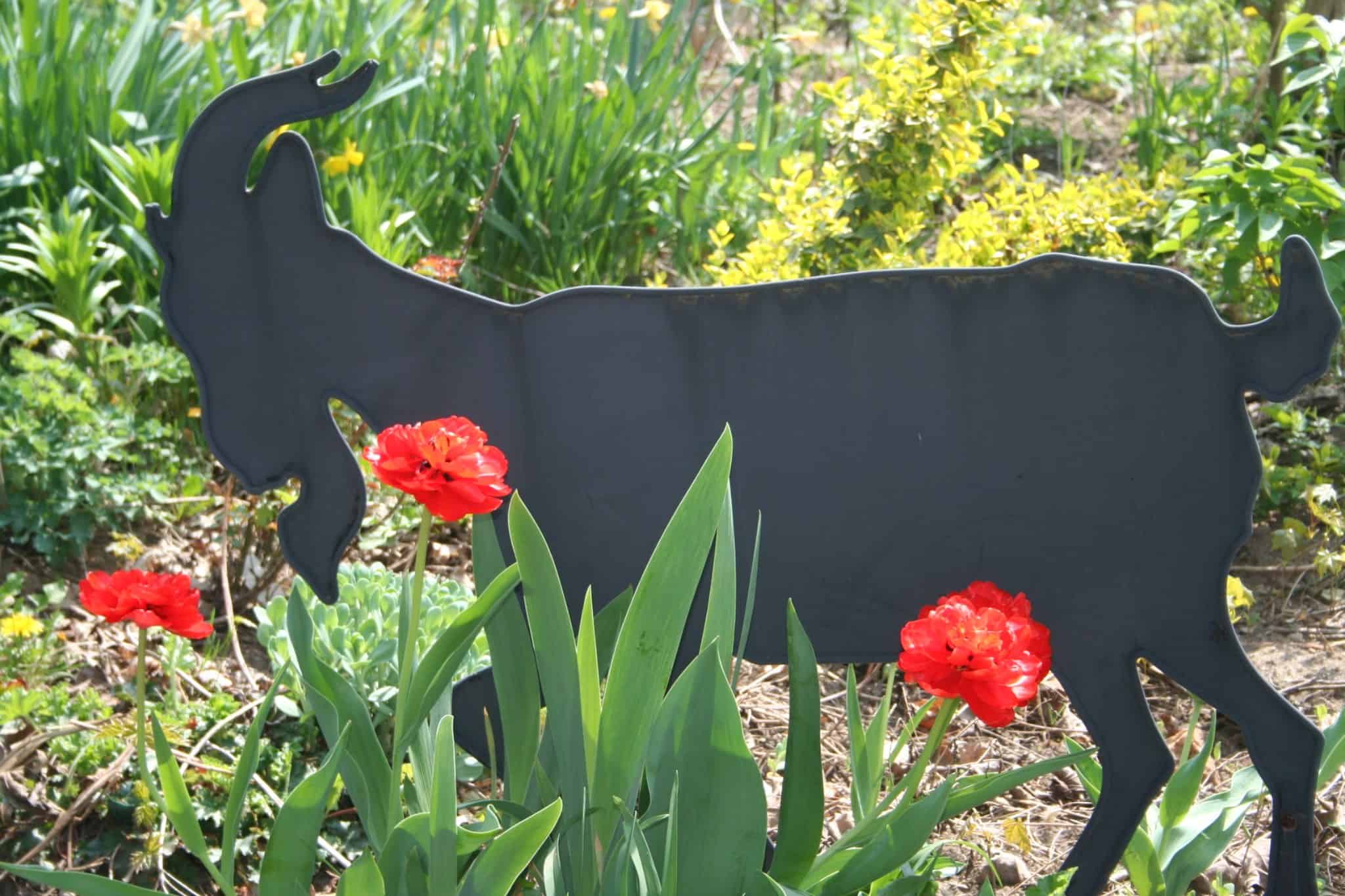
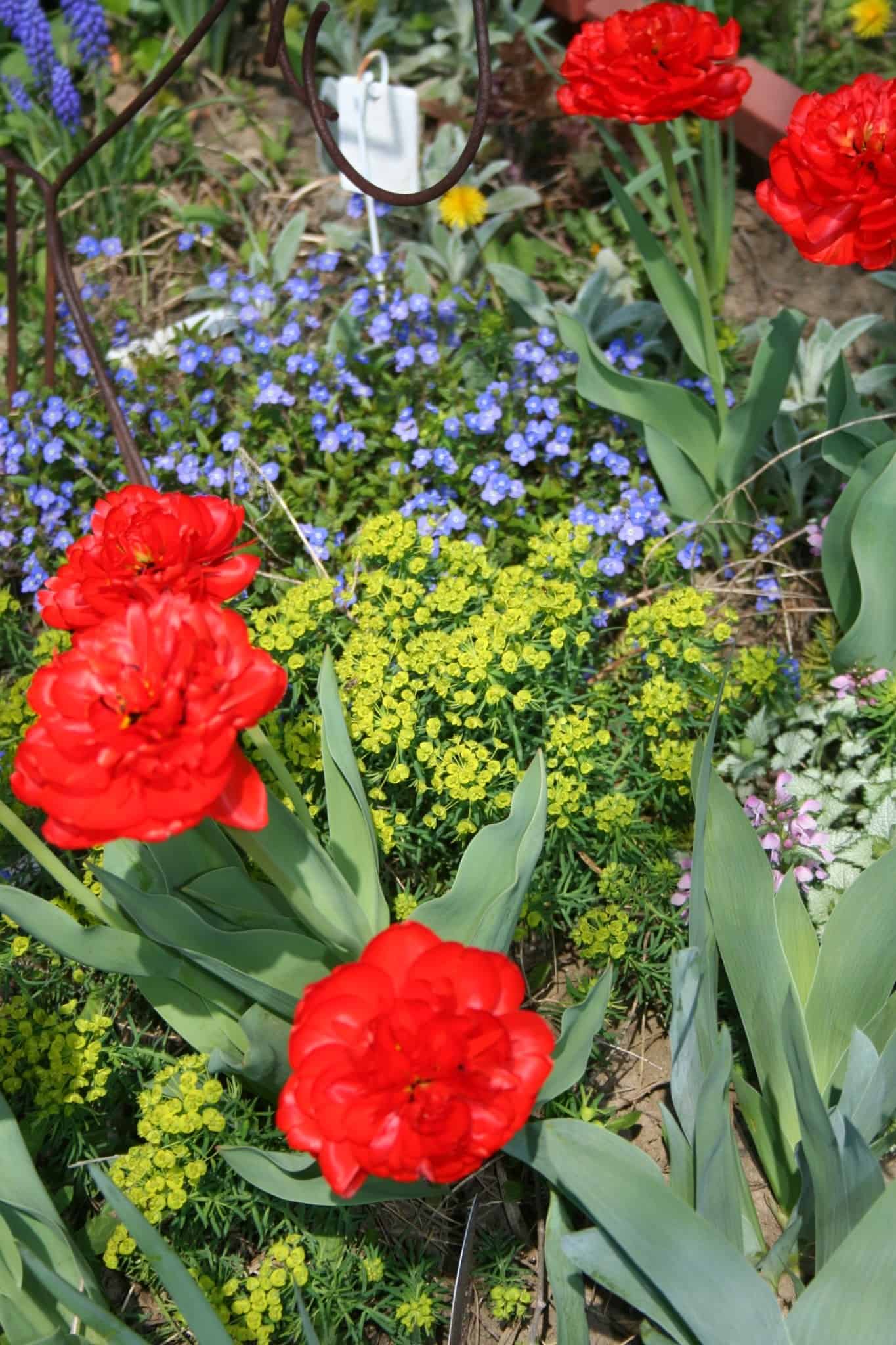
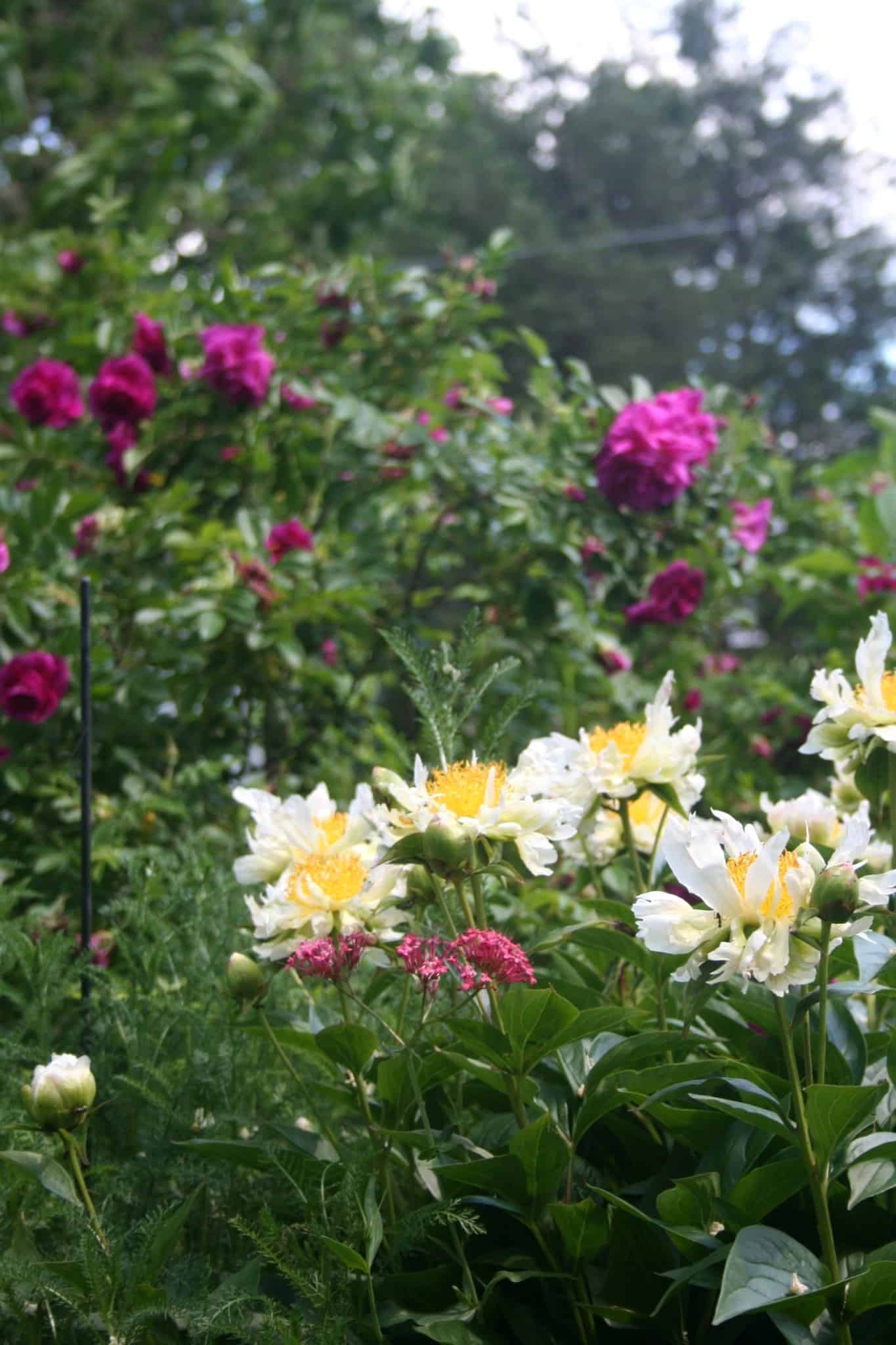
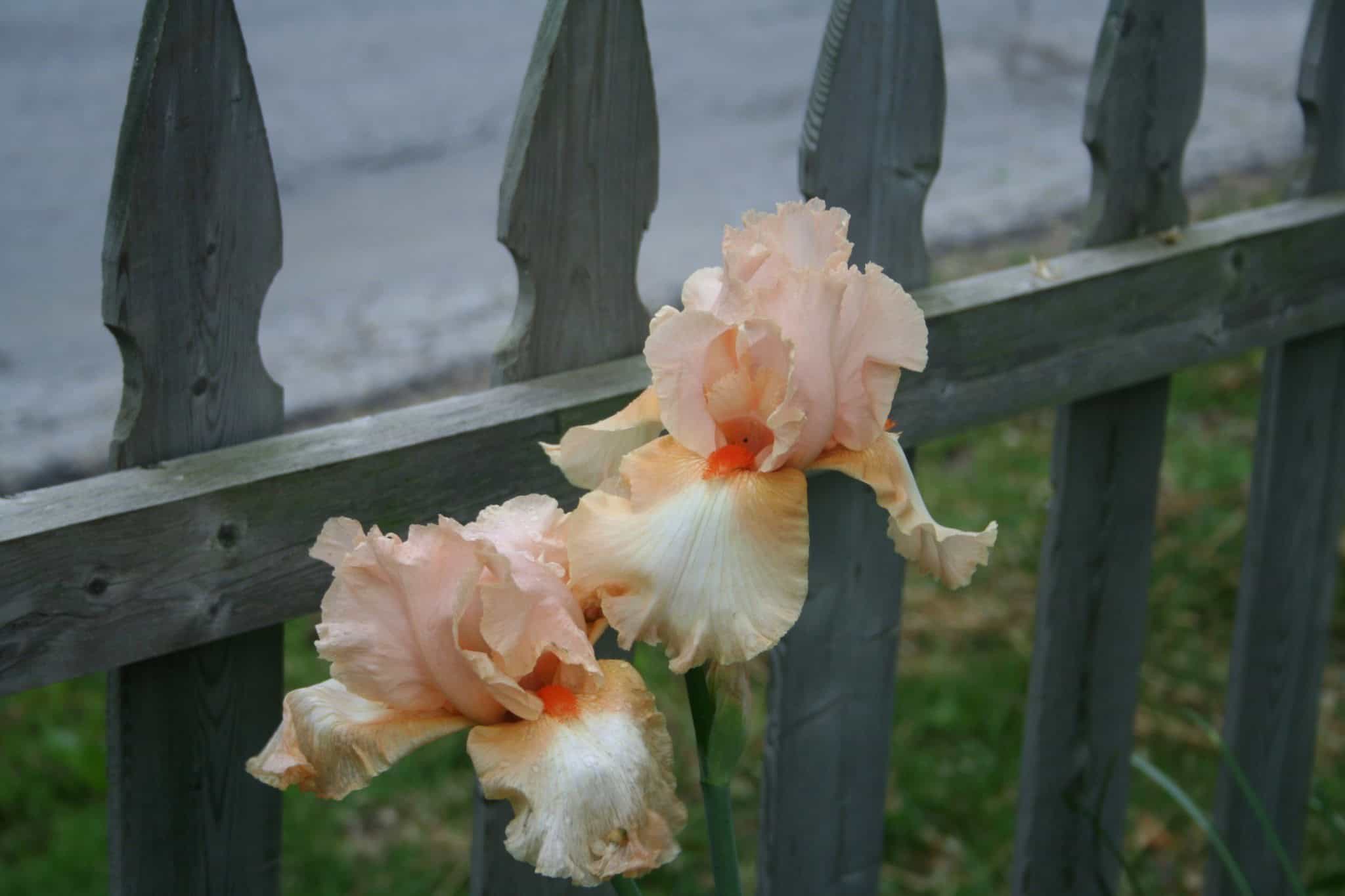
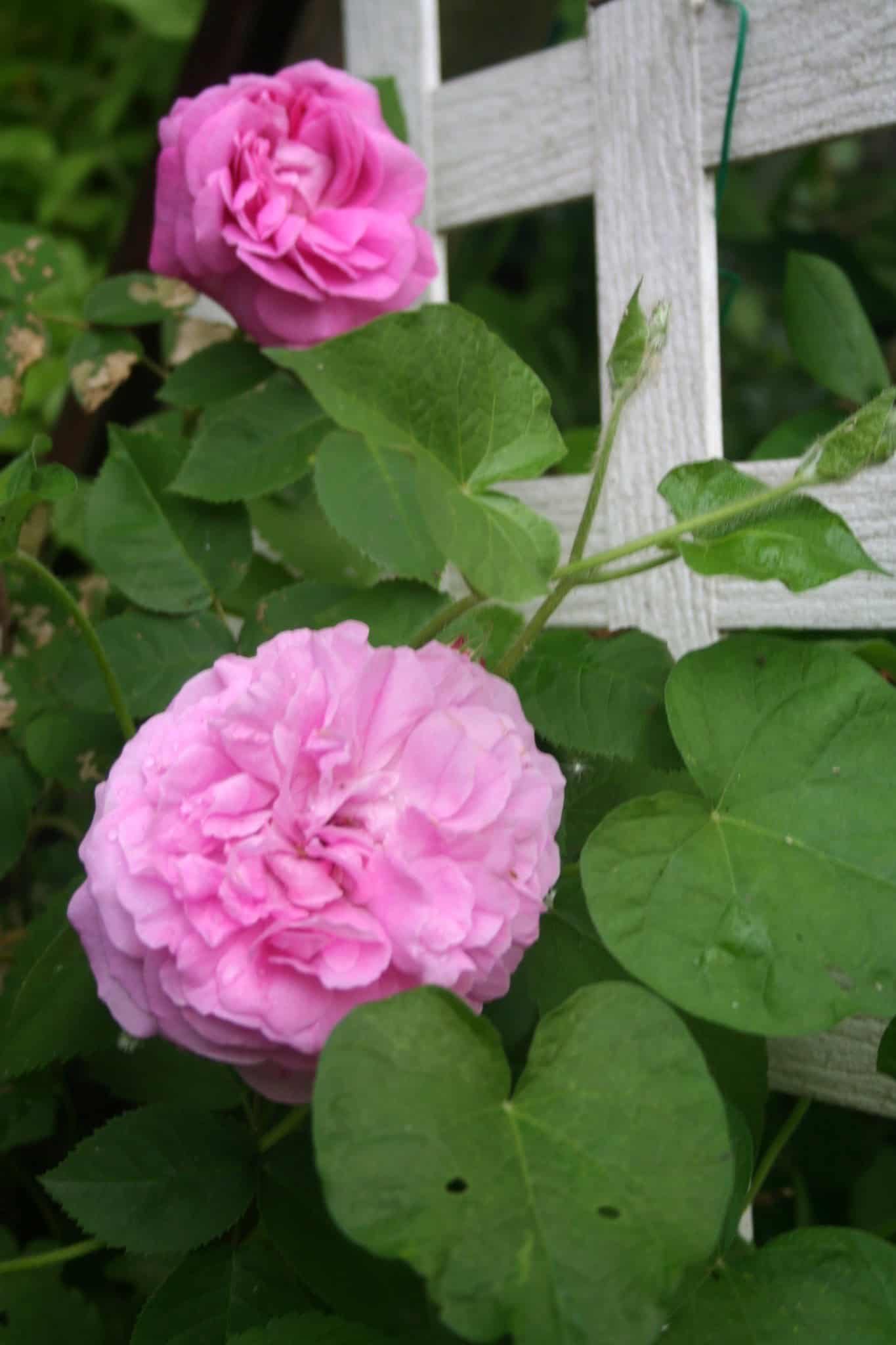
The Front Garden is one of those places where there is always something changing. Spring begins with bulbs and groundcovers weaving together, followed by iris, lilacs, peonies, roses, poppies and other flowers as the season progresses.
I like the layered look of this garden. Plants mingle instead of sitting in isolated blocks, and the combinations change naturally as one group finishes flowering and another begins.
Some of my favorite moments happen when plants I might not have deliberately paired together bloom at the same time. That is part of the fun of watching an established garden evolve from year to year.
FROM SPRING BULBS TO SUMMER BLOOMS
A Garden Built In Layers
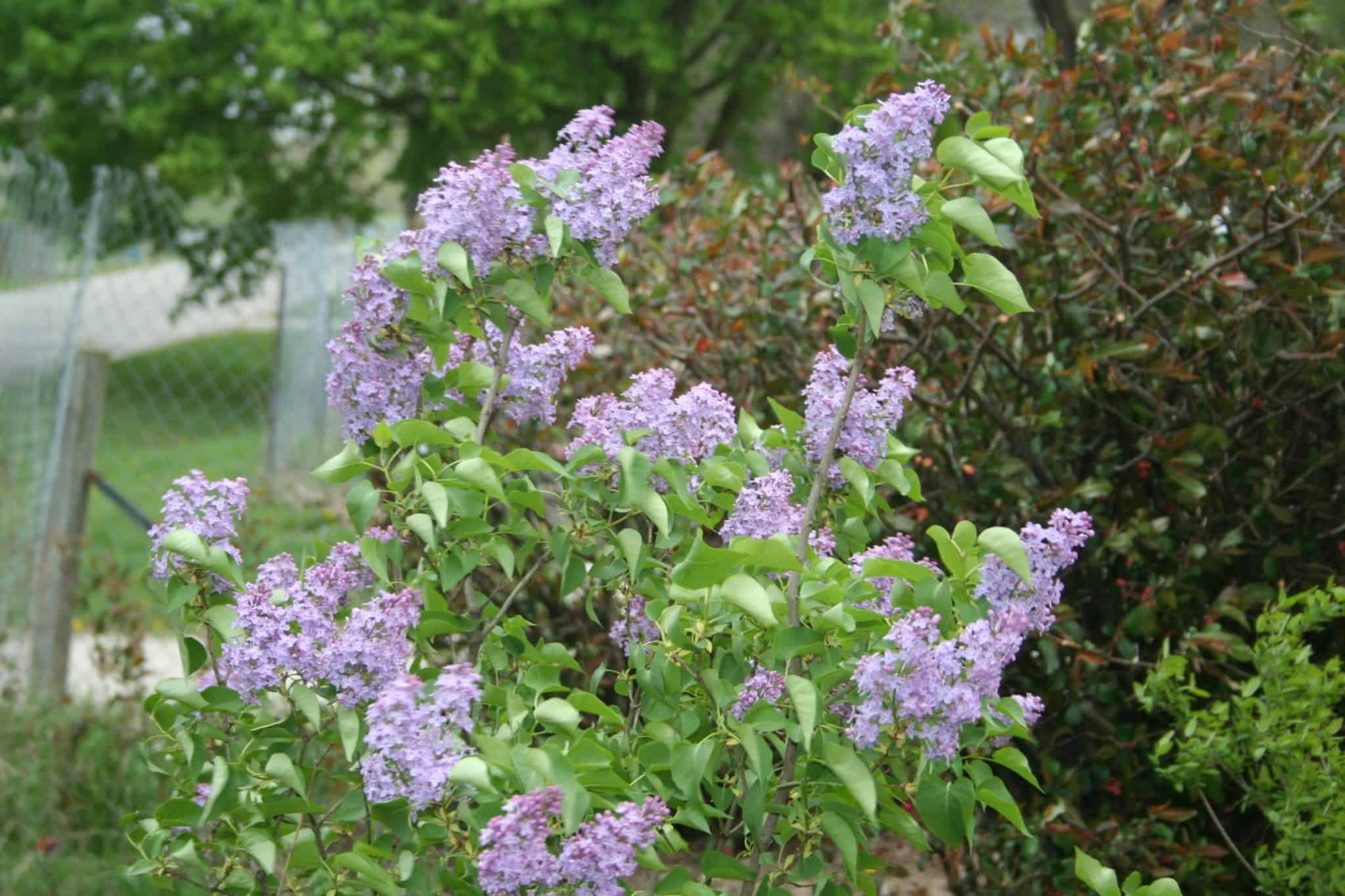
The appearance of the Front Garden changes dramatically as the growing season moves along. The jewel-like colors of the spring bulbs eventually give way to a softer garden filled with peonies, iris, lilacs and roses.
I don't expect everything here to flower at the same time. Instead, different plants take their turn. Groundcovers fill spaces between larger plants, bulbs emerge through established foliage, and later-blooming plants gradually become the focus.
That succession is one of the things I enjoy most about this garden. There is always another flower opening, another combination appearing or something unexpected waiting to be noticed.
Explore The Front Garden →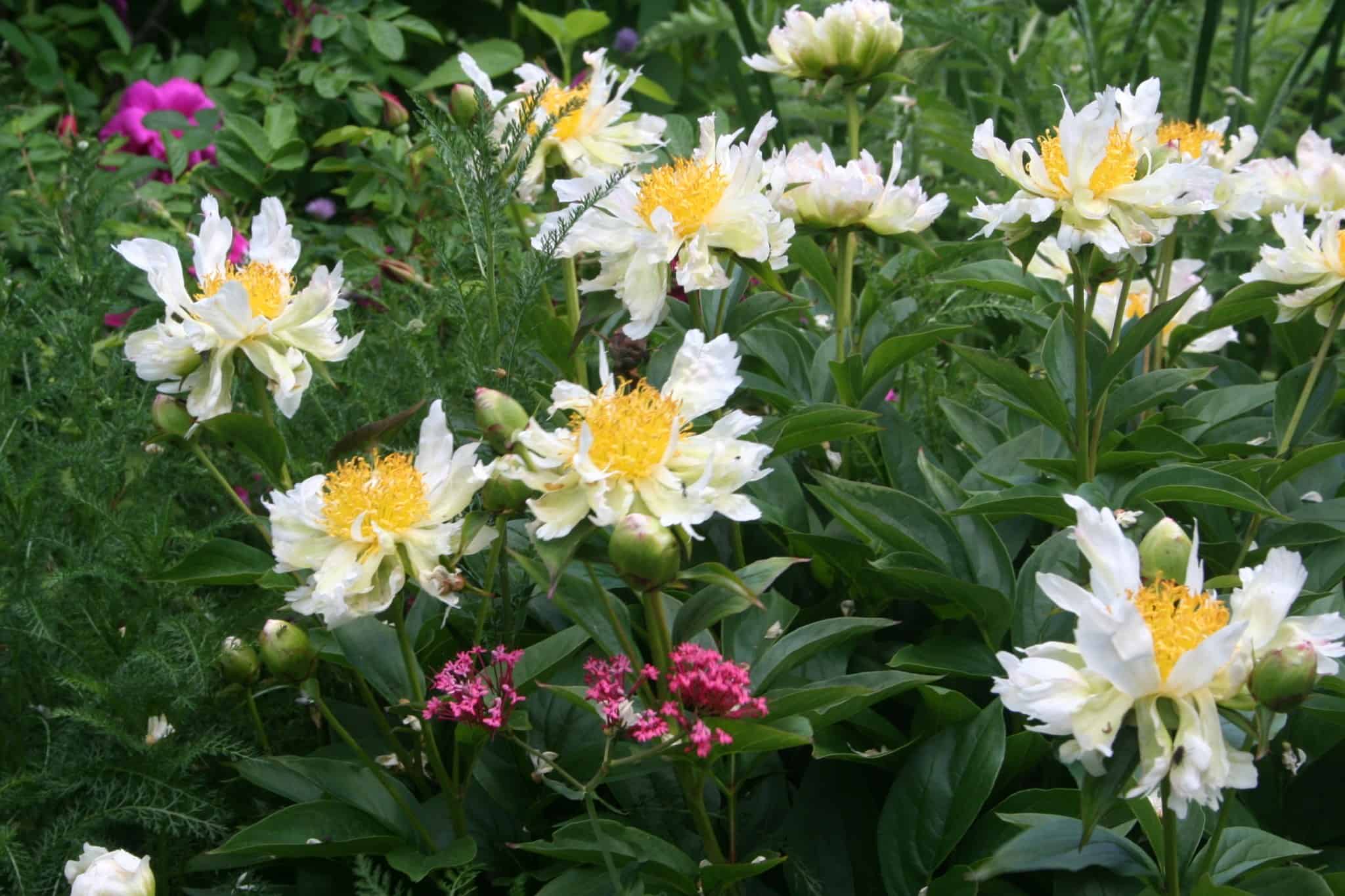
LOOK A LITTLE CLOSER
There Is Always Something To Discover
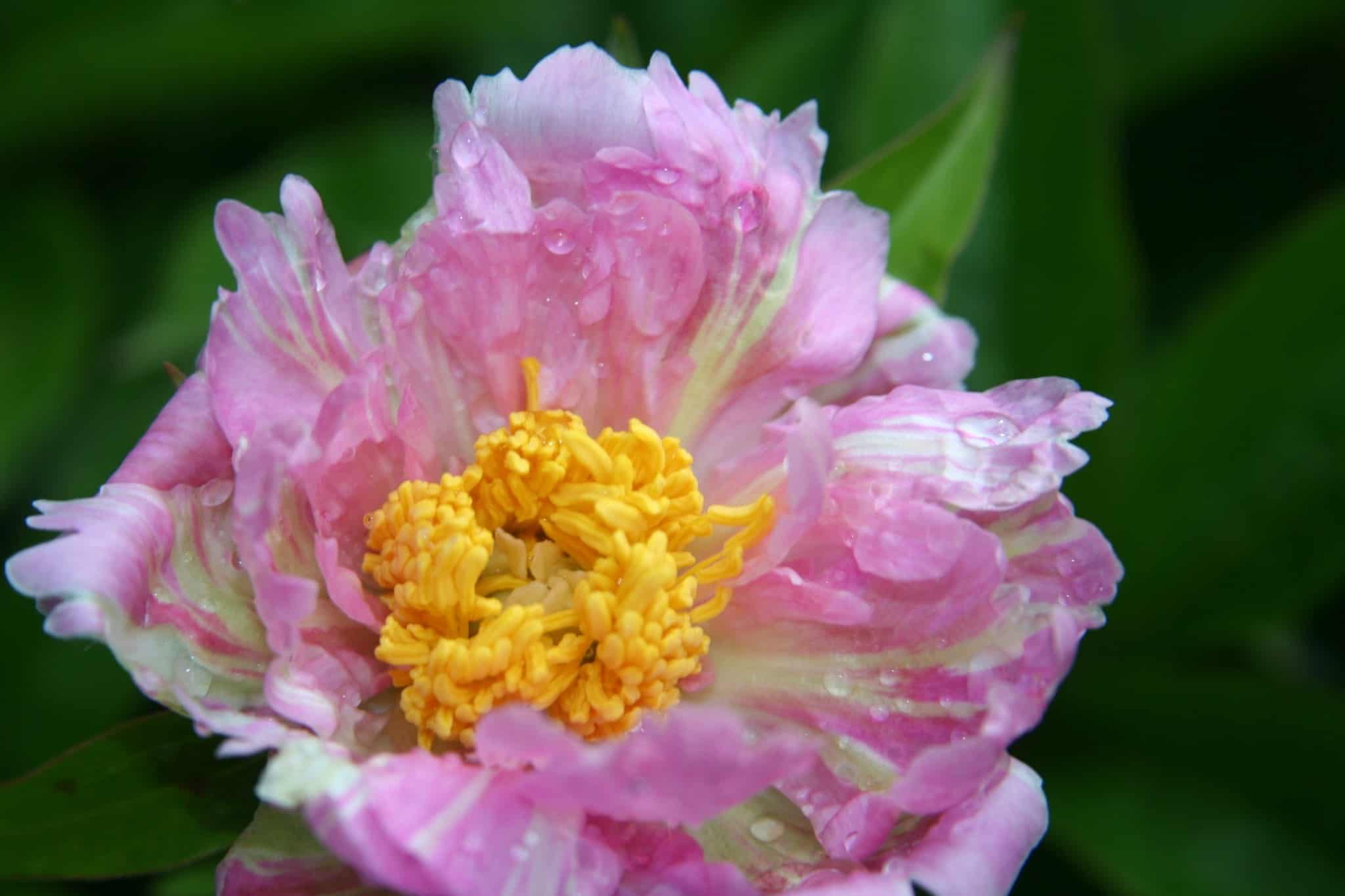
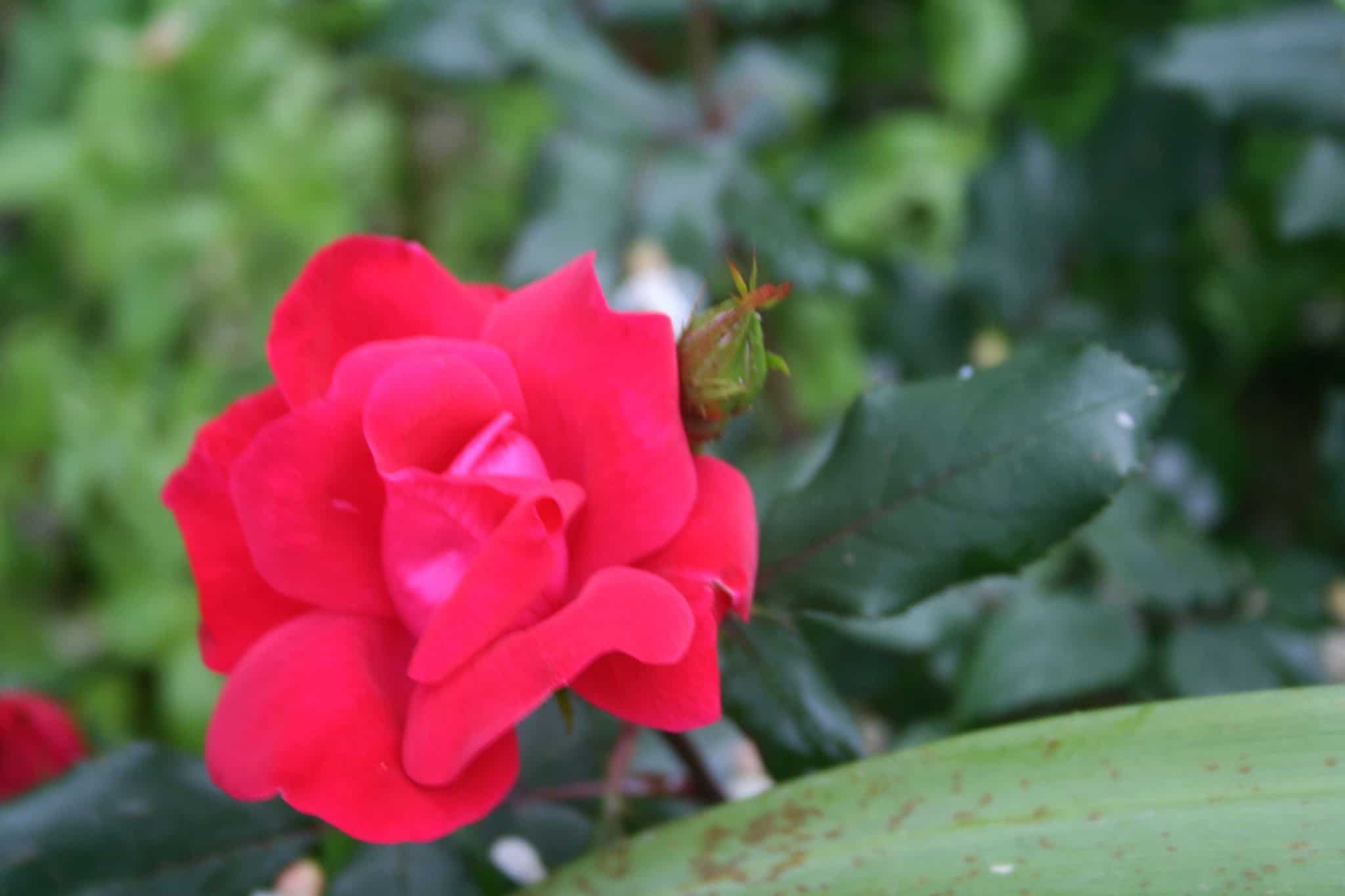
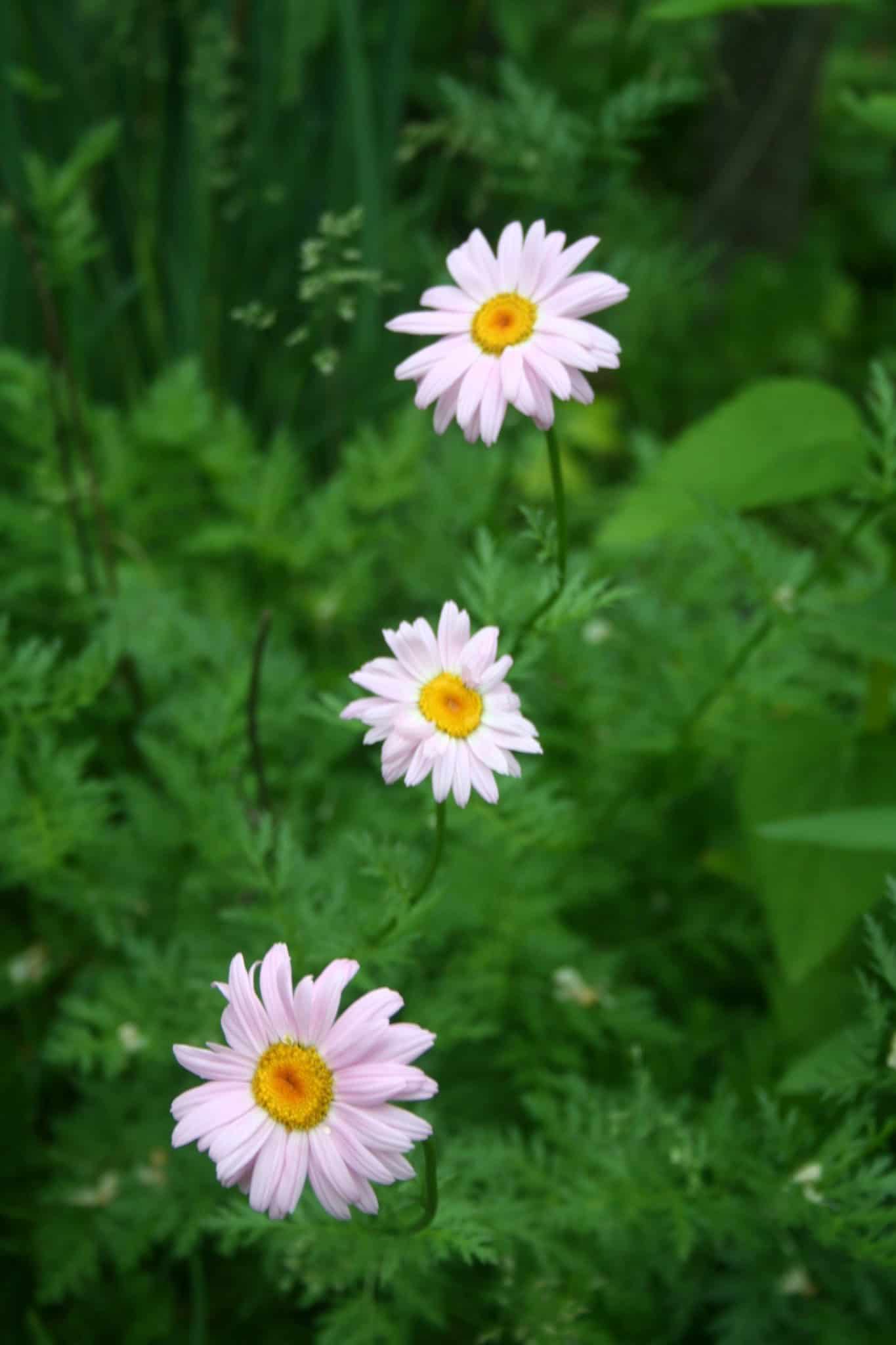
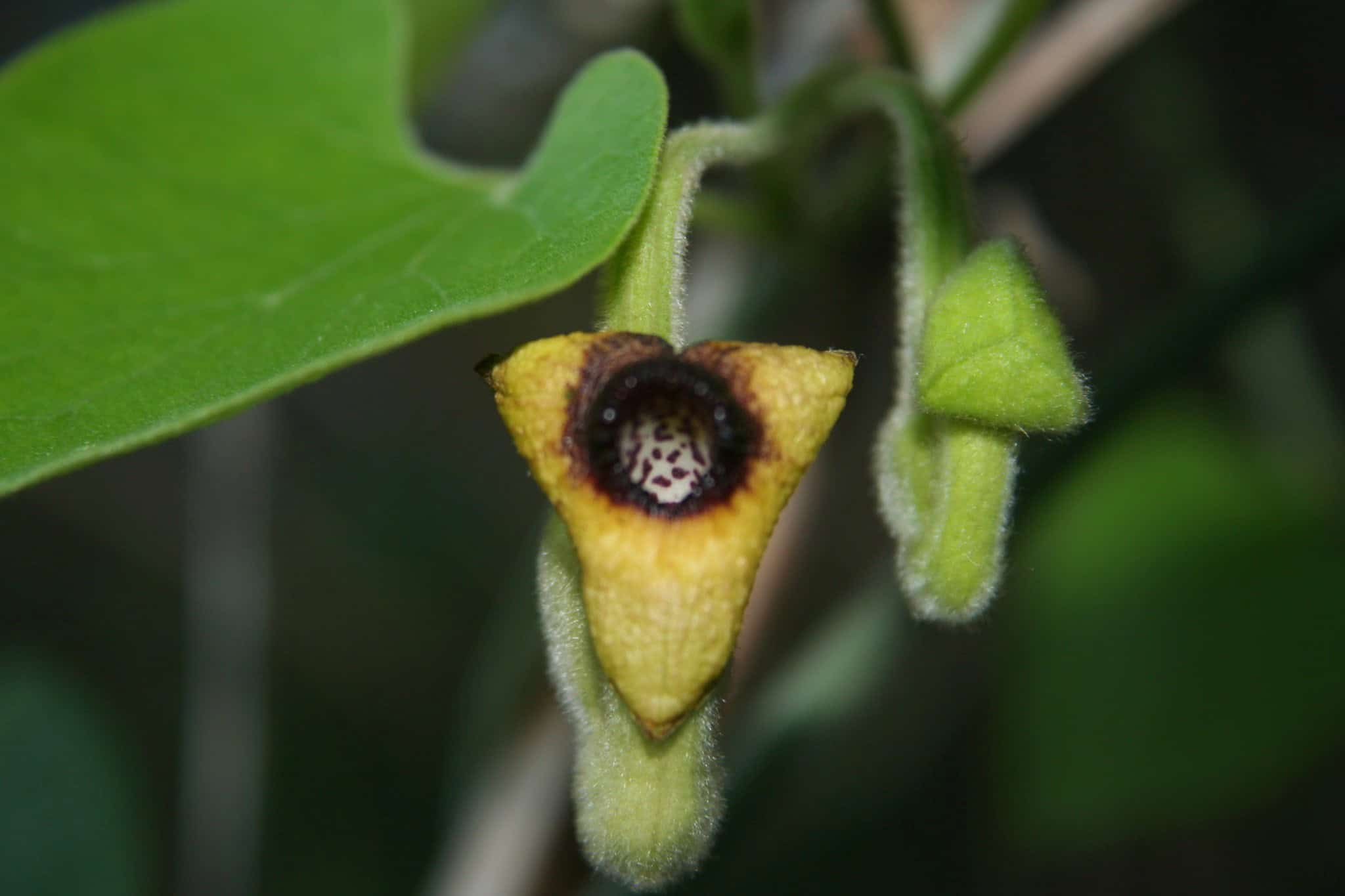
The wider views tell part of the story, but some of my favorite things in the Front Garden are the individual flowers and unusual details that are easy to miss unless you stop and look closely.
GARDEN #3
The Shade Garden
A woodland garden where foliage matters as much as flowers
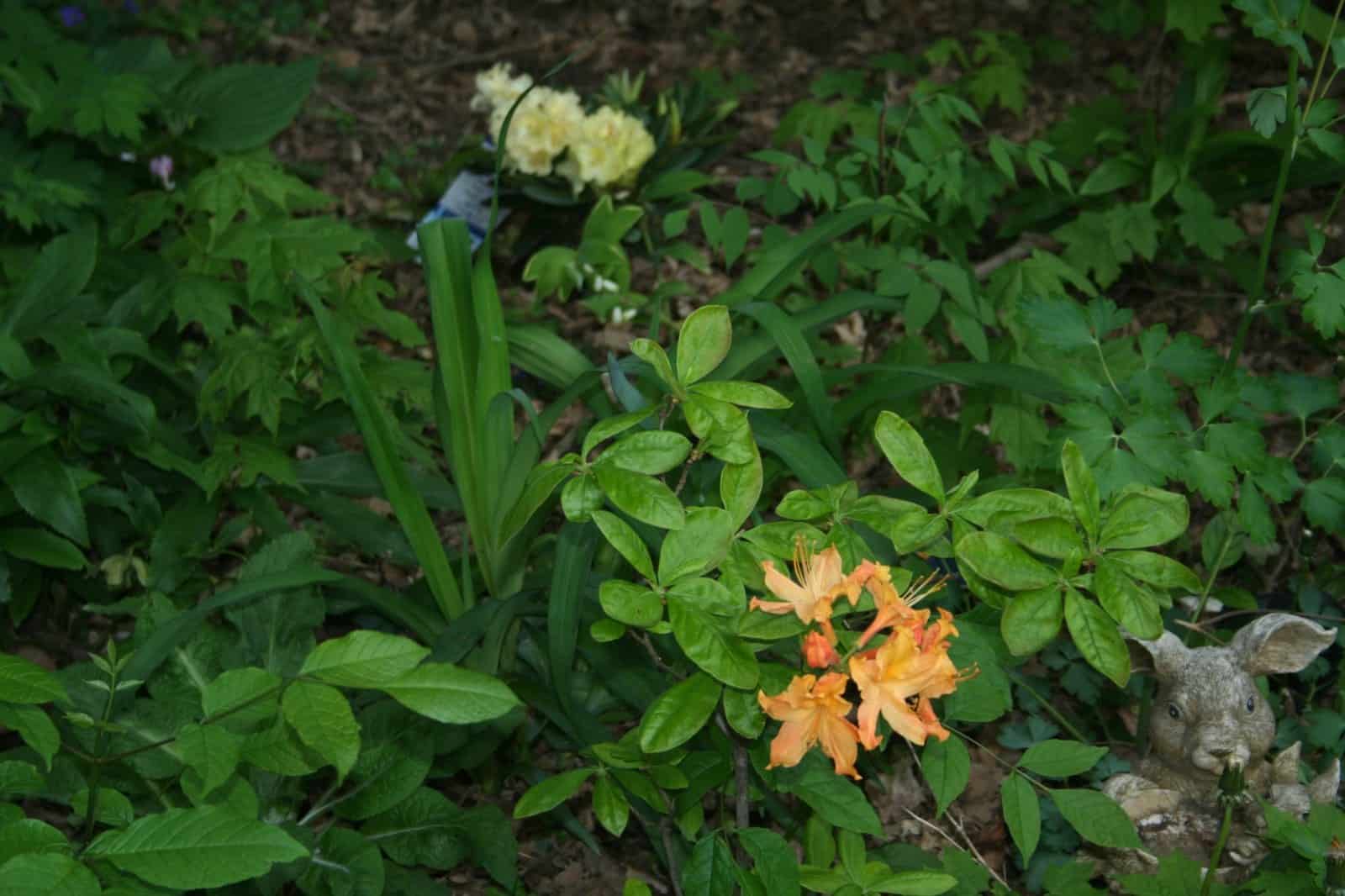
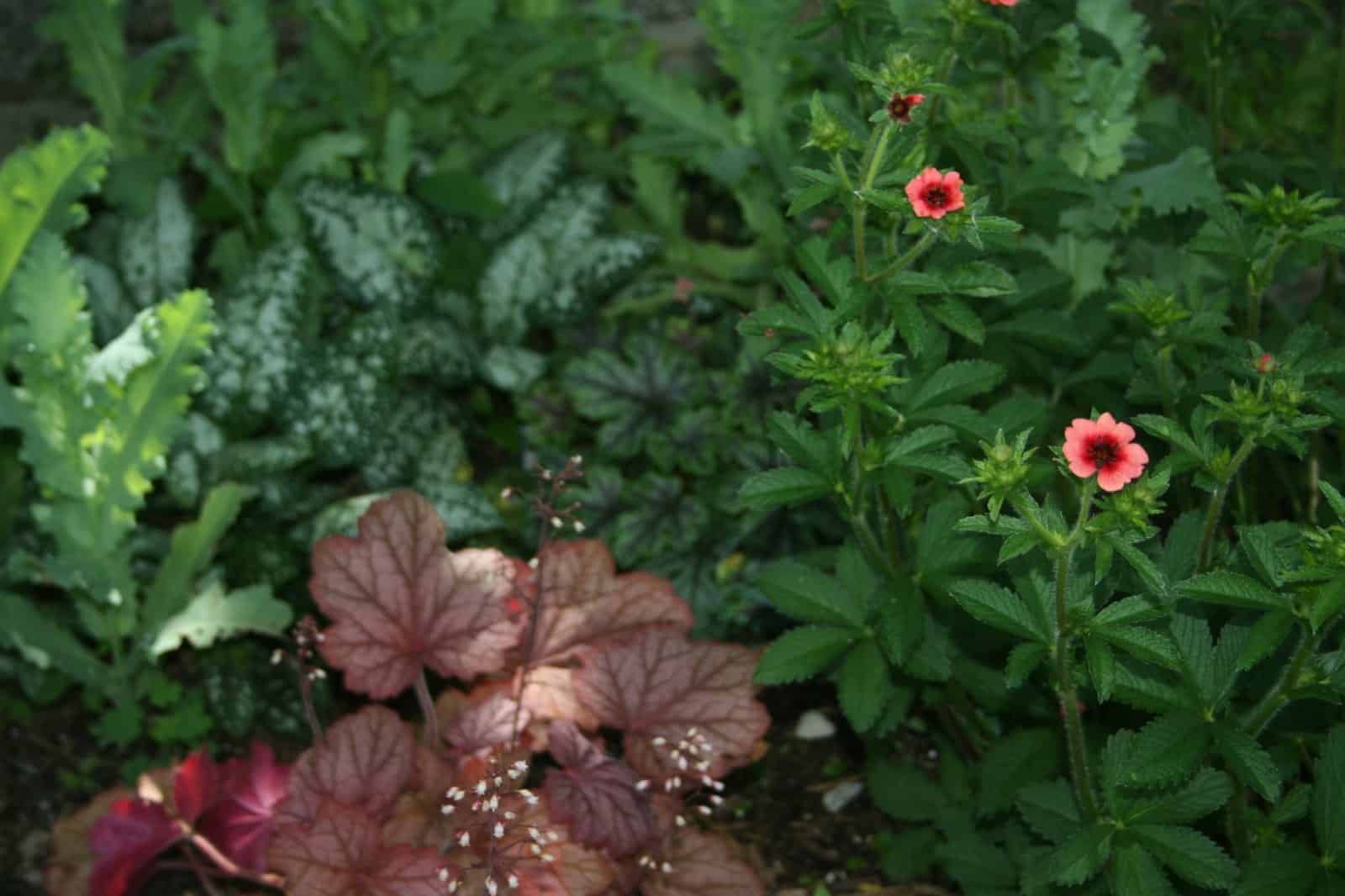
The Shade Garden is one of those places where the closer you look, the more there is to see. Rather than depending on masses of sun-loving flowers, this part of the garden is built around layers of foliage, woodland plants, early spring bloomers and unexpected little details tucked among the leaves.
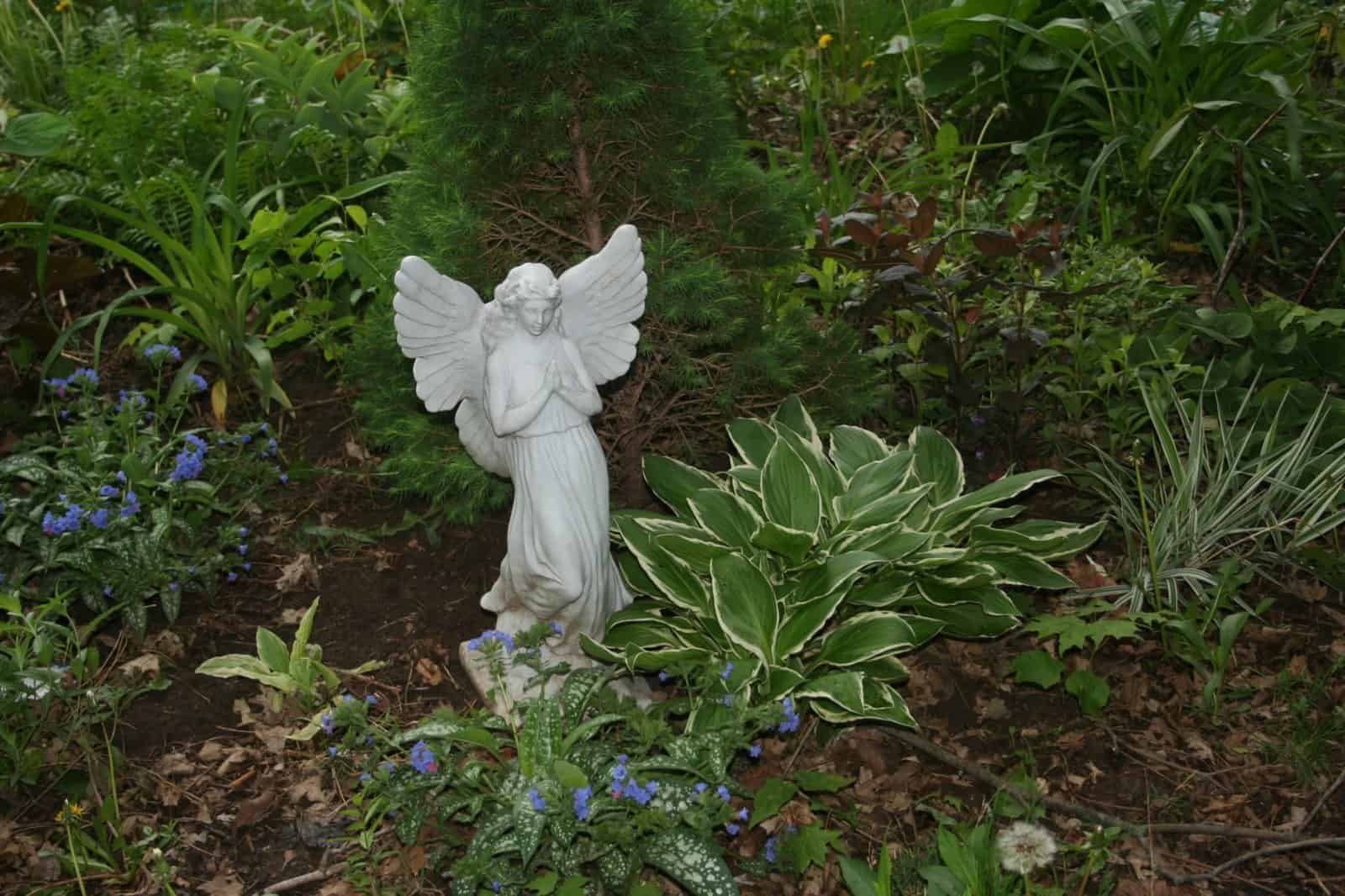
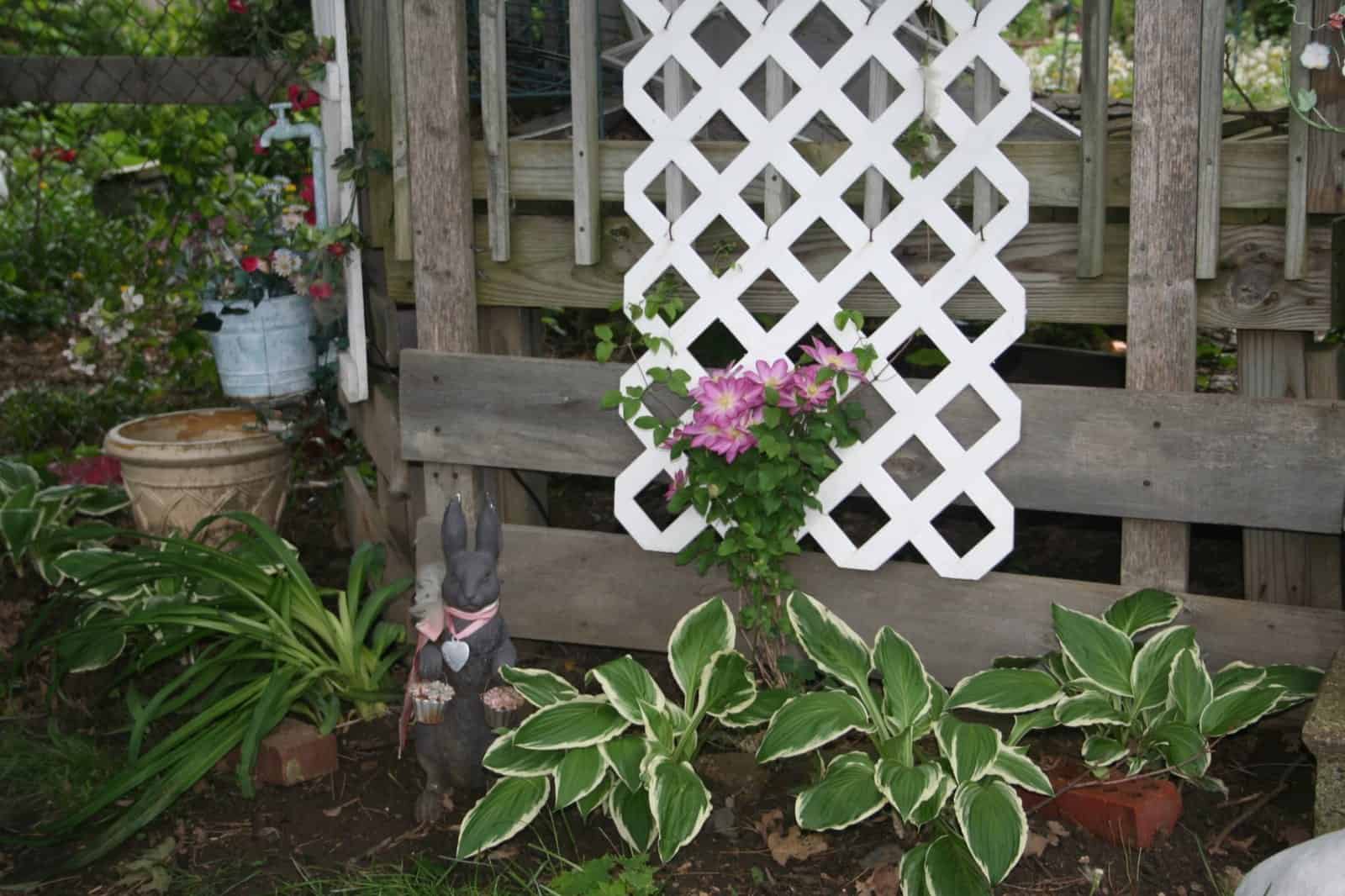
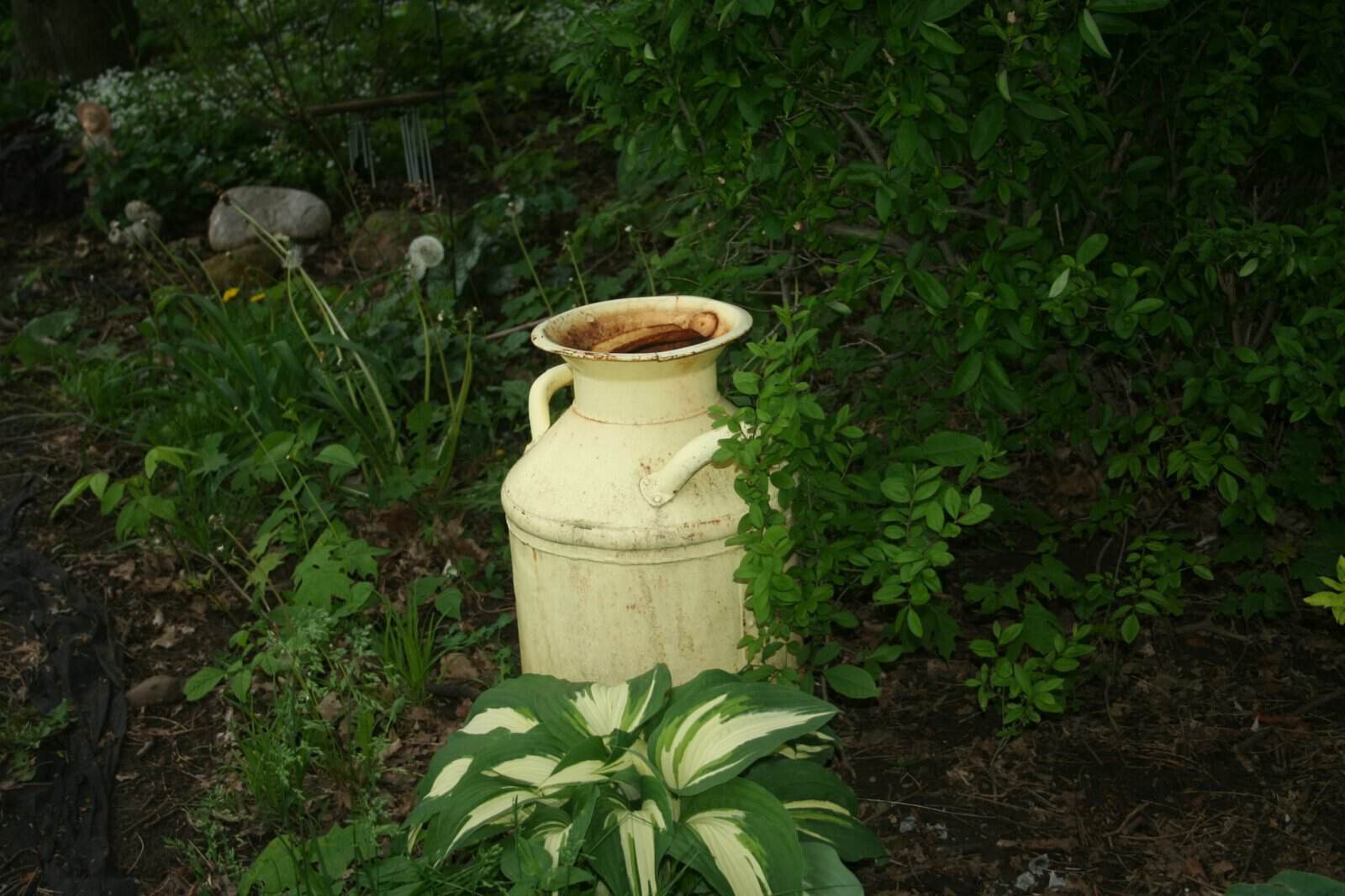
Hostas, pulmonaria, heuchera, hellebores and other shade-loving plants mingle with garden art and flowering shrubs. Some plants make a bold statement while others reveal themselves only when you slow down and look beneath the foliage.
That is part of what I enjoy about this garden. It changes constantly through the seasons, and some of its most interesting moments are the quiet ones that are easy to miss if you walk through too quickly.
FOLIAGE, FLOWERS & GARDEN ART
A Garden Built In Layers
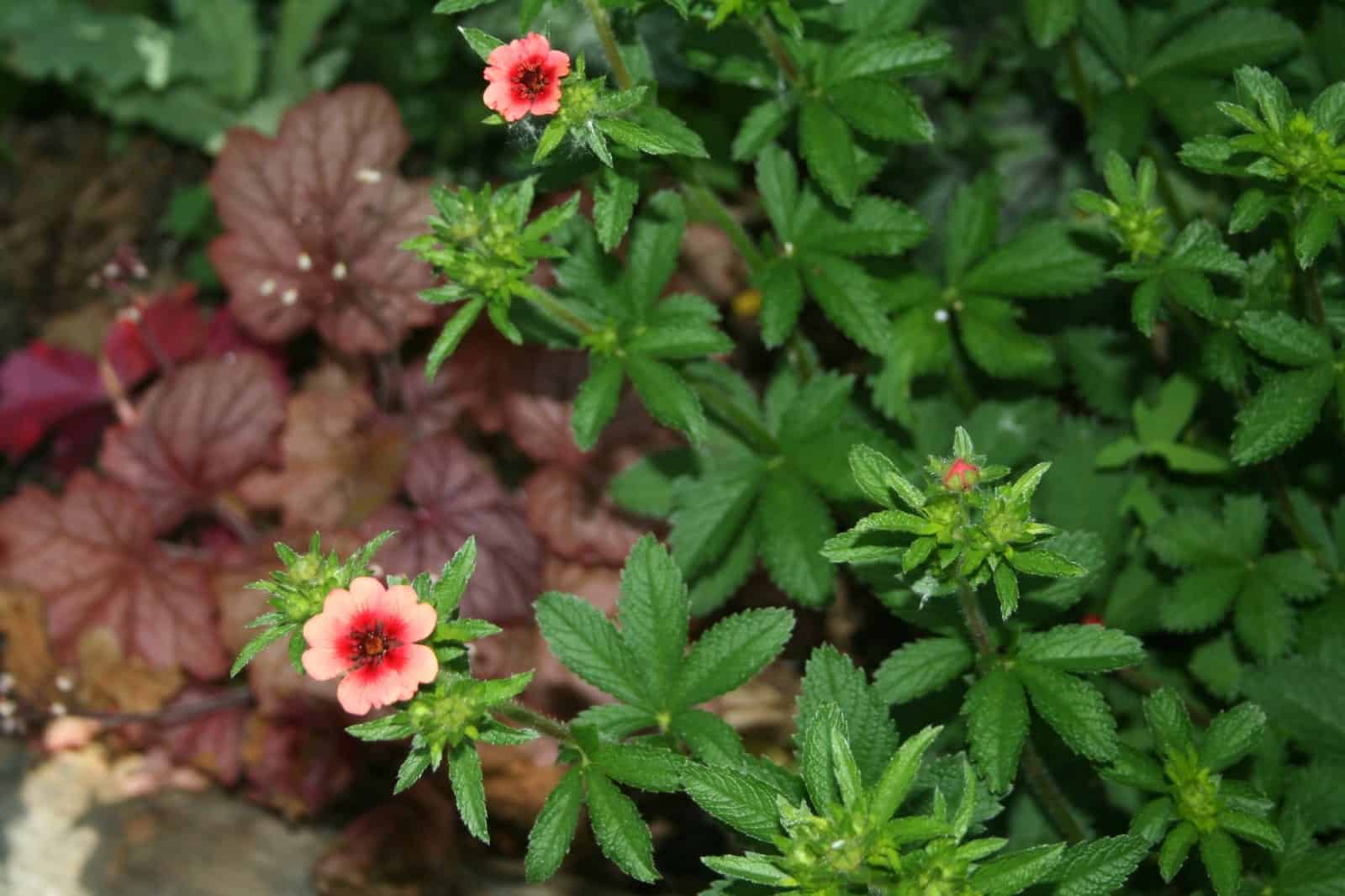
One of my favorite things about gardening in shade is that foliage becomes every bit as important as flowers. Different leaf shapes, colors and textures keep the garden interesting even when relatively little is blooming.
Heuchera and pulmonaria are especially good examples. Their leaves create color and contrast long after individual flowers have faded, while hostas add another range of shapes, sizes and patterns.
Garden ornaments become part of those layers too, appearing and disappearing as the plants grow around them. That mixture of plants, objects and changing light gives this garden much of its personality.
Explore The Shade Garden →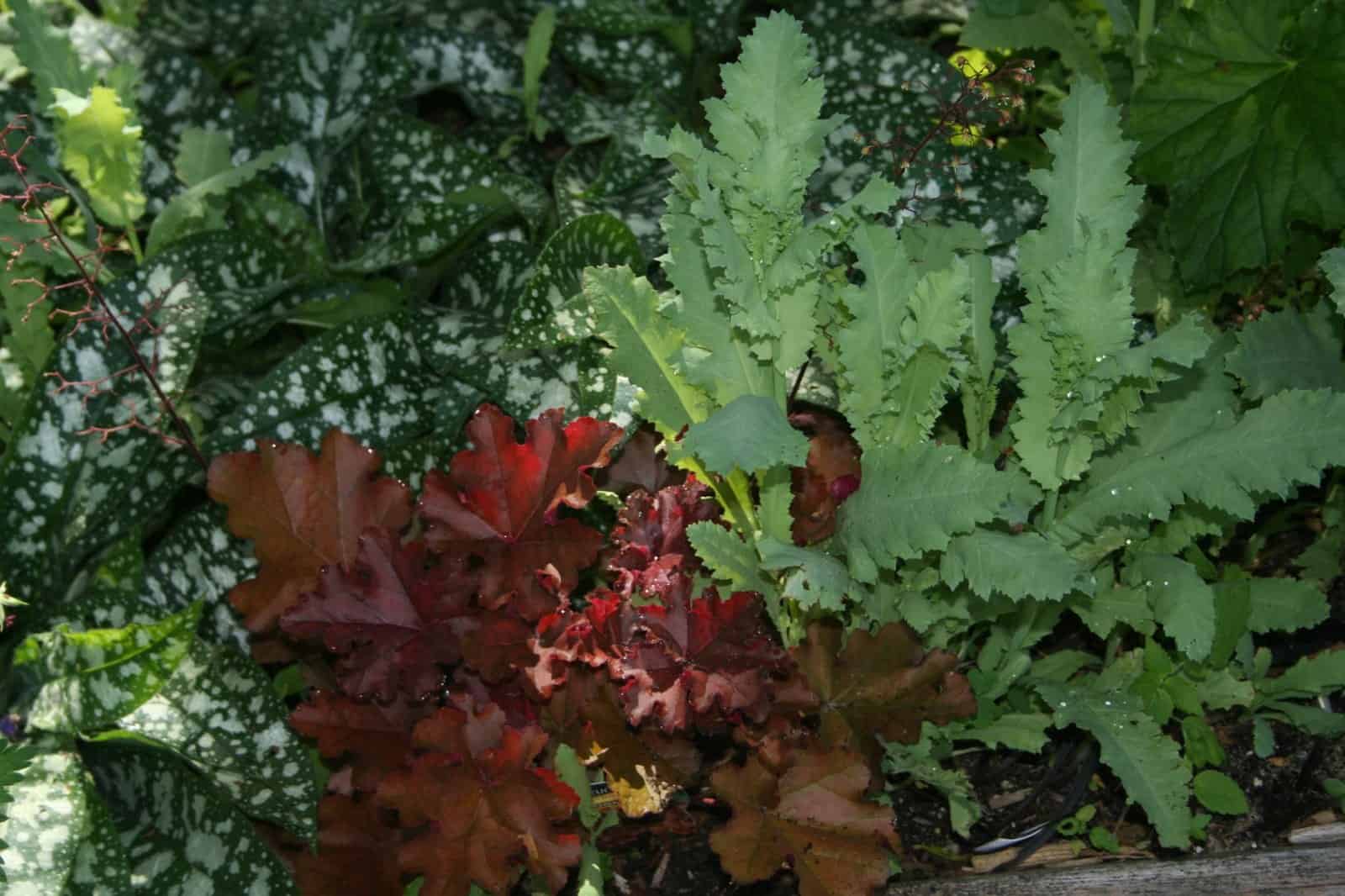
SPRING BENEATH THE TREES
Spring Begins Before The Canopy Fills In
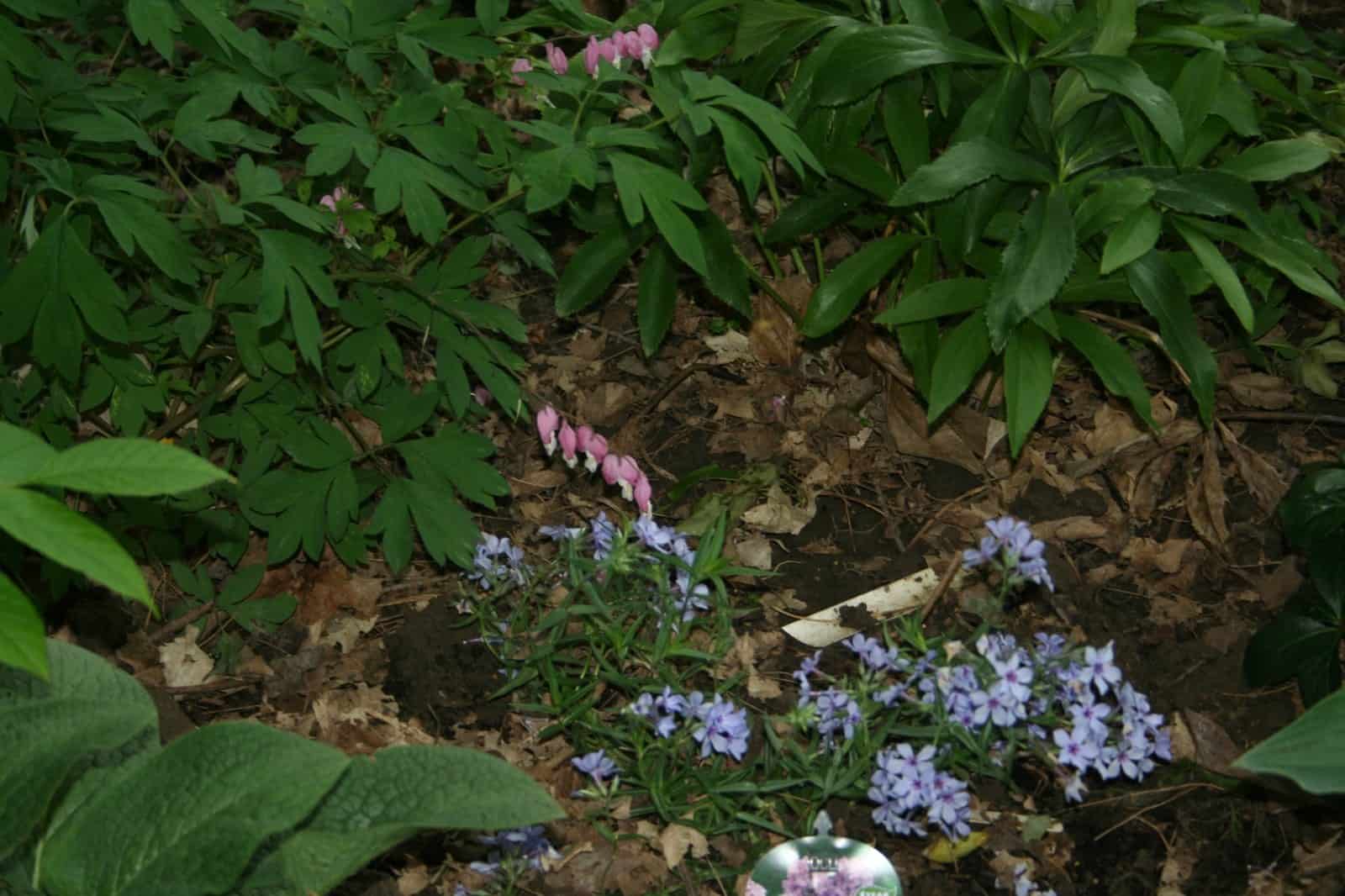
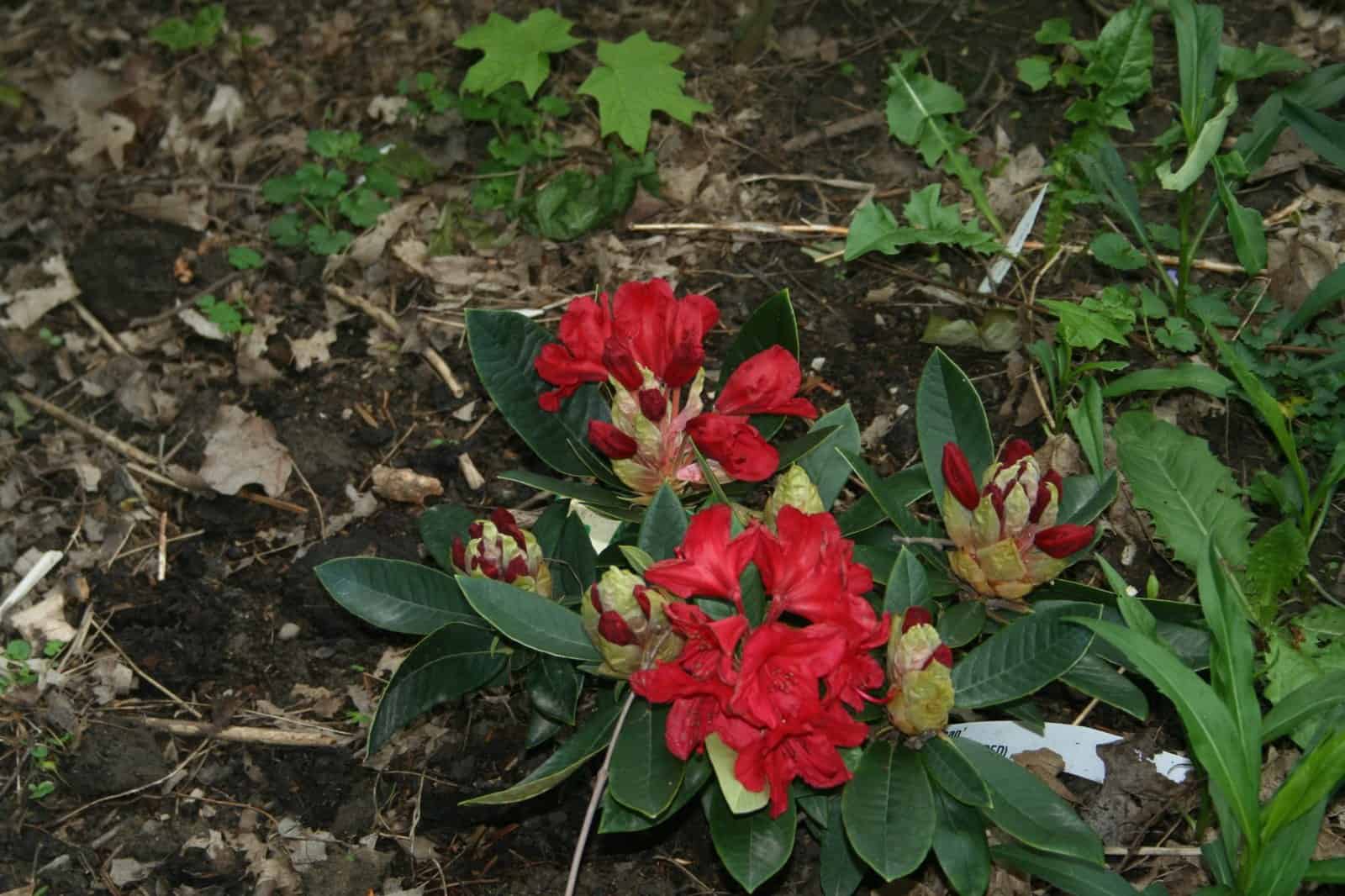
The Shade Garden changes quickly in spring. Plants take advantage of the light reaching the ground before the tree canopy completely fills in. Bleeding hearts and other woodland flowers emerge while flowering shrubs add larger splashes of color around them.
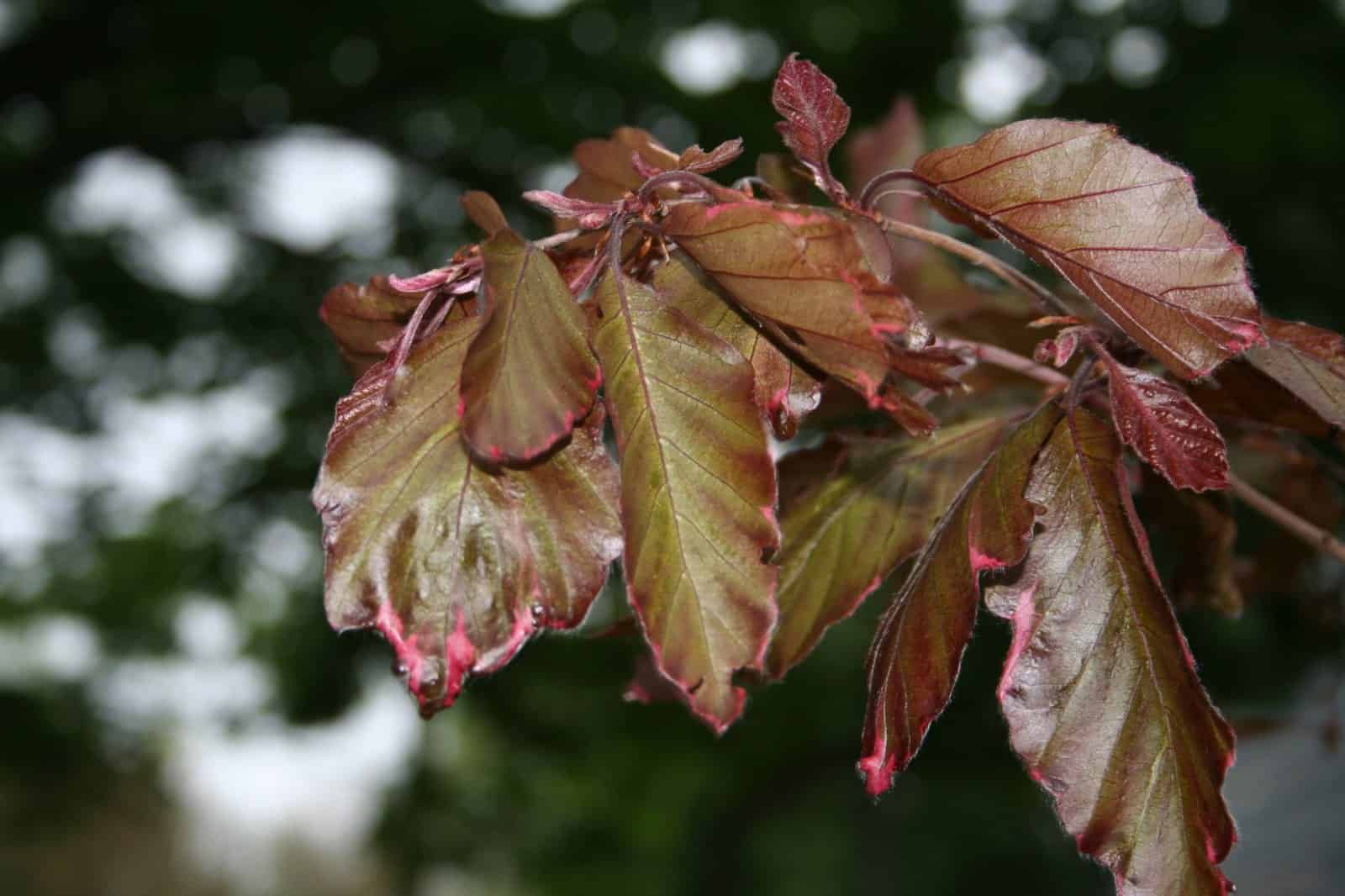
Even the foliage becomes part of the spring show. The emerging leaves of the tricolor beech bring copper, burgundy and green into the garden while the plants beneath it begin another growing season.
FLOWERS WHEN YOU LEAST EXPECT THEM
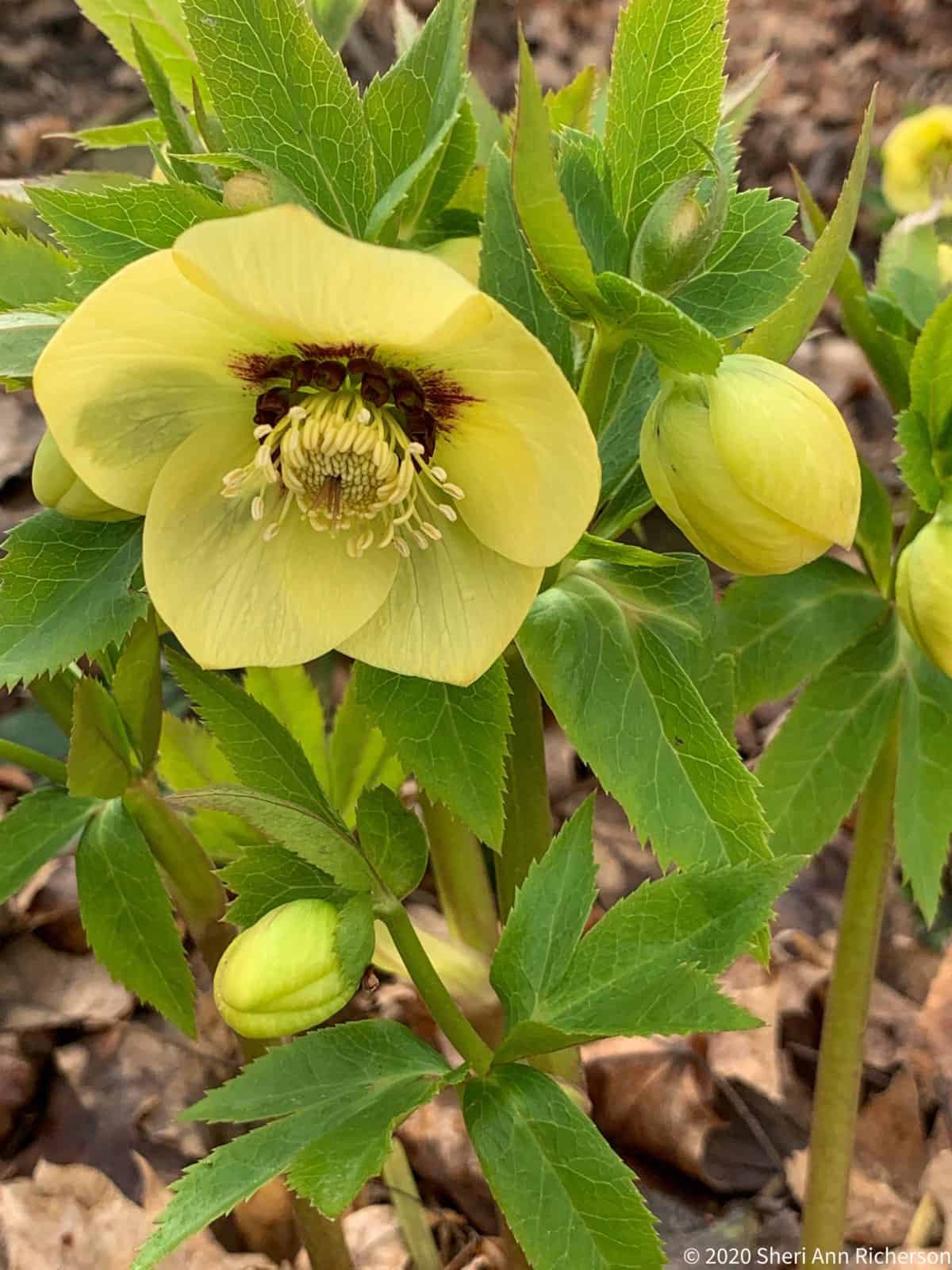
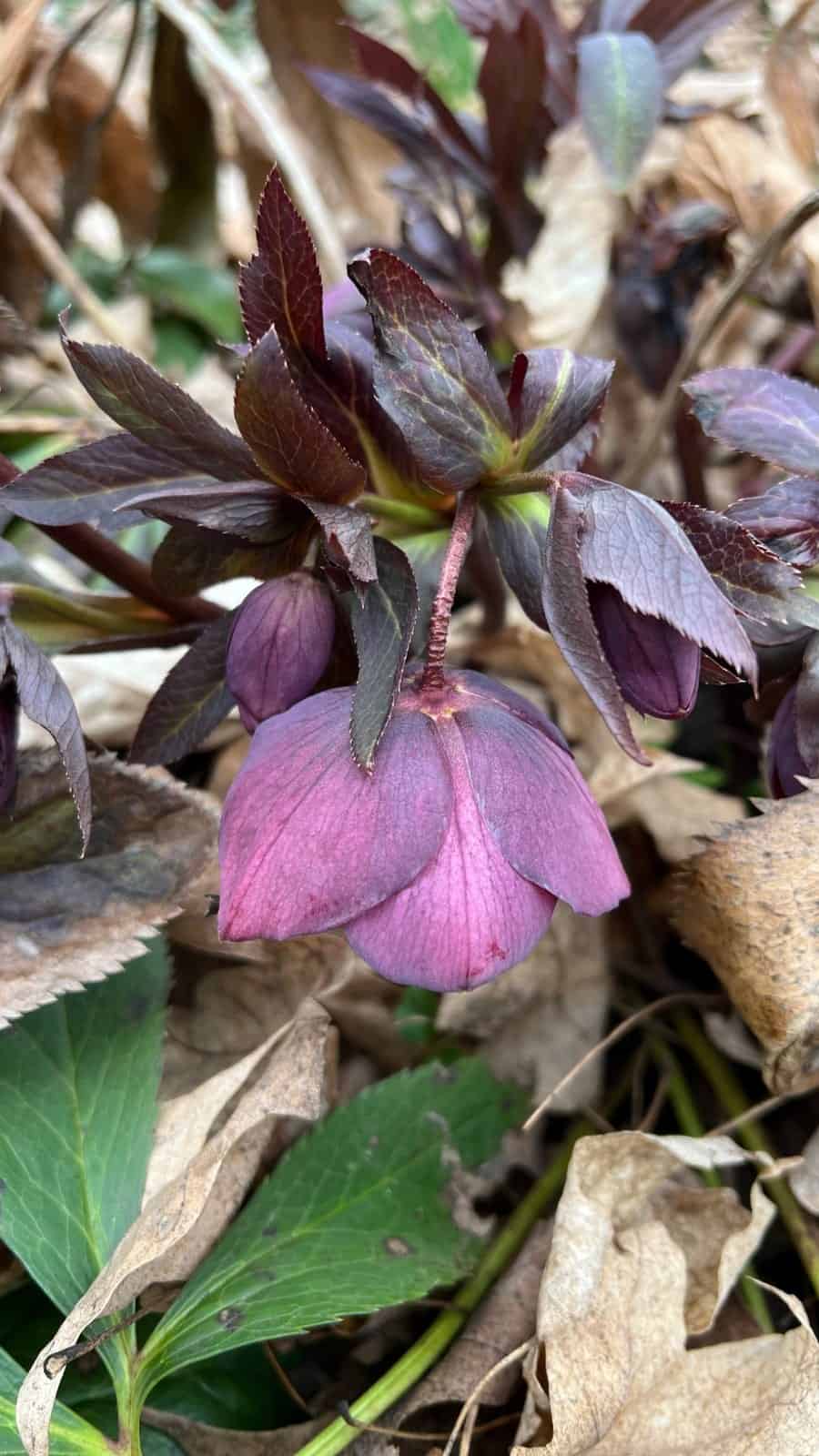
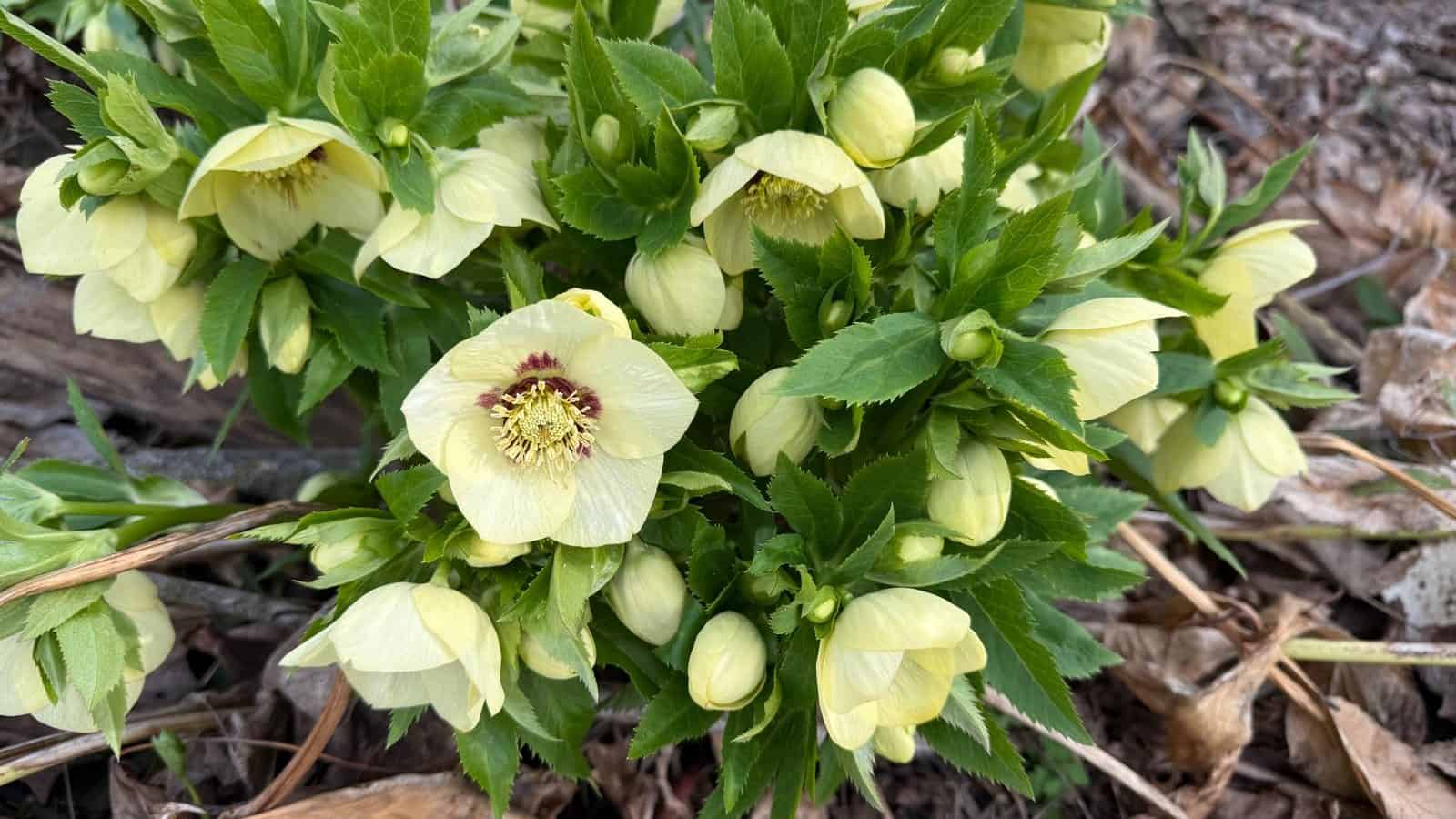
Hellebores In The Shade Garden
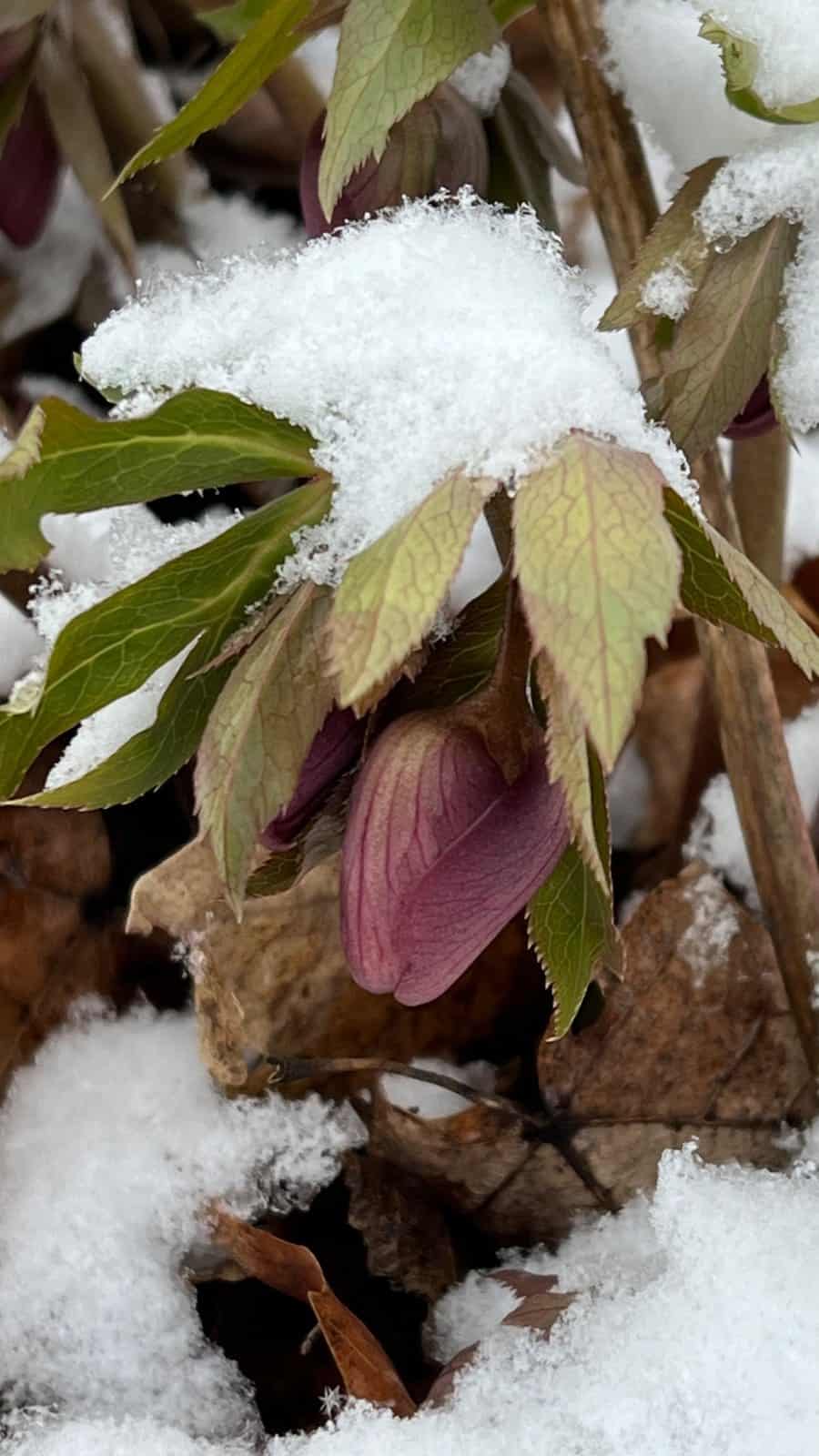
Hellebores earn their place in this garden by blooming at a time when very little else is happening. Their nodding flowers can appear while winter still has a grip on the garden, and sometimes snow simply becomes part of the display.
You often have to bend down or lift a flower to really appreciate the markings hidden inside. Some are pale and delicately marked, while others are deep purple and dramatic.
LOOK A LITTLE CLOSER
The Plants That Make You Stop And Look
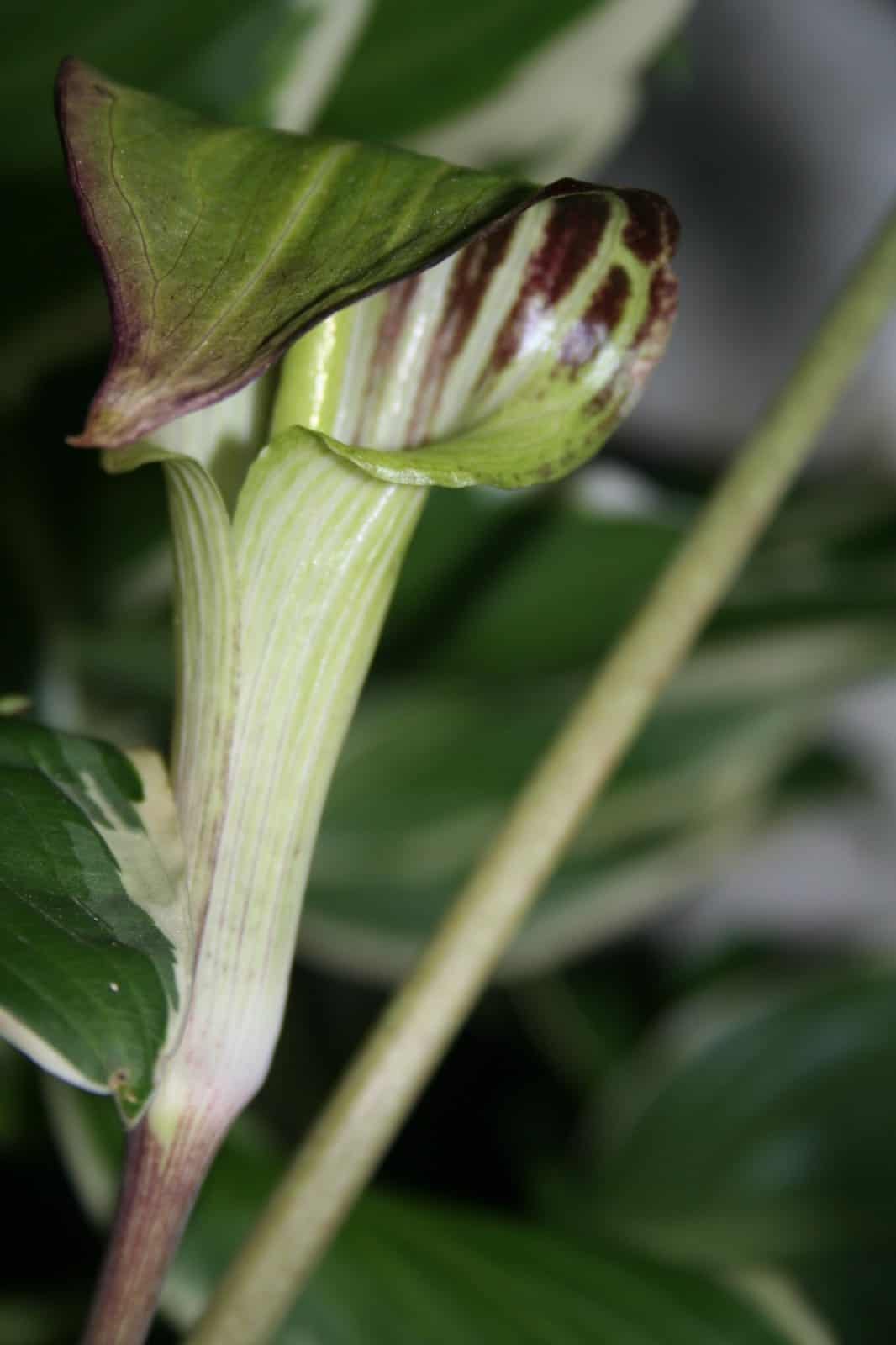
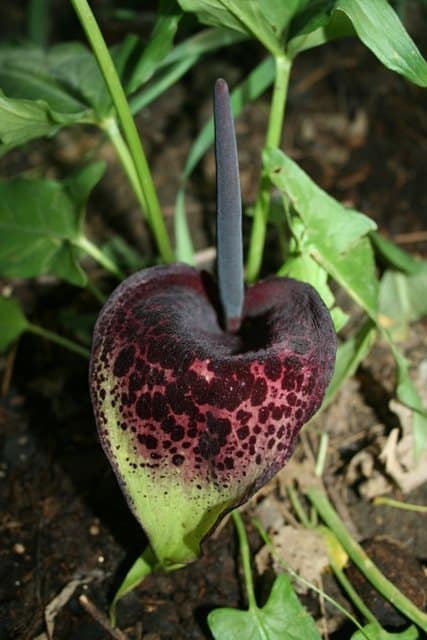
Not everything in a shade garden announces itself from across the yard. Some of the most fascinating plants are the ones that make you stop, crouch down and look more closely.
Their flowers can be strangely shaped, dramatically marked or hidden partly beneath their own foliage. Those discoveries are one of the reasons this garden rewards coming back again and again.
ALWAYS SOMETHING TO DISCOVER
A Garden That Rewards Looking Closely
The Shade Garden has never been about creating one perfect moment when everything blooms at once. Its character comes from succession — emerging foliage, early woodland flowers, flowering shrubs, summer leaves, unusual plants hidden beneath the canopy and hellebores willing to bloom when snow may still be on the ground.
It is a garden that rewards looking closely and coming back often, because there is almost always something different happening beneath the trees.
GARDEN #4
The Butterfly Garden
A living habitat created with butterflies in mind
The Butterfly Garden began as a work in progress, and in many ways it still is. That is part of what I love about it. A wildlife garden is never really finished. Plants spread, some disappear, others surprise me by doing better than expected, and the butterflies themselves have a way of showing me which parts of the garden are actually working.
I truly love butterflies, so this garden has always been about more than simply planting pretty flowers. I wanted to create habitat — a place where butterflies could find nectar, host plants and shelter instead of simply passing through.
PLANTING FOR BUTTERFLIES
A Garden Built Around Butterfly Habitat
The original plan for this area went far beyond creating another flower bed. I envisioned a walk-through butterfly house where caterpillars could be protected from predators while they developed, followed by butterfly releases. The area already had two bogs, with another bog and a pond among the plans.
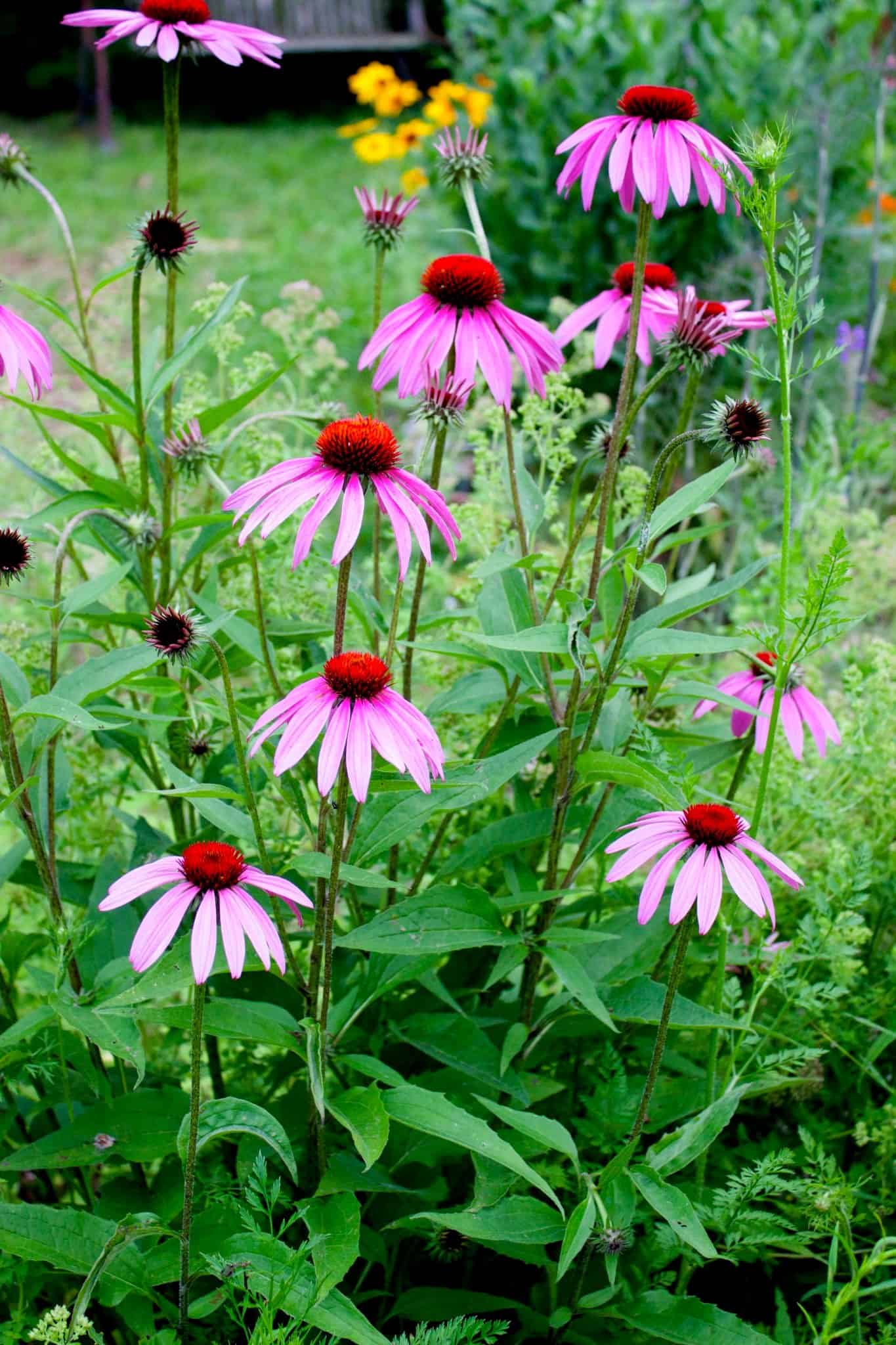
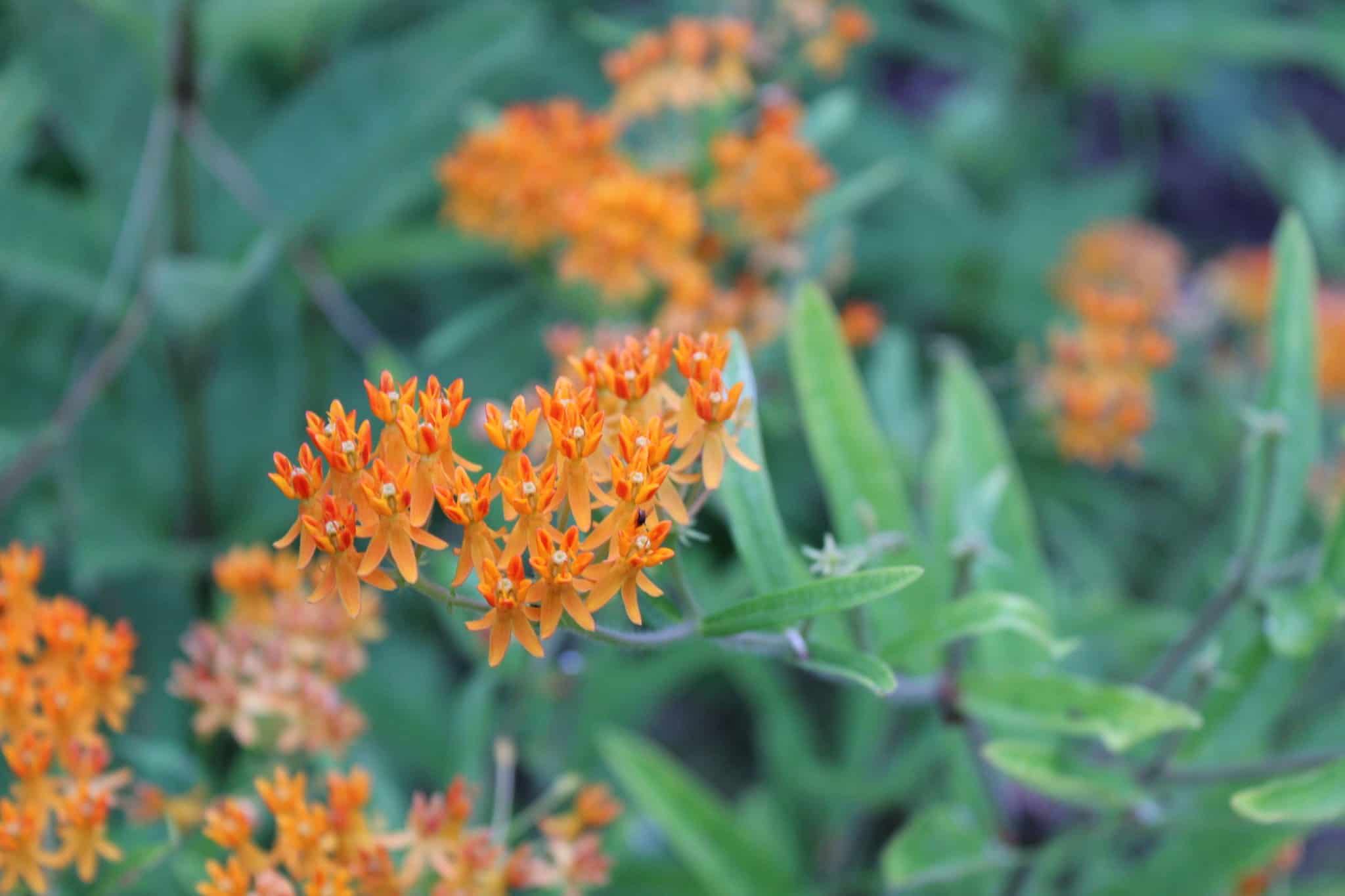
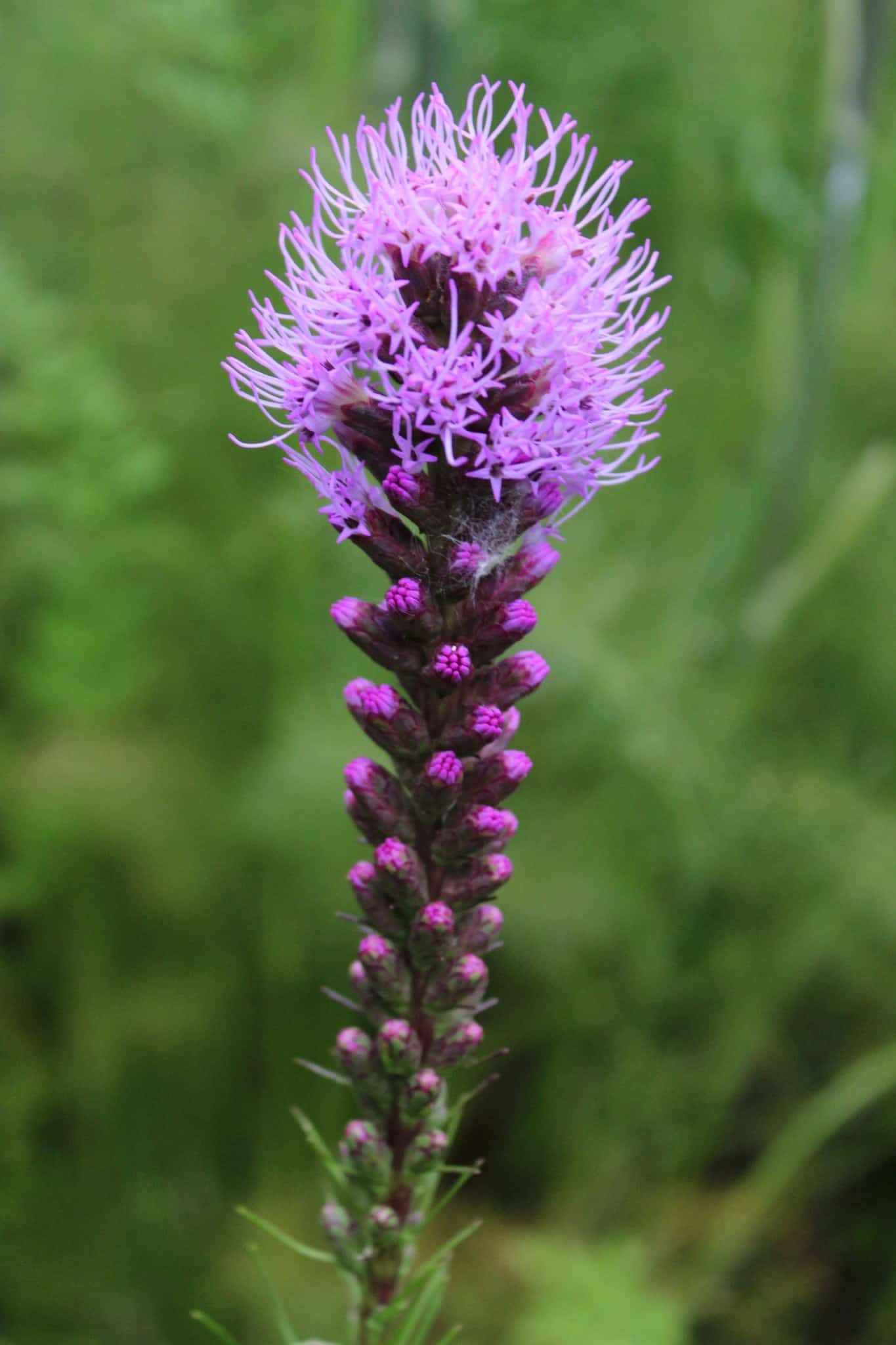
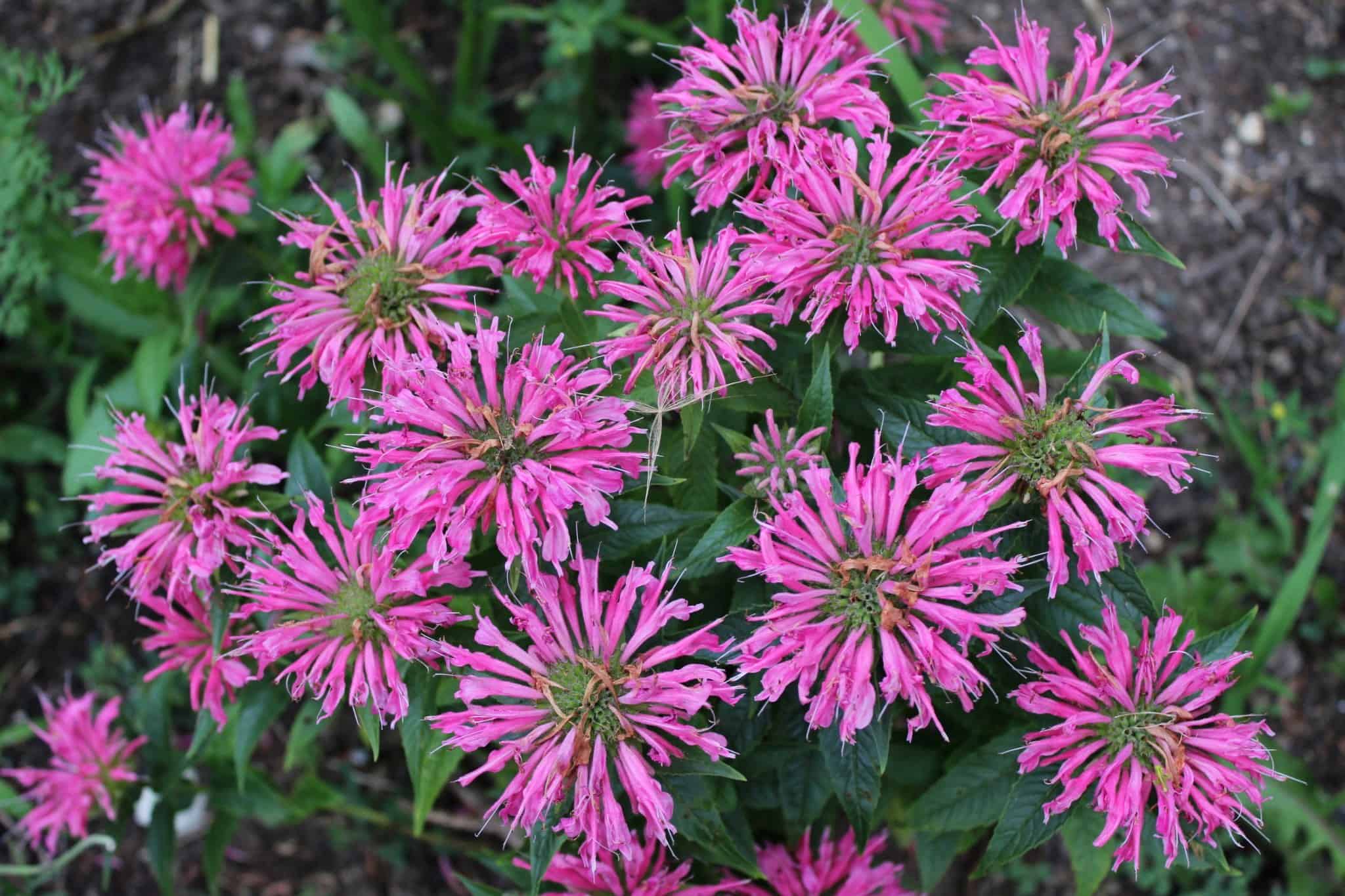
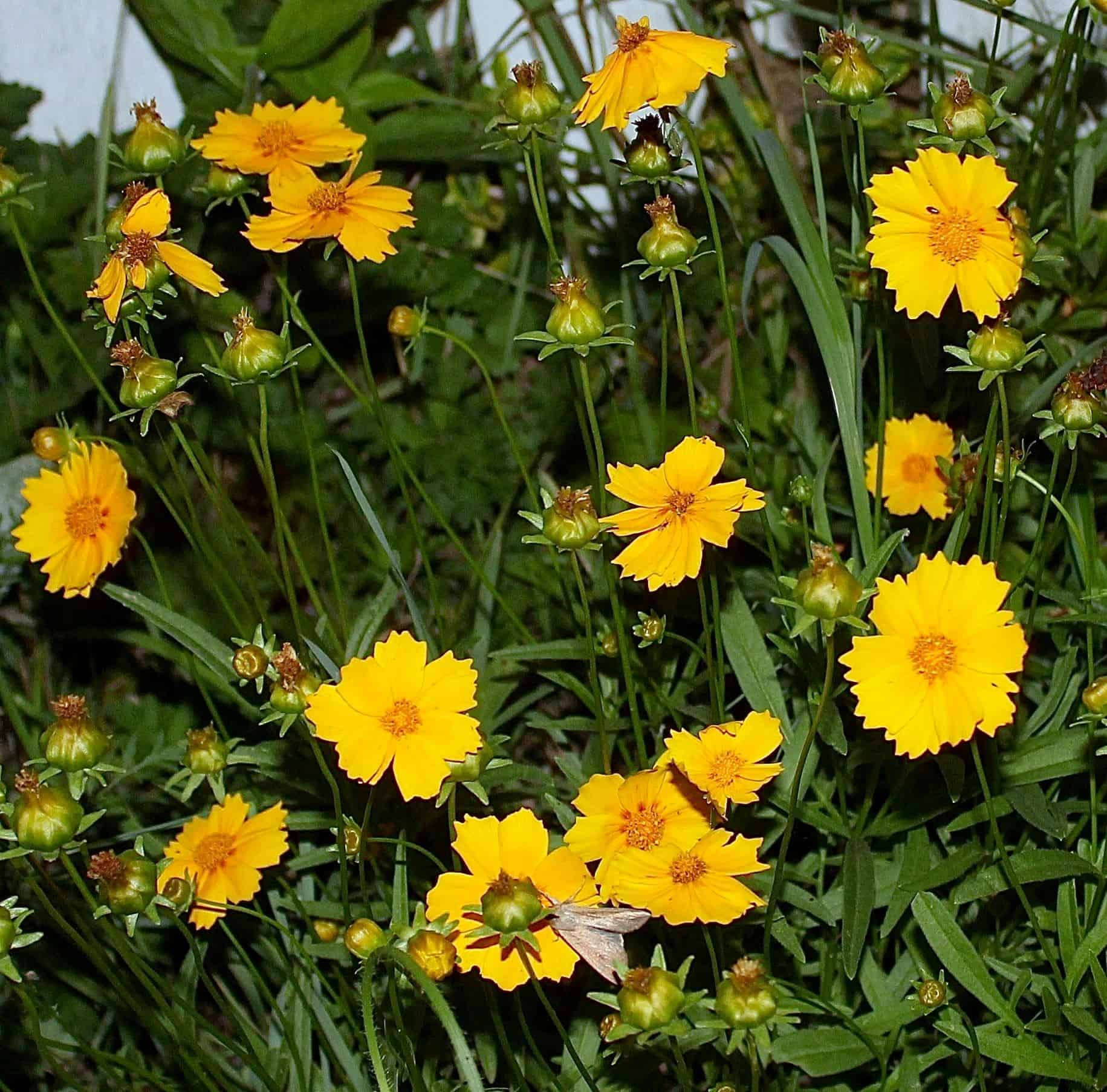
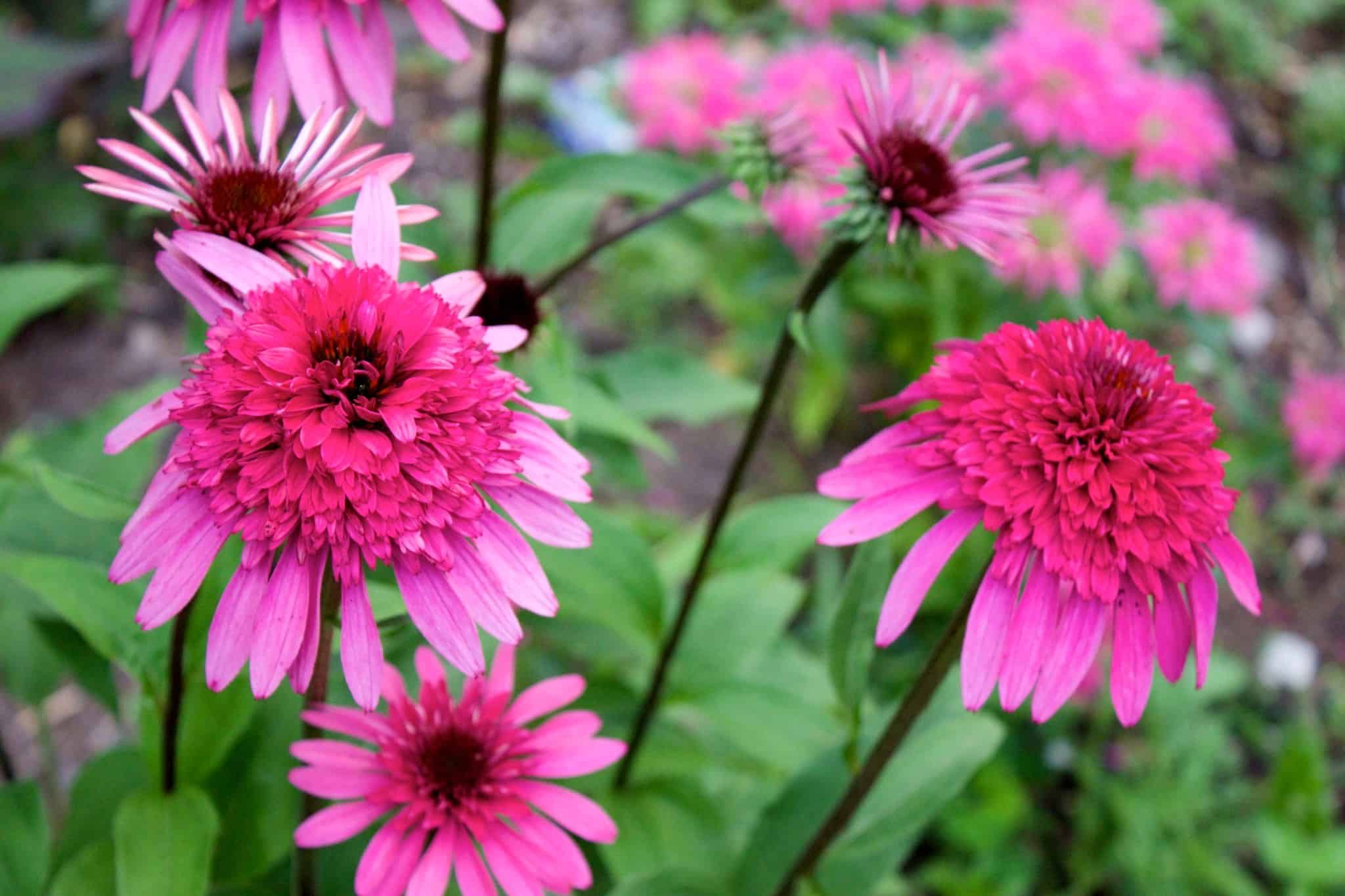
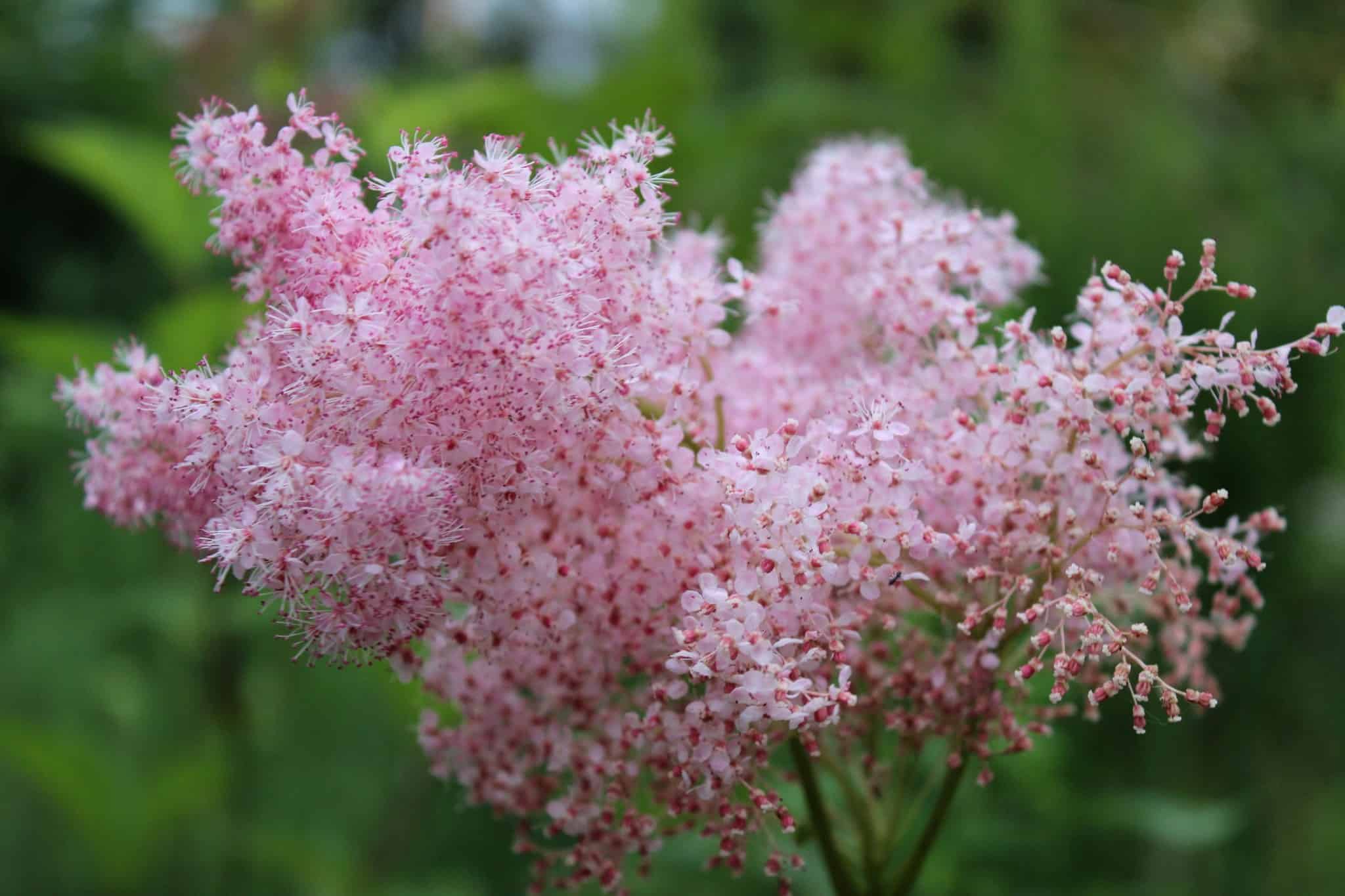
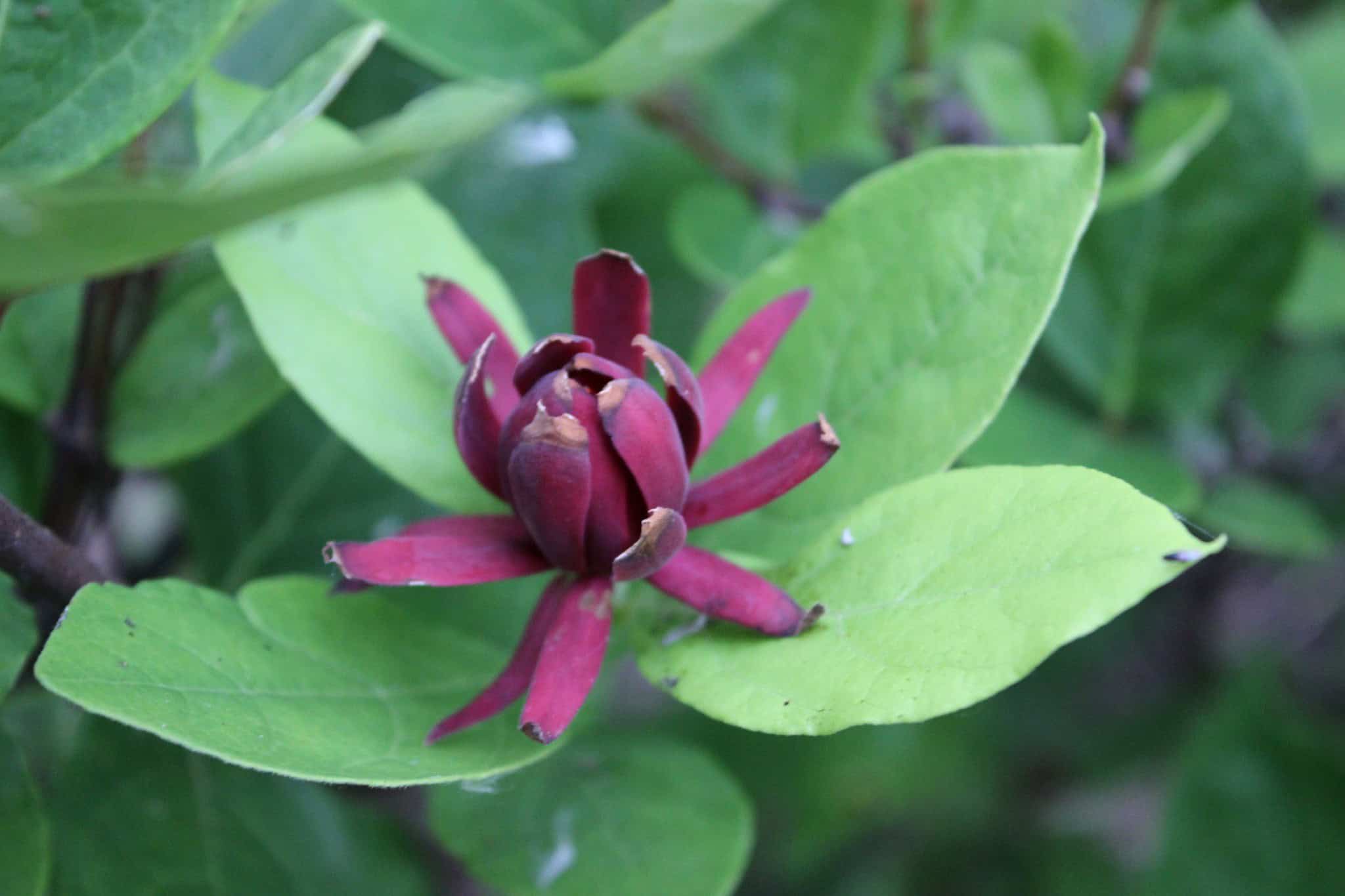
The planting itself developed into a mixture of nectar plants, host plants and other perennials. Plants grown here have included milkweed, rattlesnake master, coneflower, Joe-Pye weed, compass plant, stiff goldenrod, sweetshrub, butterfly bush, spirea, lilac, comfrey, roses, sedum, cosmos, weigela, lavender, catmint, salvia, queen of the prairie, false sunflower, hosta, hydrangea and many others.
Like so many areas here, the vision was never simply a finished landscape. It was a habitat that could continue developing, changing and teaching me what the butterflies actually use.
Explore The Butterfly Garden →WHEN THE BUTTERFLIES ARRIVE
Seeing The Habitat Being Used
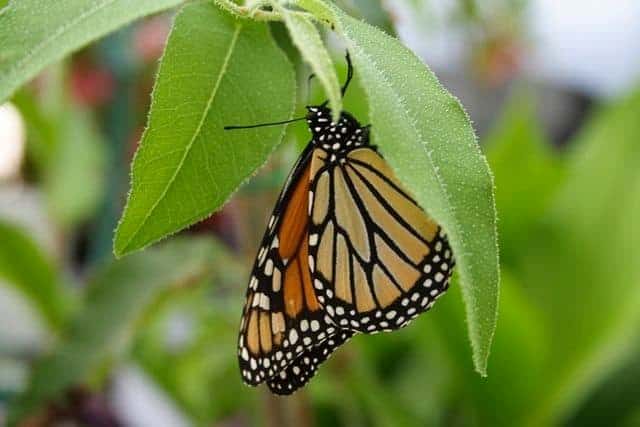
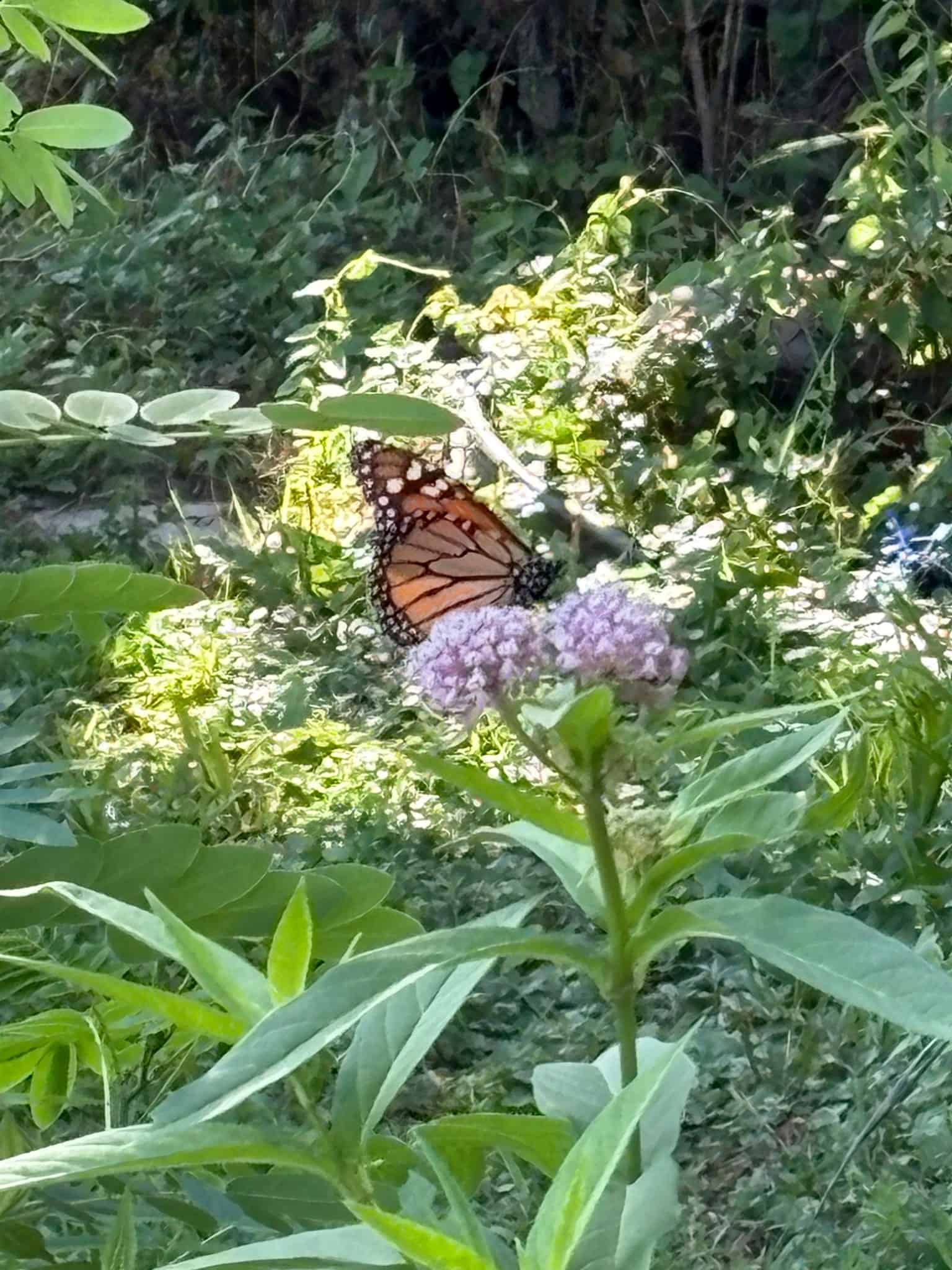
Planting flowers that are supposed to attract butterflies is one thing. Actually seeing butterflies stop, feed, rest and remain in the garden is something else entirely. Those moments are what tell me the habitat is doing what I hoped it would do.
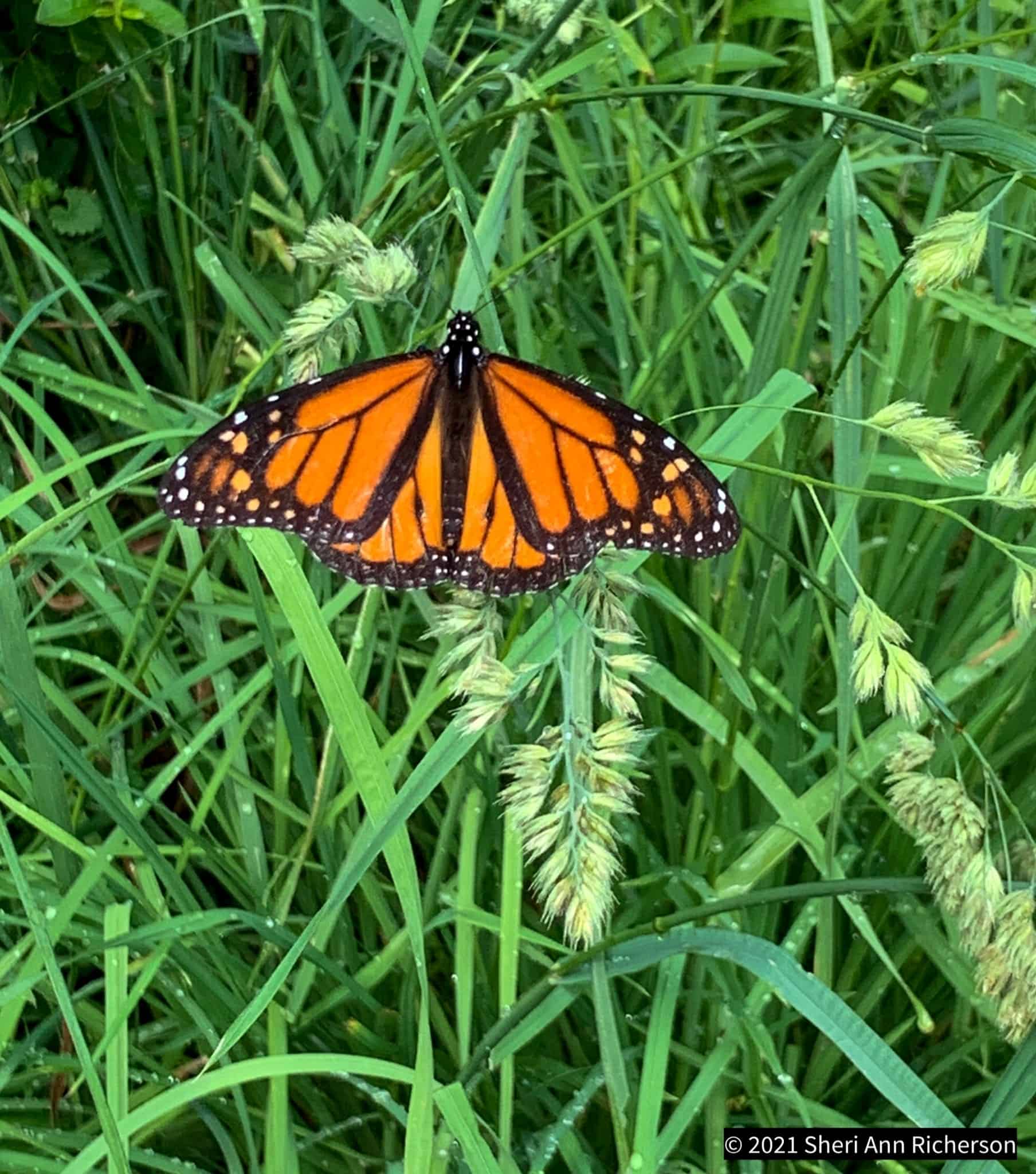
Monarchs are especially meaningful here. Instead of thinking only about flowers for adult butterflies, I grow milkweed and think about the entire life cycle. A butterfly garden needs to provide more than a brief meal if the goal is to support butterflies rather than simply attract them for a photograph.
MONARCH WAYSTATION #03746
Habitat With A Purpose
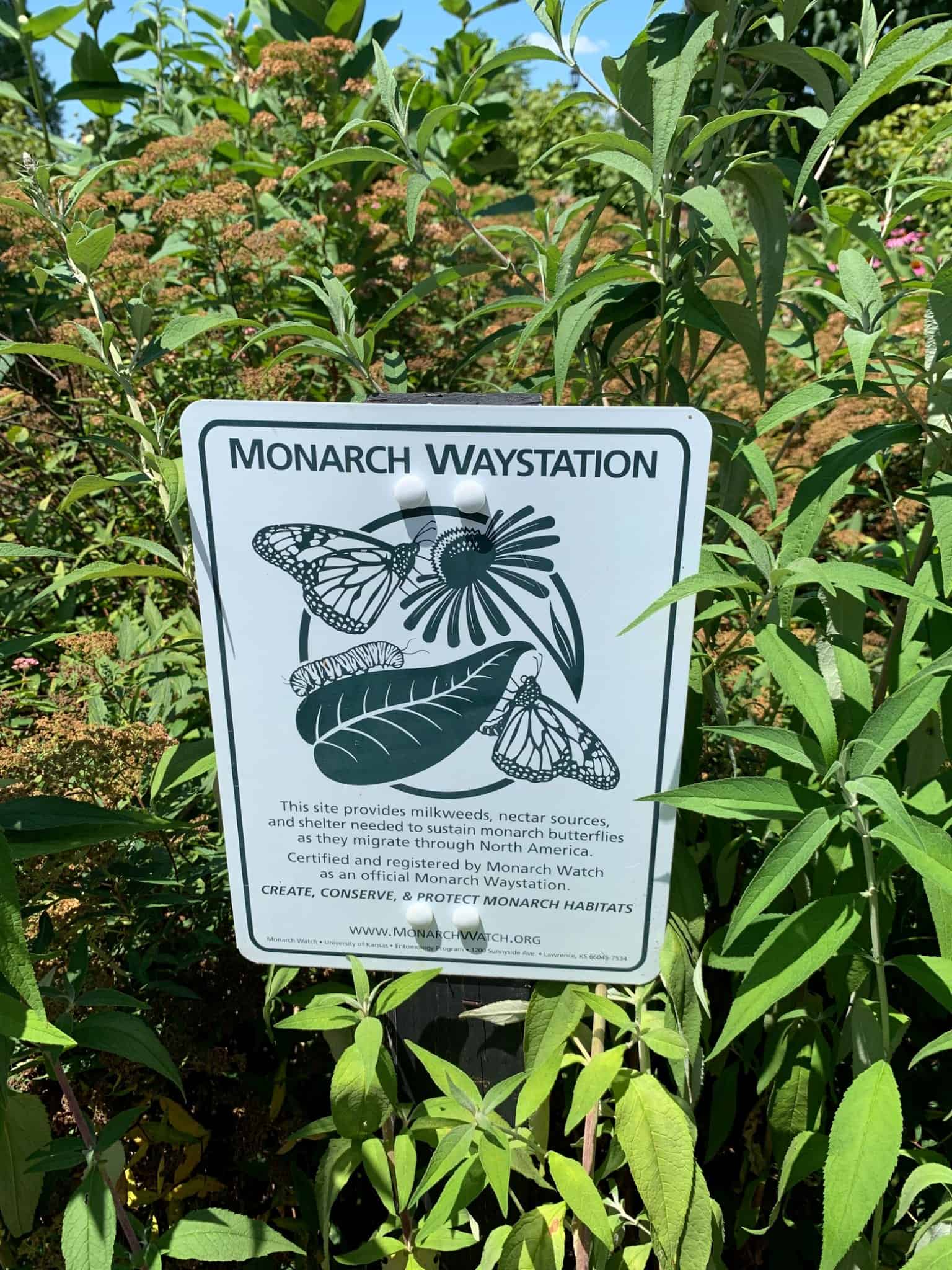
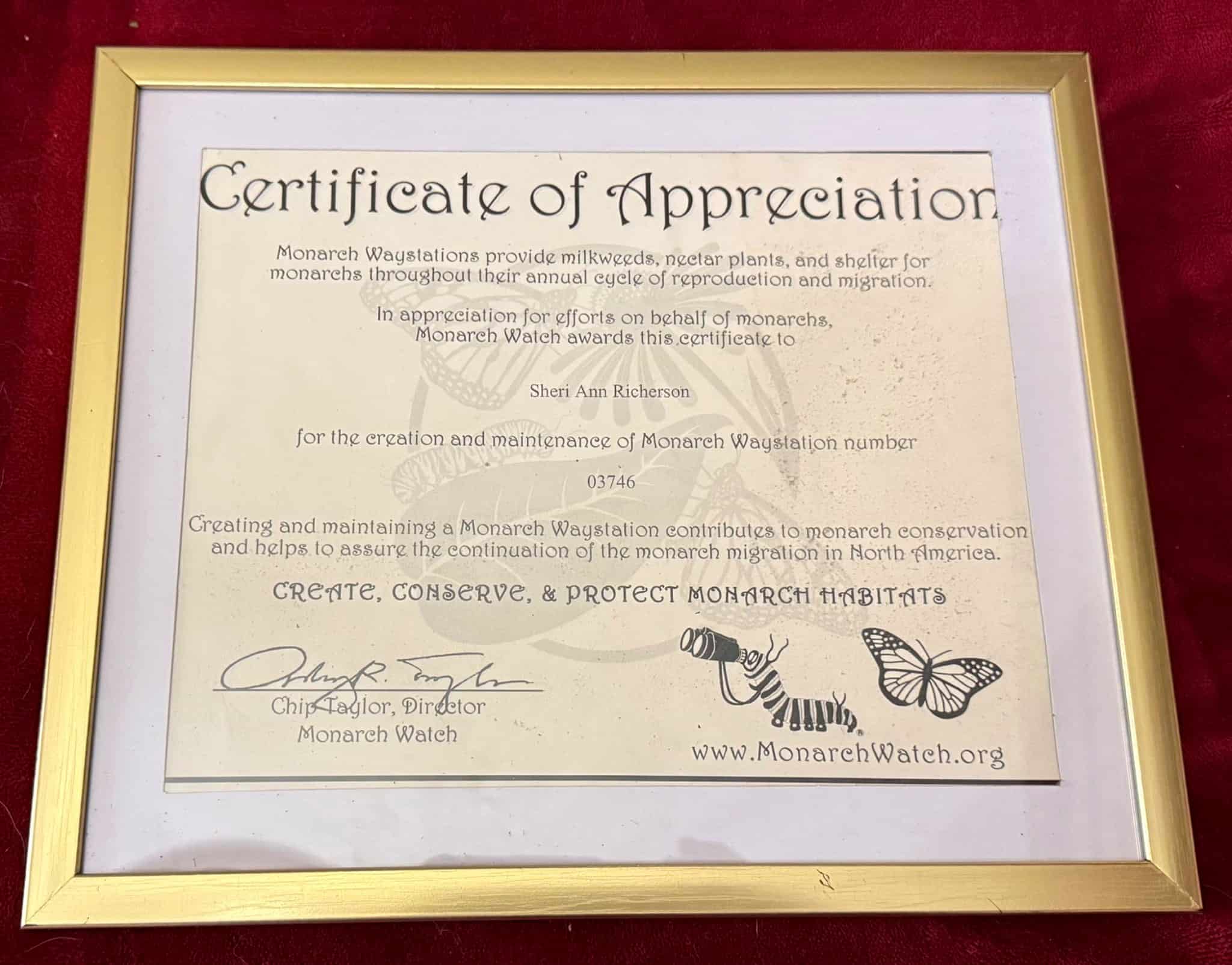
The work here eventually became something official. Exotic Gardening Farm & Wildlife Habitat is home to Monarch Waystation #03746.
Monarch Watch awarded me a Certificate of Appreciation for creating and maintaining this habitat. The designation reflects something I had already been trying to accomplish in the Butterfly Garden: providing milkweeds, nectar plants and shelter that can help support monarchs through their annual cycle of reproduction and migration.
I especially like seeing the Waystation sign surrounded by the plants themselves. The certificate documents the designation, but the living habitat is what gives it meaning.
A LONG SEASON OF BLOOM
Flowers, Texture And Seasonal Change
I don't want this garden to depend on one plant or one short flush of flowers. Different plants come into their own at different points in the season, creating changes in height, color, flower shape and texture while giving visiting insects more choices.
The result is never static. Plants spread. Some disappear. Others surprise me by doing better than expected. New plants get tucked into open spaces, and the wildlife has its own opinion about which parts of the garden are most useful.
THE MOMENTS I REMEMBER
Sometimes The Best Encounters Are Unexpected
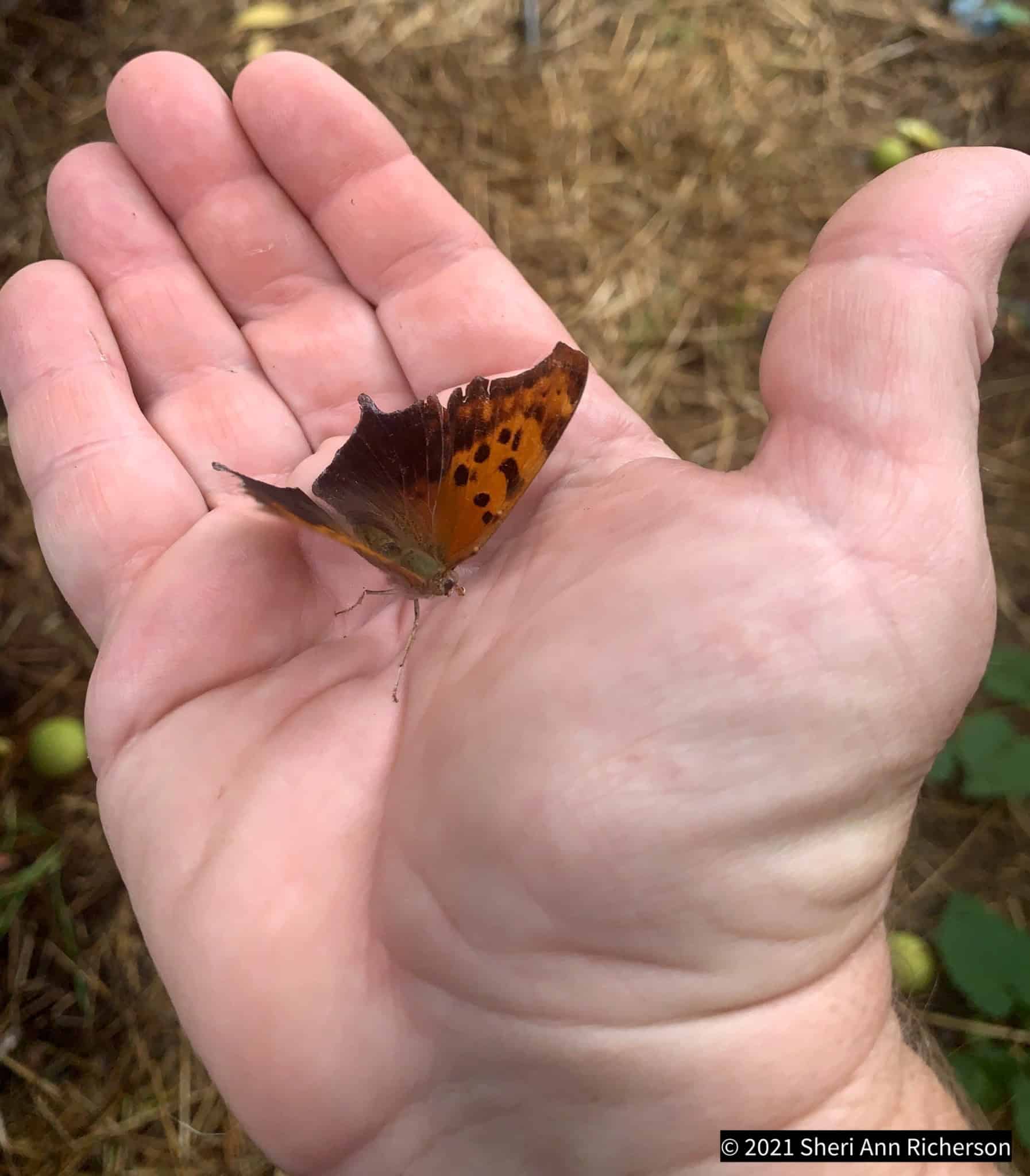
Not every memorable butterfly moment happens neatly on a flower. Sometimes I find one resting in the vegetation, sometimes one lands close enough for me to watch it for a while, and sometimes I get an encounter that becomes part of the story of living with this garden.
A butterfly resting in my hand is one of those quiet moments that reminds me why I wanted to create this habitat in the first place.
STILL A WORK IN PROGRESS
A Garden That Continues To Evolve
The Butterfly Garden has changed considerably since I first began it, and I expect it will continue changing. That is one of the realities of gardening for wildlife. I can choose the plants and shape the space, but once the garden begins functioning as habitat, insects, birds, weather and the plants themselves become part of the process.
For me, that makes this garden much more interesting than a perfectly finished landscape. Every season gives me another opportunity to see what is working, add what is missing and watch for the butterflies that ultimately tell me whether my plans made sense.
Garden #5
The Bird Garden
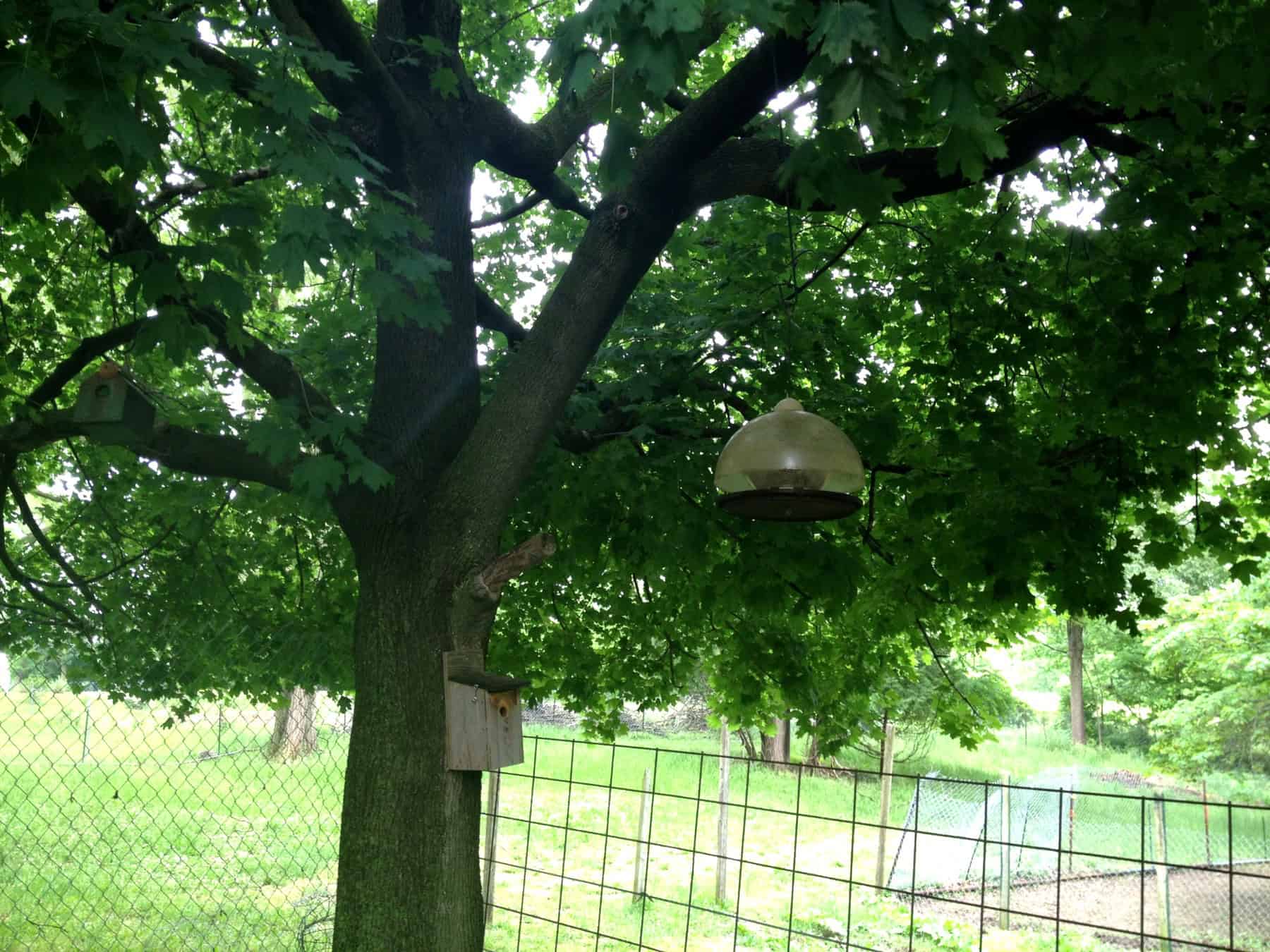
The Bird Garden began as a place where our chickens could free-range, but over the years I discovered that letting parts of this area grow more naturally suited the wild birds just as well. What started as another garden project gradually became something much more interesting — a place where cultivated plants, trees, feeders, nesting spaces, chickens and wild birds all overlap.
Plants growing in this garden have included Ohio buckeye, viburnum, ginkgo, lilac, privet, honeysuckle, hollyhock, artemisia, wormwood, poppies, roses, yucca and iris. I have also planned additions such as sunflowers, safflower, white millet, corn, sorghum, broom sedge, black-eyed Susans, coneflowers, evening primrose, bee balm, red clover, goldenrod, peanuts, nyjer and lettuce — plants chosen not simply because they look good, but because birds and chickens can make use of them too.
A large pond with boggy edges has also been part of the vision for this area. Like so many of the gardens here, the Bird Garden has never really been about reaching a finished point. It is about watching what uses the space, learning from it and continuing to shape the habitat around the wildlife that actually shows up.
The Garden's Real Visitors
Watching Who Actually Shows Up
One of my favorite parts of creating wildlife habitat is discovering who decides to use it. These are not stock photographs or birds photographed somewhere else. These are some of the birds I have actually photographed here. Their visits tell me far more about the value of the habitat than a perfectly finished garden ever could.
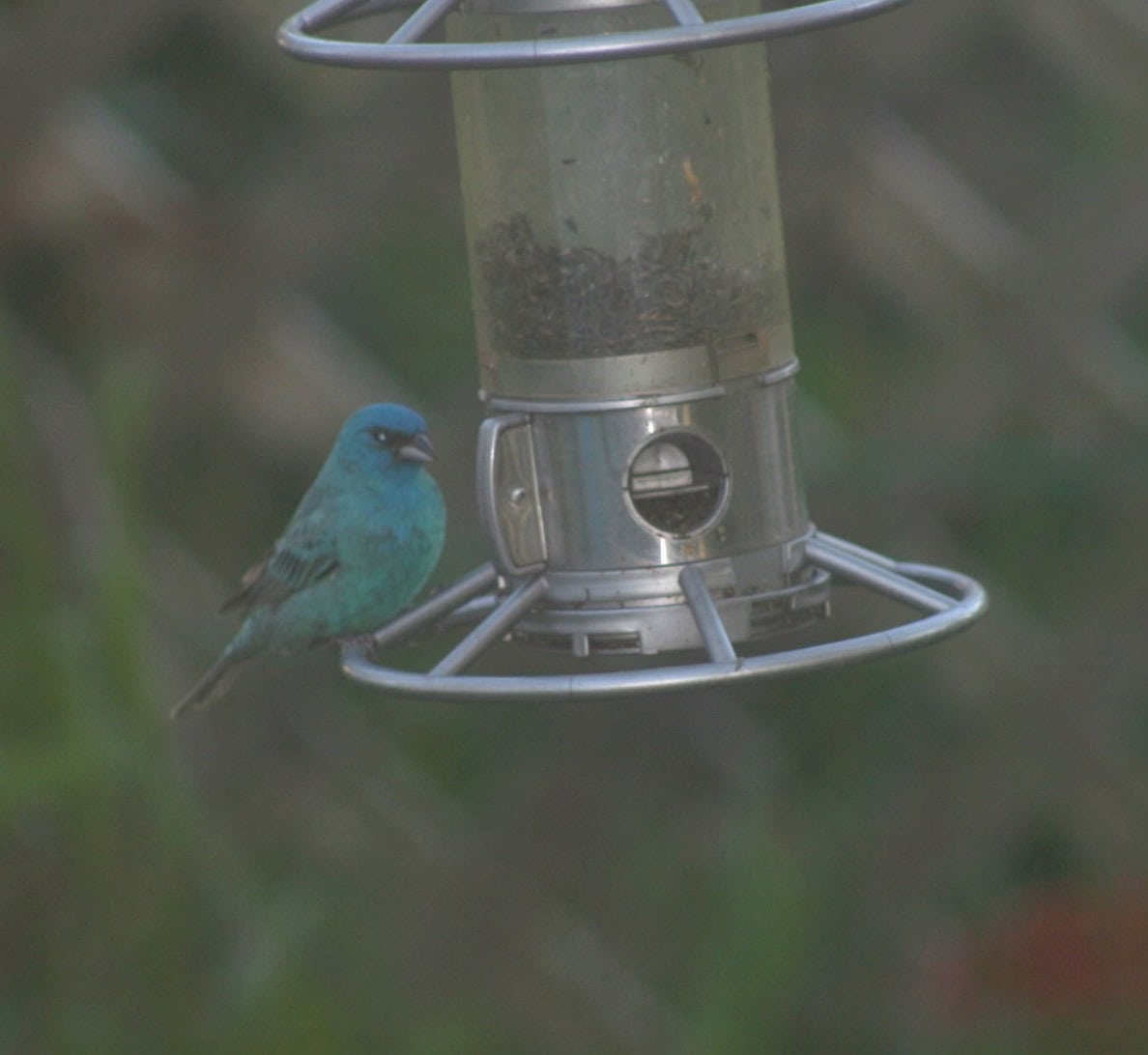
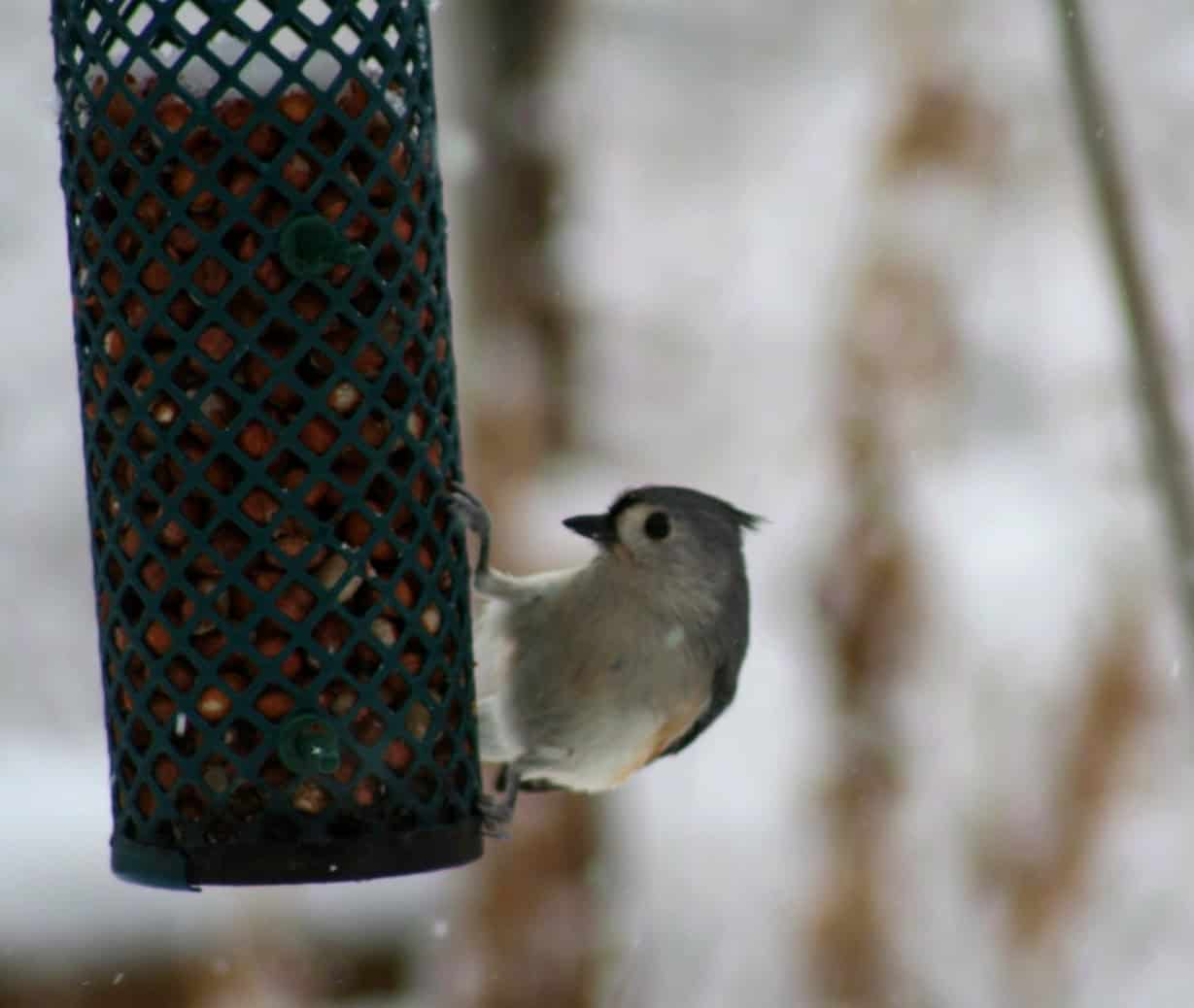
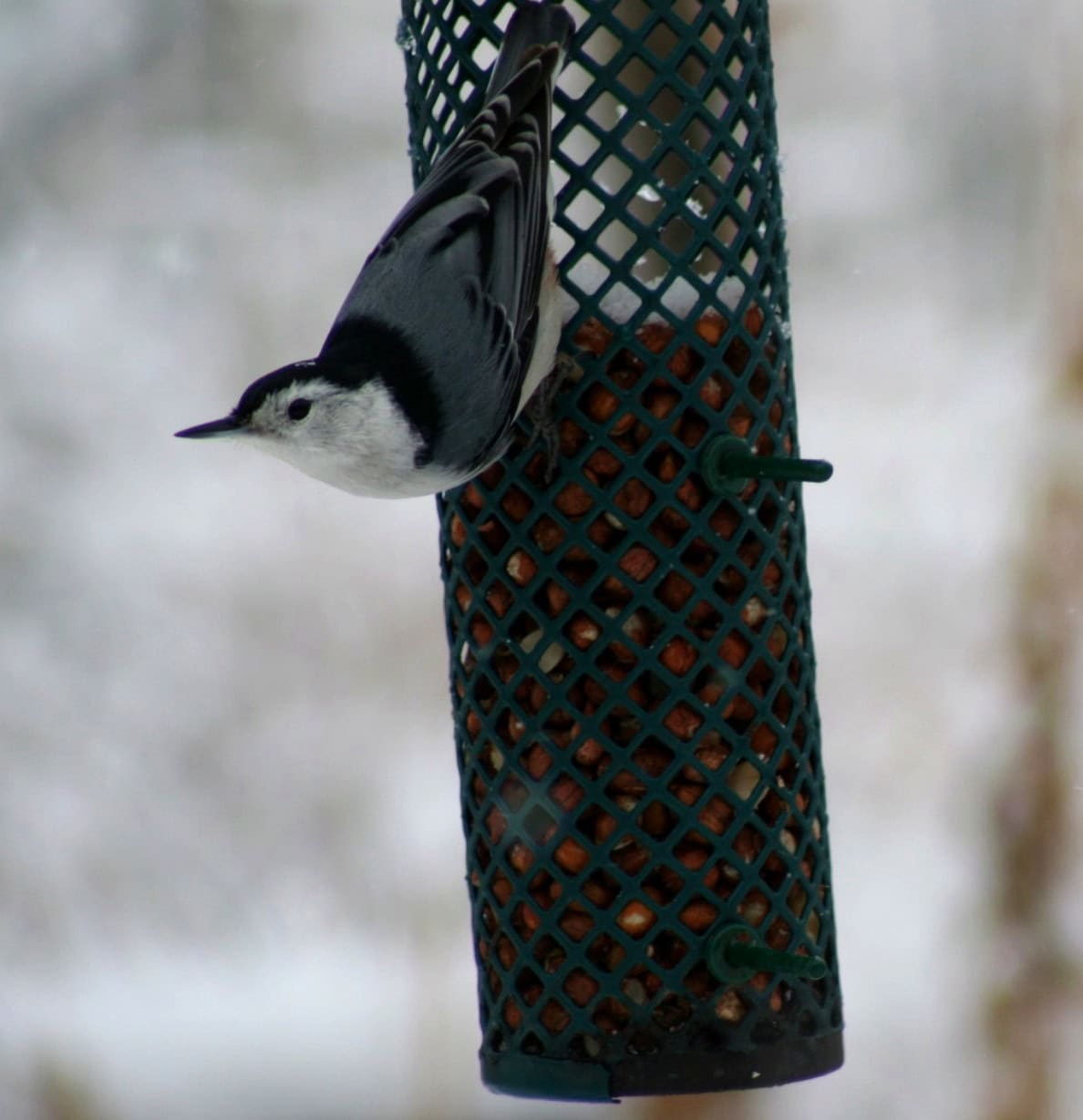
A Garden That Still Matters In Winter
Wildlife gardening does not end when the flowers disappear. In some ways, winter makes the purpose of this garden even easier to see. Snow covers the ground, insects become harder to find and many of the lush places birds use during summer are gone. Suddenly feeders, shelter, mature trees, seed heads and protected places become especially noticeable.
That is one reason I like these winter photographs so much. They show the Bird Garden doing its job during a completely different season. A wildlife garden is not just something beautiful for us to look at in June. It can become part of the year-round landscape animals depend on.
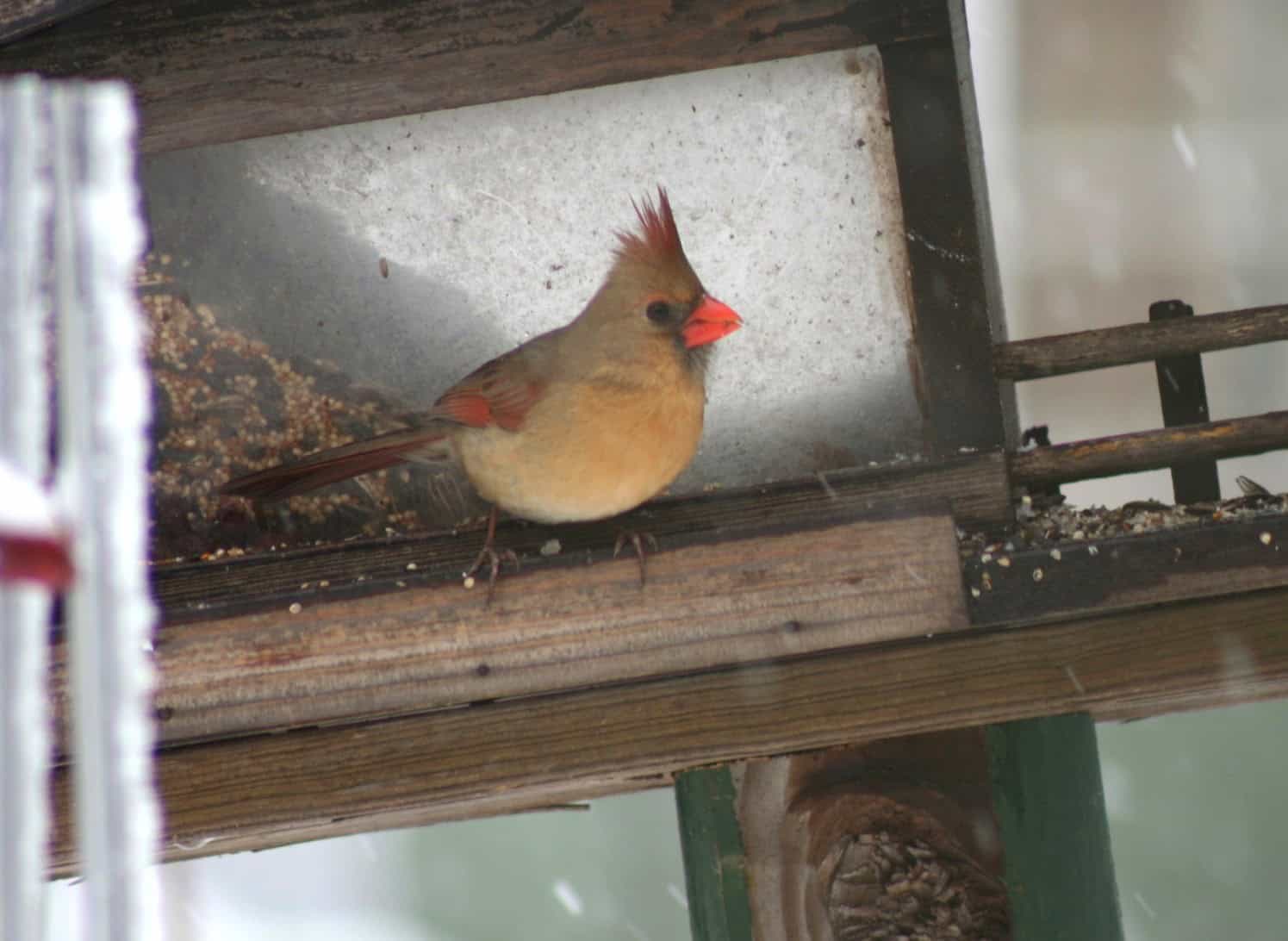
More Than A Summer Garden
Food, Shelter And Places To Pause
Watching birds use this space has changed the way I think about what makes a garden successful. I certainly enjoy flowers and beautiful combinations of plants, but wildlife does not care whether a planting looks like something from a magazine.
Birds respond to what the landscape provides. They look for food, water, cover, nesting opportunities and places where they can safely pause. Sometimes that means the most useful corner of a garden is not the tidiest one.
Watching With Purpose
Cornell Lab Of Ornithology NestWatch
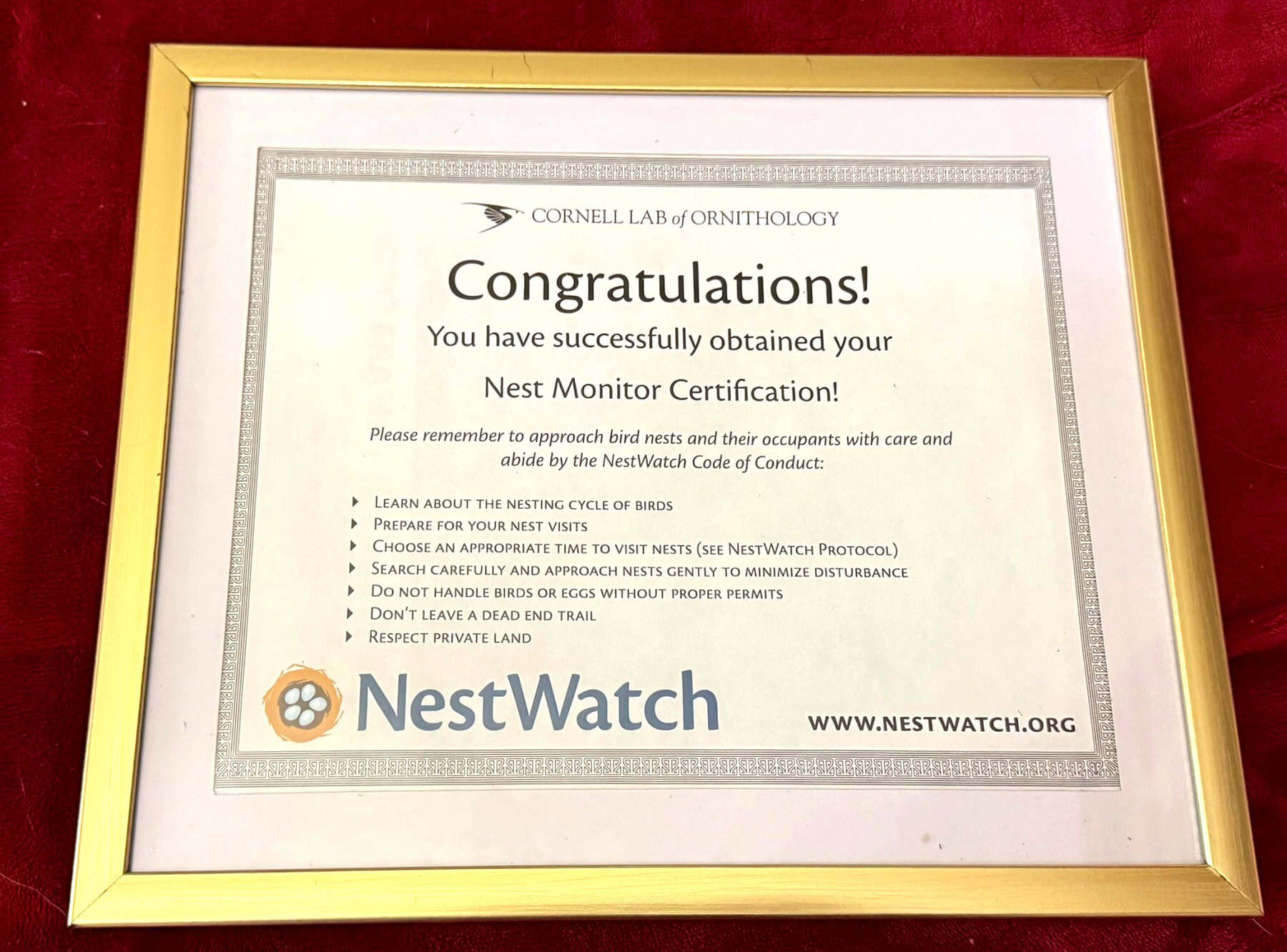
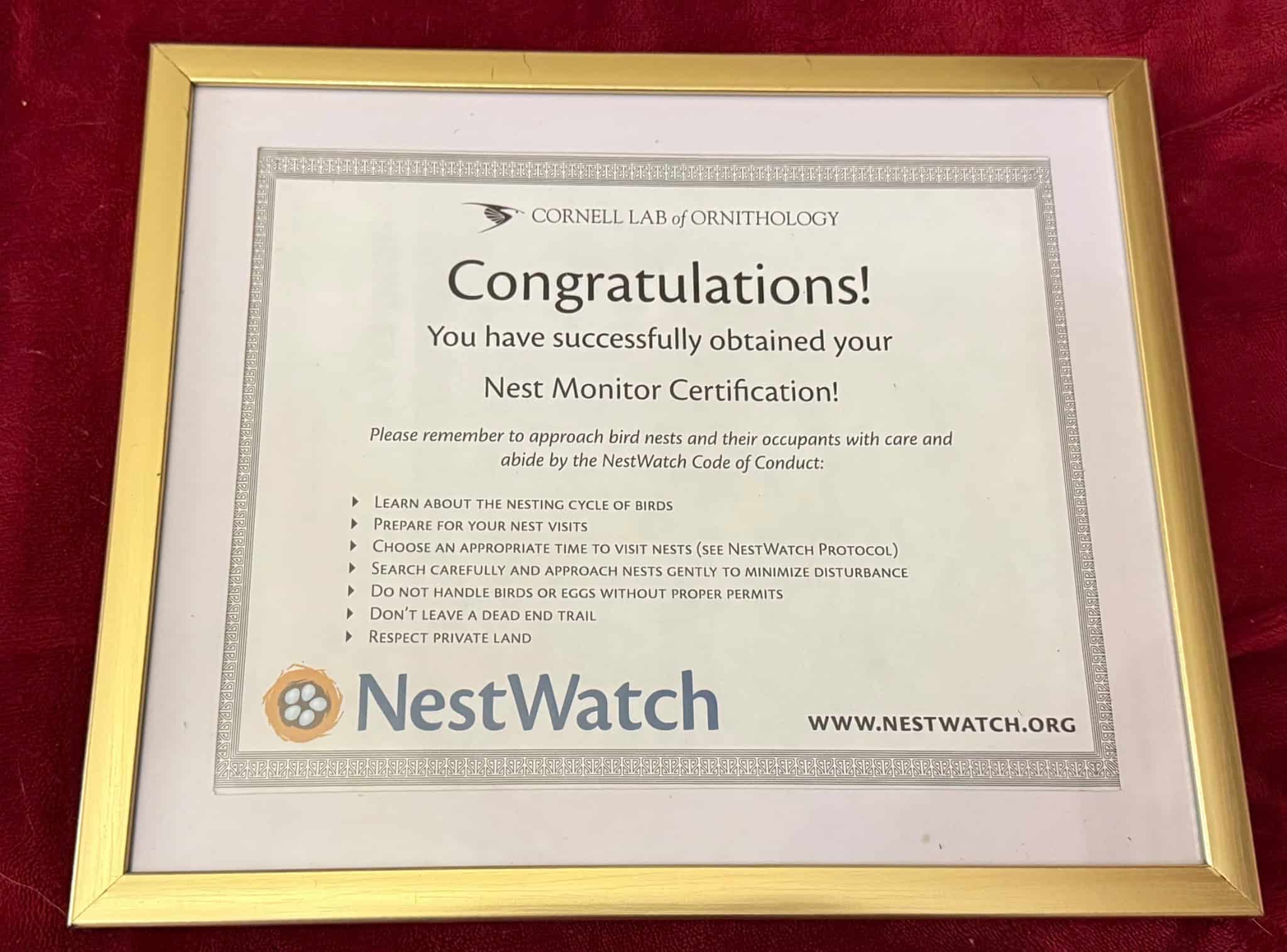
My interest in the birds here goes beyond simply enjoying them at the feeders. I completed the Cornell Lab of Ornithology NestWatch Nest Monitor Certification, which emphasizes careful, responsible observation of nesting birds while minimizing disturbance.
That fits naturally with what I want this property to be. Creating habitat is only part of the story. Paying attention to how wildlife actually uses that habitat — and learning how to observe it responsibly — helps me make better decisions about what I plant, what I leave alone and what I change.
Every nest, feeder visitor and unexpected species adds another piece to what I know about this land.
Letting The Birds Help Shape The Garden
The Bird Garden is still evolving, and I suspect it always will be. Some plants will thrive, others will disappear, feeders will move, and new ideas will find their way into the space. What matters most to me is that it remains a place where birds can find something they need — and where I can continue learning from the wildlife that chooses to call this little piece of Indiana home.
GARDEN #6
The Pasture
This has never been just an open field. The pasture is a working part of our homestead, divided into five distinct areas so we can rotate livestock, give grazed sections time to recover, and make use of the grass, weeds, brush and other seasonal growth available throughout the property.
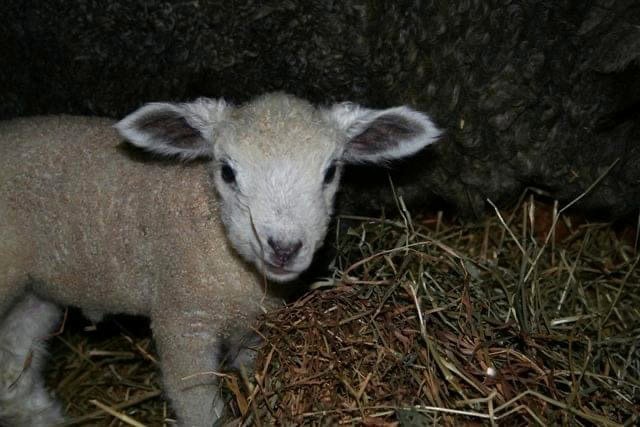
Five Areas, One Working Pasture
We divided the pasture into five distinct areas because we rotate our livestock. The animals are allowed into an area to graze and browse, and when they have eaten it down, we close that section and move them into another one.
Two of the main areas have become pretty worn down over the years, and that's okay. This is a working homestead, not a picture-perfect field. There are three other areas where the grass and other vegetation are plentiful in season, and moving the animals between areas has allowed us to make use of what the land produces while giving previously grazed sections a chance to rest.
Goats Have Been a Big Part of Life Here
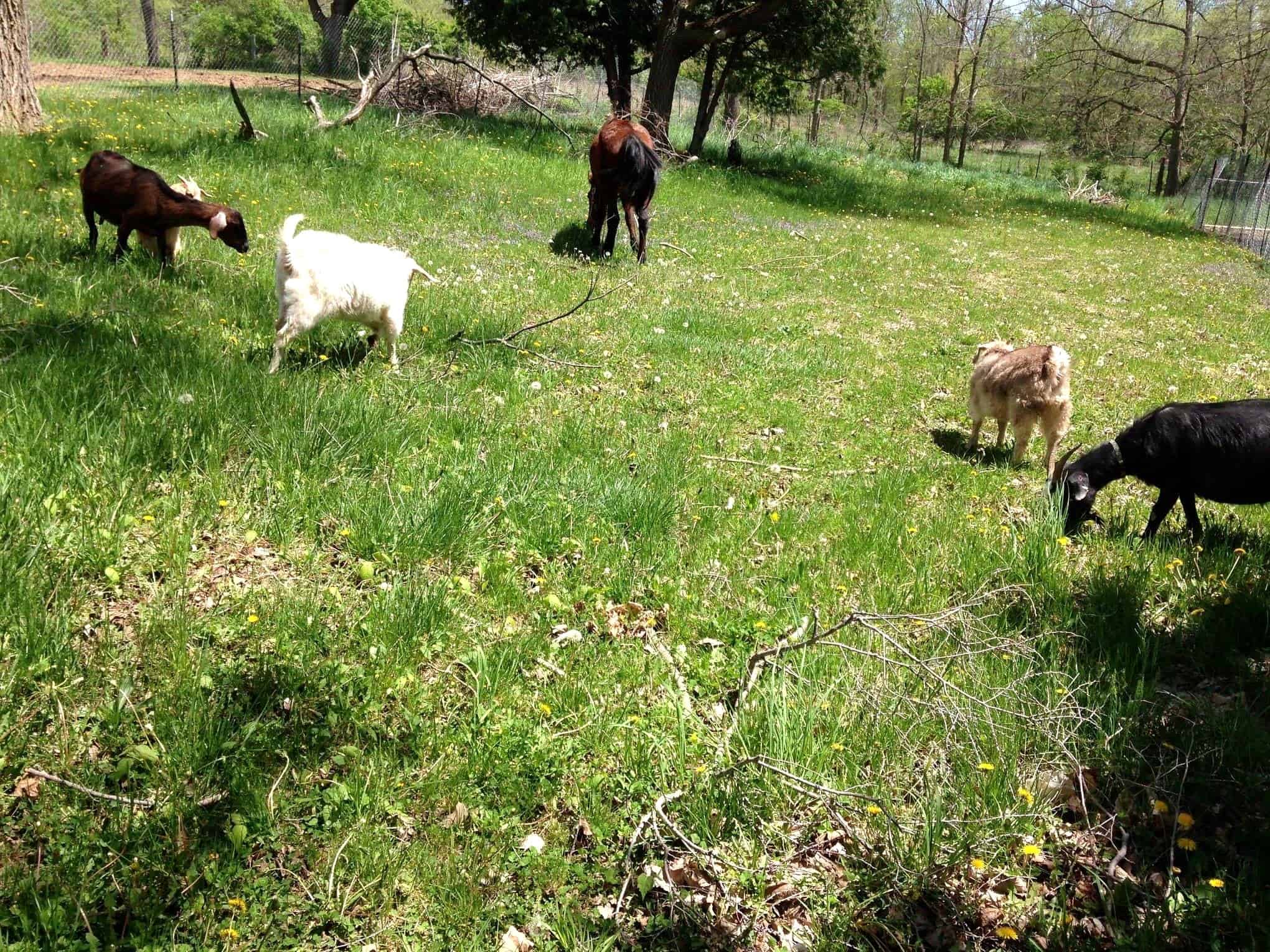
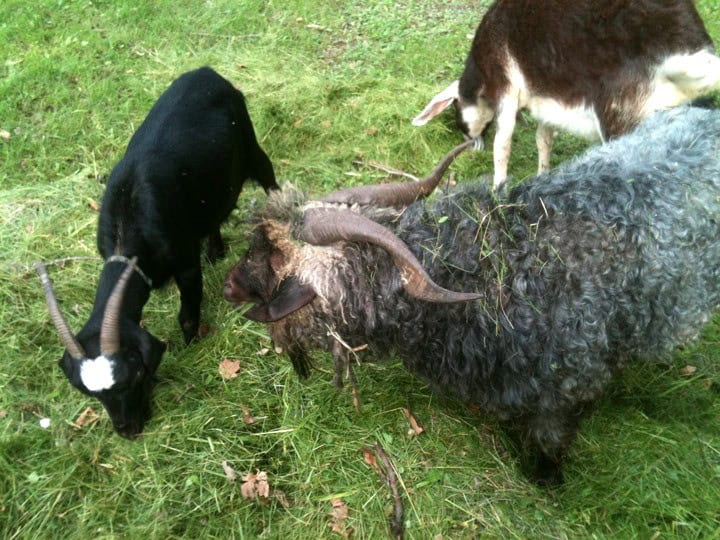
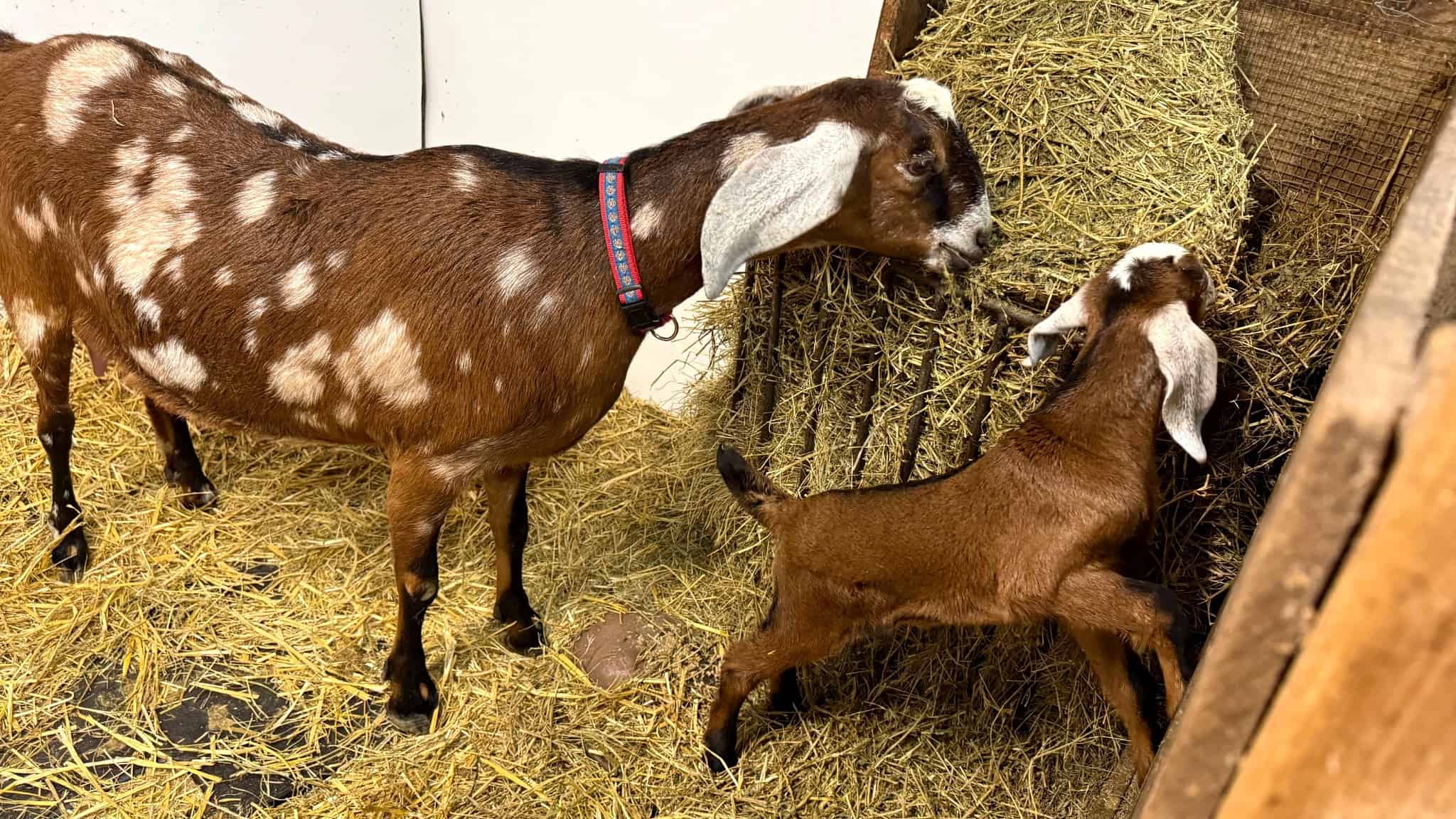
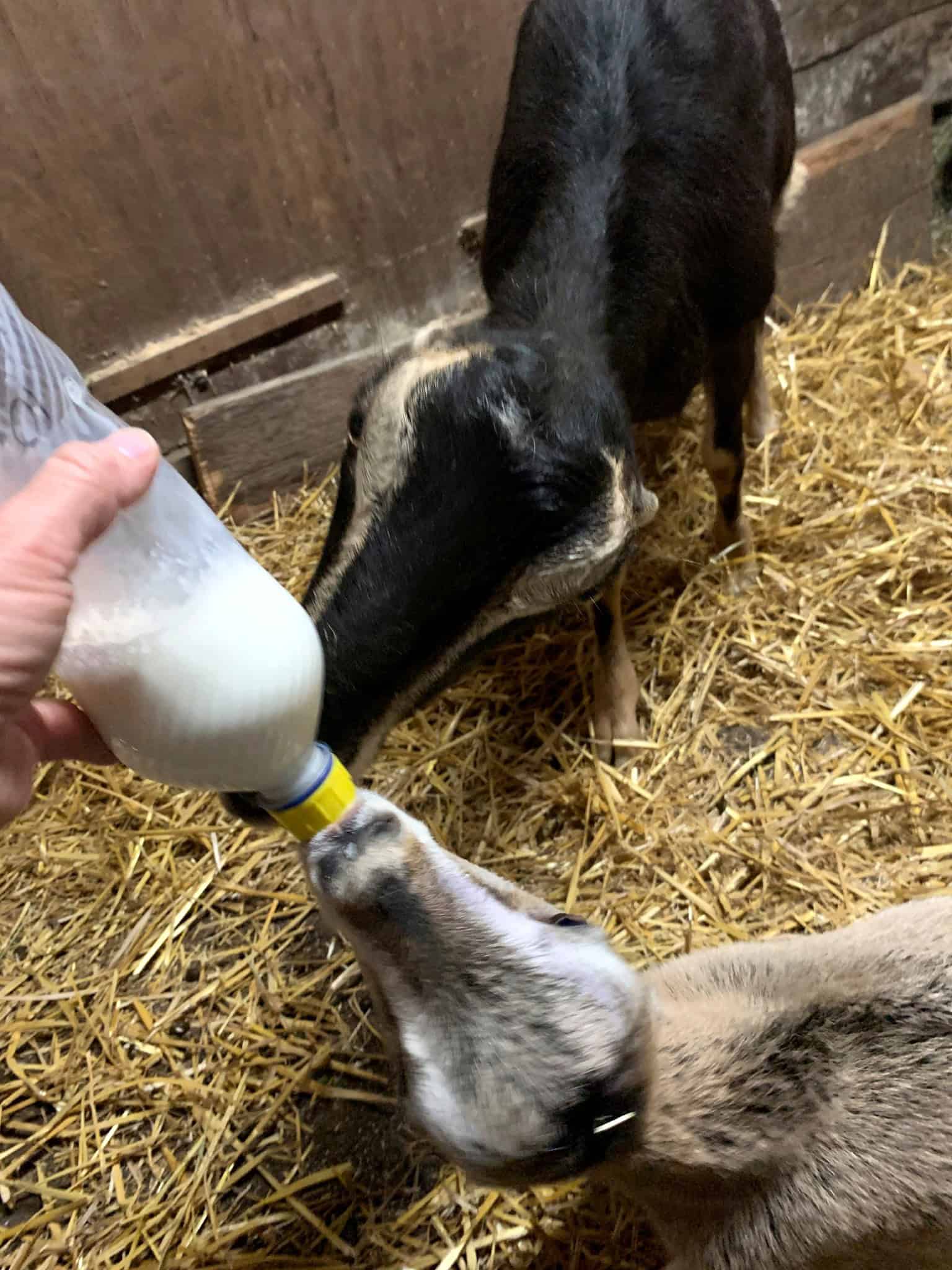
Over the years we have raised different kinds of goats, including dairy, Angora and Cashmere goats. They have been part of everything from pasture management and brush control to kidding, bottle feeding and the everyday routines that come with caring for livestock.
One of the things goats demonstrate especially well is the difference between grazing and browsing. Give them access to a varied pasture and they don't necessarily head straight for a neat patch of grass. They are just as interested in taller plants, weeds, leaves and woody growth. Watching what the animals actually choose to eat has been one of the ongoing lessons of keeping livestock on this property.
PART OF OUR HISTORY
A Second Chance
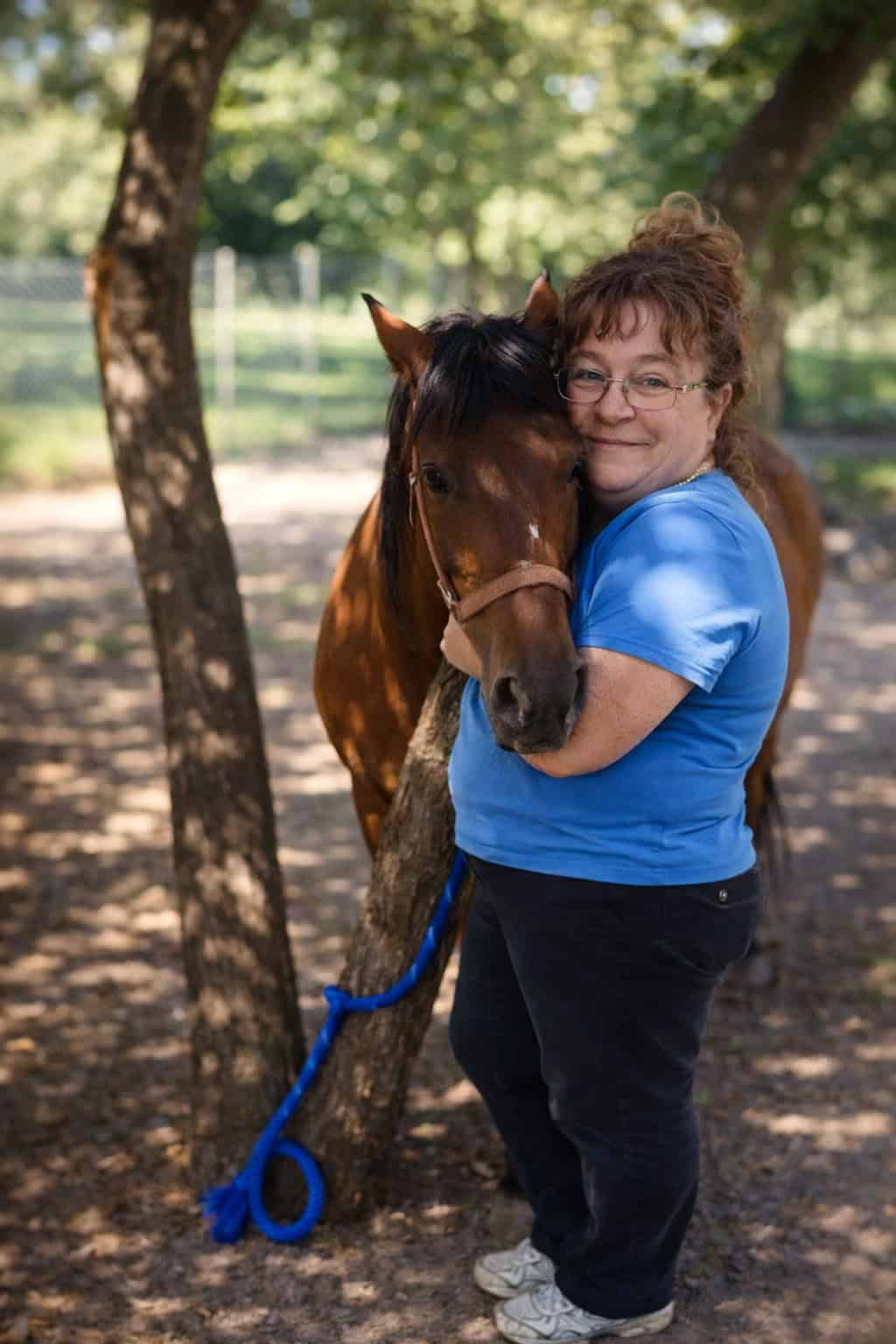
Our horse came here as a rescue at around five years old. She had been abused, weighed barely 500 pounds and had badly overgrown hooves.
She lived and thrived here. Her story is an important part of the history of this pasture because this land has always been about more than simply keeping animals. It has been a place to care for them, learn from them and, sometimes, give an animal the chance to recover and simply live a good life.
More Than Goats and Sheep
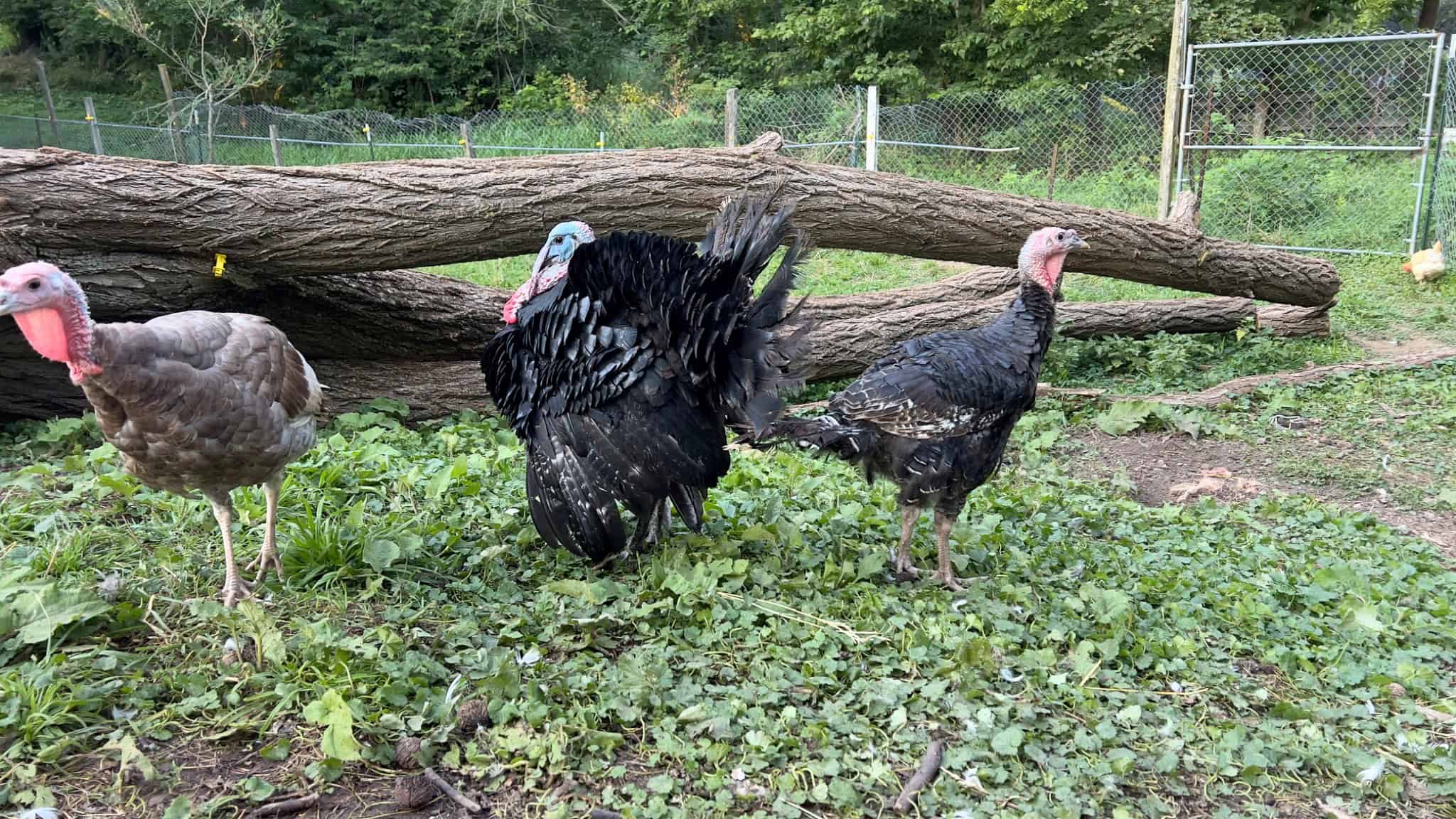
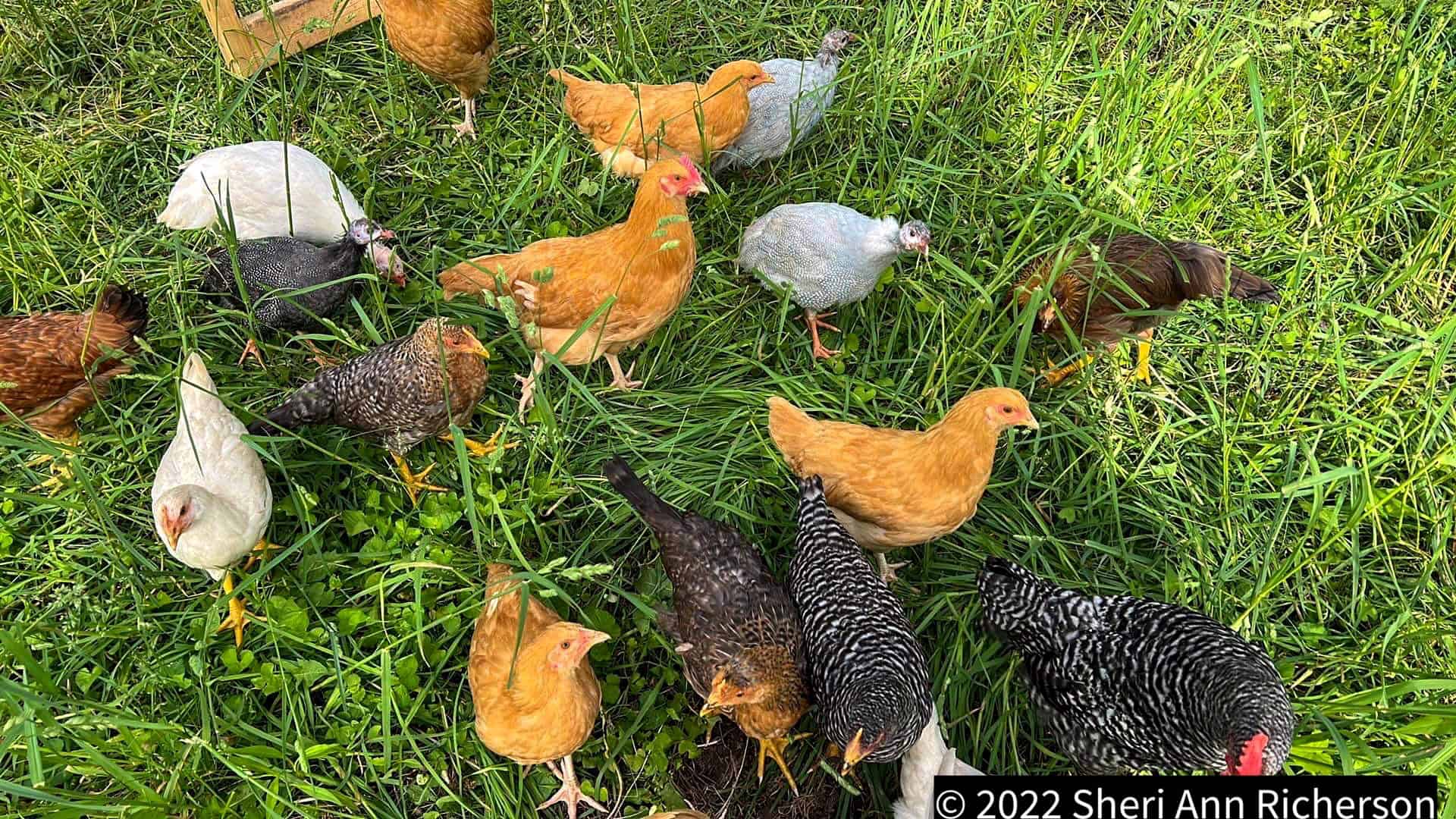
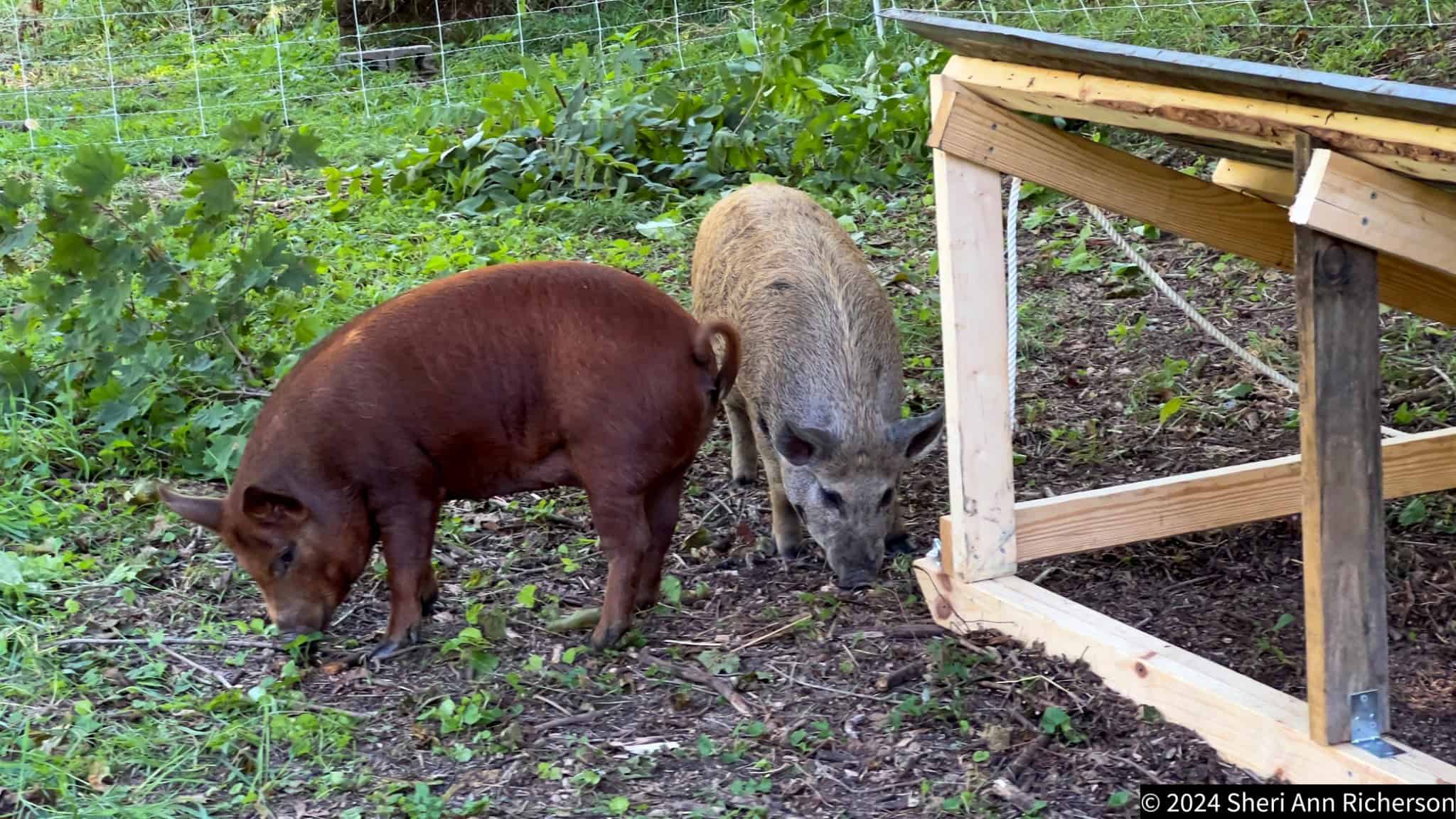
The pasture has supported a changing collection of livestock over the years. In addition to goats, our horse and Leicester Longwool sheep, pigs and poultry have all spent time on the property. Chickens, turkeys and other poultry have been able to forage through vegetation, scratch through the ground and make use of outdoor space in ways that are very different from larger grazing animals.
A Pasture That Changes With the Animals
A pasture like this is never really finished. What grows changes with the seasons. The animals change. Some areas get grazed harder than others, fencing and shelters evolve, and every species interacts with the land differently.
That is part of what makes this area of Exotic Gardening so interesting to me. It isn't a static garden designed to look exactly the same from one year to the next. It is a living, working part of the homestead where plants, animals and people have all shaped what the land has become.
GARDEN #7
The Experimental Garden
This garden started life as the old vegetable garden, but over time it became something much more interesting: the place where almost anything could happen.
Fruit trees, herbs, vegetables, containers, season-extension experiments and whatever gardening idea I wanted to try next all found their way into this part of the property. Eventually, calling it the Experimental Garden simply made sense.
FROM VEGETABLE GARDEN TO TESTING GROUND
A Garden Where Anything Goes
The Experimental Garden was originally our vegetable garden. As the way I used the space changed, though, it became less about growing neat rows of vegetables and more about trying different ways of growing things.
Fruit trees growing in this area have included apples, peaches, pears, cherries and plums. Numerous herbs have grown throughout the garden as well, mixed among vegetables and other plants rather than necessarily confined to a formal herb garden.
There was also a small tunnel house for extending the vegetable growing season, and plans for hot beds for winter growing. Containers appeared everywhere — and not necessarily containers designed for the particular thing I decided to grow in them.
That freedom to try something simply because I wanted to know whether it would work is really what defined this garden.
THE REALITY OF EXPERIMENTING
Some Things Work. Some Things Are Just... Blah.
I think it's important to be honest about what an experimental garden actually looks like.
Not every idea becomes a gardening technique I recommend forever. Sometimes I try something and discover that it works beautifully. Sometimes it works, but not quite the way I expected. And sometimes the final verdict is simply blah.
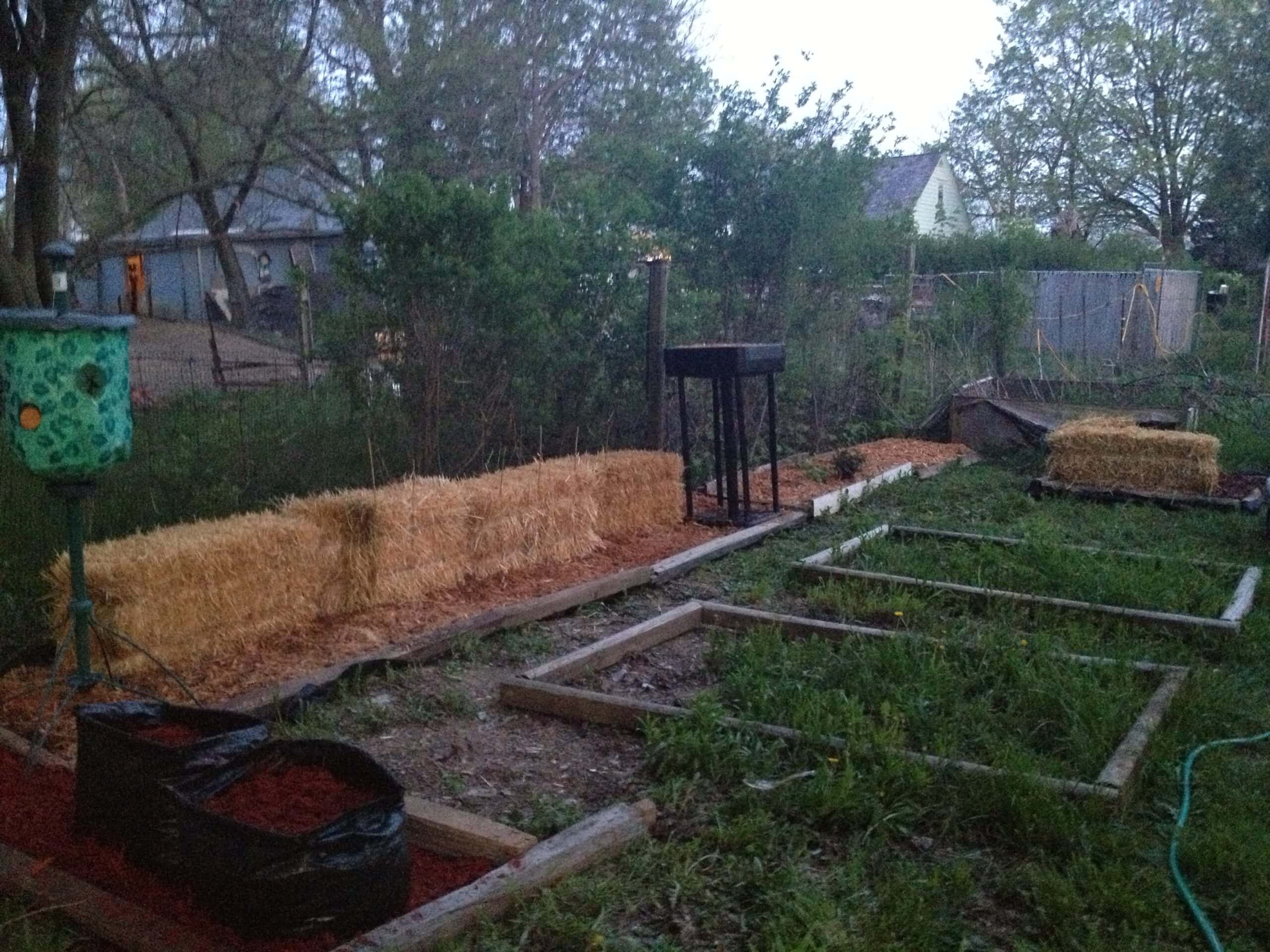
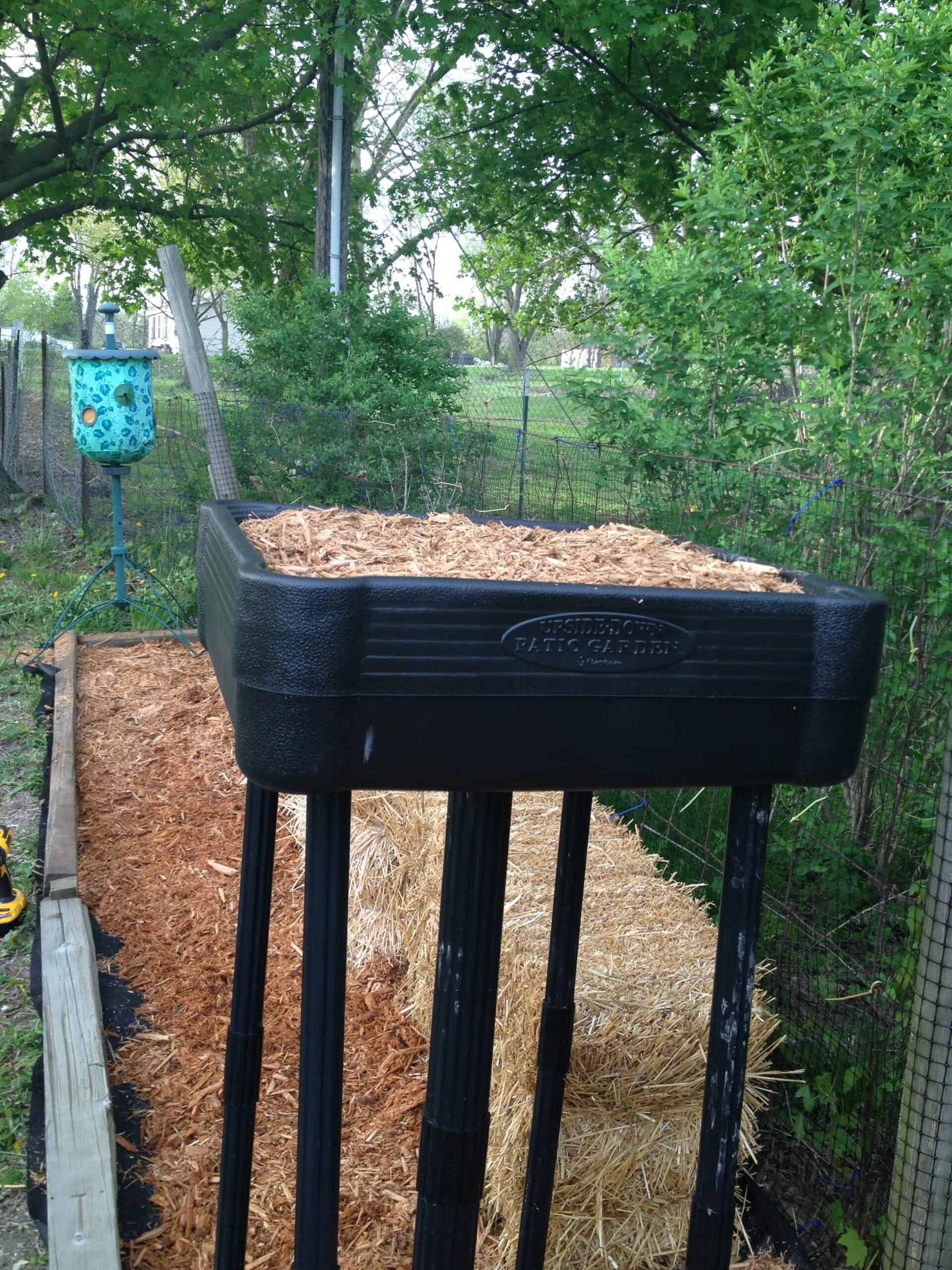
One of the large black containers I tried here turned out to be great for growing lettuce. I liked that part of the experiment.
The idea of growing hanging plants underneath it, however, didn't impress me nearly as much. It sounded interesting. In practice, it really didn't work particularly well.
That's useful information too.
AN EXPERIMENT WORTH REPEATING
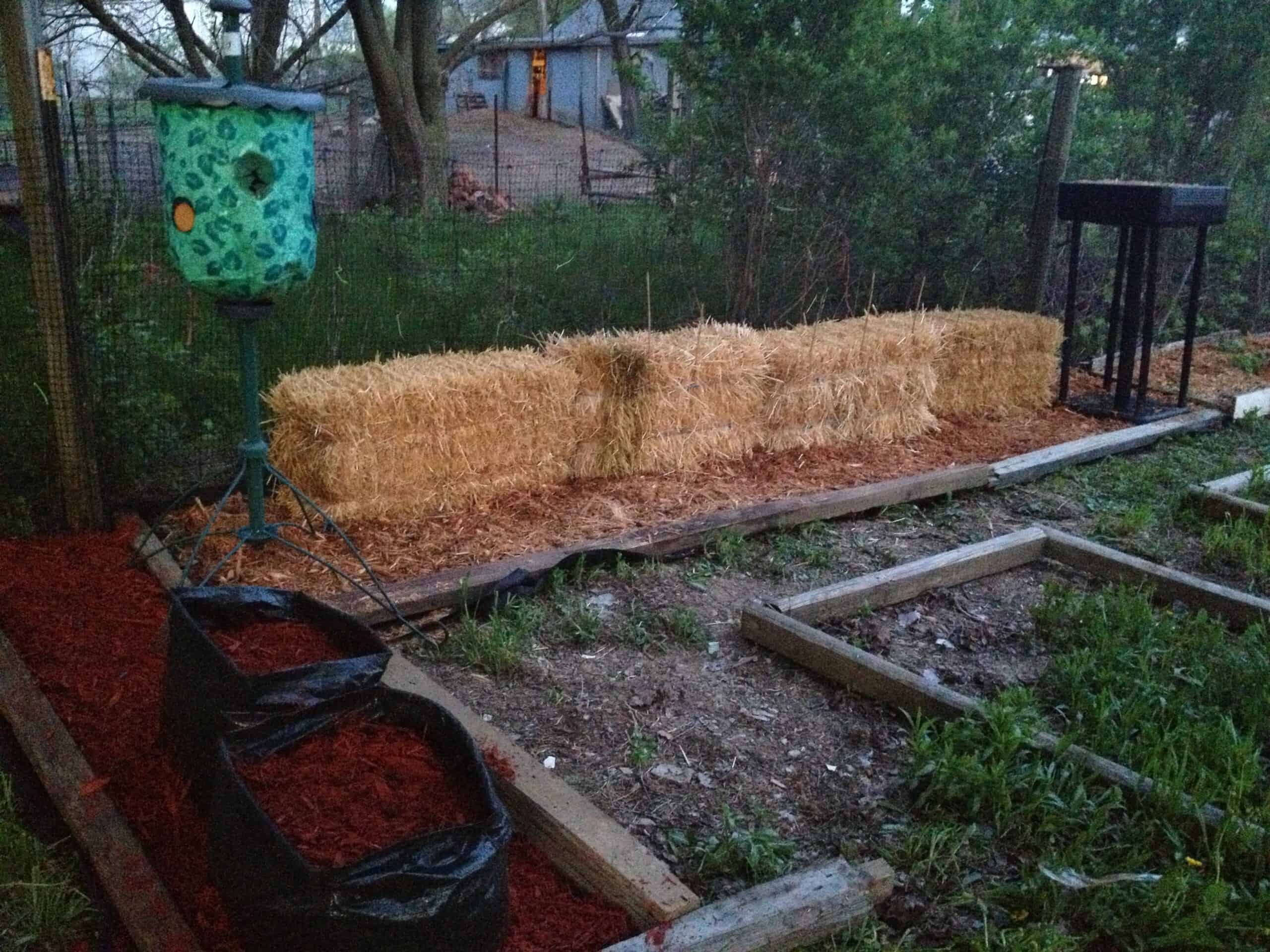
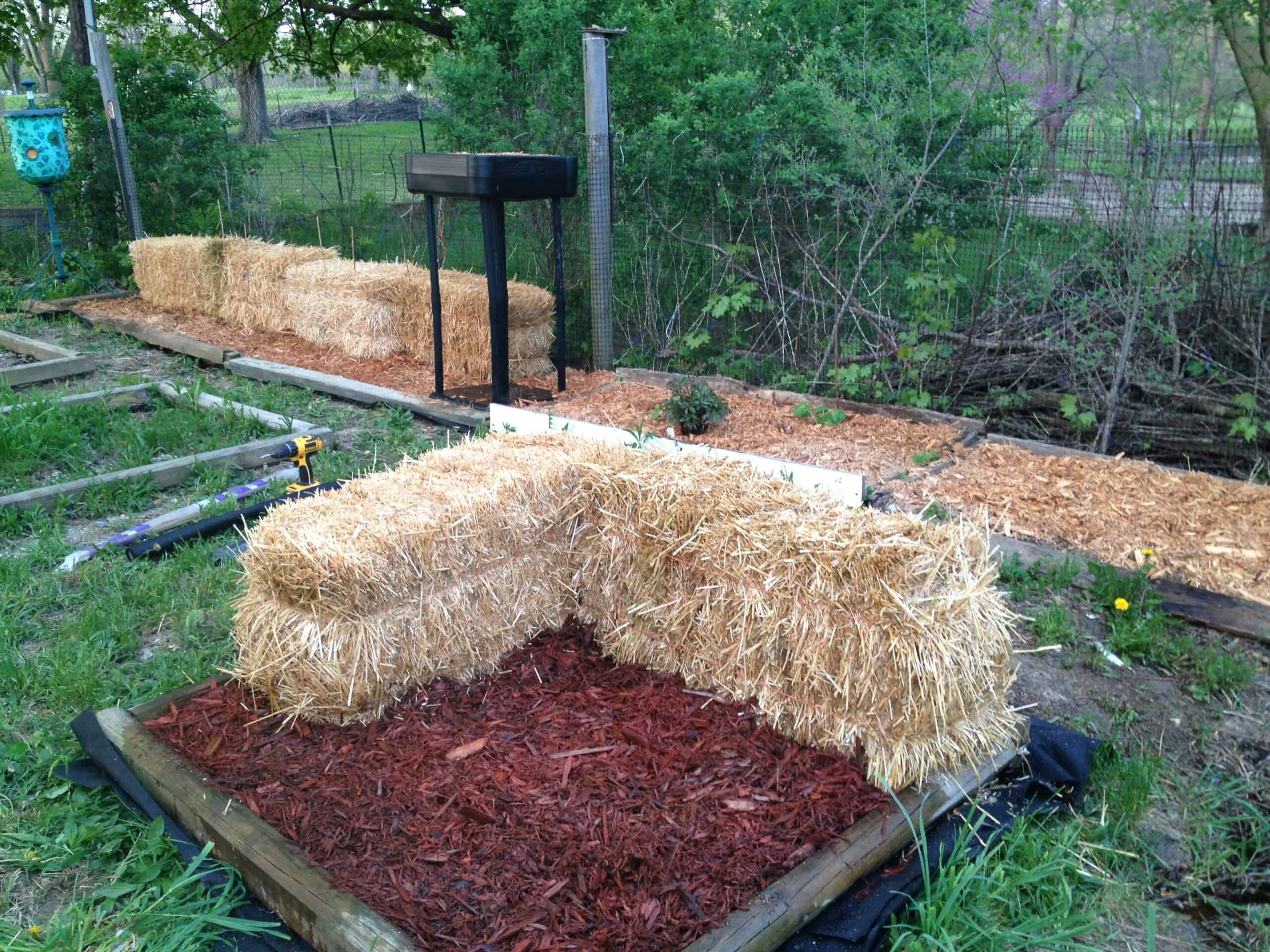
Straw-Bale Gardening Worked
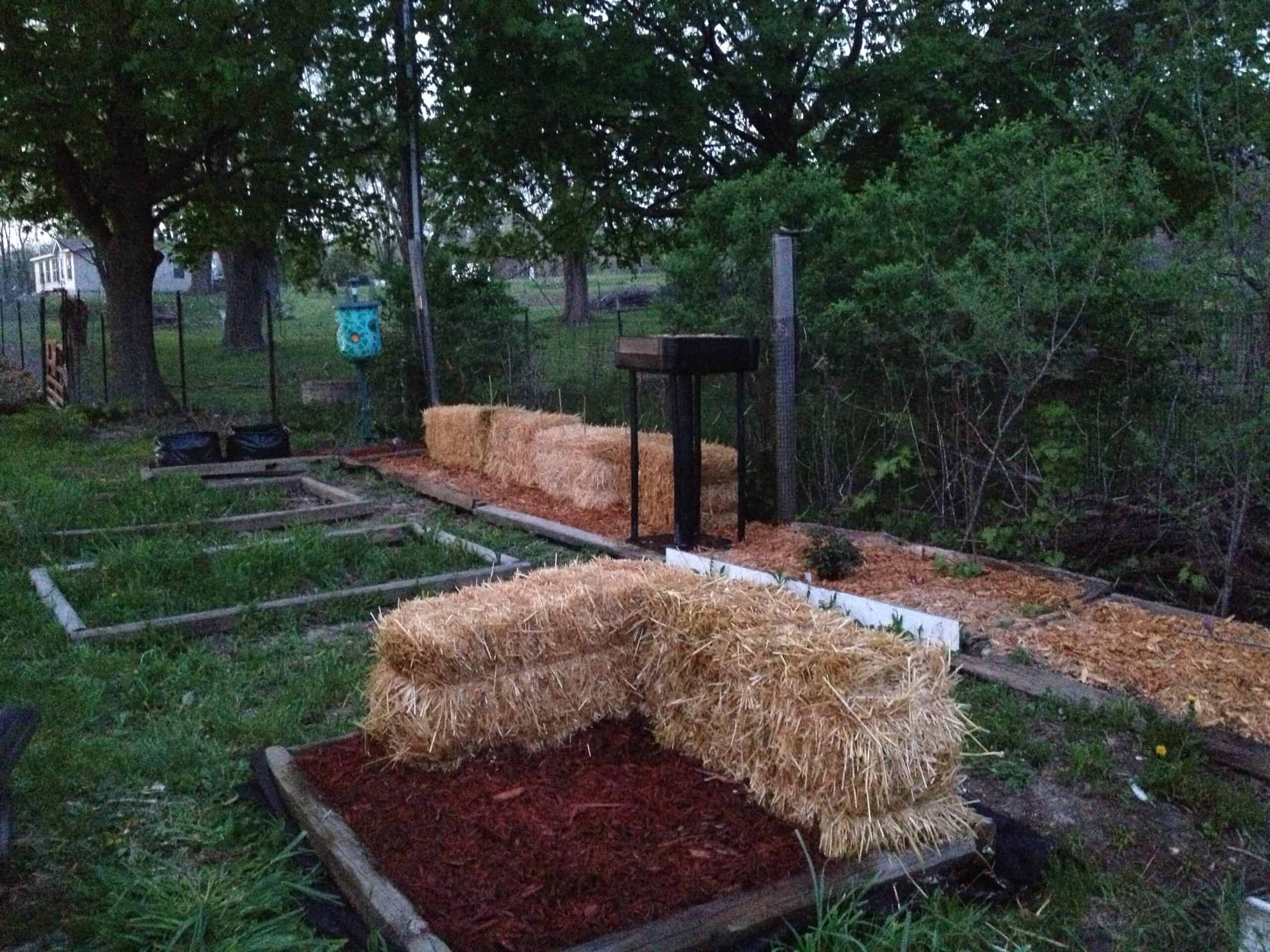
Straw-bale gardening was another technique that made its way into the Experimental Garden — and this one was not a one-and-done experiment.
Straw bales worked well for us. In fact, we've used them several times over the years.
That's one of the things I enjoy most about experimenting in the garden. I'm not trying something merely so I can say I did it. I want to see what happens under my actual growing conditions.
If something works, I can use it again, adapt it or find another situation where it makes sense. If it doesn't work, I still learned something.
AND YES, GARDENS GET MESSY
This Was Never A Show Garden
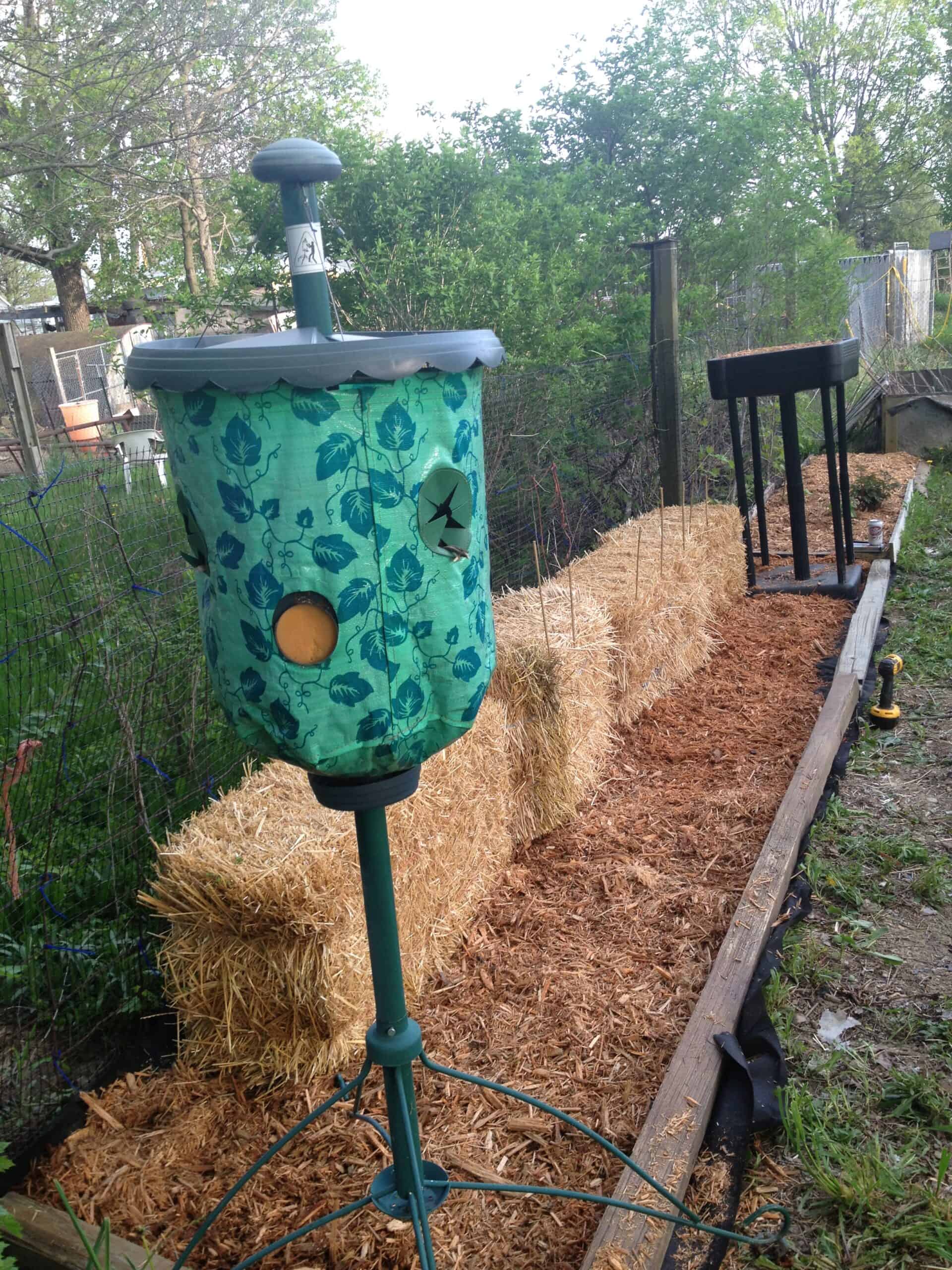
There's another part of this garden's history that I don't want to edit out: things get messy and life gets busy.
A working garden doesn't always look like the photograph you would choose for the front of a seed catalog. There are times when weeds get ahead of you, containers don't look particularly impressive, plants finish for the season and projects sit half-done because something else needs your attention.
That's especially true in a garden devoted to experimentation. This space was never supposed to prove that I could keep every square foot perfectly manicured. It was a place to grow things, test ideas, make observations and learn.
Some experiments worked well enough that I've repeated them for years. Some taught me what I would do differently the next time. Some weren't worth repeating at all.
I consider all three outcomes useful.
TRY IT • WATCH IT • LEARN FROM IT
That's Why It's Called The Experimental Garden
Gardening has always involved experimentation for me. Books, classes and other gardeners can give you an excellent starting point, but eventually you have to put a plant in your own soil, under your own weather conditions, and see what it does.
The Experimental Garden gave me room to do exactly that. Fruit trees could grow alongside herbs. Vegetables could end up in unusual containers. A tunnel house could stretch the season. Straw bales could become temporary growing beds. One year's experiment could disappear the next year or become something I returned to again and again.
And really, anything went in this area.
That was the whole point.
GARDEN #8
The Far Acre Garden
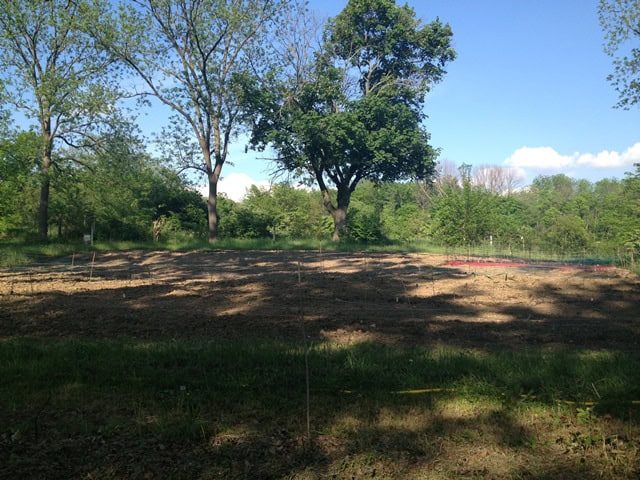
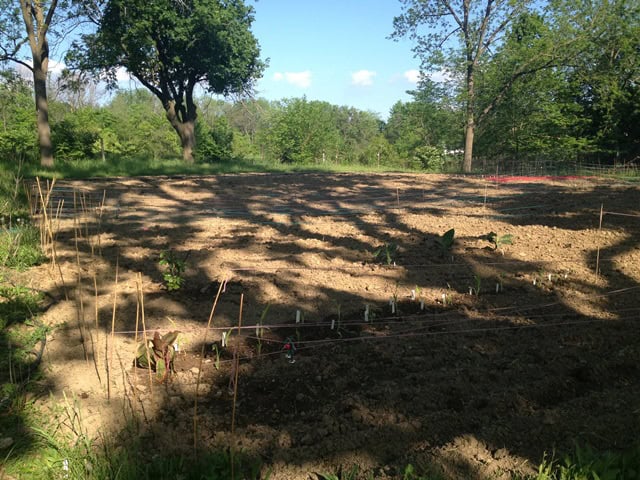
The Far Acre Garden occupies the last acre of land we bought, and from the beginning I wanted this space to do a little bit of everything.
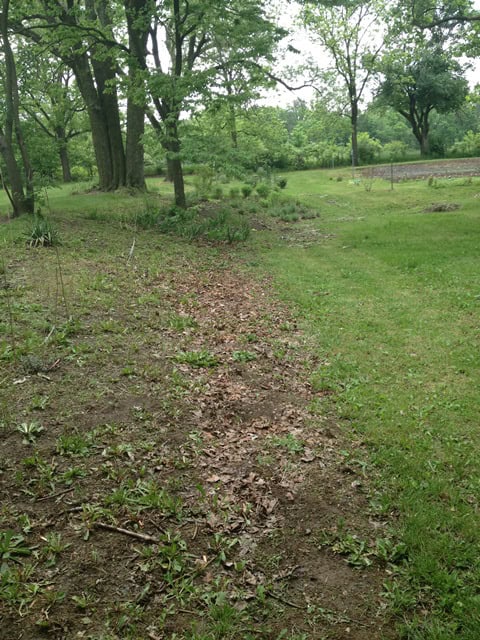
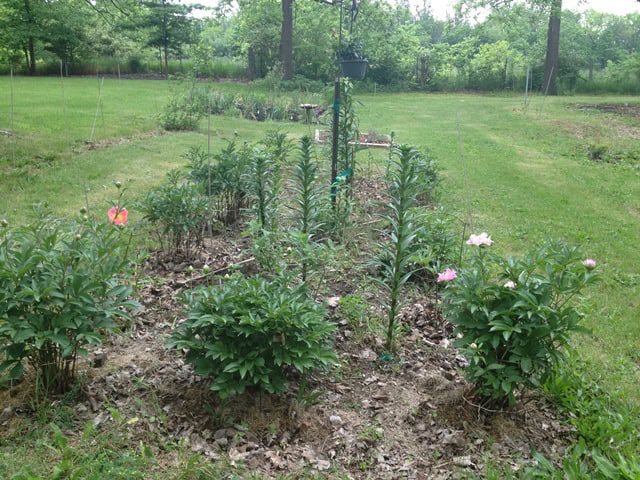
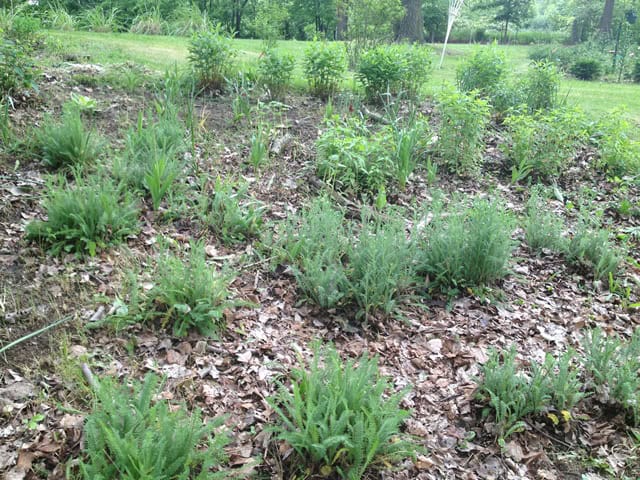
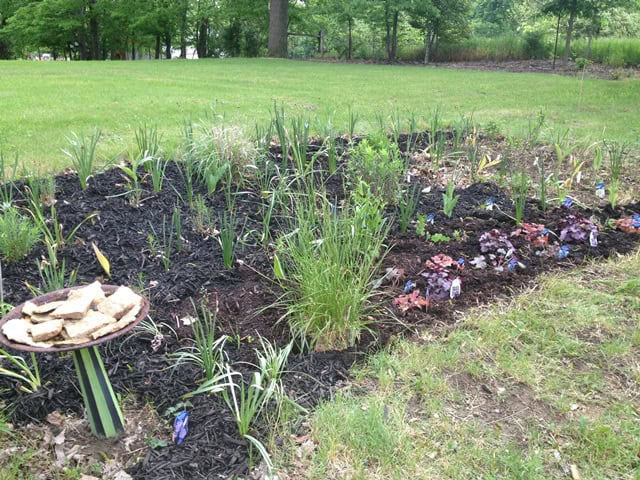
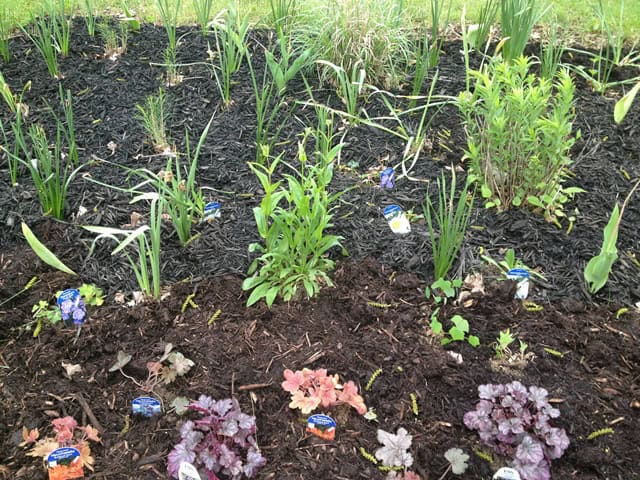
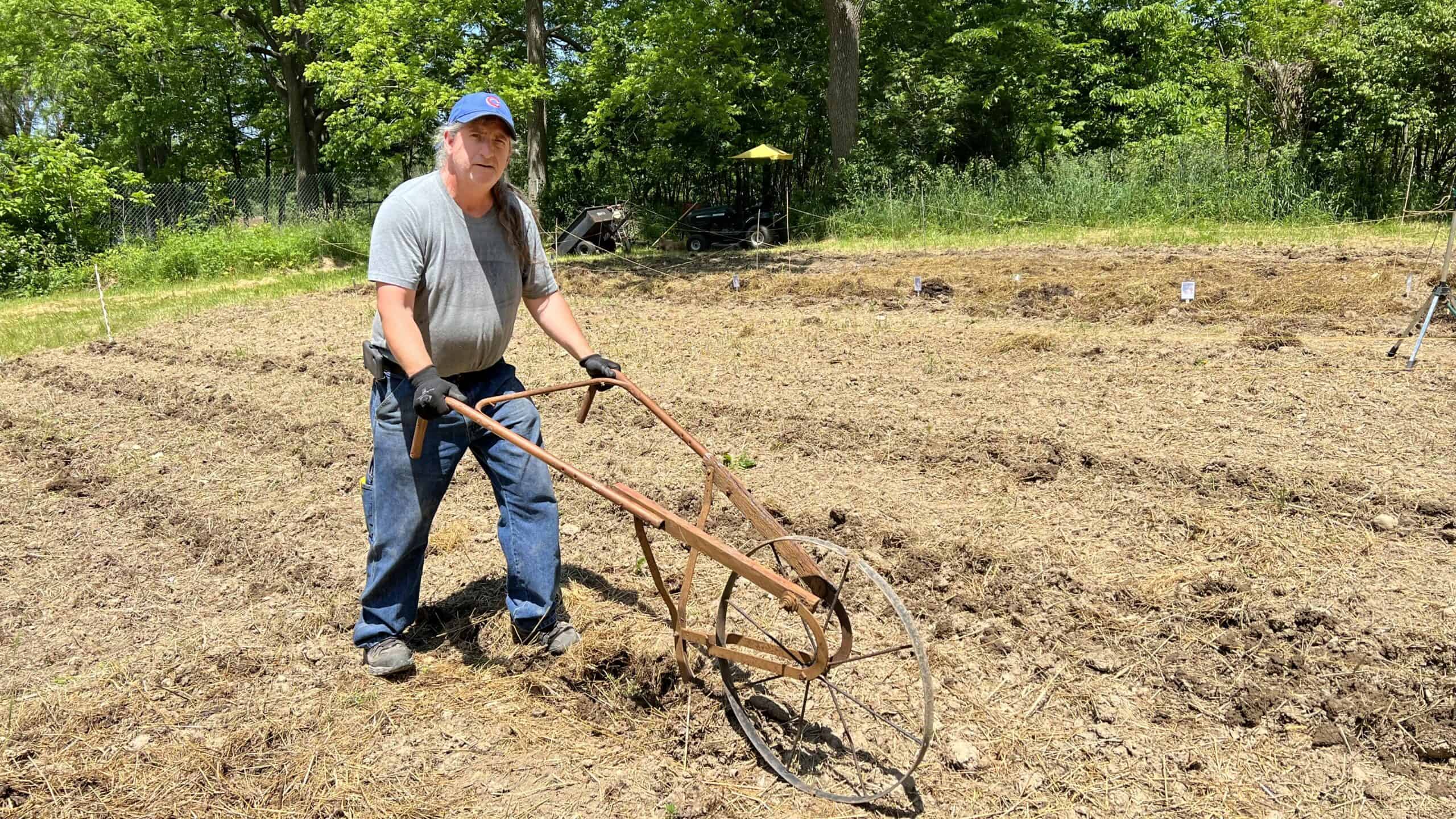
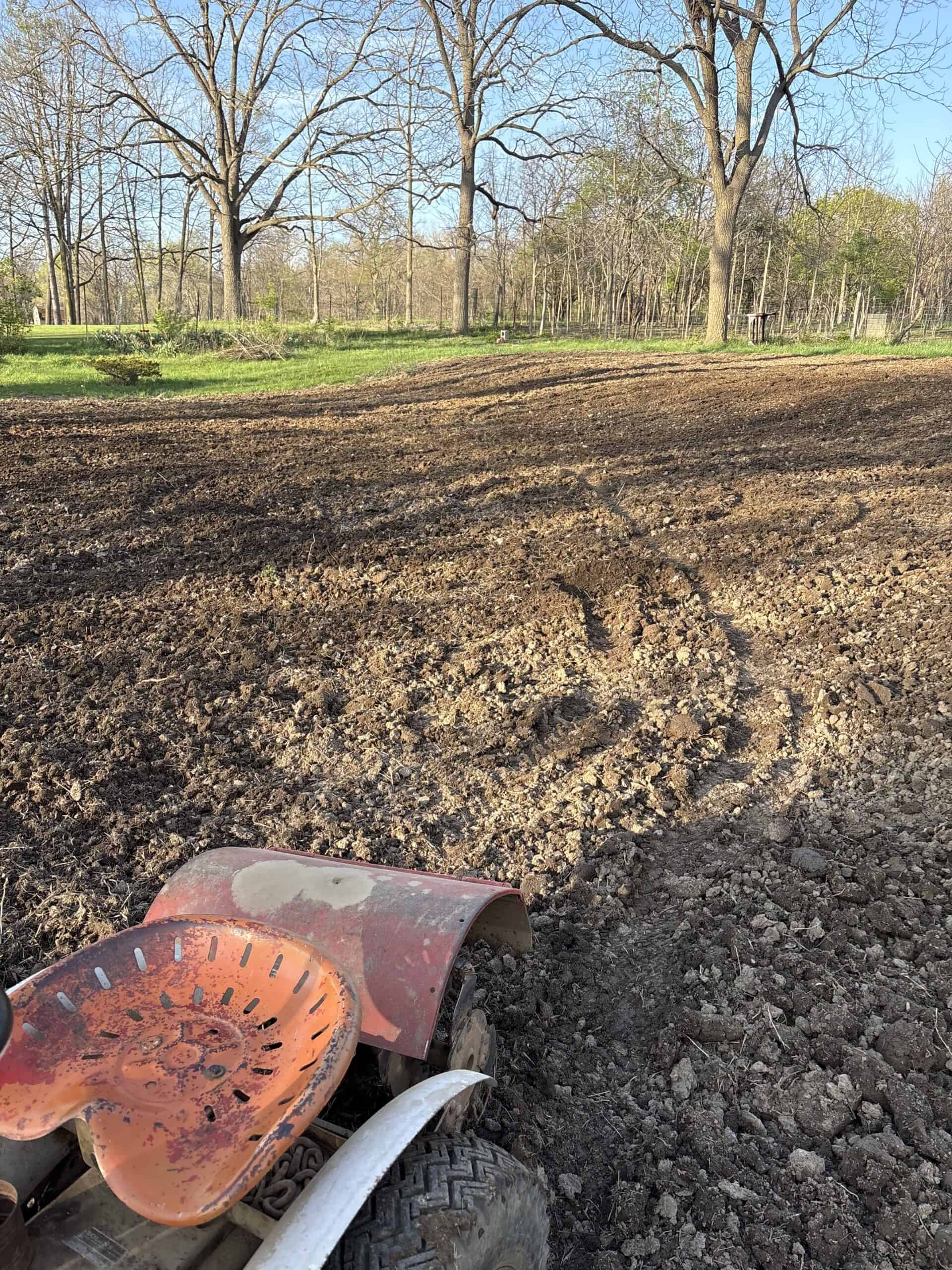
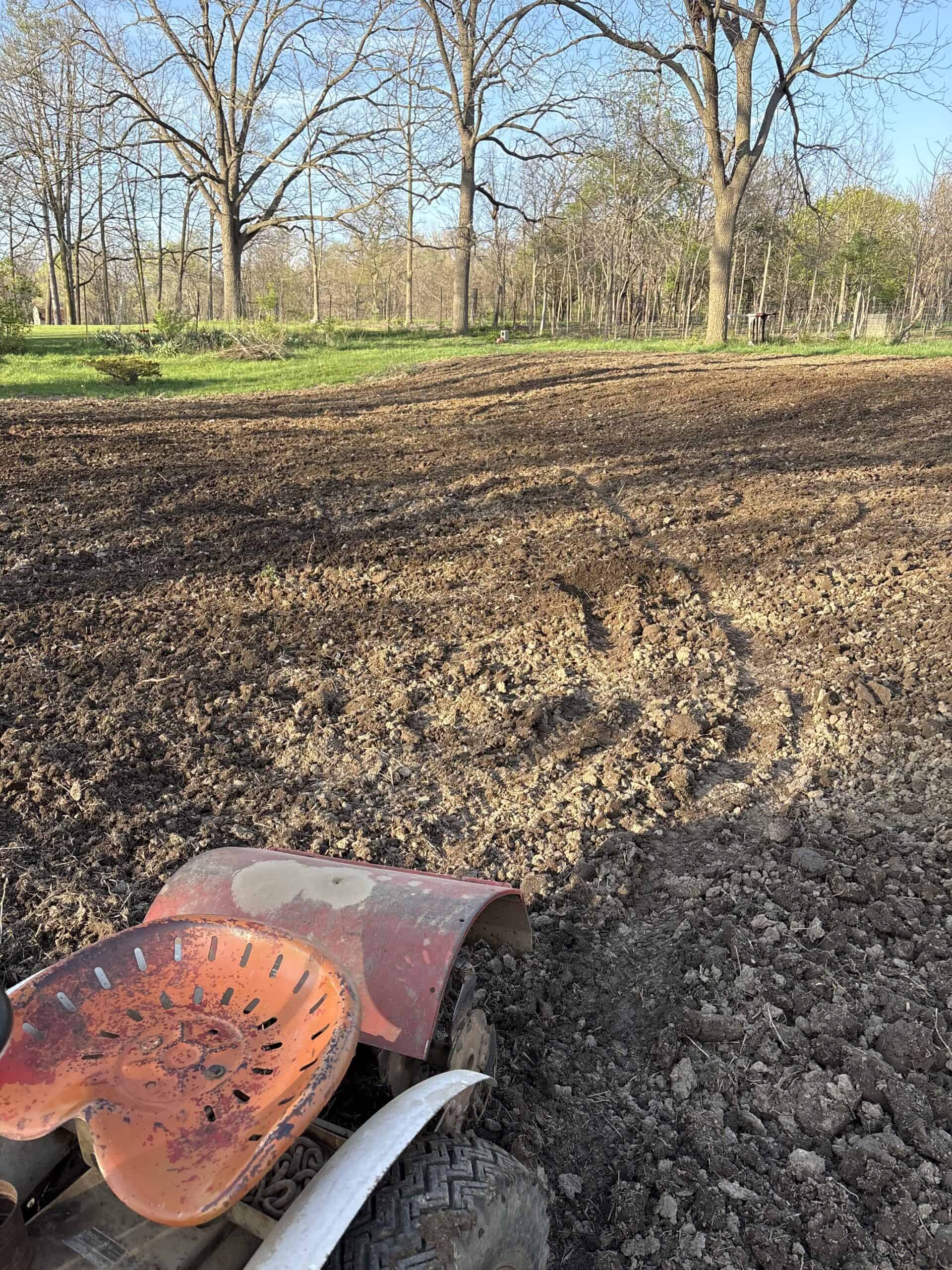
There has been a large vegetable garden here, a native plant garden, apple trees, roses, peonies and an ever-changing mixture of trees, shrubs, ornamental grasses and bamboo. Then there is what we simply call “the hill” — a very different part of the acre beneath large maple trees, where moss covers much of the ground and the garden meets the pasture.
That's really the Far Acre in a nutshell. It is productive and ornamental, cultivated and a little wild, sunny in some places and deeply shaded in others.
ONE ACRE • MANY PURPOSES
A True Mixed Landscape
It would be difficult to put the Far Acre into a single garden category because it was never meant to have only one purpose.
Food plants and ornamentals belong here together. Apple trees share the acre with roses and peonies. Native plants have their place alongside cultivated garden plants. Trees and shrubs add structure, while ornamental grasses and bamboo add movement and texture.
Some areas are intensively gardened. Others feel much more natural.
I like that.
Instead of forcing an entire acre into one gardening style, I've been able to respond to the different conditions across the property and use the land in different ways.
GROWING FOOD • SHARING FOOD
Room For A Really Big Vegetable Garden
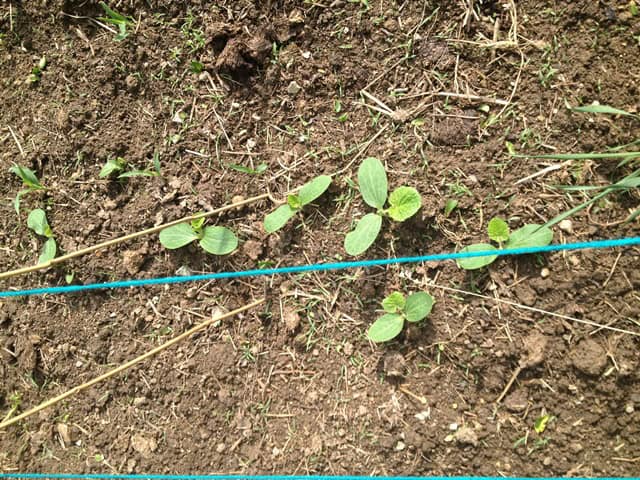
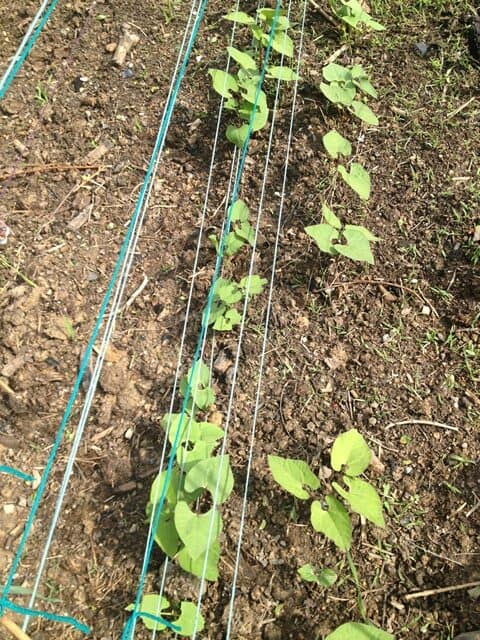
One reason I wanted this additional ground was simple: I wanted room to grow a lot of food.
I wanted to grow food for our own household, preserve as much of that harvest as possible and have enough extra produce to share.
The large vegetable garden on the Far Acre gave me the growing space to do that on a much larger scale than a small backyard vegetable patch ever could.
At the height of my food-preservation years, I have canned as many as 1,500 jars of food in a single season. That kind of preservation begins long before the canner comes out. It starts here — with soil, seeds, plants, harvest baskets and enough growing space to produce food in quantity.
At times, preserving the harvest from our food-growing efforts meant canning as many as 1,500 jars in one season.
MORE THAN OUR OWN TABLE
Growing Enough To Share
Growing our own food was only part of what I wanted to do with a vegetable garden this size.
My involvement with Plant-A-Row for the Hungry reinforced something I already believed strongly: if you have the ground and ability to grow a little extra, a garden can feed people beyond your own household.
So part of the vision for having a large productive garden was being able to grow surplus produce to share through Plant-A-Row efforts.
That makes the food garden part of the Far Acre story, but not the entire story. Walk a little farther and the character of this acre changes again.
“THE HILL”
A Garden Within The Garden
One of the most distinctive parts of the Far Acre is an area we simply call “the hill.”
Landscaping the hill has been an ongoing project rather than something I planted once and considered finished.
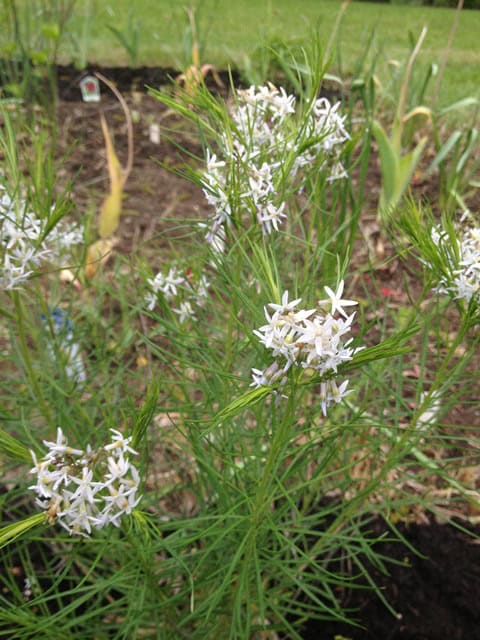
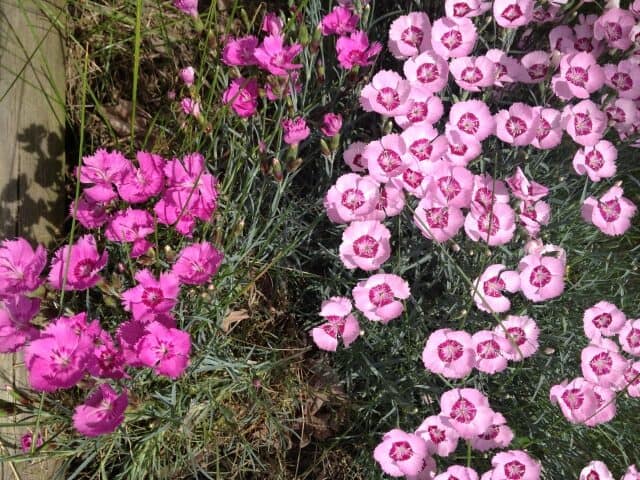
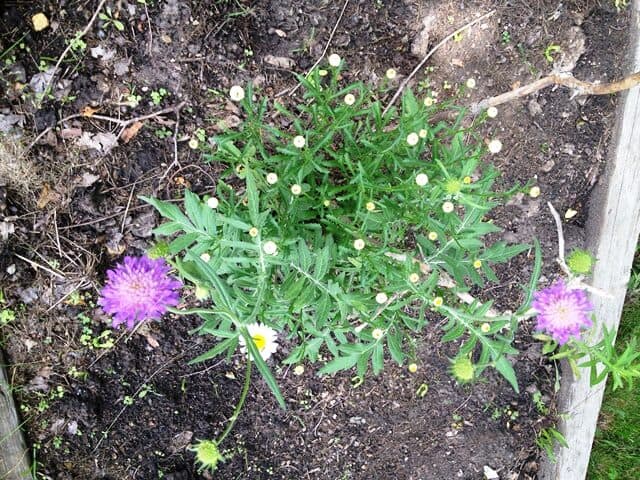
Over the years I've worked with plants such as phlox, bee balm, yarrow, hydrangea and hosta there, along with numerous trees, shrubs, ornamental grasses and bamboo.
Having that much space is wonderful because it gives plants room to become part of a larger landscape rather than squeezing everything into small individual beds.
But the hill also presents its own challenges.
Figuring out what will actually thrive there isn't always easy. Once established, plants need to be fairly drought tolerant, so choosing plants is partly an exercise in observing what can handle the conditions rather than simply planting whatever catches my eye.
UNDER THE MAPLES
Moss, Shade & A Place To Sit
Much of the ground beneath the large maple trees is covered naturally in moss.
I find it attractive and soothing, so I don't look at that moss-covered ground as something that needs to be replaced with lawn.
It contributes to an entirely different atmosphere from the productive vegetable garden elsewhere on the acre. The maples create shade overhead, moss softens the ground below, and there are places to sit right beside the large pasture area.
This is one of the things I enjoy about a mixed landscape. Not every square foot needs to perform the same job.
Some ground grows food.
Some grows flowers.
Some supports wildlife.
And some can simply be a pleasant place to sit for a while.
PART OF A LARGER SELF-SUFFICIENCY STORY
When Growing & Preserving Food Became News
The food-growing side of our life here eventually became part of a much larger conversation about people returning to home cooking, gardening, food preservation and self-sufficiency.
In December 2008, I was interviewed for The New York Times article “From Dining Out to Cold Turkey” by Marian Burros.
For me, though, growing and preserving food wasn't a passing trend. The large vegetable garden, shelves of home-canned food and desire to become more self-sufficient were already part of how we were living.
The Far Acre gave me more room to keep doing it.
ONE ACRE • MANY STORIES
That's The Far Acre
The Far Acre has never been just the vegetable garden, just the orchard, just a native garden or just an ornamental landscape.
It is all of those things.
It gave me room to grow food for our own table and food to share. It gave apple trees, roses and peonies places to grow. It gave me room to experiment with native plants, trees, shrubs, grasses and bamboo.
And up on the hill, beneath the maples and alongside the pasture, it gave me an entirely different kind of gardening challenge — figuring out what would thrive while also appreciating what was already there.
Landscaping this acre has not always been easy, but figuring it out has certainly been fun.
GARDEN #9
The Greenhouse Garden
Gardening here has never stopped when the outdoor growing season ends. The Greenhouse Garden developed into a collection of growing spaces that let me keep plants alive, start new ones and continue growing through an Indiana winter.
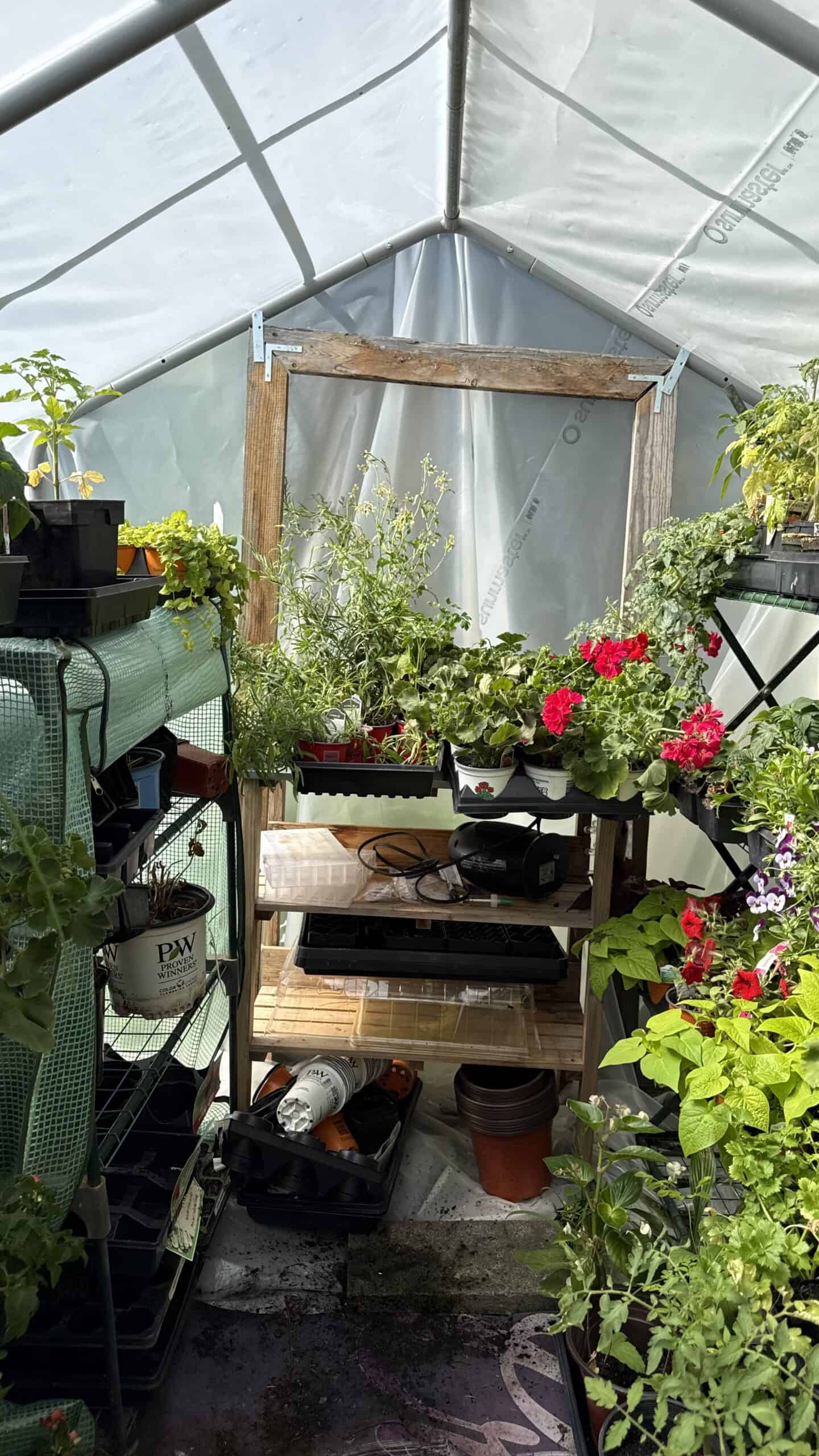
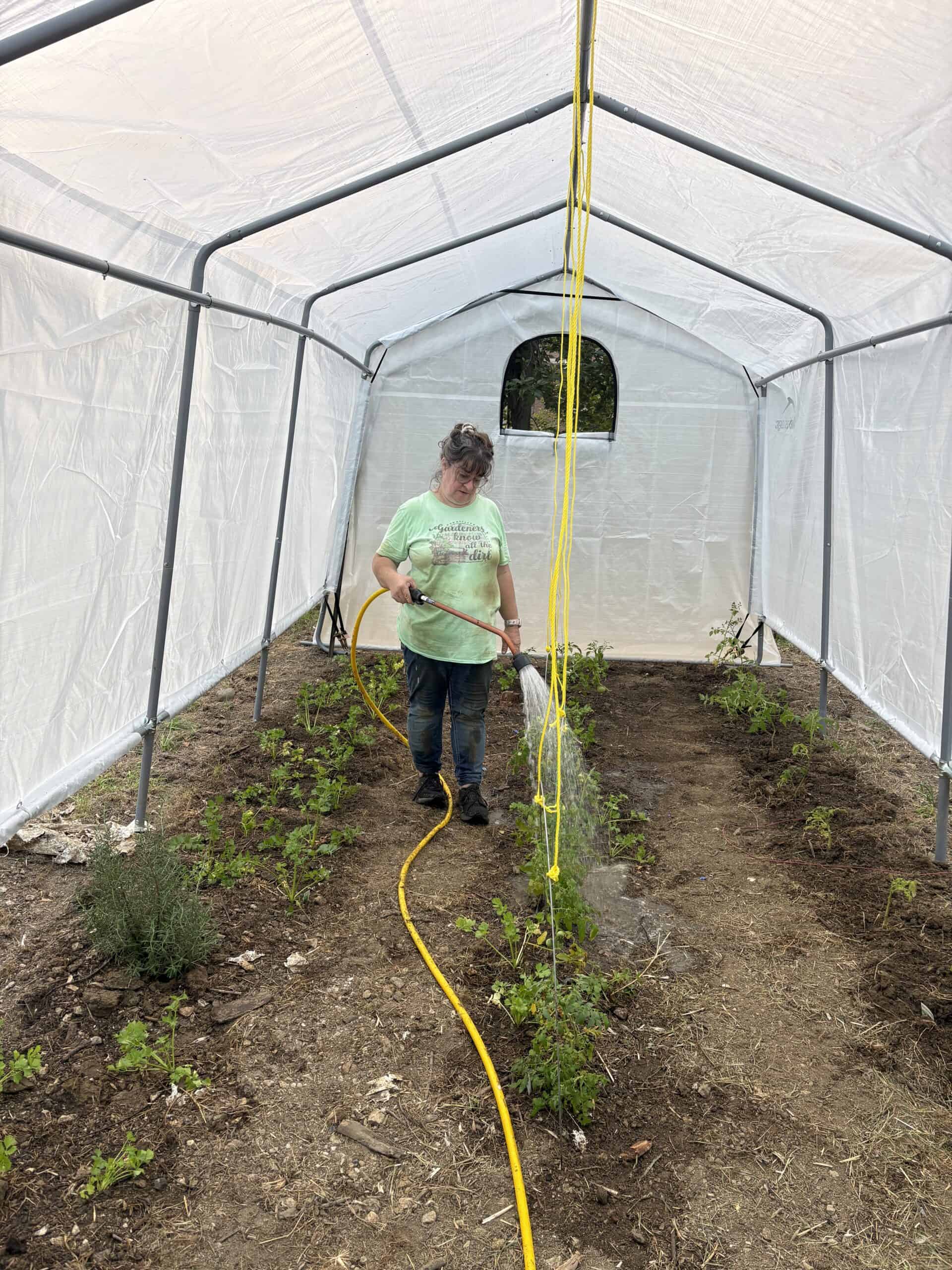
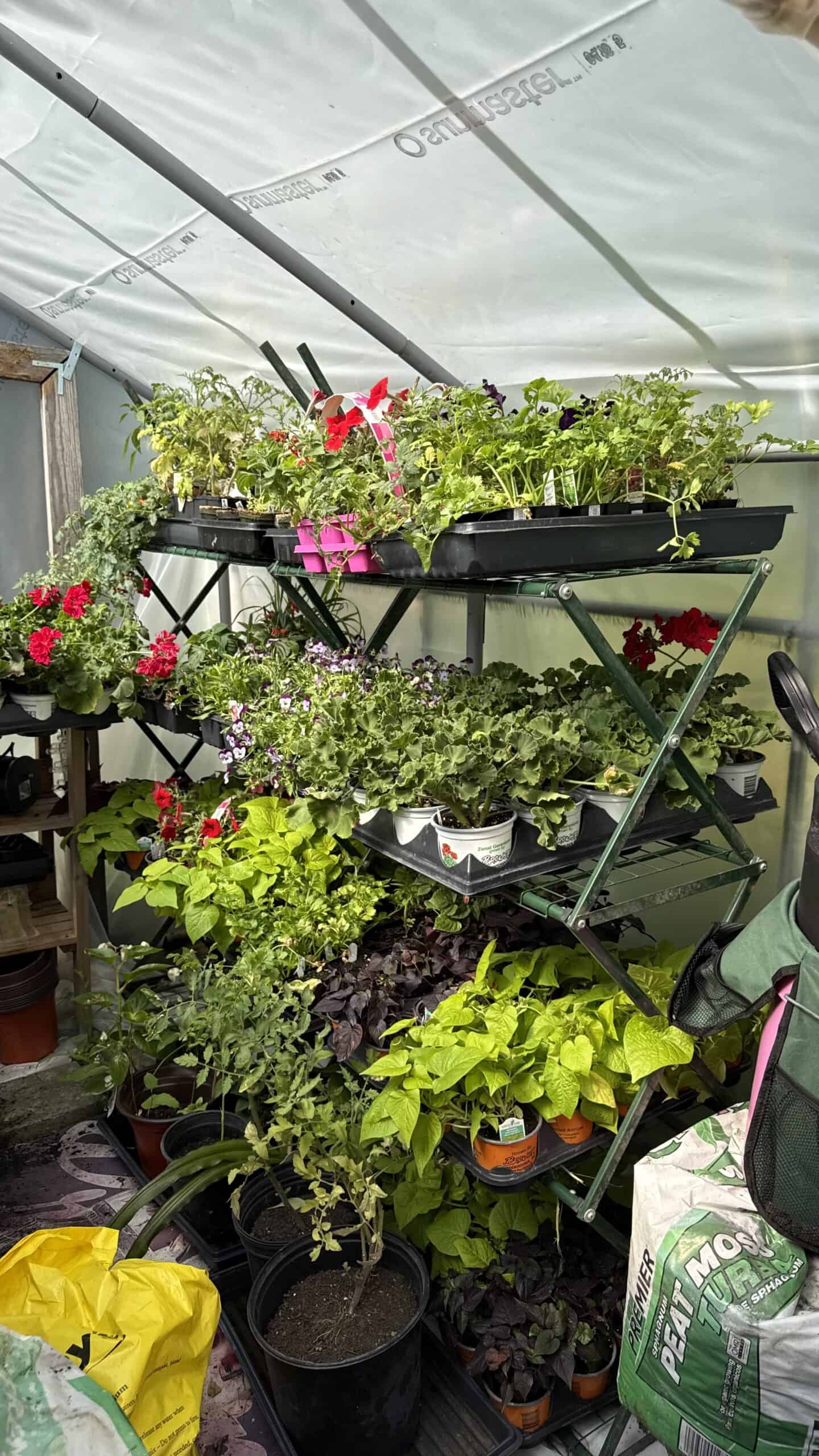
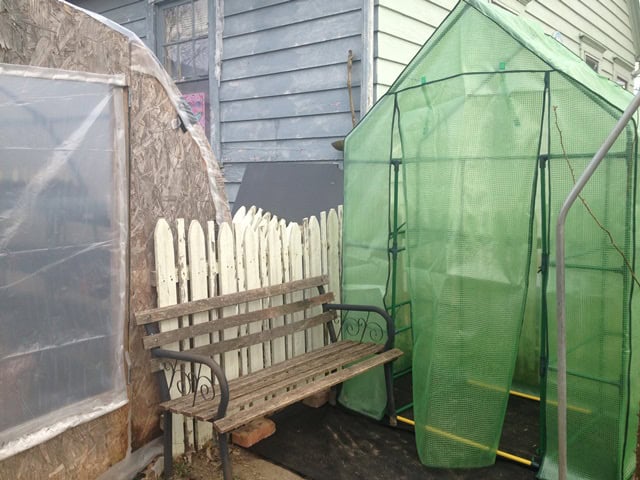
At the heart of it is the heated greenhouse where I grow tropical and unusual plants. Over the years, the larger greenhouse area, walk-in greenhouses, cold frames, tunnel houses and, later, an indoor grow tent have each served different purposes.
Some spaces protect tropical plants. Some produce seedlings for the gardens. Some extend the vegetable season. Together, they allow the growing year to continue long after frost arrives.
THE HEATED GREENHOUSE
A Place For The Plants That Don't Belong In An Indiana Winter
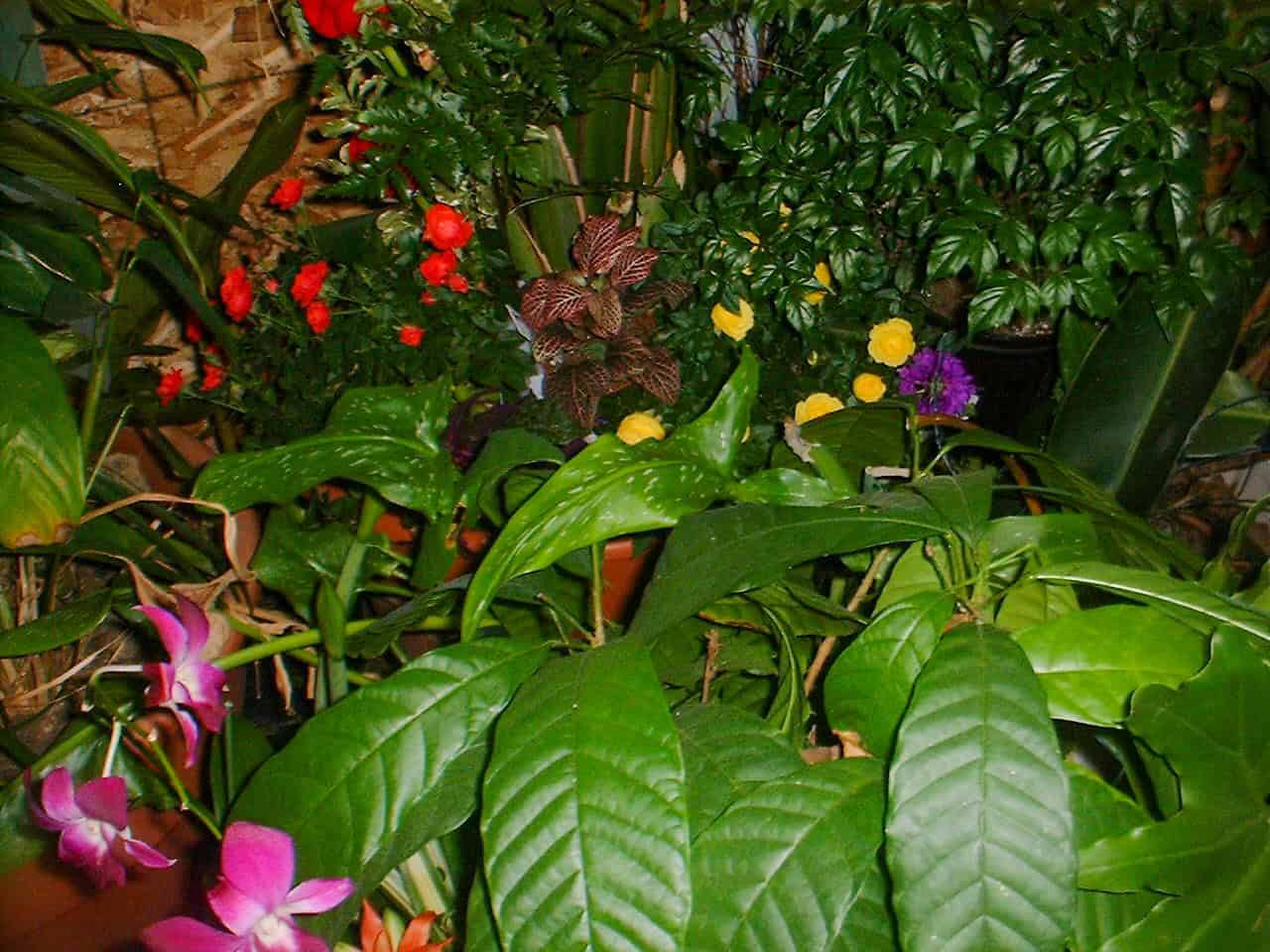
The heated greenhouse is where my love of unusual plants really gets to show.
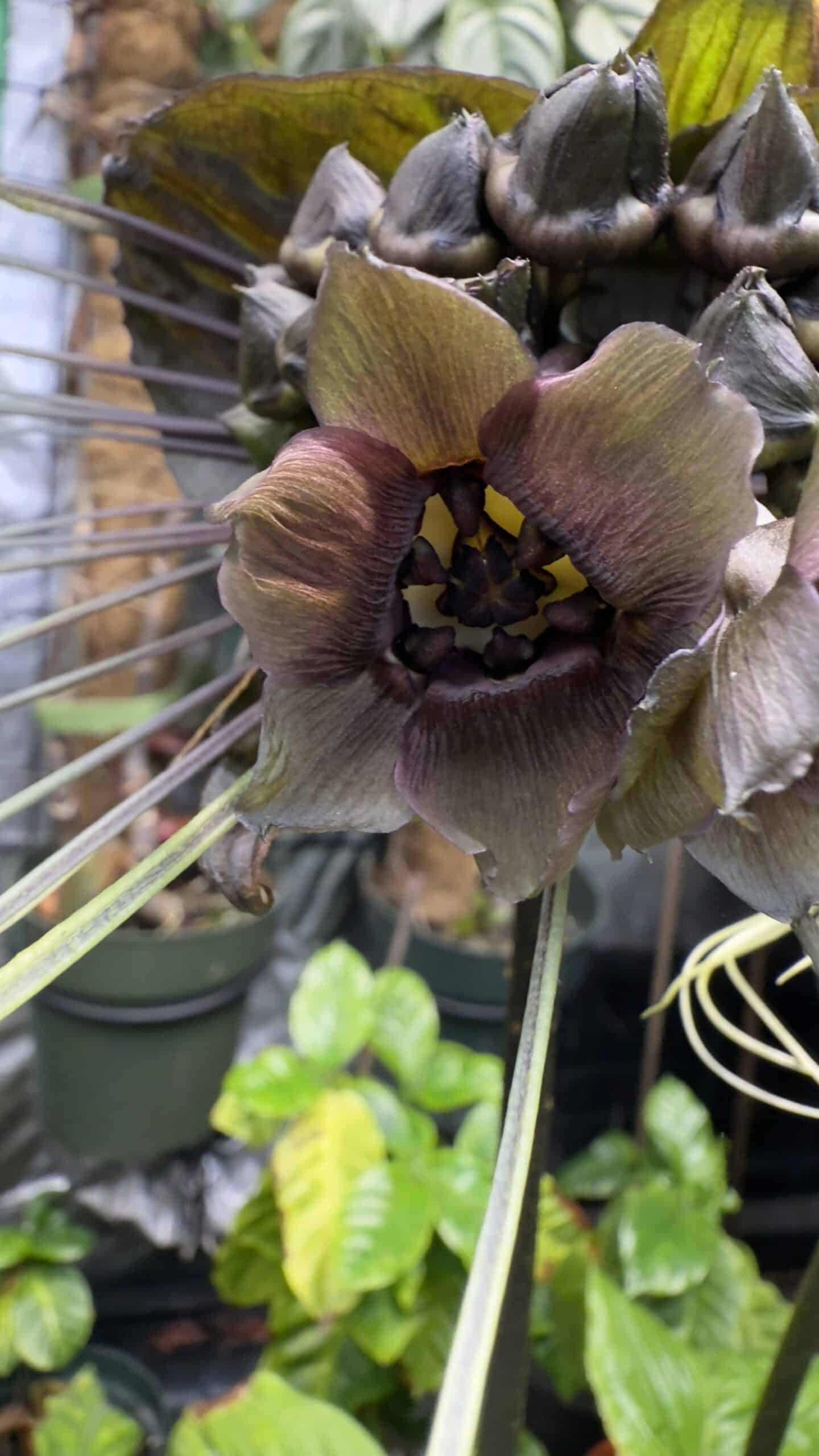
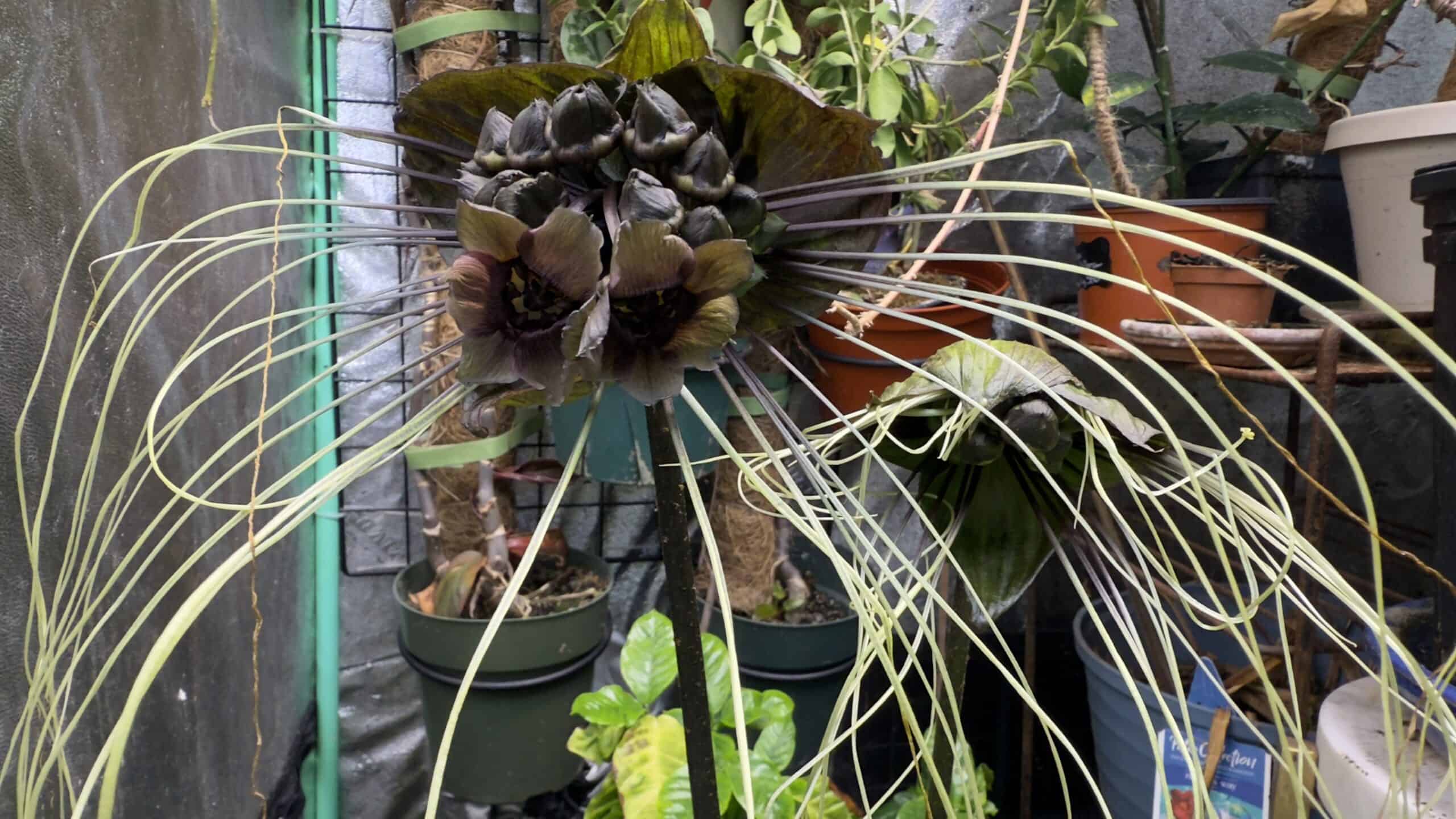
I've always been drawn to plants that are a little different, and over the years the greenhouse has housed a wide array of tropical plants. Some are edible. Some are highly fragrant. Some are grown simply because they are beautiful or unusual.
That variety has always been part of Exotic Gardening. I don't necessarily want a greenhouse filled with rows of the same plant. I enjoy discovering something unfamiliar, learning what it needs and figuring out whether I can successfully grow it here.
In Indiana, many of those plants could never survive outdoors year-round. A heated greenhouse creates a little pocket of a completely different climate where they can continue growing while the outdoor gardens are frozen.
EDIBLE • FRAGRANT • ORNAMENTAL • UNUSUAL
Growing Plants Because They Fascinate Me
Not every plant I grow has to fit neatly into one category. That's particularly true in the greenhouse.
An unusual edible might interest me because I want to know how it grows and what it produces. A fragrant tropical might earn space because I love its scent. Another plant might have remarkable foliage or flowers and be worth growing simply because I find it fascinating.
That curiosity has driven much of my gardening over the years. Growing an unfamiliar plant forces me to learn — about its natural habitat, temperature requirements, light, moisture and what it takes to persuade that plant to thrive far from the climate where it originated.
Sometimes that means success. Sometimes it means changing what I'm doing. And occasionally it means discovering that a particular plant and I simply aren't going to cooperate with one another.
That's gardening.
MORE THAN ONE GREENHOUSE
A Working Growing System
Historically, the Greenhouse Garden included much more than the main greenhouse.
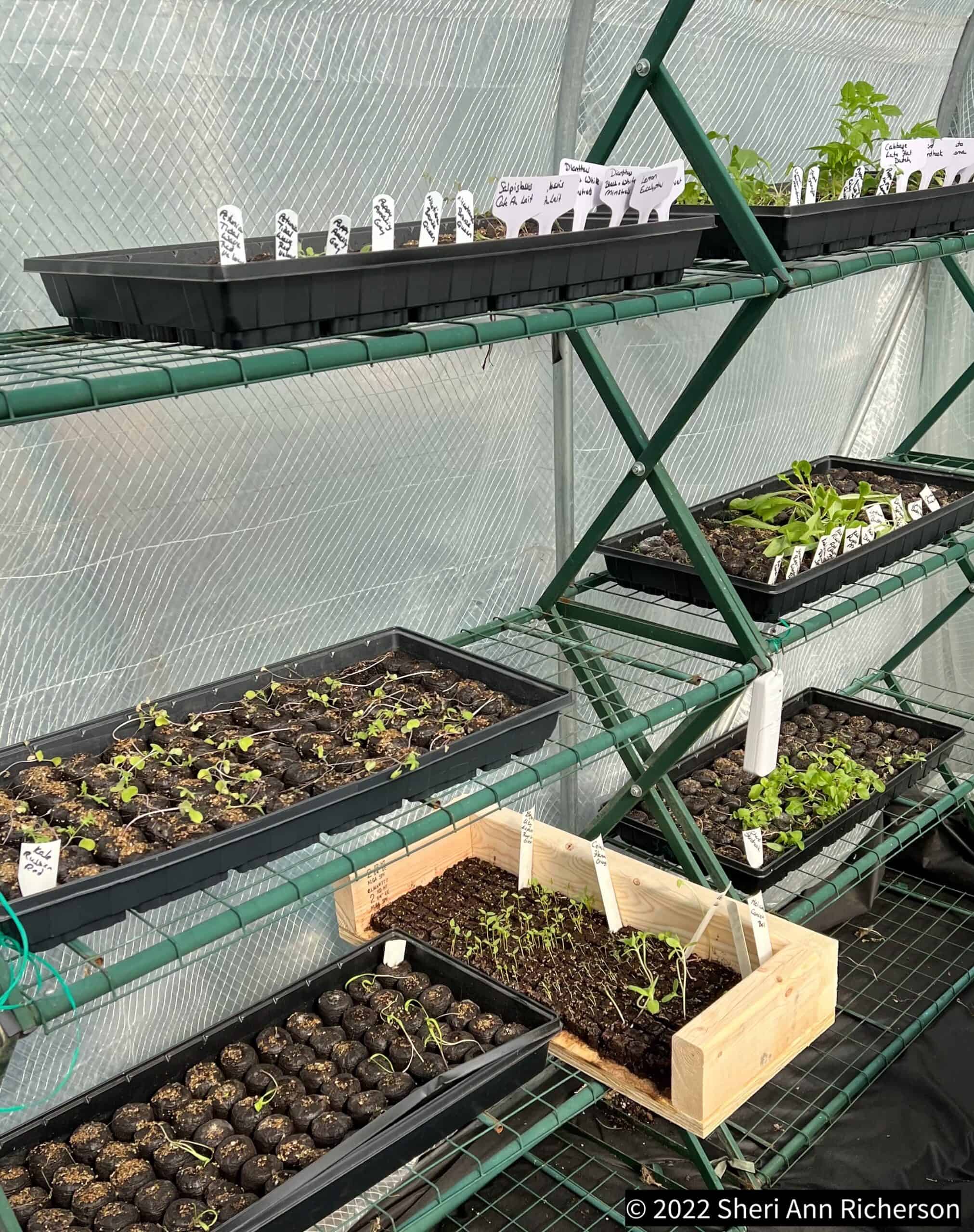
The original setup included four walk-in greenhouses and a cold frame positioned outside the area where the large greenhouse was located.
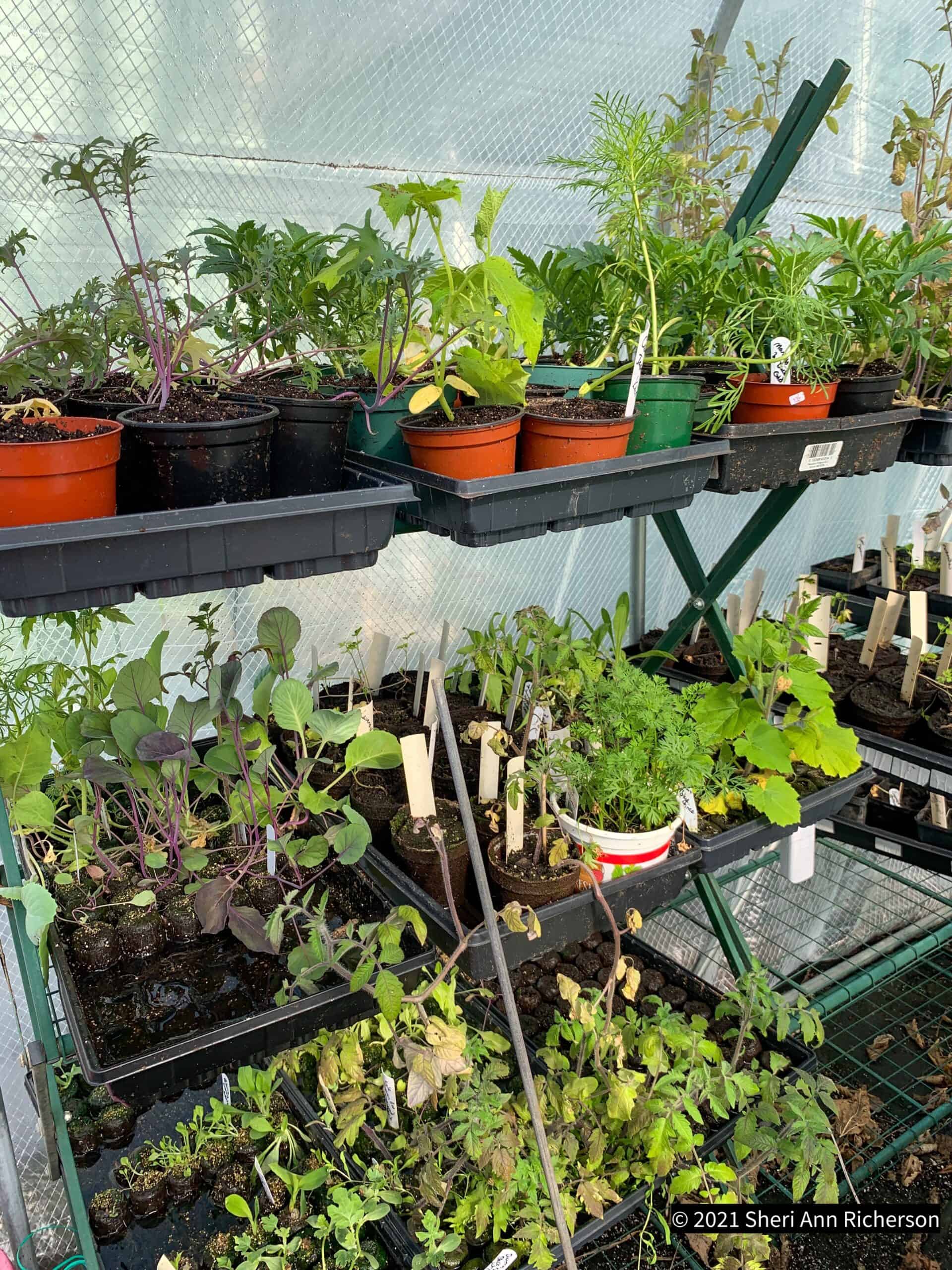
Those spaces became especially busy during late spring and early summer. They were used for seedlings and as holding areas during favorable weather for plants that would eventually move into the outdoor gardens.
When you grow a lot of plants from seed and maintain plants that move between protected and outdoor environments, that transition space becomes incredibly useful.
At the busiest point in the growing season, every protected growing space could be put to work.
SEASON EXTENSION • FOOD PRODUCTION
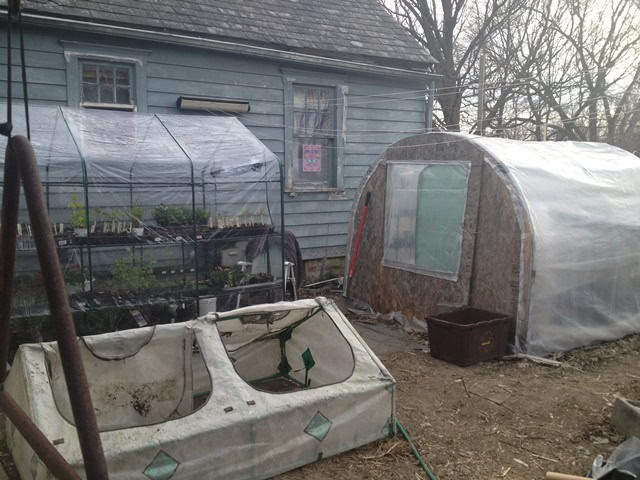
Tunnel Houses For Year-Round Vegetables
The tropical greenhouse and the vegetable-growing structures serve very different purposes.
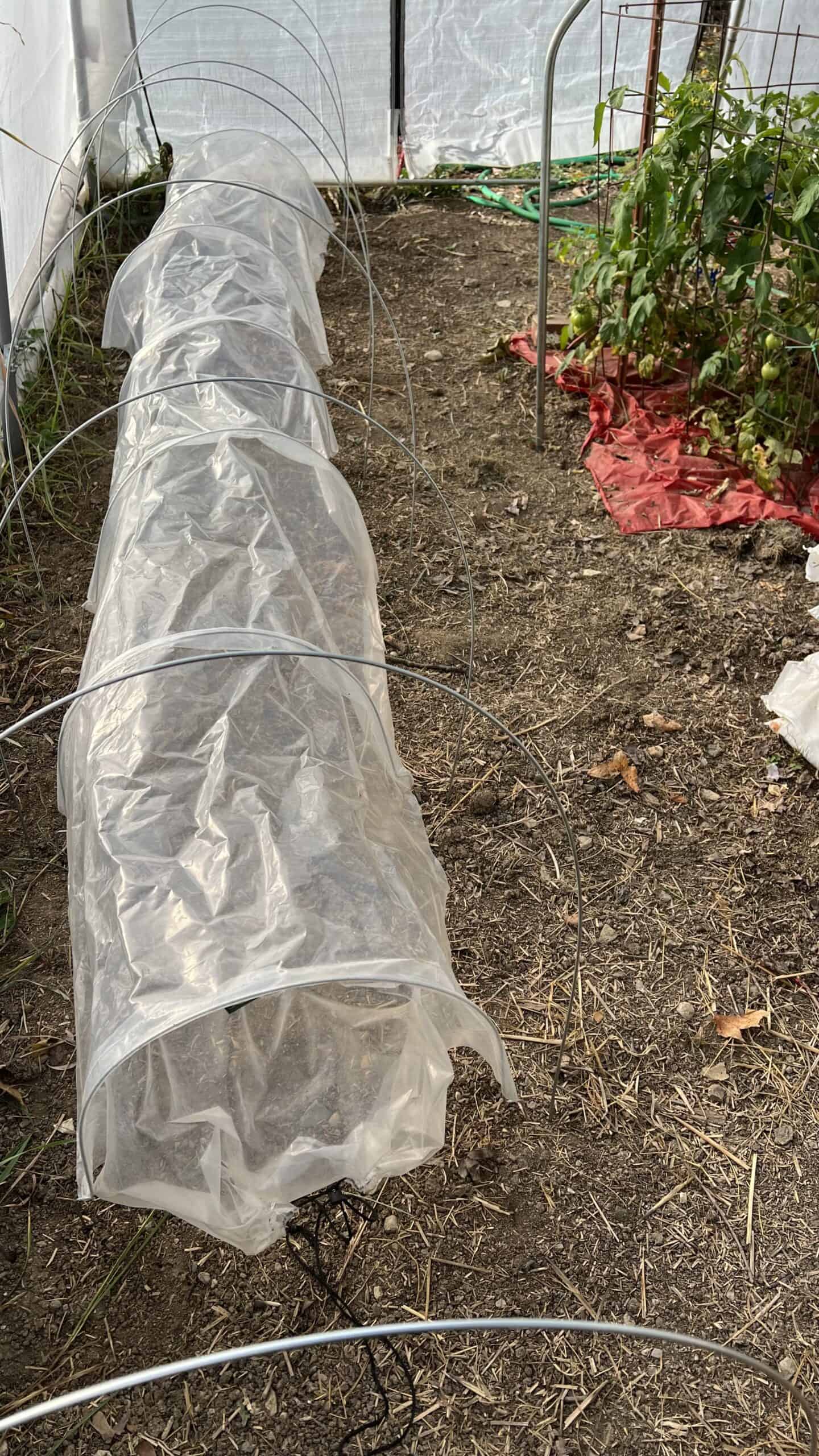
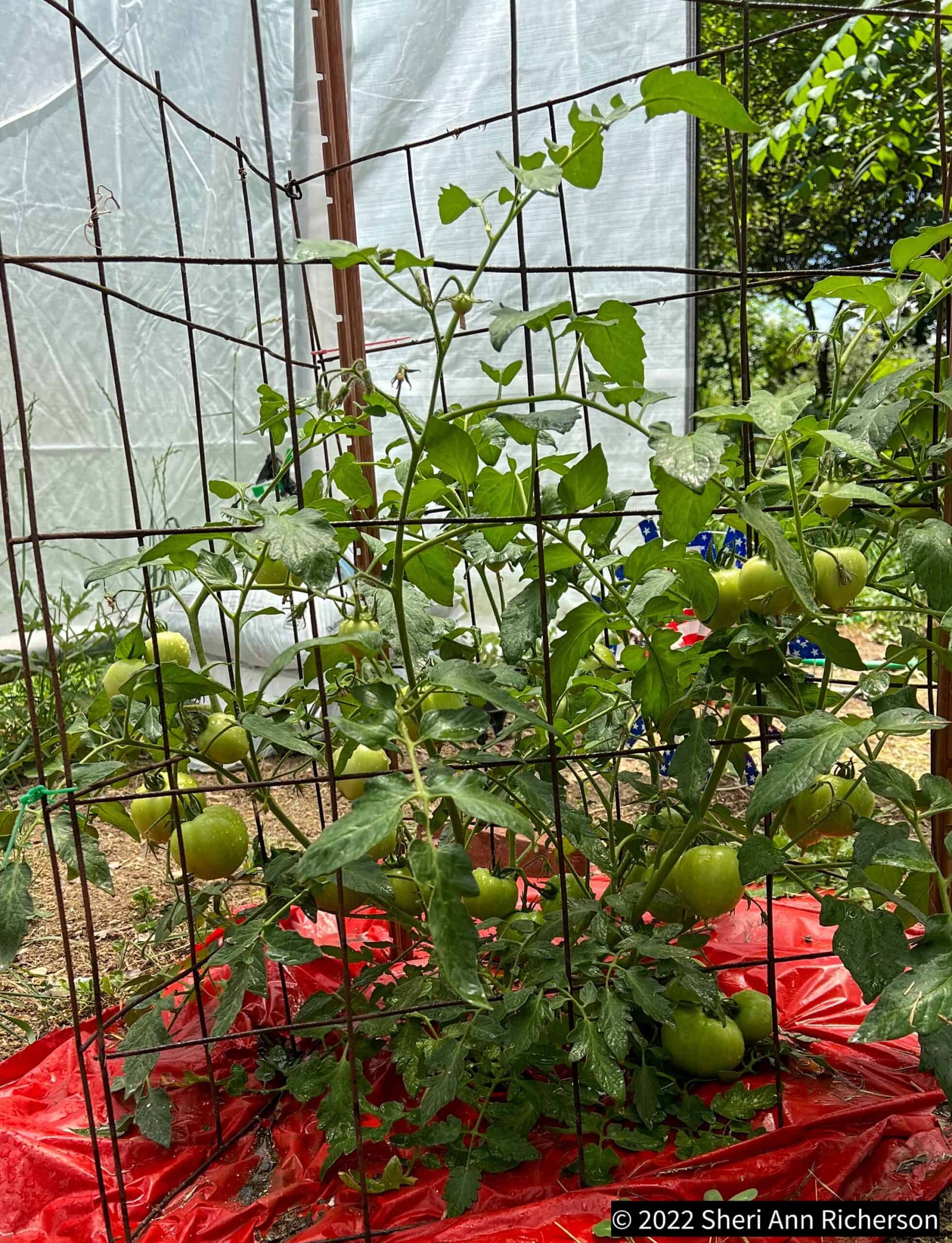
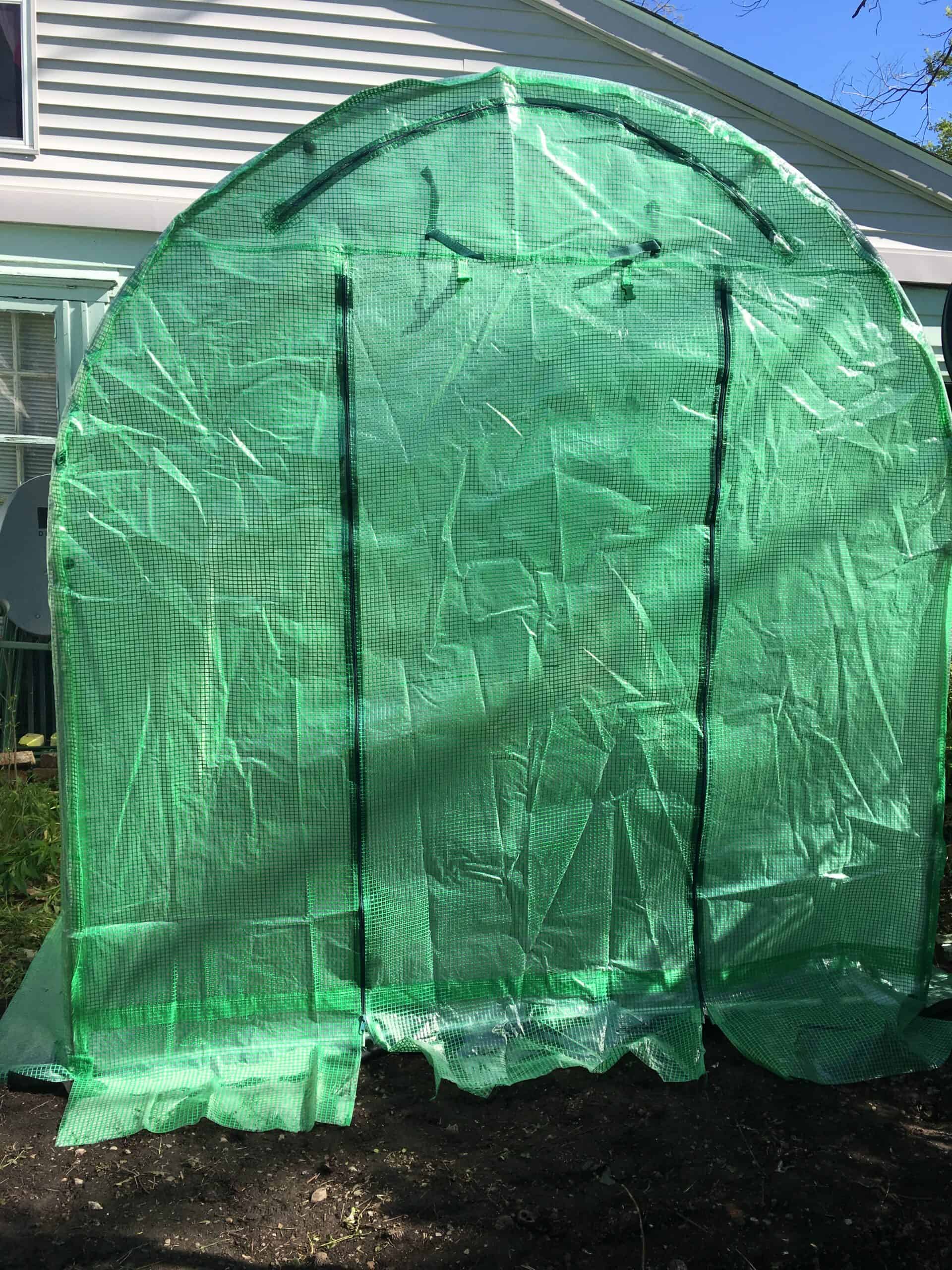
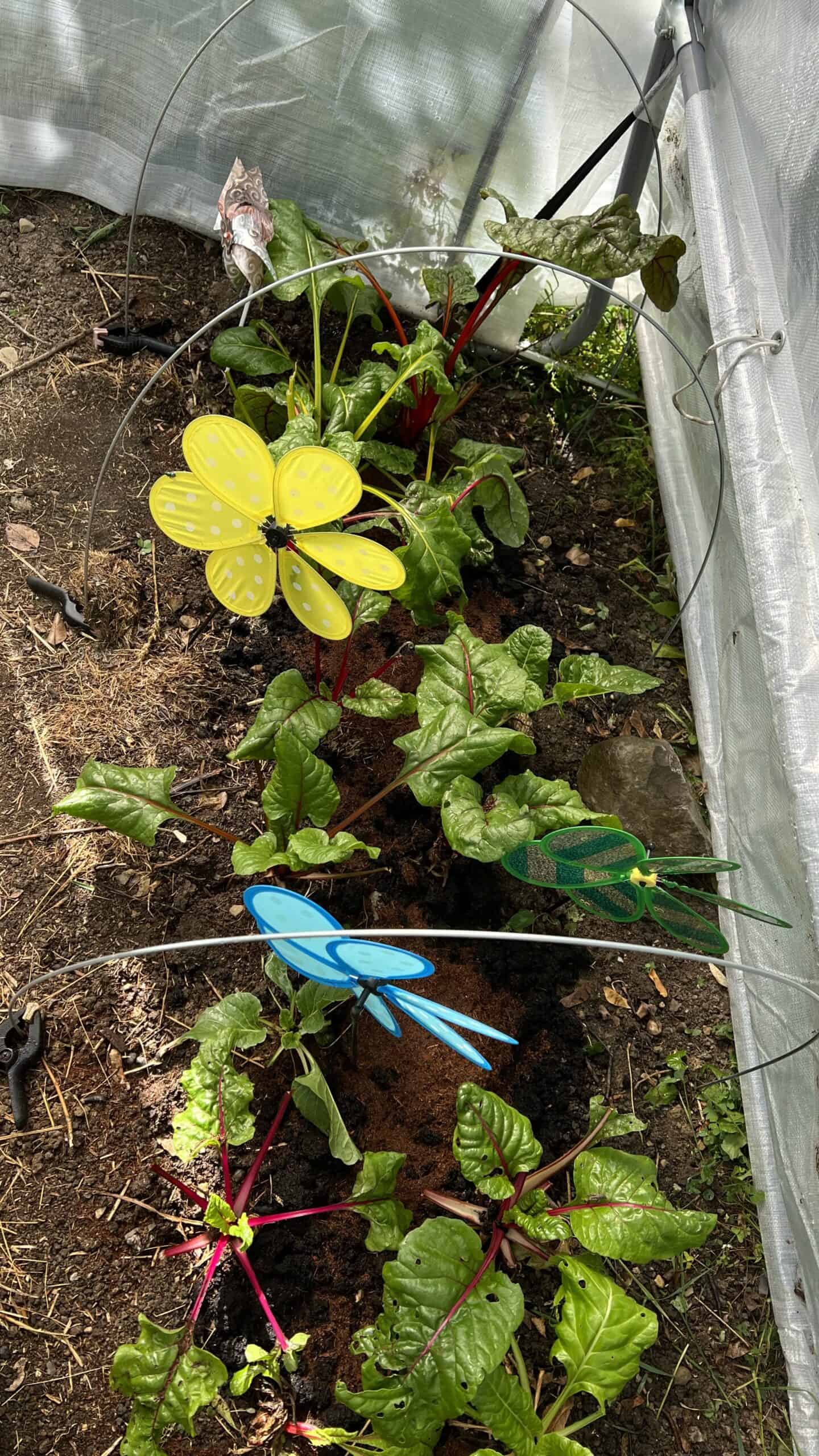
The tunnel houses are part of my approach to year-round vegetable growing.
Indiana weather creates definite outdoor growing seasons, but that doesn't mean vegetable production has to stop the moment temperatures fall.
Protected growing spaces give me another environment to work with. Instead of trying to make an Indiana winter behave like summer, season extension is about understanding what can grow under protection and using the structures to create more favorable conditions.
This has been a recurring theme throughout my gardening: finding ways to stretch the season rather than simply accepting that gardening ends with the first frost.
BRINGING THE GROWING INDOORS
And Then There's The Grow Tent
Over time, my protected-growing setup expanded beyond structures sitting outside in the Greenhouse Garden.
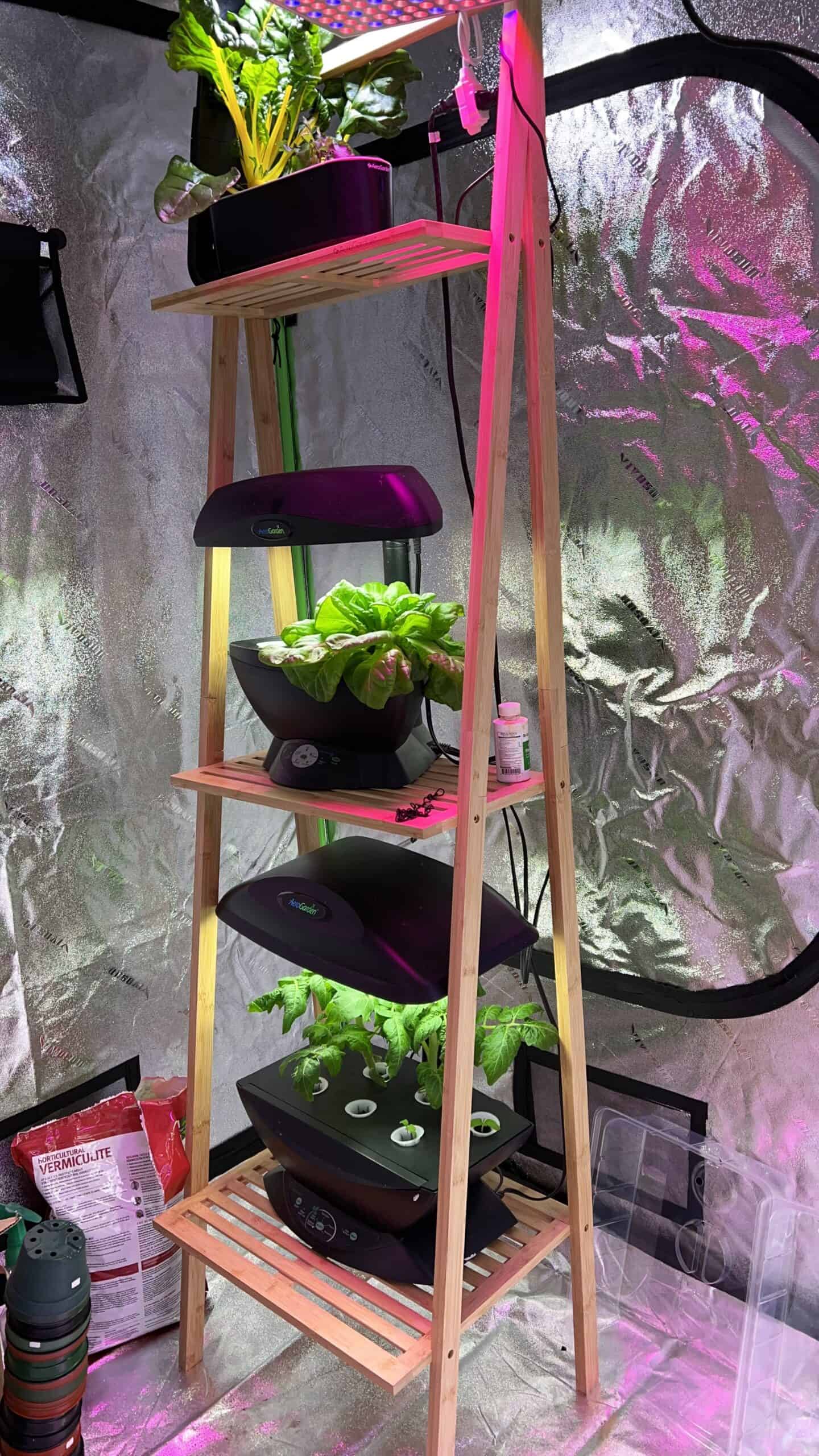
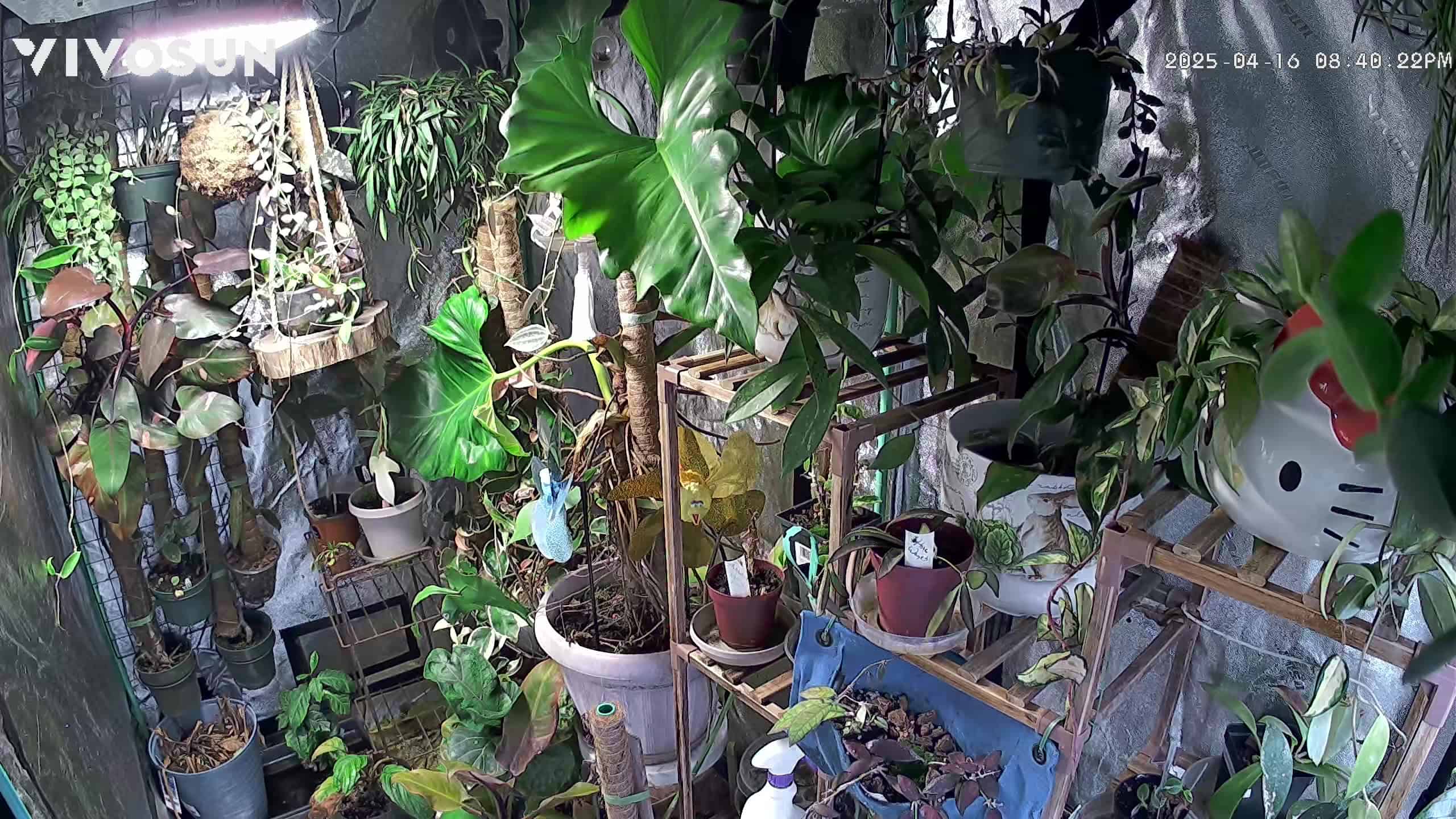
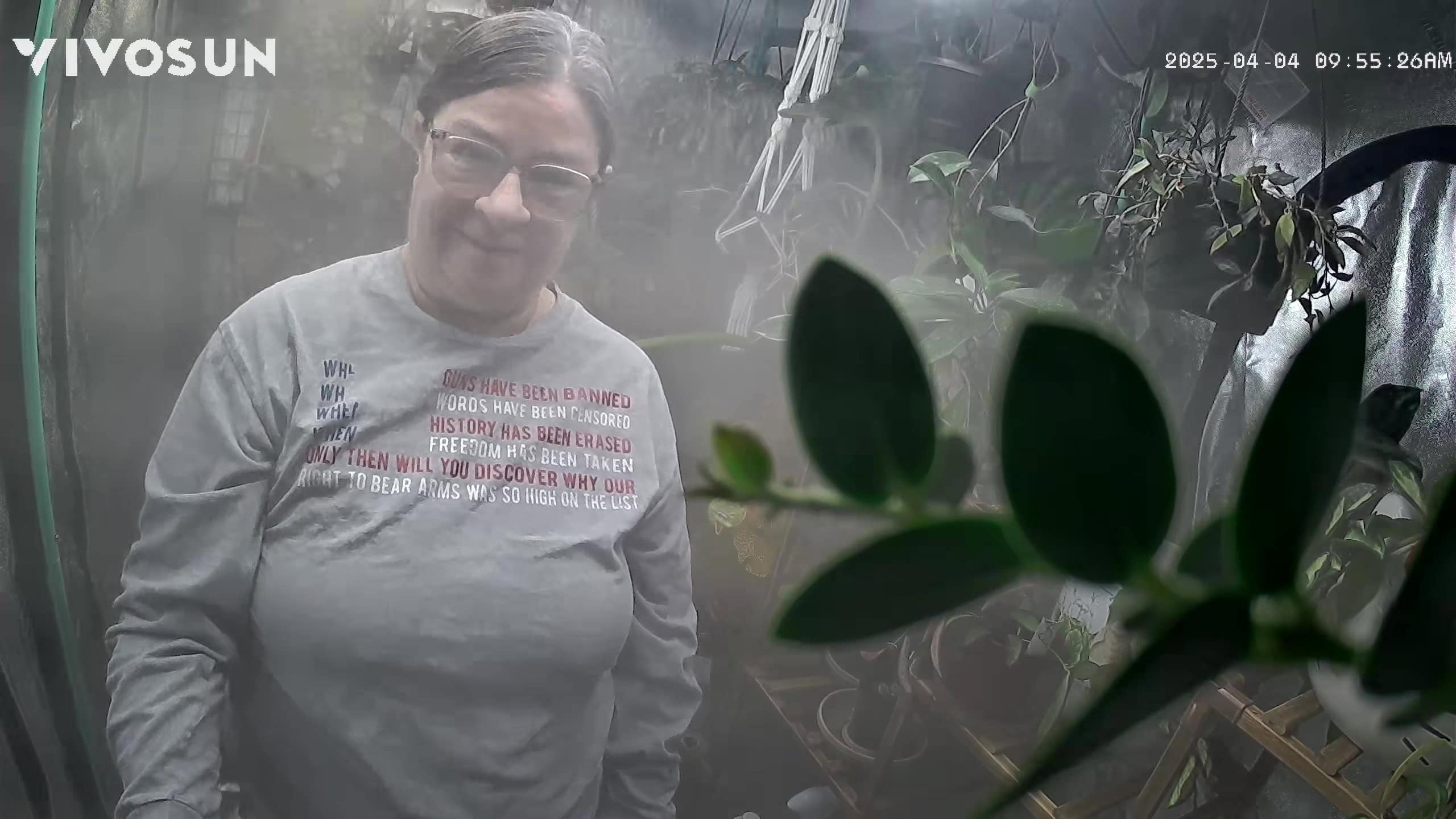
A grow tent added another controlled environment where I could work with plants indoors.
What I like about controlled growing environments is the ability to manipulate conditions that I can't control outdoors. Light, temperature and the immediate growing environment can be managed much more closely.
It is another tool rather than a replacement for the greenhouse, tunnel houses or outdoor gardens.
Each growing space has a job.
WHERE ONE GROWING SEASON BECOMES THE NEXT
A Fitting Place To End The Garden Tour
The Greenhouse Garden is Garden #9, the last stop on this tour, but in practice it is often where another gardening year begins.
Seeds become seedlings here. Tender plants wait for warmer weather here. Tropical plants find refuge from Indiana winters. Vegetables can continue growing under protection when the outdoor garden has slowed down.
Then the seasons change again.
Plants move outside. Seedlings make their way into vegetable gardens, flower beds and other areas around the property. Experiments begin. Food is harvested. Flowers bloom. Pollinators arrive. Some plants eventually make their way back under protection before cold weather returns.
And the cycle starts again.
That's one of the things I love about gardening: there really isn't a finish line.
There is always another seed to start, another unusual plant to learn about, another growing method to try and another season waiting just ahead.
GARDENING BEYOND MY OWN GATES
Growing Gardens, Food & Community
My gardening experience hasn't been limited to the gardens here at Exotic Gardening Farm & Wildlife Habitat. For decades, I've also volunteered in public gardens, helped establish community gardens, participated in Master Gardener projects, served in garden-club leadership and worked to help more people grow food for themselves and their communities.
Looking back, these projects form another garden of sorts — one scattered across Indiana and beyond, built a little at a time through plants, seeds, volunteer hours, community projects, leadership and a lot of hands-in-the-dirt work.
AROUND 1994–1995 • FORT WAYNE, INDIANA
Where My Public Garden Work Began
Around 1994 or 1995, I began volunteering at the Foellinger-Freimann Botanical Conservatory in Fort Wayne, Indiana.
That was the beginning of a thread that has continued through much of my gardening life. My own gardens have always been places to experiment, learn and grow, but public gardens offer something different. The work you do there becomes part of a space that belongs to an entire community.
After moving to Marion, Indiana, I continued finding ways to put my hands in the soil beyond my own property.
MASTER GARDENER • COMMUNITY SERVICE
Becoming A Master Gardener
I became a Purdue Extension Master Gardener in 2002, adding a more formal volunteer-service component to gardening work I was already doing.
Over the years, my Master Gardener service has included many different projects around the Marion area. Among them have been plantings at Five Points, projects at Marion Public Library, work at Matter Park and other community gardening projects.
There have been enough projects over the years that I don't pretend this is a complete list. What matters to me is that the knowledge gained in my own gardens has never stayed entirely behind my own fence.
PLANT-A-ROW FOR THE HUNGRY • EARLY 2000s
Growing A Little Extra To Feed Others
Plant-A-Row for the Hungry was not my program, and its history deserves to be part of this story.
From An Idea In Alaska To A National Movement
Jeff Lowenfels, an Anchorage, Alaska garden columnist and garden communicator, founded the idea that became Plant-A-Row for the Hungry. The Garden Writers Association of America — now GardenComm — took the idea national as Plant-A-Row for the Hungry in 1995.
The premise was wonderfully simple: gardeners were encouraged to grow an extra row, or simply a little extra produce, and donate that harvest to organizations feeding people in their own communities.
I became involved with Plant-A-Row through my connection with the Garden Writers Association. What began as someone else's good idea in Alaska eventually gave me an opportunity to help expand that mission here in the Midwest.
I served as Plant-A-Row for the Hungry Region 3 coordinator, covering Indiana, Michigan and Ohio.
By 2004, 17 Indiana correctional facilities had become involved in growing food through the program.
Grow a little extra and share the harvest with people who need fresh food.
Taking Plant-A-Row Across The Region
Plant-A-Row appealed to something I've believed for a very long time: you don't need an enormous farm to make a difference with food. A home gardener can plant a little more than the household needs and share the extra harvest.
My involvement eventually went far beyond growing an extra row at home. As Region 3 coordinator for Indiana, Michigan and Ohio, I worked to encourage participation throughout the region.
One effort I'm especially proud of was getting Indiana correctional facilities involved. Contemporary Purdue material from 2004 documented 17 Indiana correctional facilities participating. I took seed to participating facilities so gardens could be planted and fresh food grown, including produce for local food pantries. I also remember some of the harvest being used in facility kitchens.
For me, it was never just about pounds of vegetables. It was about getting seeds into people's hands, teaching practical gardening skills and showing what can happen when available ground is turned into productive ground.
MARION, INDIANA • COMMUNITY GARDENING
Helping Neighborhood Gardens Take Root
When the Marion Community Garden Association was first getting started, I volunteered with the organization and was part of the effort to help establish neighborhood gardens throughout Marion, Indiana.
This was a different kind of garden work. Instead of tending only one established public garden, the goal was to bring gardening directly into neighborhoods and create places where people could grow food, learn and participate in gardening close to home.
Community gardening and Plant-A-Row fit naturally together for me. Both are rooted in the idea that knowing how to grow food is a practical skill worth sharing — and that a garden can become much more than the plants growing in it.
GARDEN CLUB SERVICE & LEADERSHIP
Working Alongside Other Gardeners
Much of community gardening is collaborative. Over the years, garden clubs have given me opportunities not only to work alongside other gardeners, but also to serve in leadership roles and help organize the work that happens behind the scenes.
Garden Club Of Marion
I served as President of the Garden Club of Marion in 2007. My work with the club has also included hands-on community gardening projects, including work at Matter Park.
Grant County Evening Garden Club
I also served as Vice President of the Grant County Evening Garden Club. I no longer remember the exact year, but it is another part of the garden-club and community service work I've participated in over the years.
MARION, INDIANA
Years Of Gardening At Matter Park
Matter Park has been another recurring part of my community gardening history. Over the years, I've worked in various gardens there, including the Blue Star Garden, Memorial Garden and Children's Garden.
Some of that work has been done alongside members of the Garden Club of Marion, and some has been part of my Purdue Extension Master Gardener volunteer service.
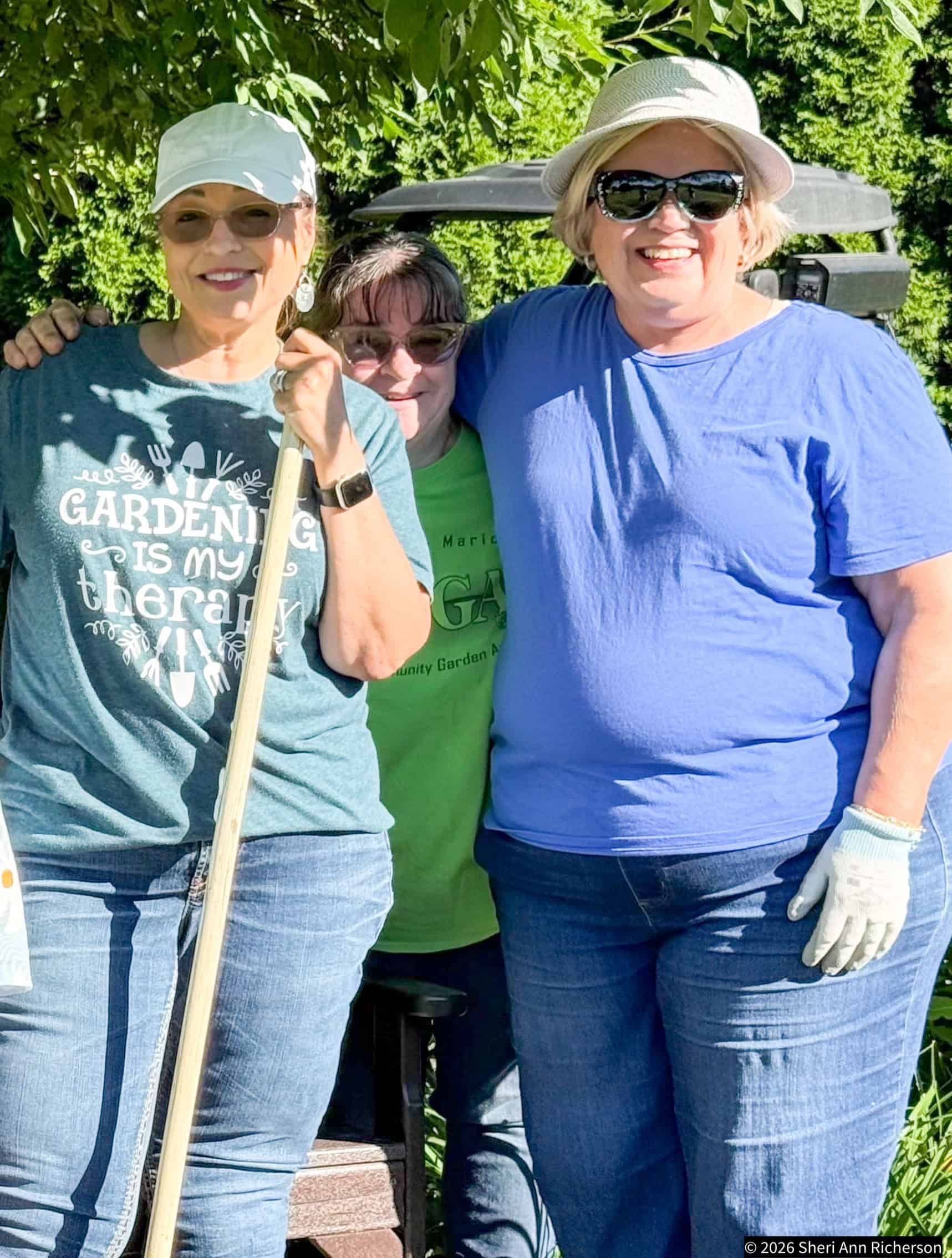
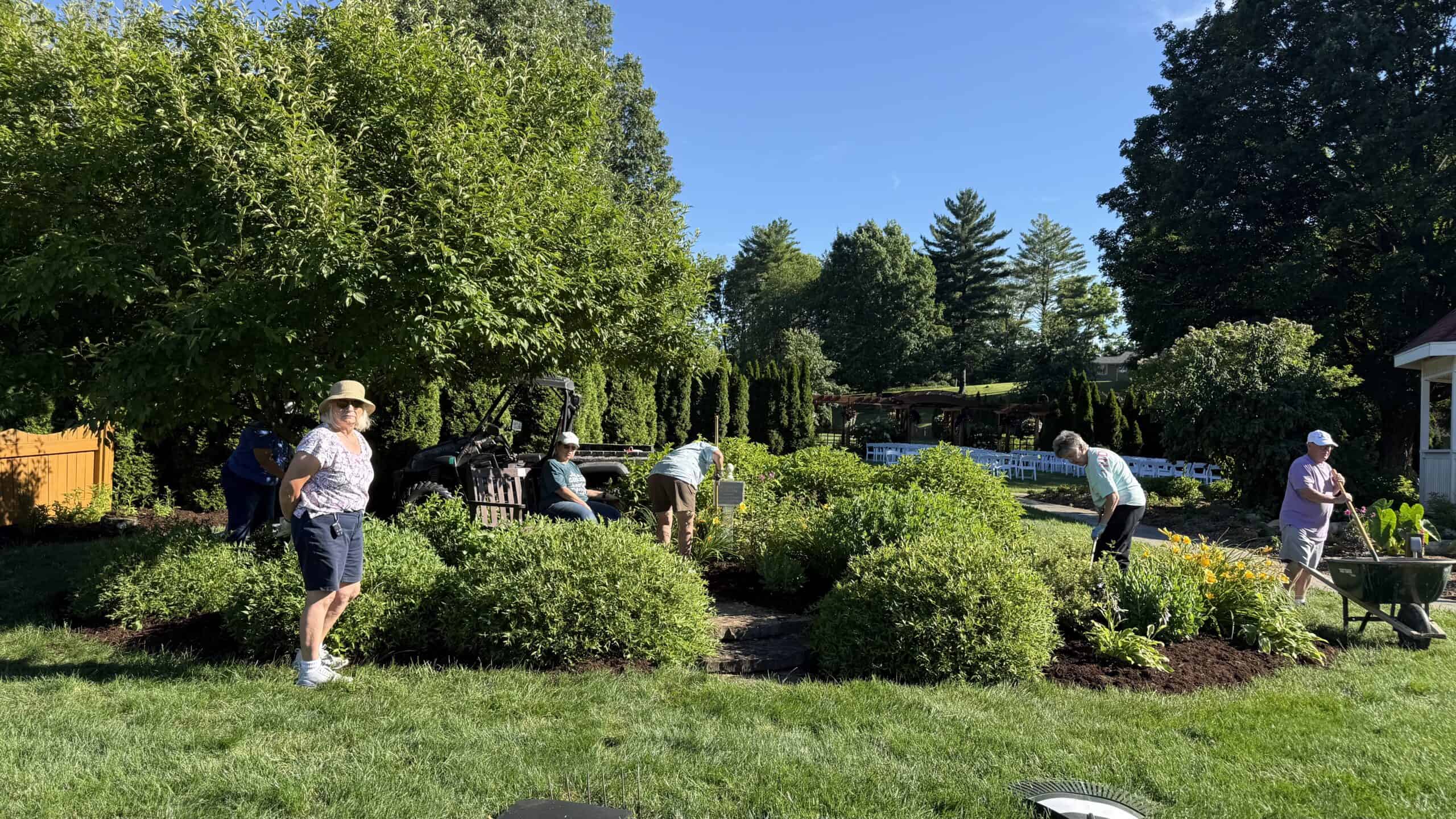
Public gardens don't stay beautiful by themselves. Behind the flowers are people choosing plants, starting seeds, planting, weeding, maintaining beds, hauling materials and, yes, spreading plenty of mulch.
BLUE STAR GARDEN
Gardening In A Place With Meaning
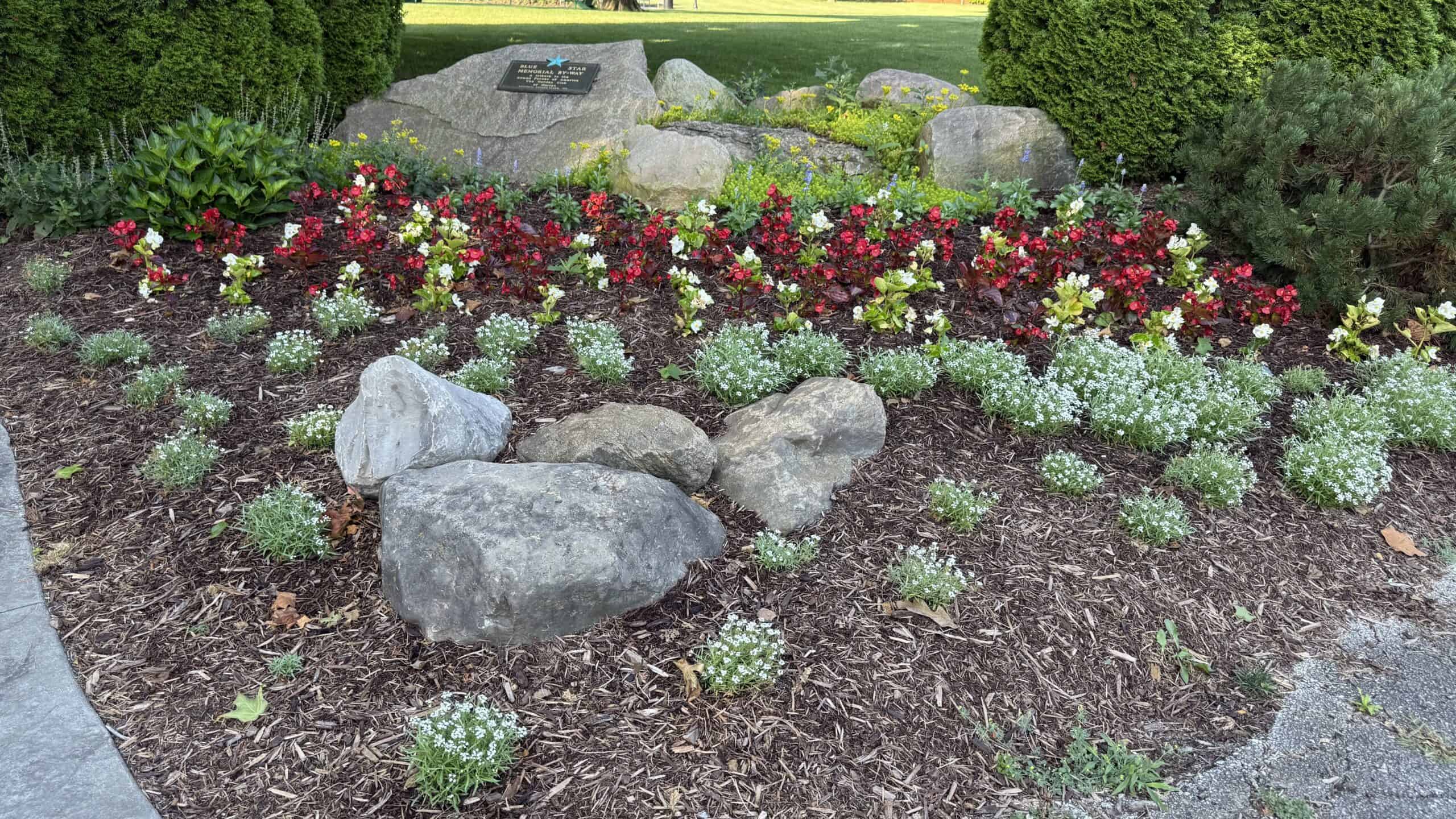
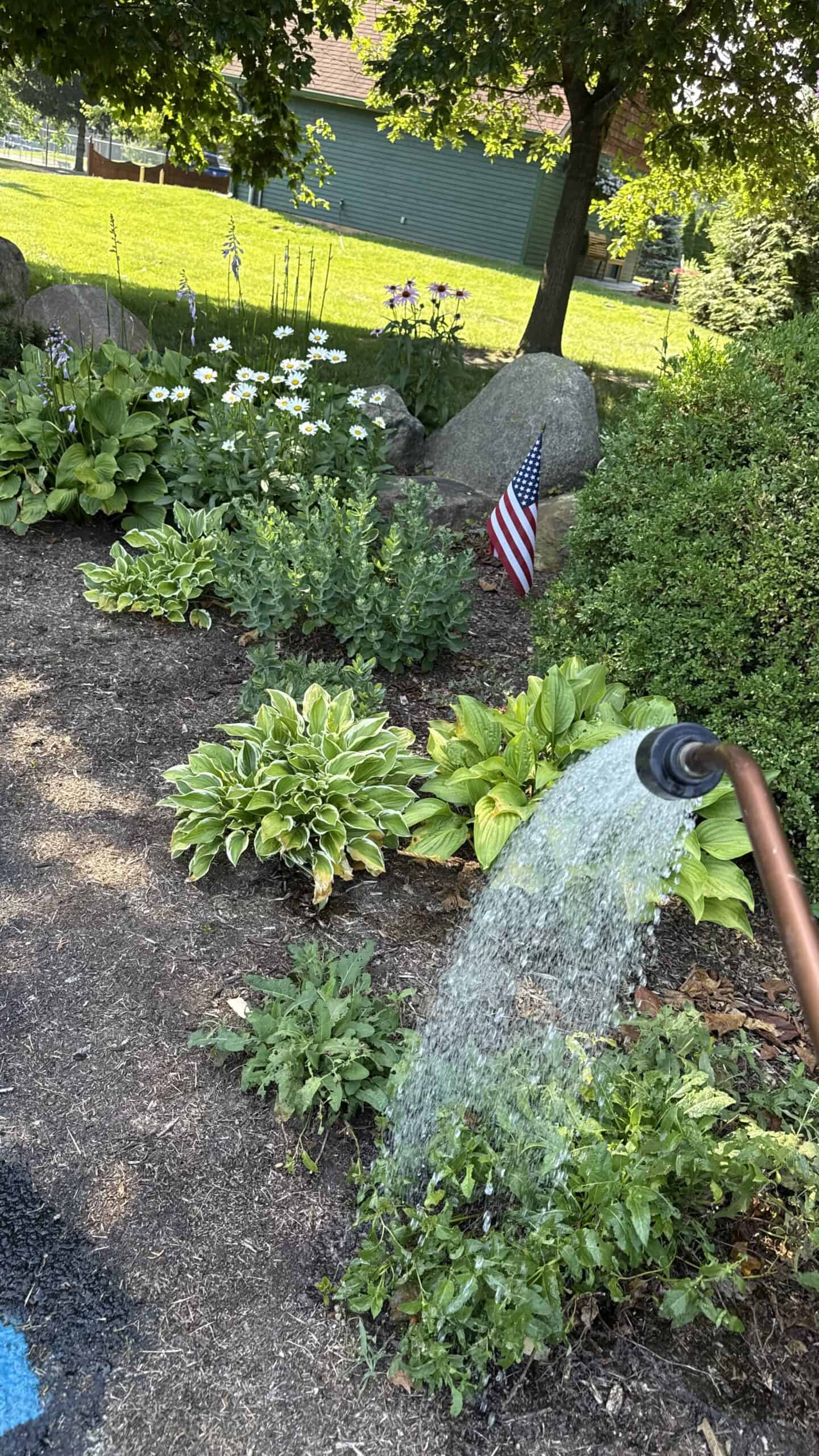
The Blue Star Garden is one of the Matter Park gardens where I've spent time working over the years.
MEMORIAL GARDEN
The Work Behind The Flowers
Some of my Matter Park work has taken place in the Memorial Garden alongside fellow members of the Garden Club of Marion. These are the kinds of days that show what maintaining a public garden really looks like.
2026 • MASTER GARDENER VOLUNTEER SERVICE
A Garfield-Themed Children's Garden
In 2026, some of my Purdue Extension Master Gardener volunteer hours brought me back to Matter Park's Children's Garden, where the theme for the year was Garfield.
I maintained three of the garden plots. My work started well before simply tending the finished beds: I chose plants, started seeds and helped care for the plots as the garden came together and grew through the season.
A children's garden has a different job than an ordinary flower bed. It still needs plants that will perform well, but it also needs to be interesting, approachable and fun. Gardens like this can help turn plants into something children want to stop, look at and explore.
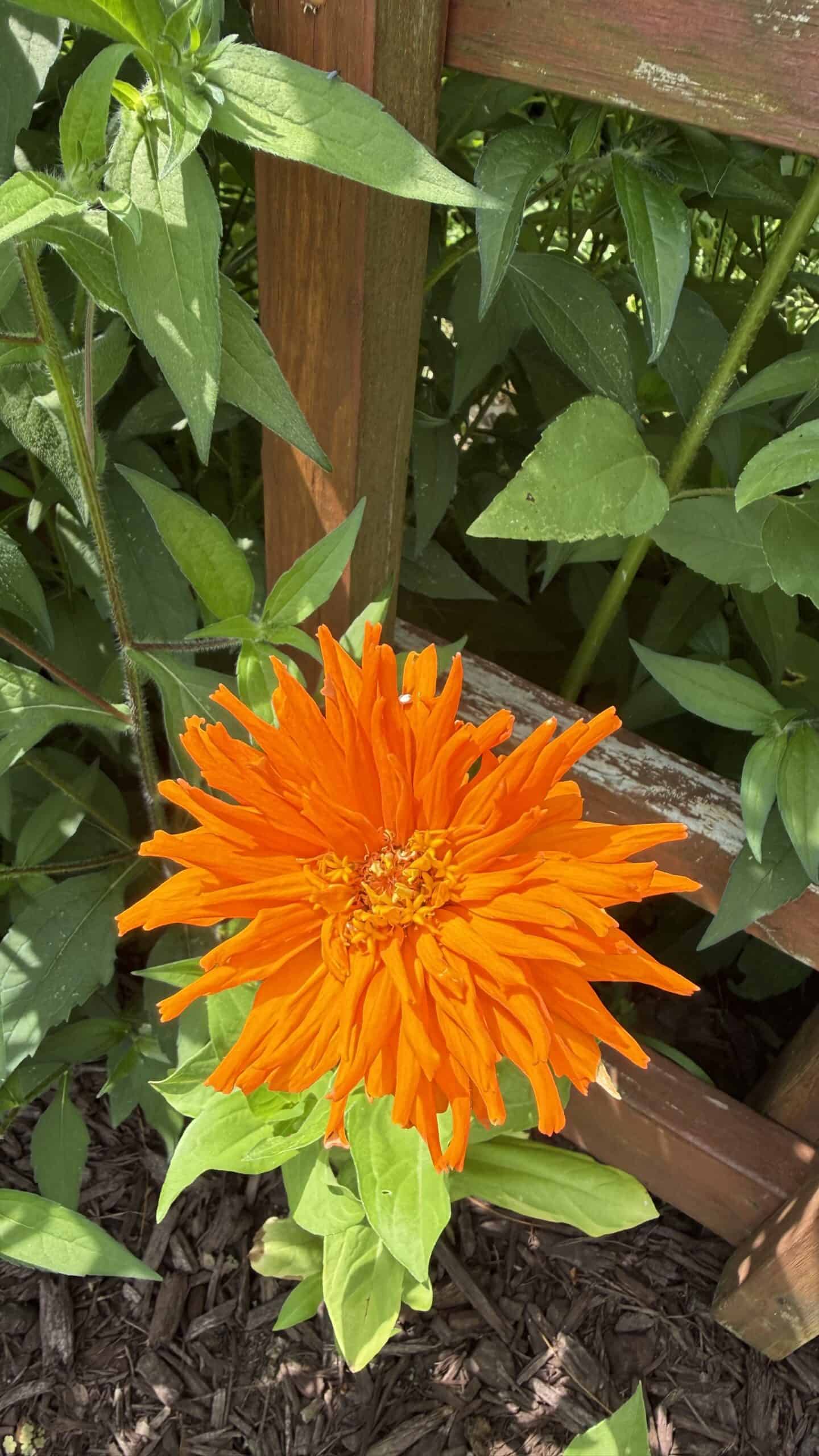
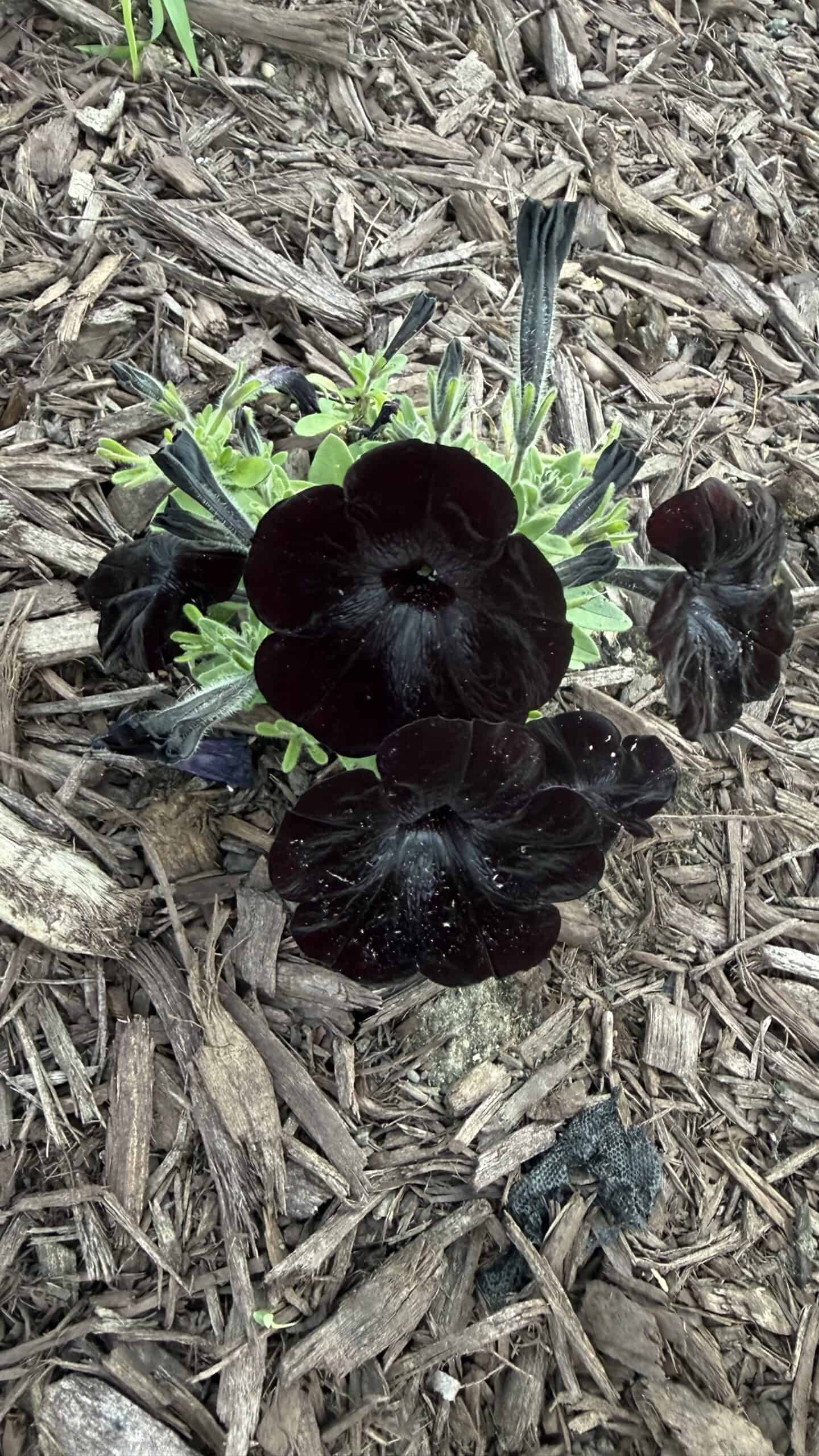
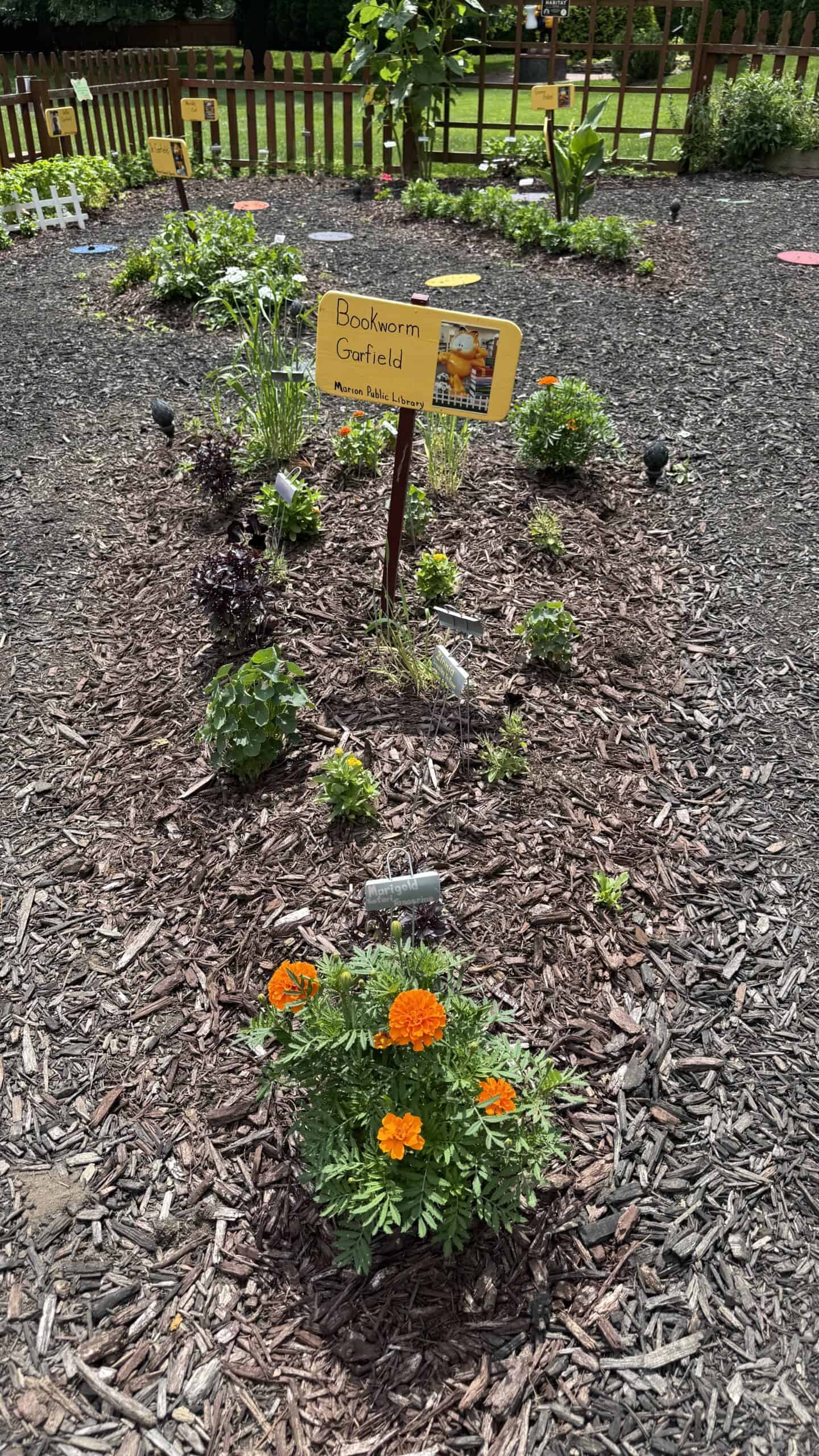
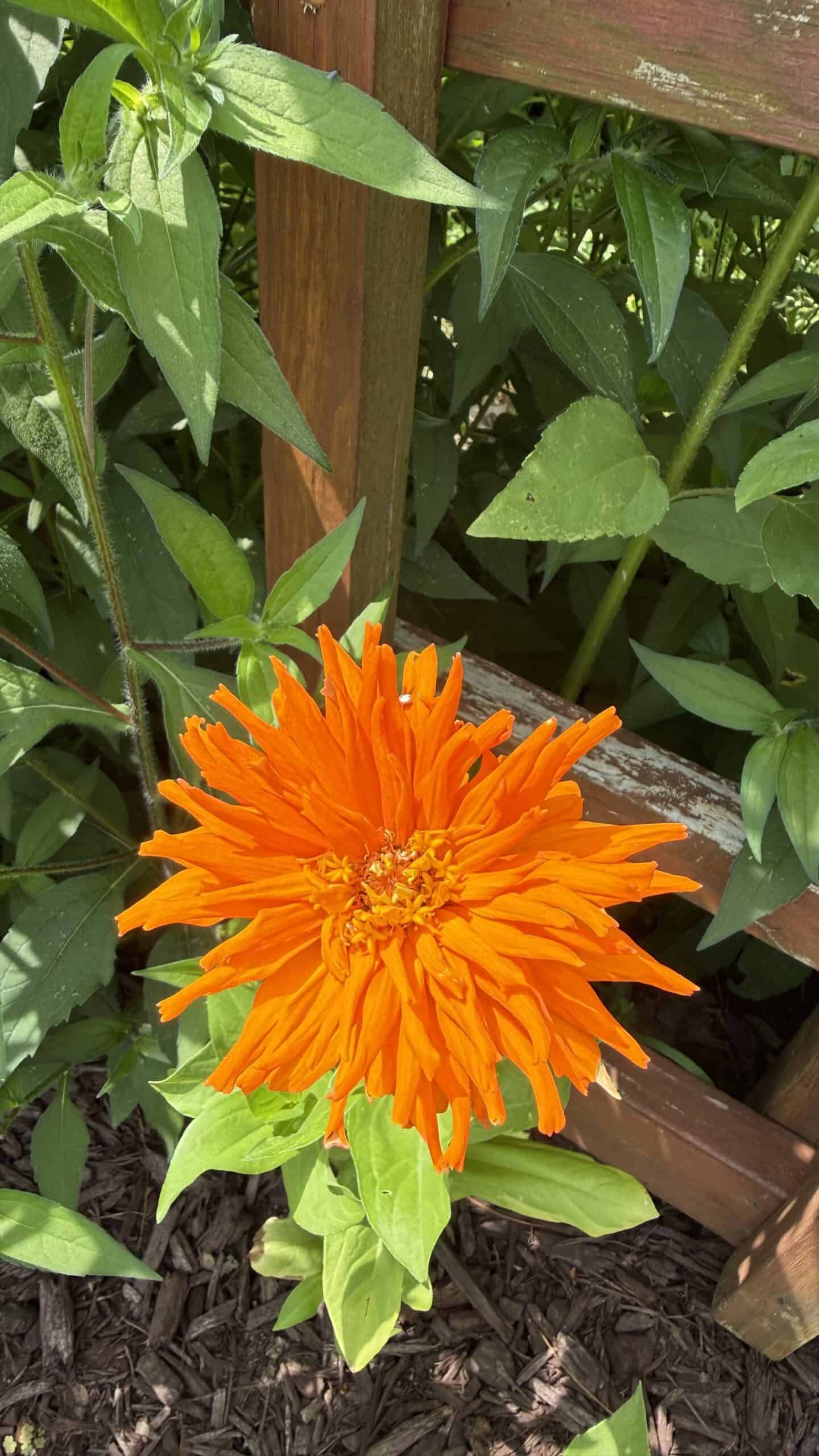
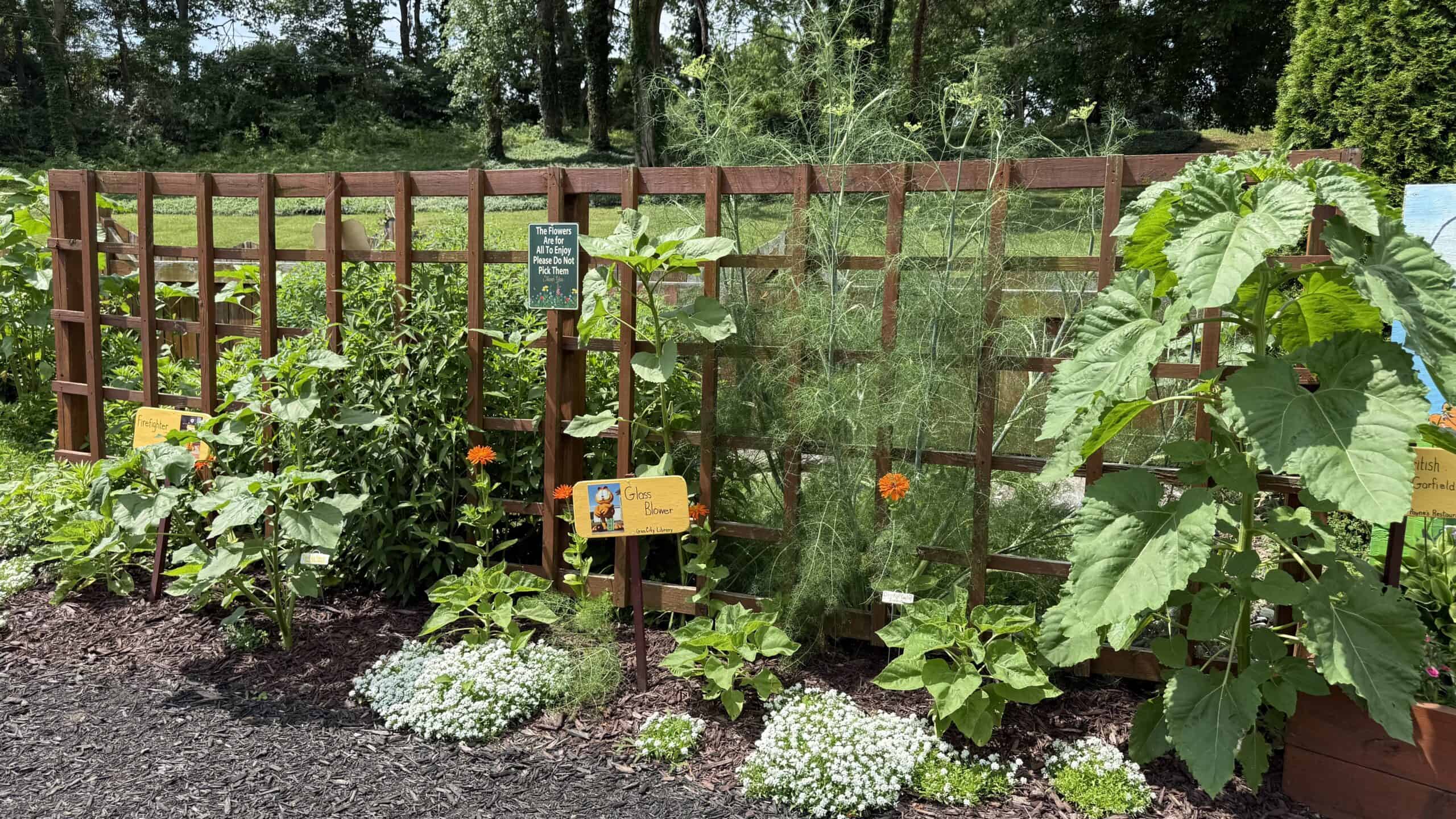
Scenes from the 2026 Garfield-themed Children's Garden at Matter Park. I maintained three plots as part of my Master Gardener volunteer service, including choosing plants, starting seeds and helping care for the gardens.
GAS CITY, INDIANA • WHERE I GREW UP
Coming Back To Garden In Gas City
Gas City has a special place in this story because I grew up there.
Decades after I first began gardening, I've had the opportunity to bring some of that experience back to the community where I grew up. In 2026, that has included the gardens and butterfly garden at Gas City Park as well as another Twin City Garden Club project at the Gas City Post Office.
There's something especially meaningful about helping flowers, habitat and gardens take root in places I knew long before I ever imagined how large a role horticulture would eventually play in my life.
2026 • GAS CITY PARK
The Gas City Park Gardens & Butterfly Garden
In 2026, I worked on the gardens at Gas City Park, including the park's Butterfly Garden. This is one connected public-garden project rather than two separate pieces of my work.
I am honored to head up the volunteer committee for the Gas City Park Butterfly Garden. Pollinator gardening has been part of what I do at home for many years, from creating habitat for butterflies and other pollinators to maintaining my own Monarch Waystation.
Being able to bring that experience into the public gardens of the community where I grew up makes this project especially meaningful to me.
A butterfly garden can be beautiful, but it can also quietly teach. Host plants, nectar flowers and visiting pollinators give people a chance to see some of the relationships between plants, insects and habitat happening right in front of them.
These became some of my favorite garden projects of the year. There's something especially satisfying about watching a public planting come together and knowing the finished garden will be seen and enjoyed by people you may never even meet.
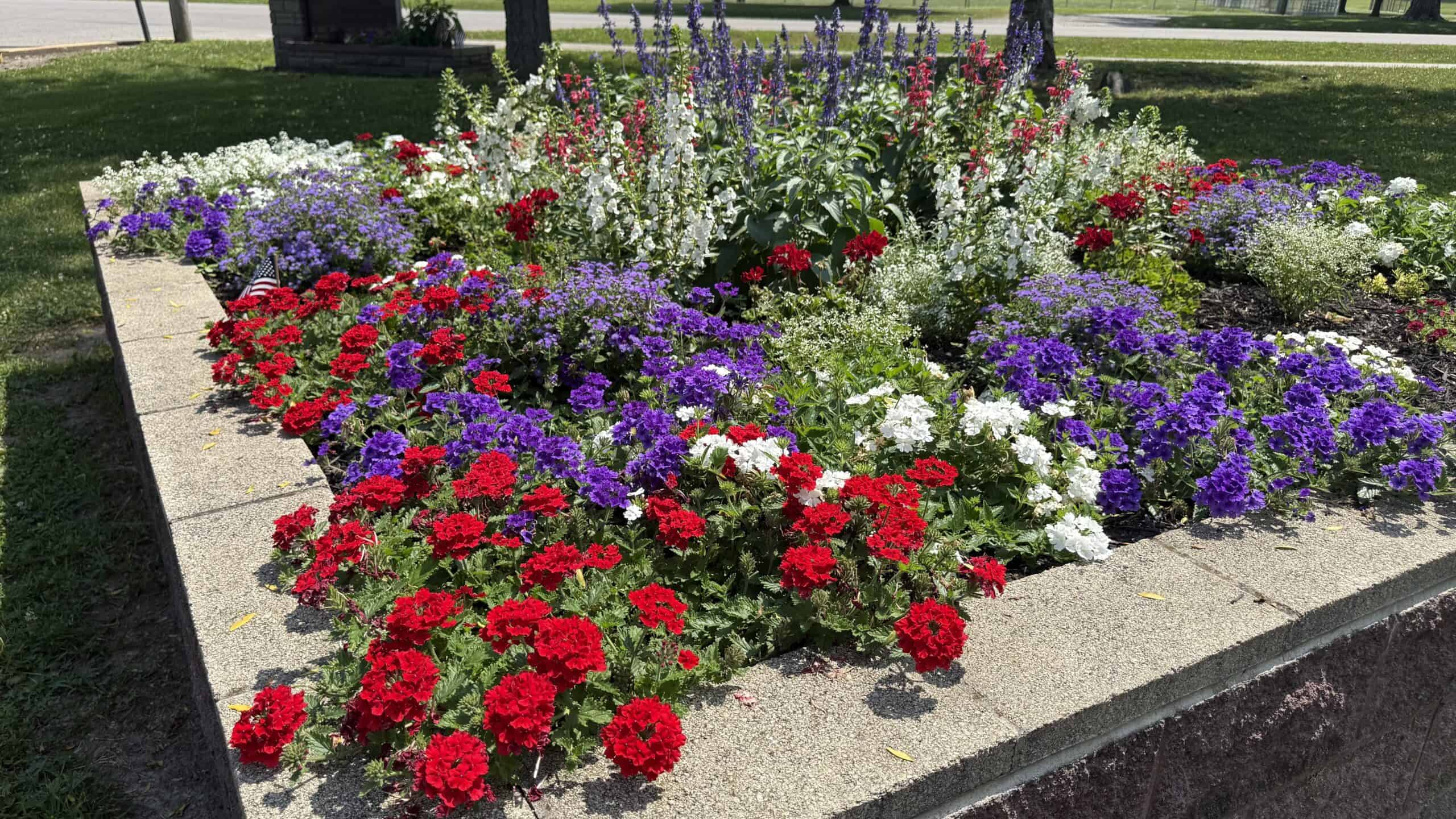
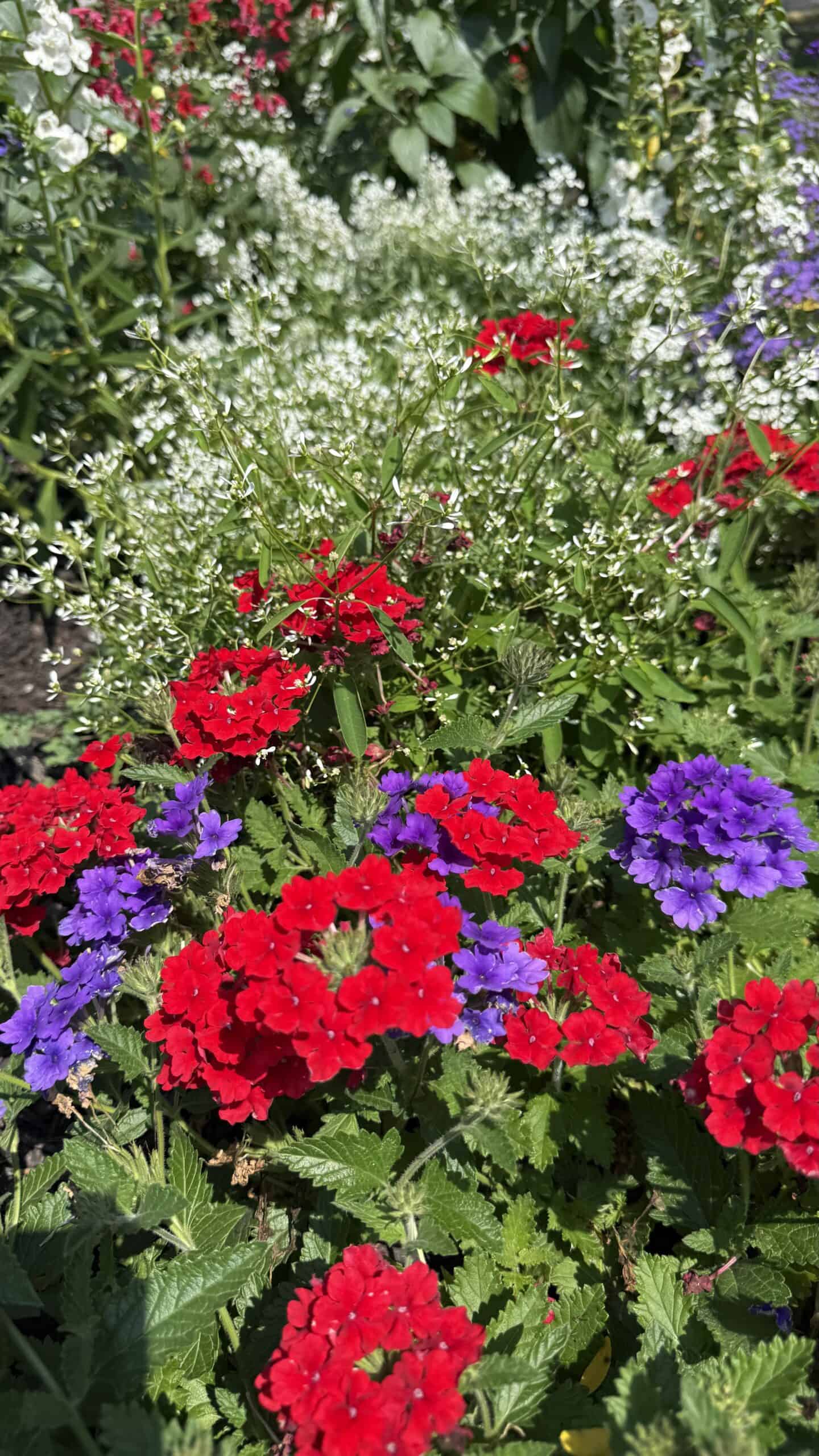
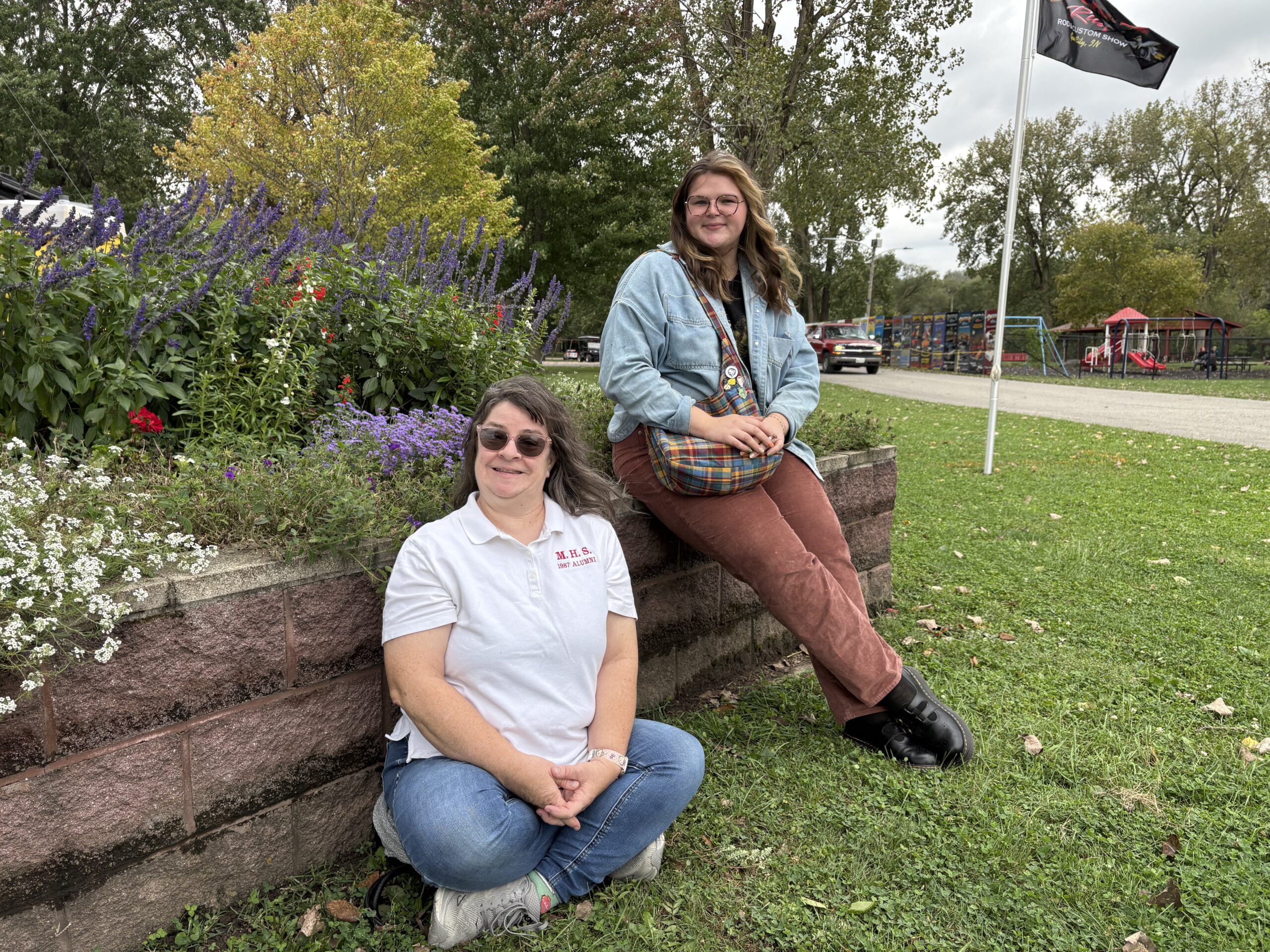
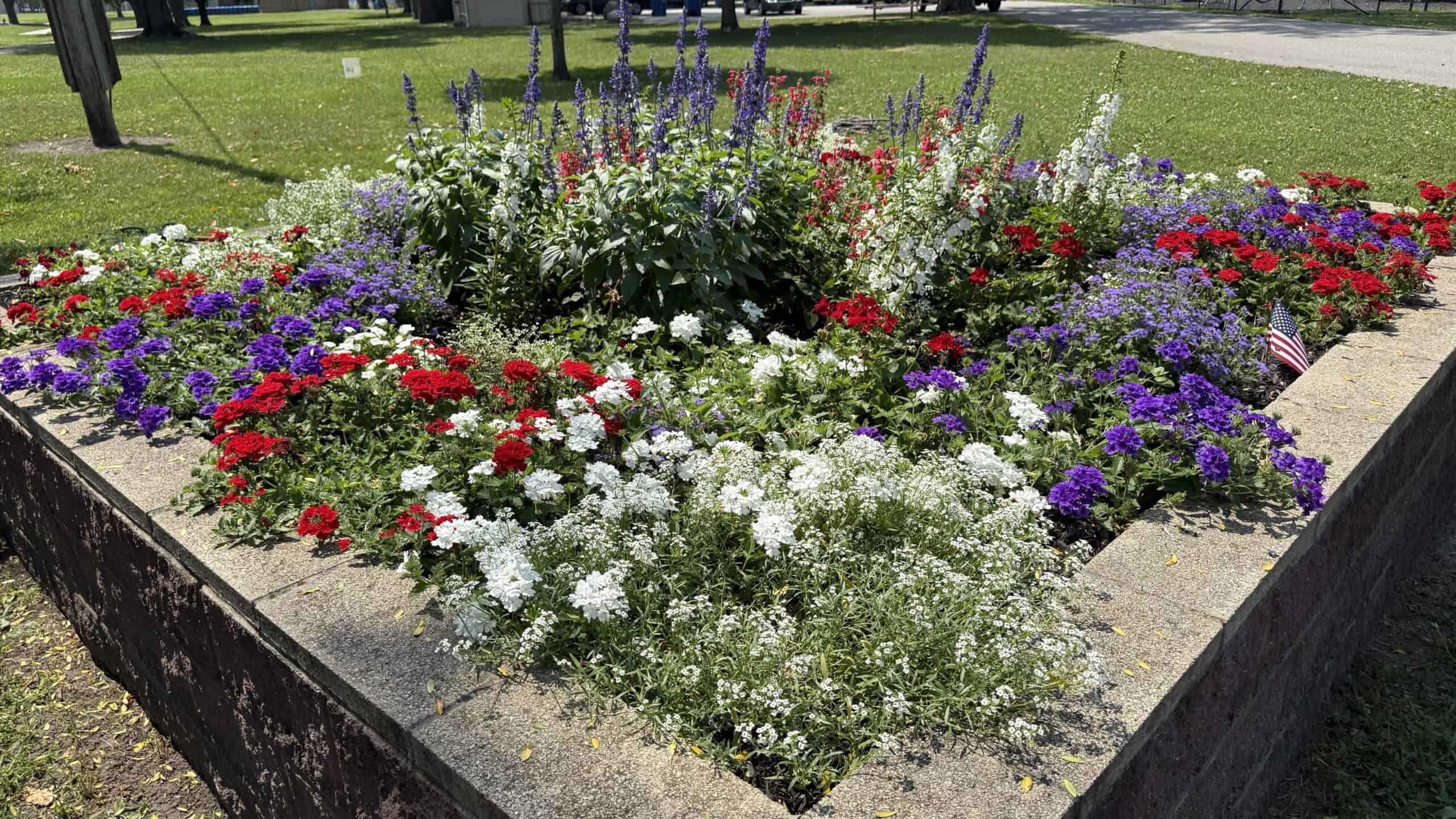
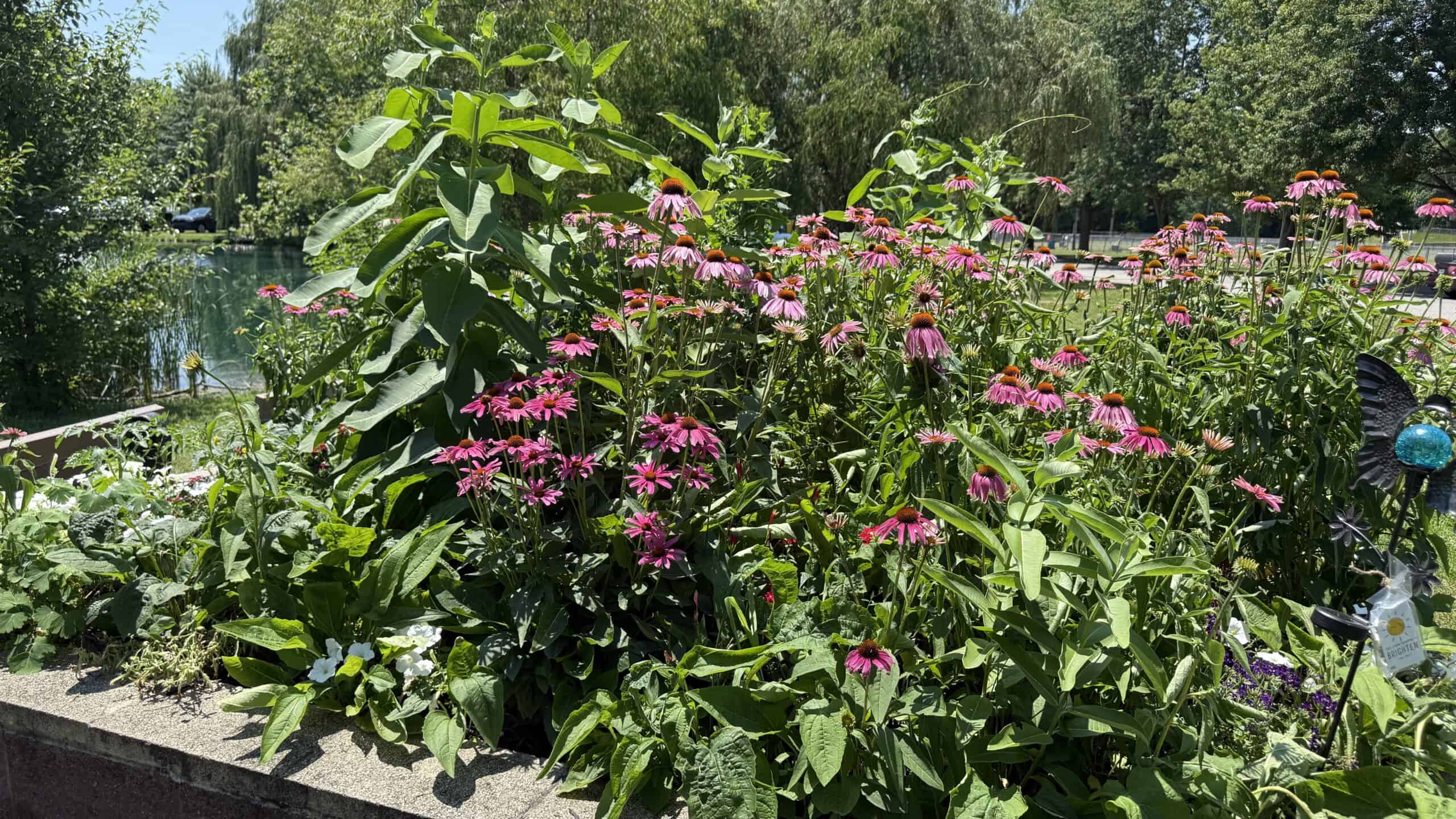
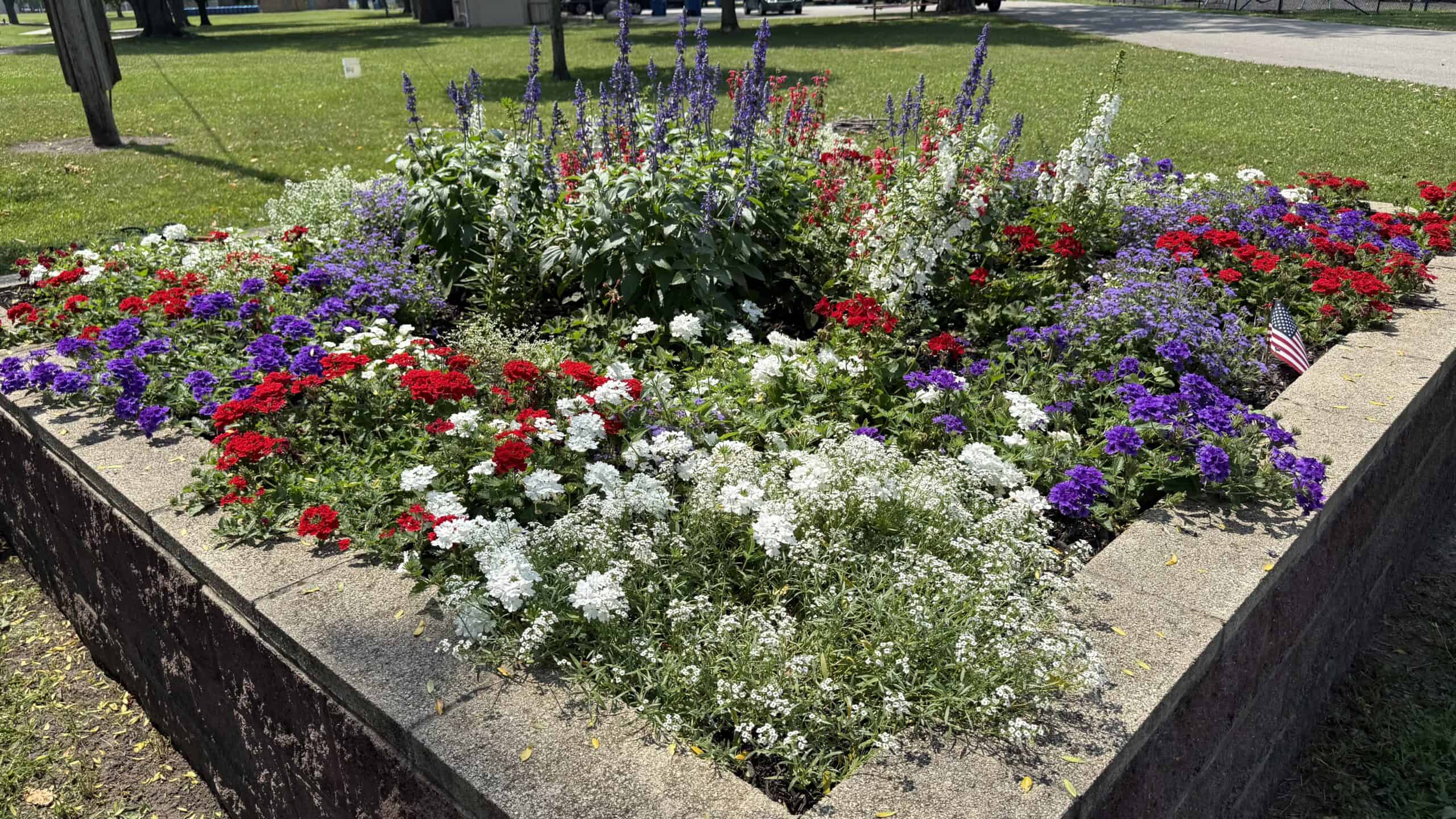
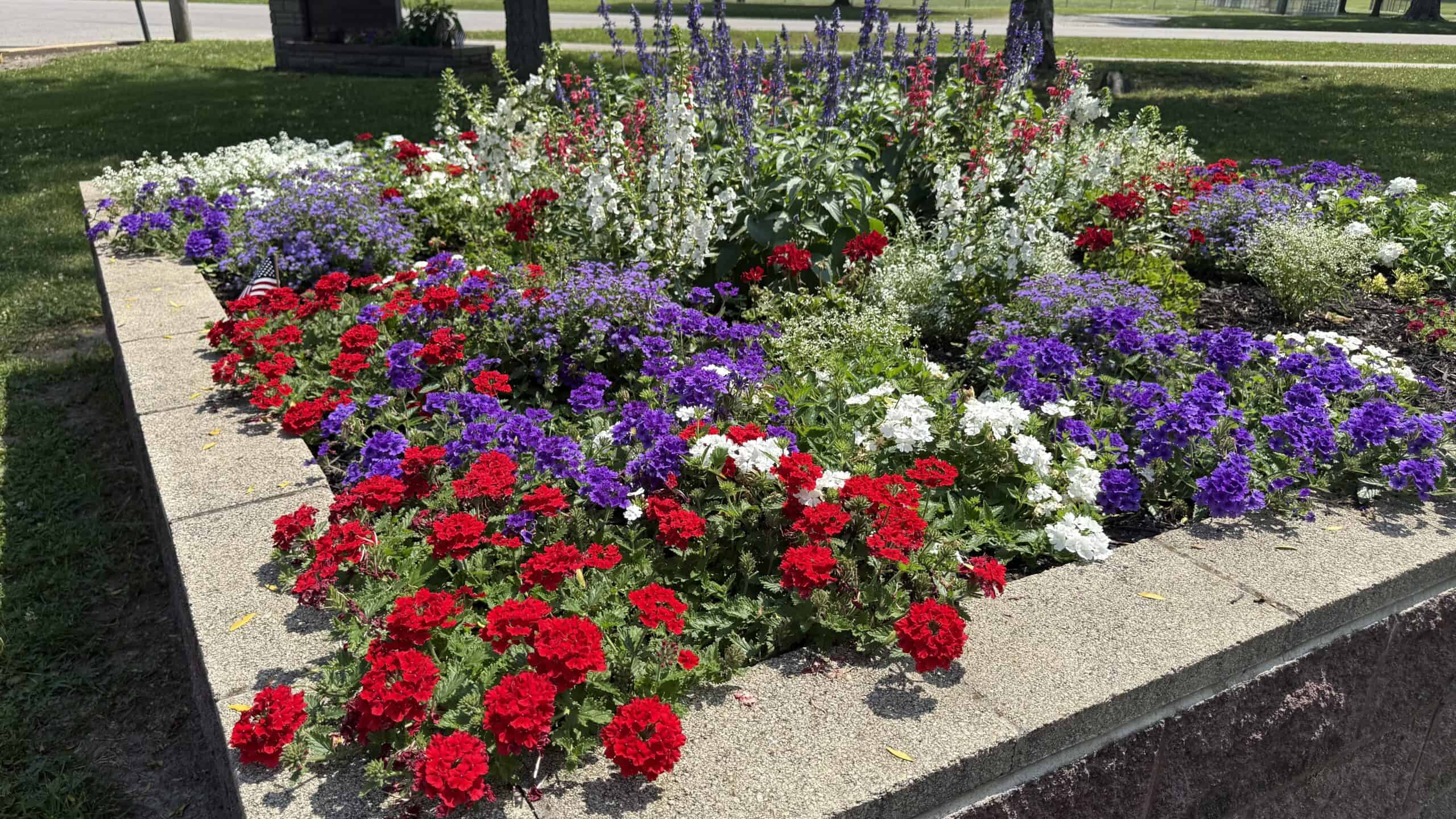
Some of my favorite public-garden work from the summer of 2026 at Gas City Park.
The Gas City Park gardens were very much a hands-on summer project. Planting, tending and watching those spaces fill out over the season is the kind of work that reminds me why I still enjoy getting my hands dirty after all these years.
2026 • TWIN CITY GARDEN CLUB
Tackling The Gas City Post Office Gardens
Another Gas City project in 2026 came through Twin City Garden Club.
Barb Jones and I headed up the committee for the club's work at the Gas City Post Office. Along with fellow Twin City Garden Club members, we tackled the weeds in two garden areas around the Post Office.
Anyone who has reclaimed an overgrown garden knows that sometimes the first step toward making a space beautiful isn't planting anything at all. It's getting down into the existing beds and dealing with what has taken over.
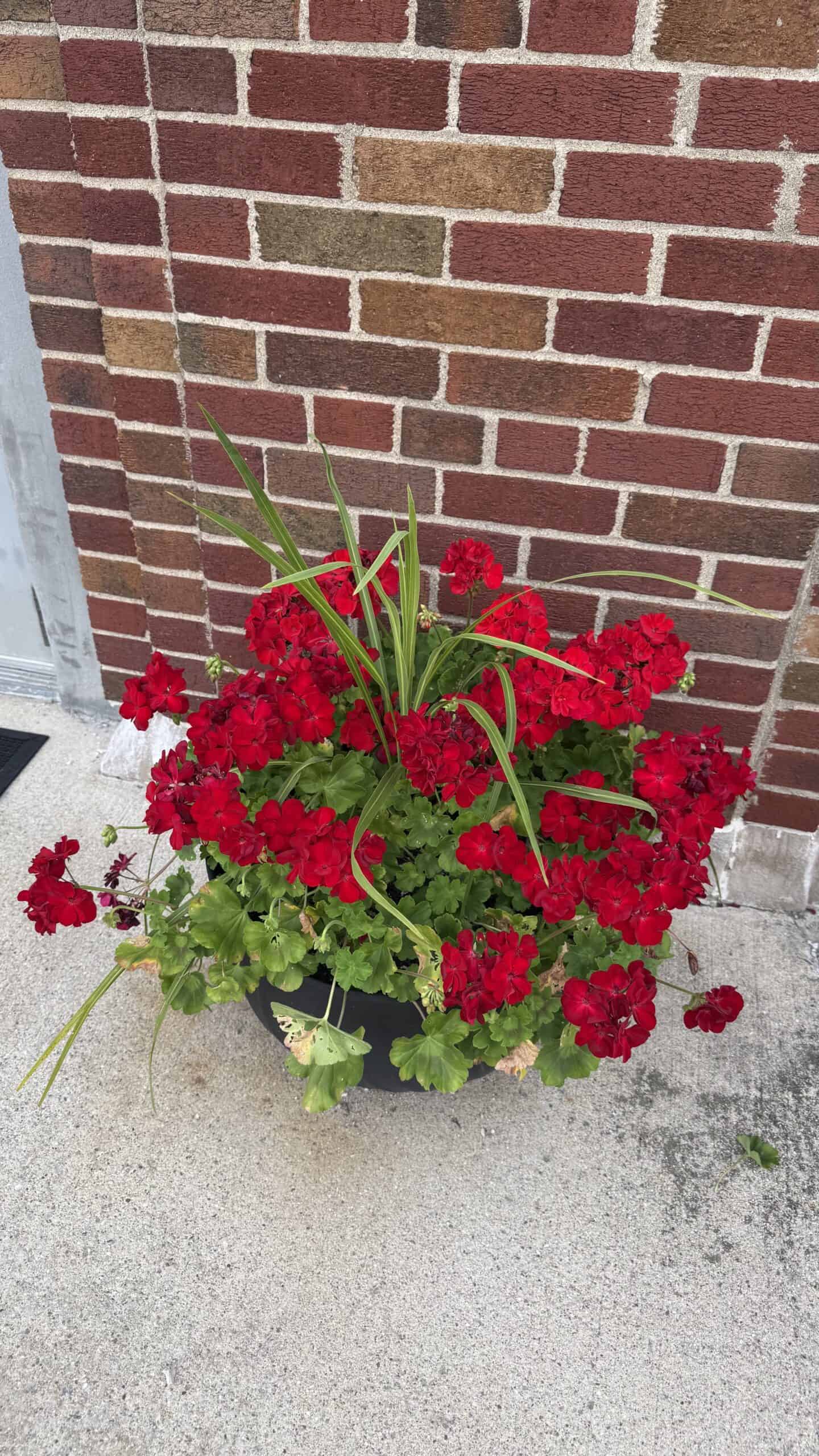
I also planted the planters beside the Post Office doors, adding flowers at the entrance to this everyday community space.
Projects like this may be smaller than establishing a community garden or coordinating a regional food-growing program, but I think they matter too. These are spaces people pass every day. A cared-for garden can make an ordinary public place feel a little more welcoming.
GARDENS ARE MEANT TO BE SHARED
A Garden Story That Keeps Growing
There's something special about gardening in a public space. At home, I can experiment for myself. In a public garden, the work becomes something shared.
Sometimes that has meant caring for an established public garden. Sometimes it has meant starting seeds for a children's garden, spreading mulch with other volunteers, helping establish neighborhood gardens, reclaiming weedy beds, planting community spaces or encouraging institutions to turn available ground into productive gardens.
Someone may walk past those flowers on an ordinary morning, bring their children to explore a garden, harvest something they've grown, stop to photograph something in bloom, watch a butterfly visiting a flower or simply enjoy a beautiful place for a few minutes.
These are some of the highlights of the public and community garden work I've done over the years — certainly not a complete accounting of every garden or project I've had my hands in.
From volunteering at the Foellinger-Freimann Botanical Conservatory around 1994–1995, becoming a Master Gardener in 2002, working with Plant-A-Row for the Hungry across Indiana, Michigan and Ohio, helping neighborhood gardens take root in Marion and serving in garden-club leadership, gardening has repeatedly given me ways to serve communities as well as grow plants.
And now, decades later, part of that story has brought me back around to Gas City — the community where I grew up — working in its public gardens, heading the volunteer committee for the Gas City Park Butterfly Garden and joining other gardeners in caring for community spaces.
Sharing what I know about plants has become as much a part of my gardening story as anything I've grown at home.
EXPERIENCE • EDUCATION • RECOGNITION
This Garden Didn't Happen Overnight
Exotic Gardening Farm & Wildlife Habitat is the result of decades of growing, experimenting, learning, writing, teaching and simply getting my hands dirty. What you have seen throughout this garden tour has been shaped by both formal education and years of practical, hands-on experience.
DECADES OF LEARNING & DOING
Experience Behind The Garden
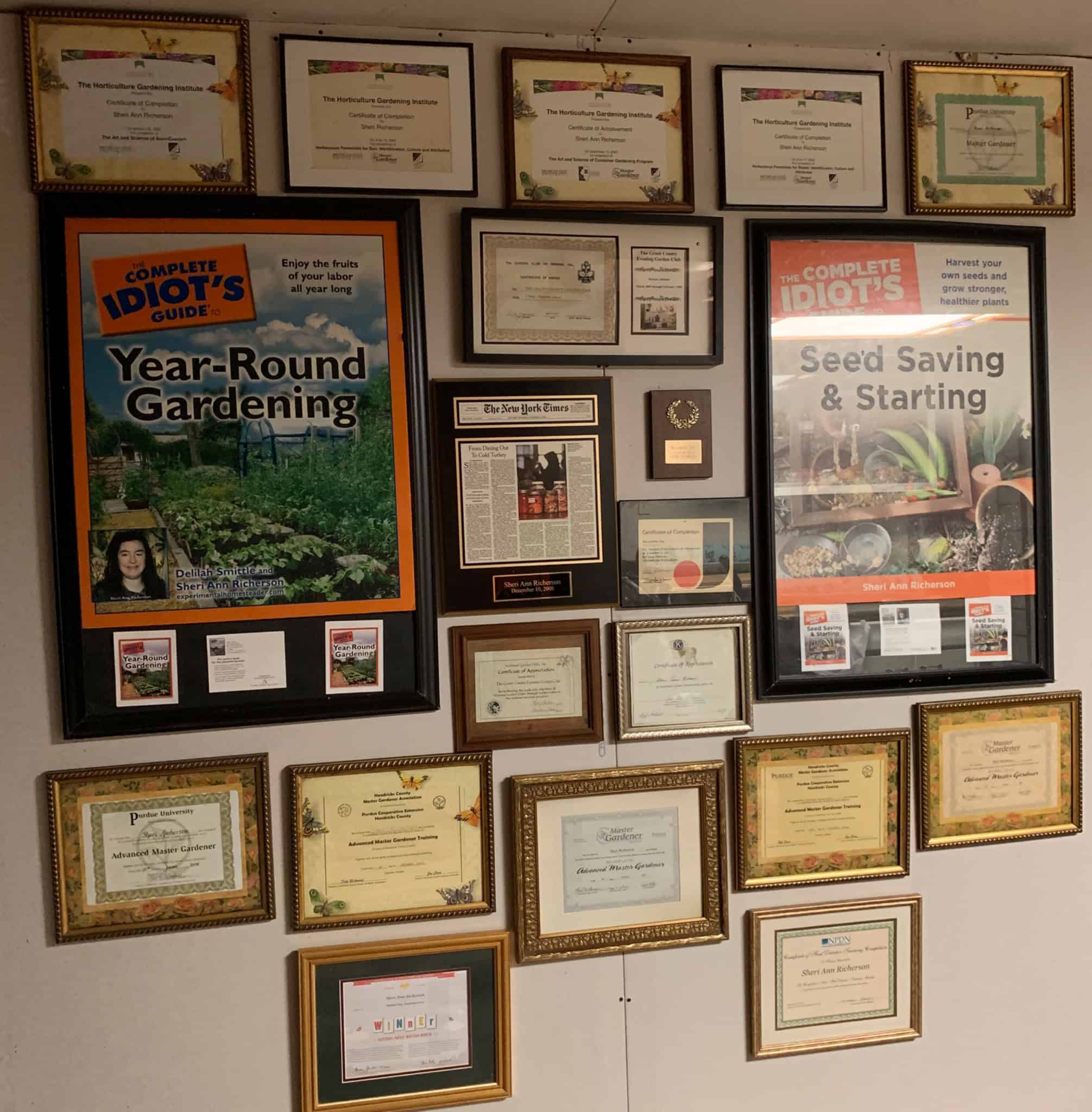
I am a Purdue Extension Gold Level Master Gardener and an Indiana Master Naturalist. My continuing education over the years has also included horticulture, herbs, food production, produce safety, pollinator gardening, wildlife habitat and other subjects that support the work I do here.
I have also written extensively about gardening and self-sufficient living, including traditionally published gardening books such as The Complete Idiot's Guide to Year-Round Gardening and The Complete Idiot's Guide to Seed Saving & Starting.
Teaching, writing and actually growing things have always gone hand in hand for me. The certificates and books on this wall represent only part of that history; I have continued adding new education, training and habitat programs over the years.
CONTINUING EDUCATION
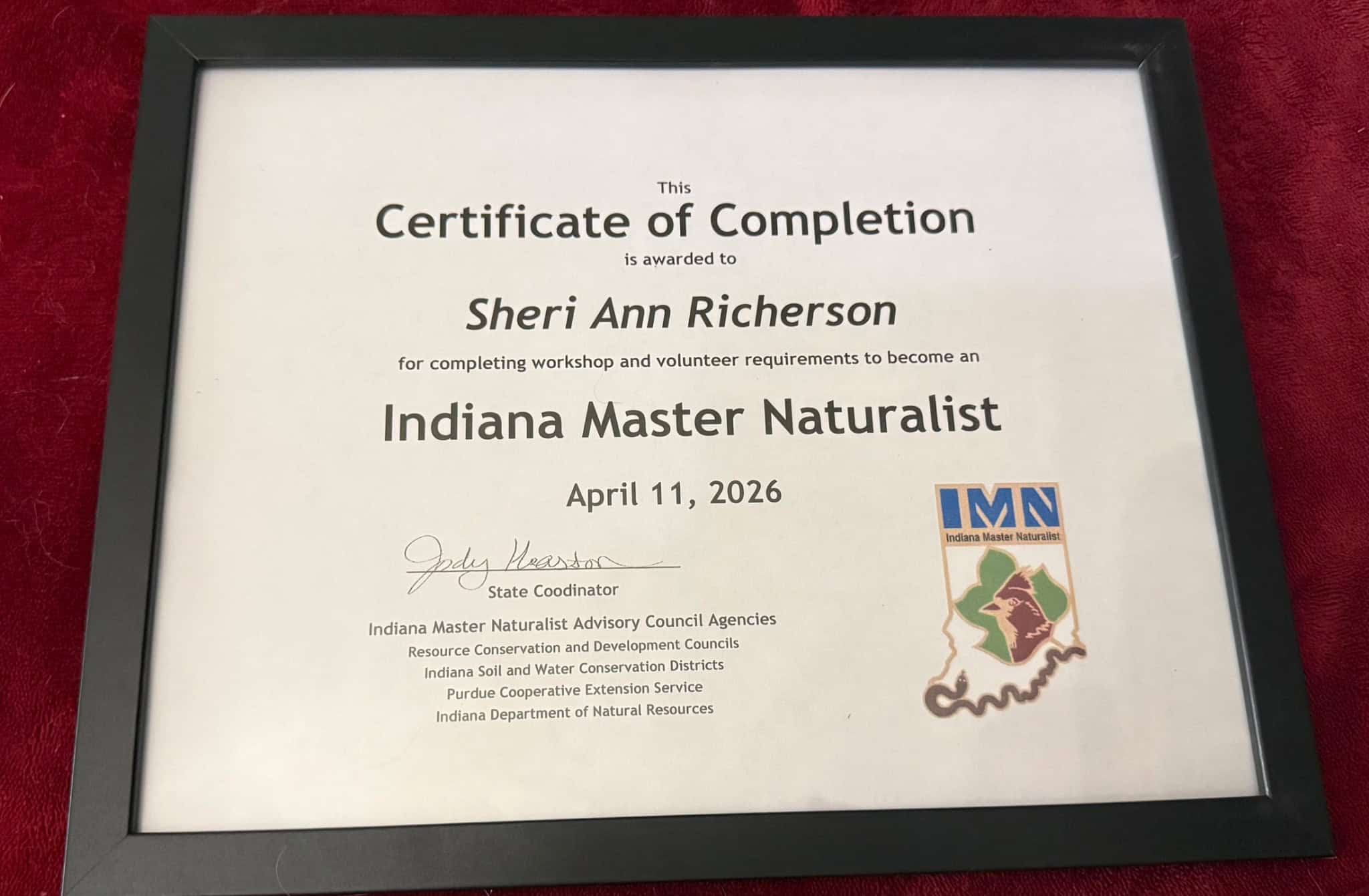
Indiana Master Naturalist
My gardening interests have always extended beyond individual plants. Understanding the wildlife, ecosystems and natural relationships surrounding a garden matters too.
Completing the Indiana Master Naturalist program added another layer to the work I was already doing with wildlife habitat, pollinators, birds and the natural areas of this property.
A GARDEN FOR MORE THAN PEOPLE
Wildlife Is Part Of The Garden
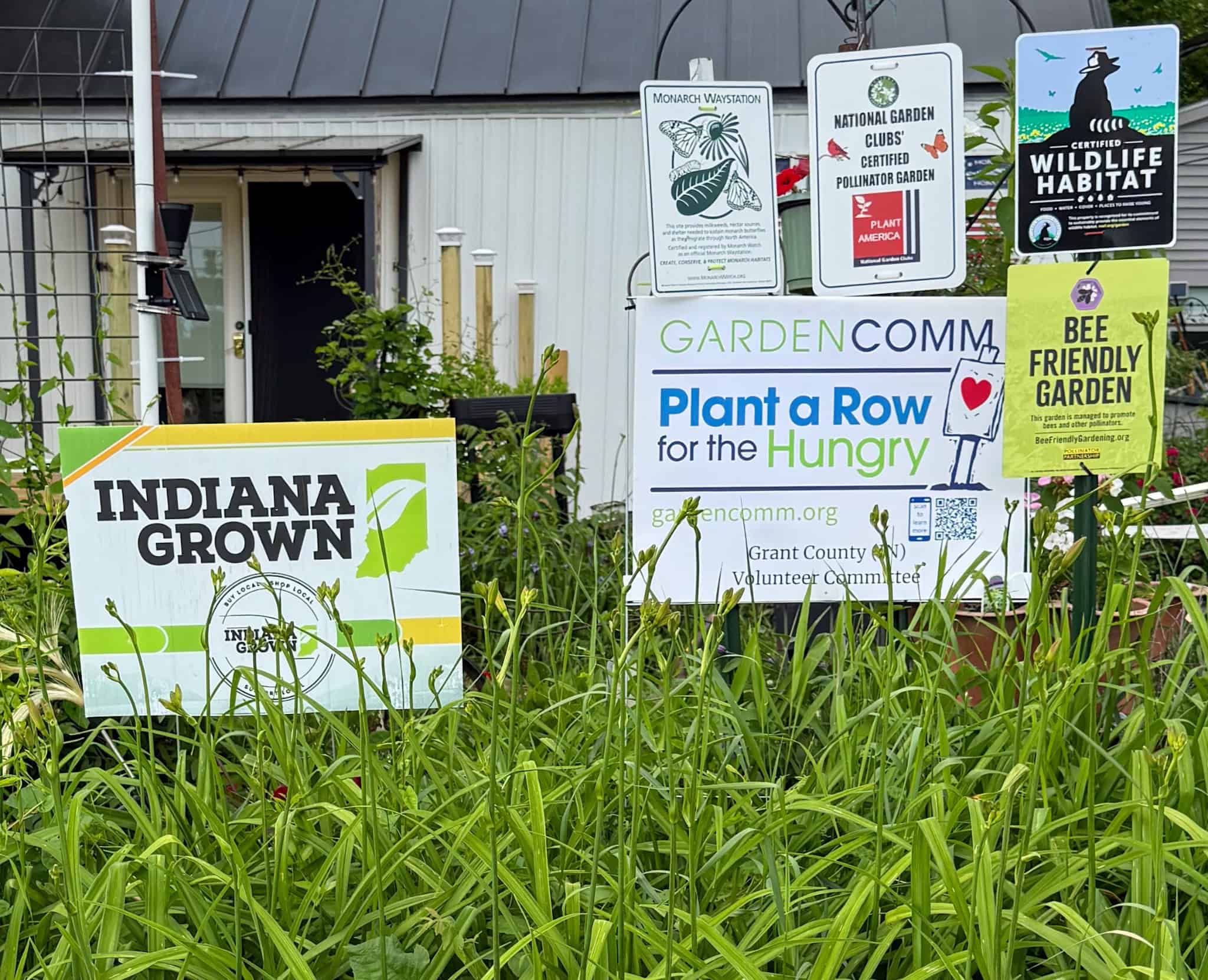
This property isn't designed only around what I want to grow. Birds, bees, butterflies, other pollinators and wildlife are part of the garden too.
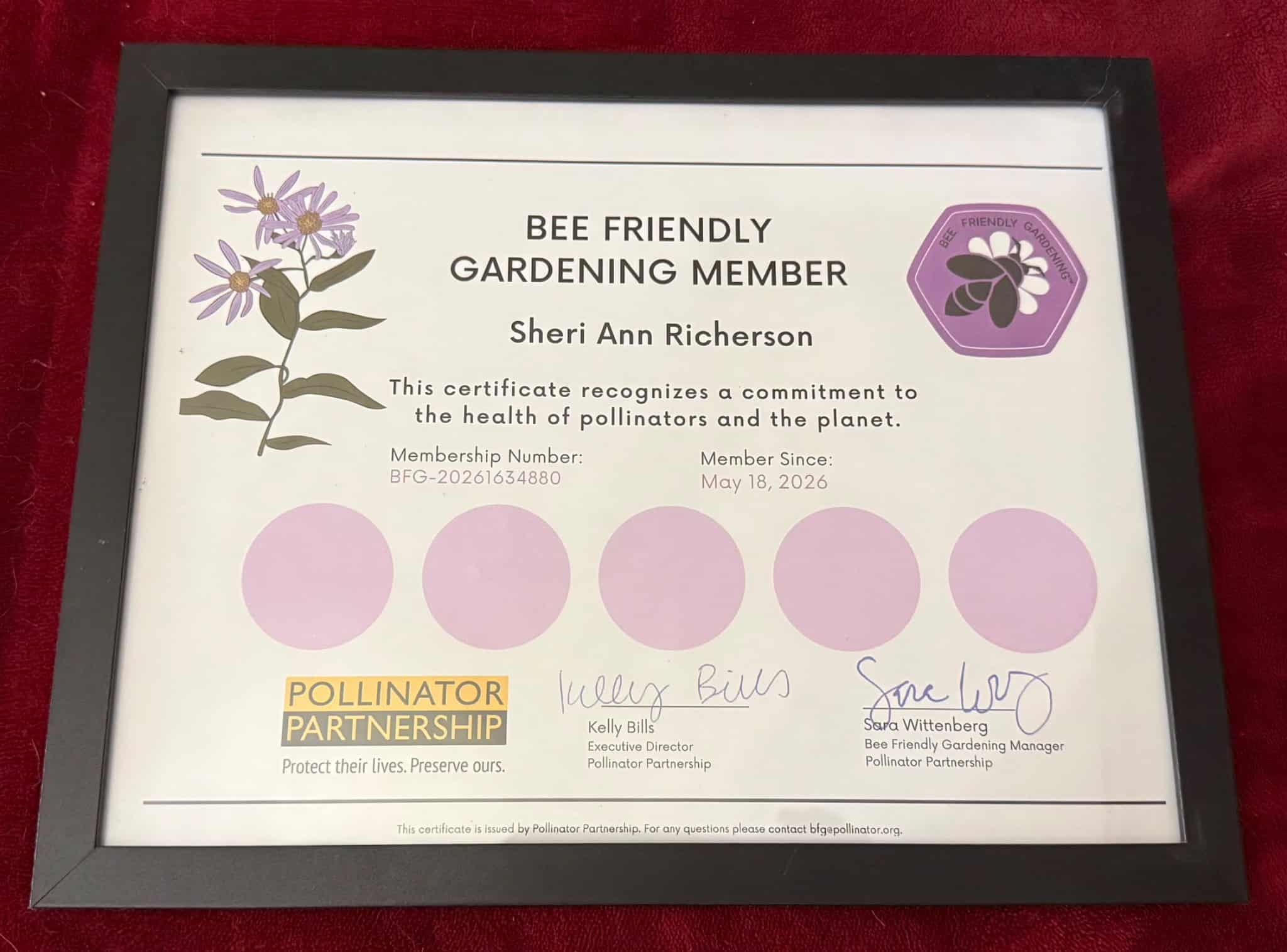
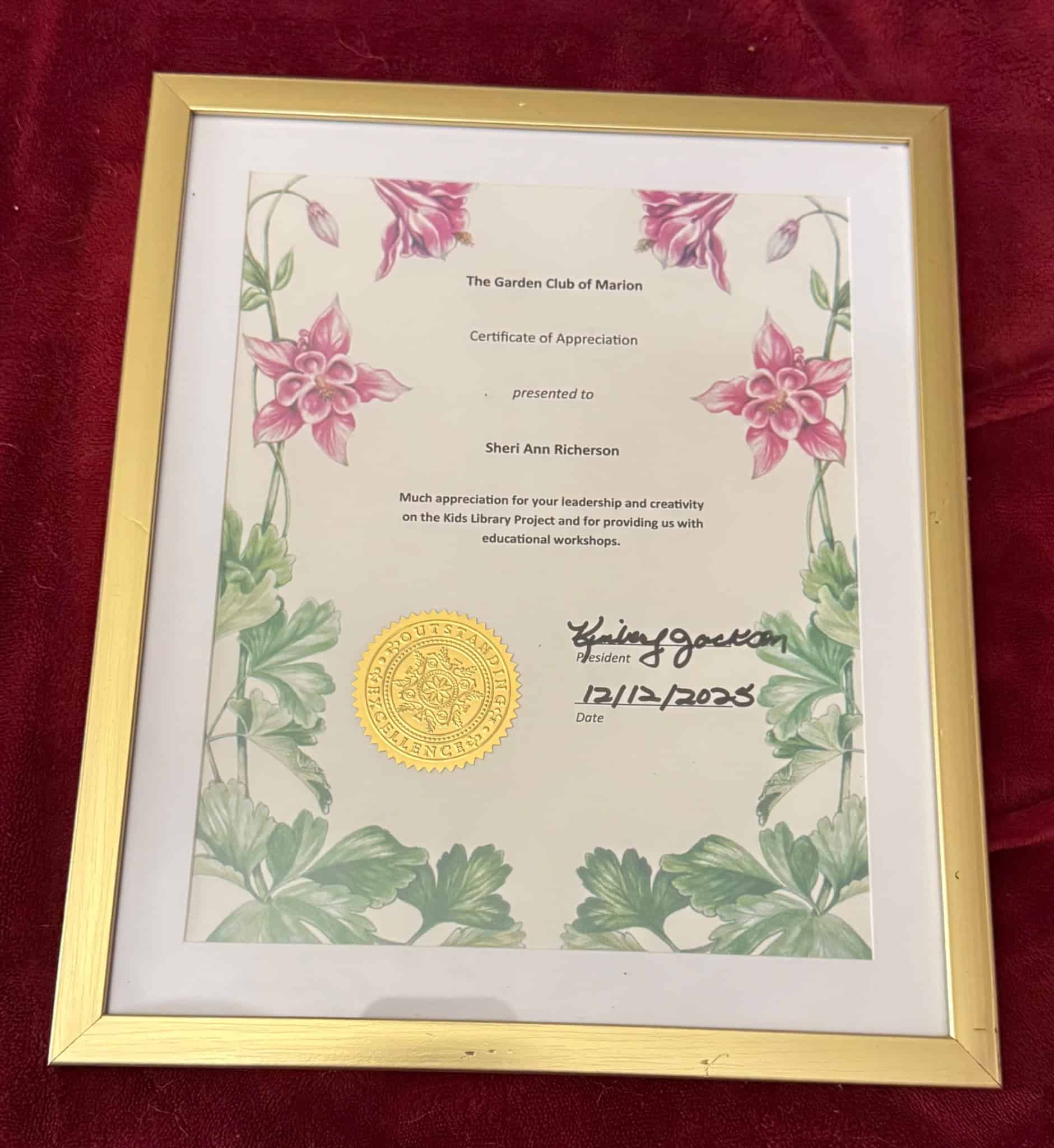
Over the years, that work has become connected with several habitat and pollinator programs. The signs displayed here aren't simply decorations — they represent different pieces of the ongoing effort to make this property useful to wildlife as well as people.
HABITAT & POLLINATOR RECOGNITION
Supporting The Wildlife That Uses This Land
Different programs recognize different parts of the work being done here. Together, they help document the property's role as habitat for birds, monarchs, bees and other wildlife.
National Wildlife Federation
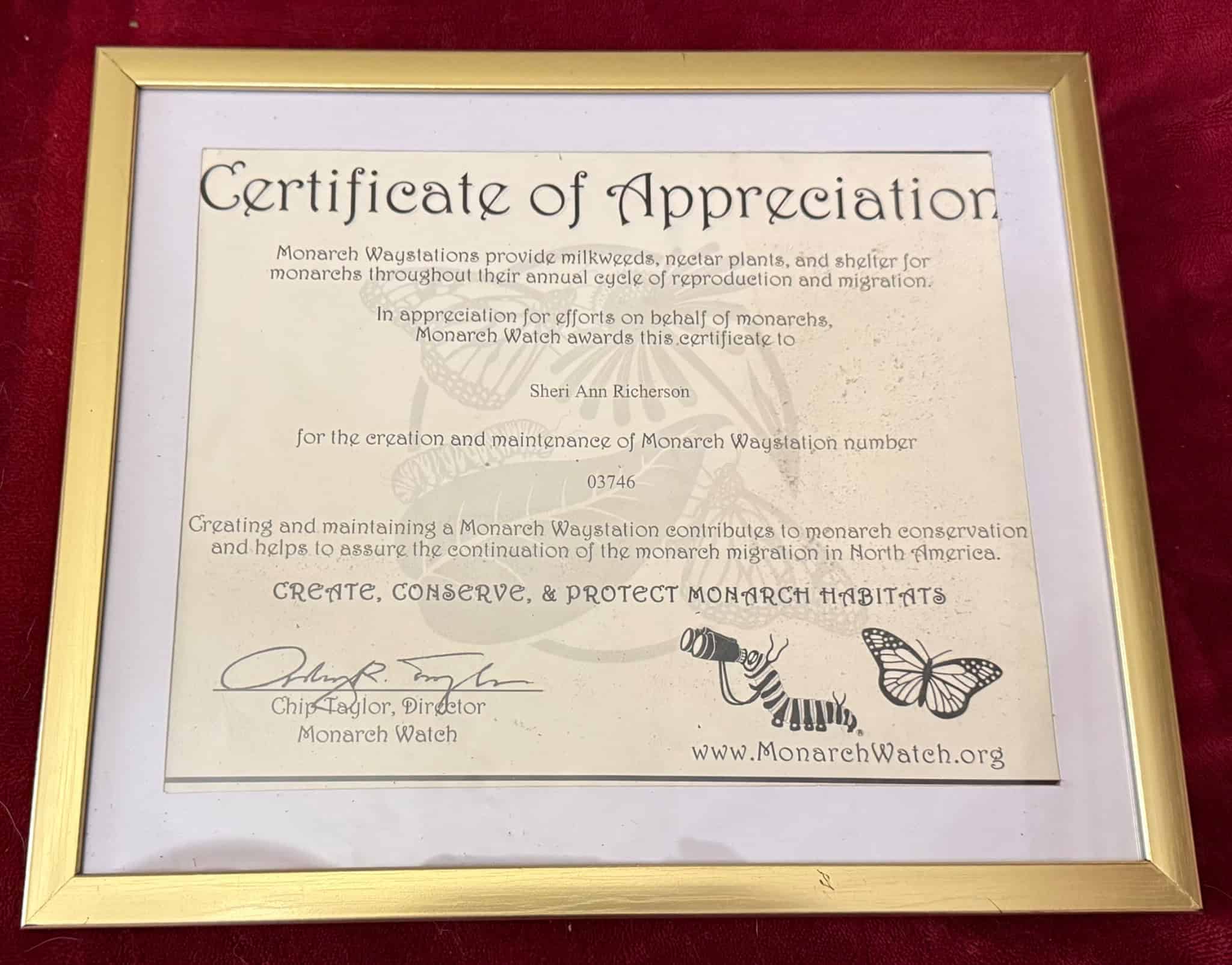
Monarch Watch
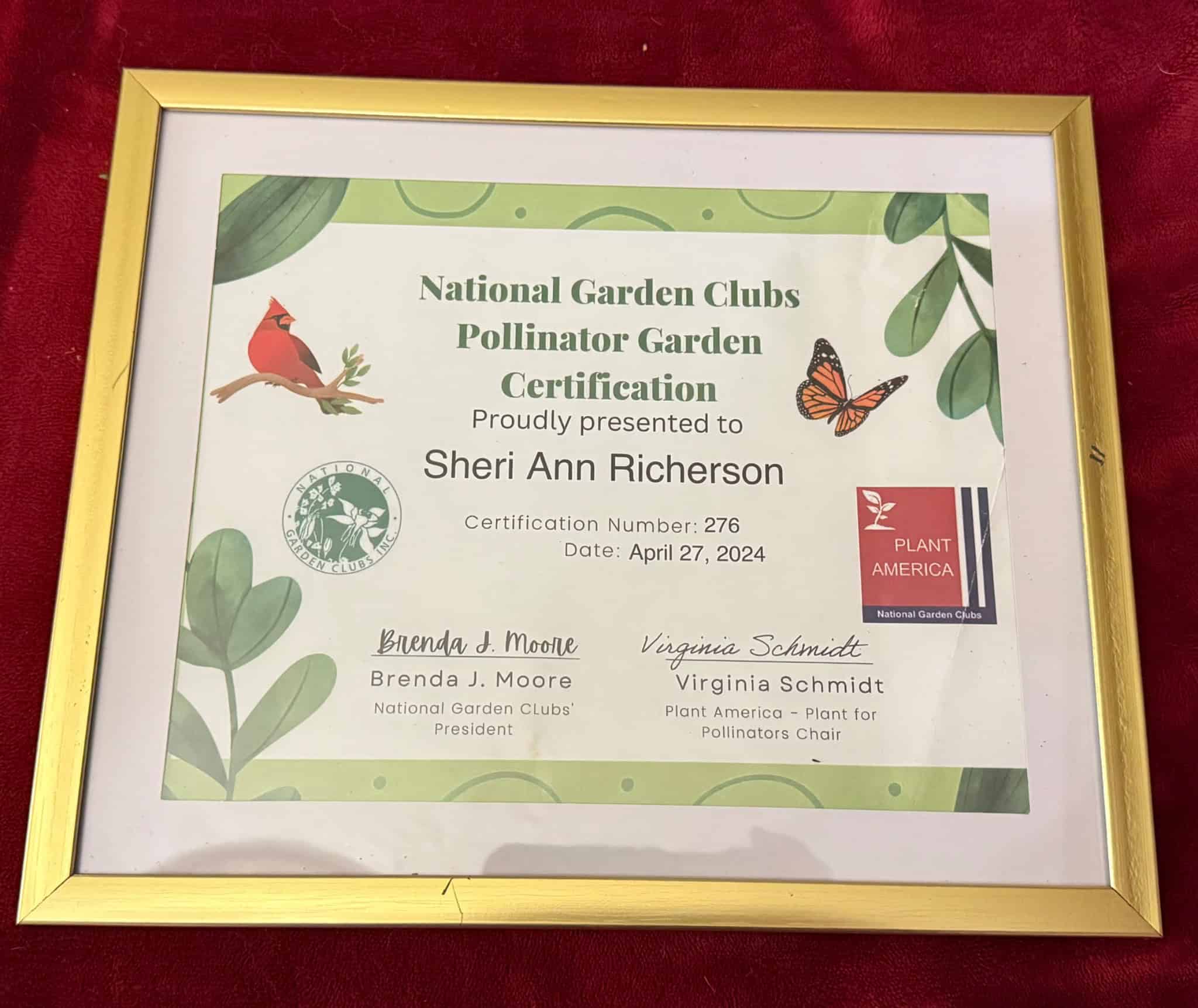
National Garden Clubs
Pollinator Partnership
Cornell Lab of Ornithology NestWatch
A WORKING INDIANA GARDEN & FARM
Growing Food Is Part Of The Story Too
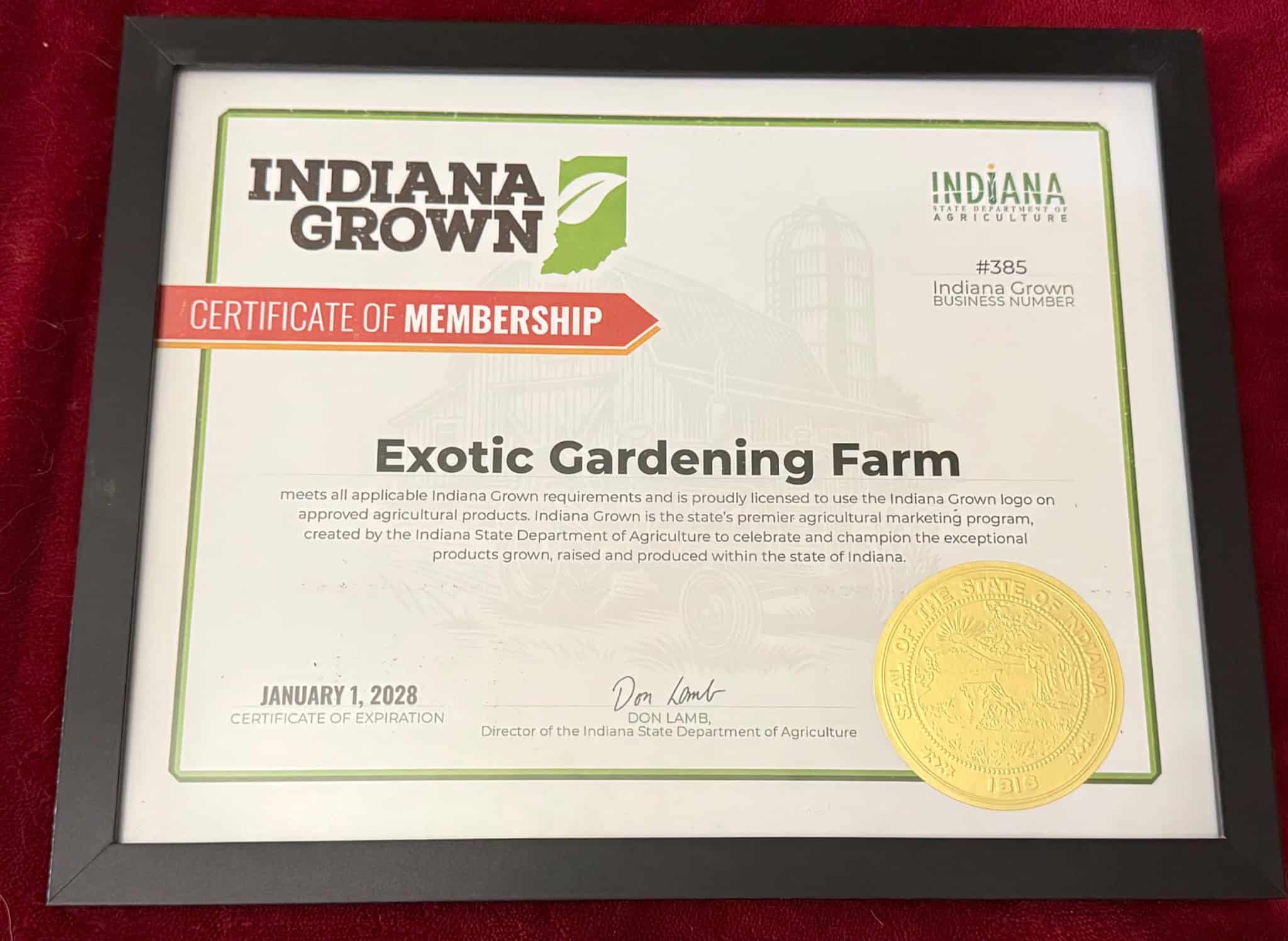
Exotic Gardening isn't solely an ornamental garden or wildlife habitat. Food production, homesteading and agriculture are also part of what happens here.
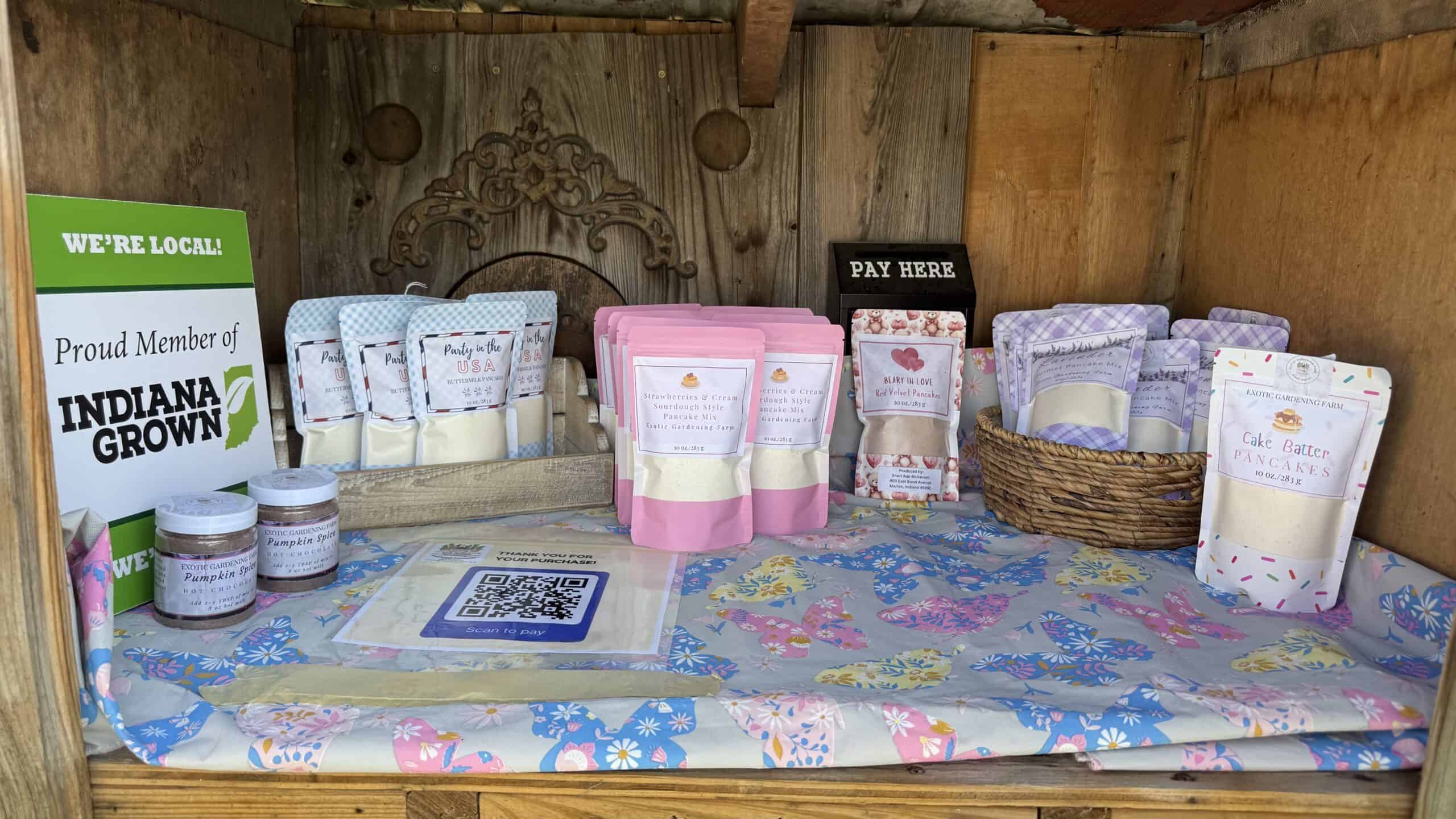
I grow food, preserve harvests and turn ingredients into foods for my own kitchen as well as products through my home bakery. That includes shelf-stable mixes, desserts, breads, sourdough breads and homemade sourdough noodles.
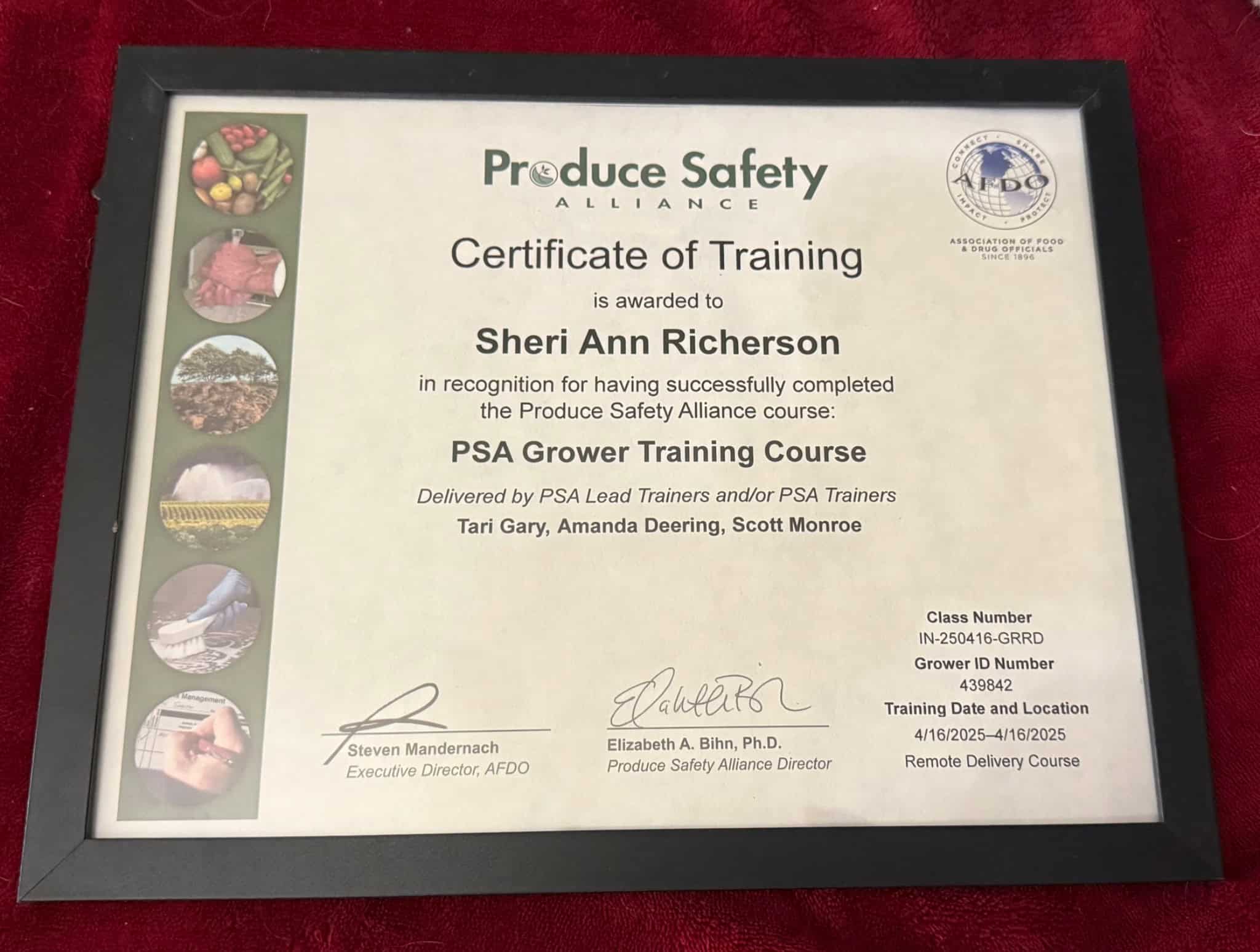
Continuing education in produce and food safety is another part of doing that work responsibly — from what happens in the garden through what happens in the kitchen.
Exotic Gardening Farm
Grower Training
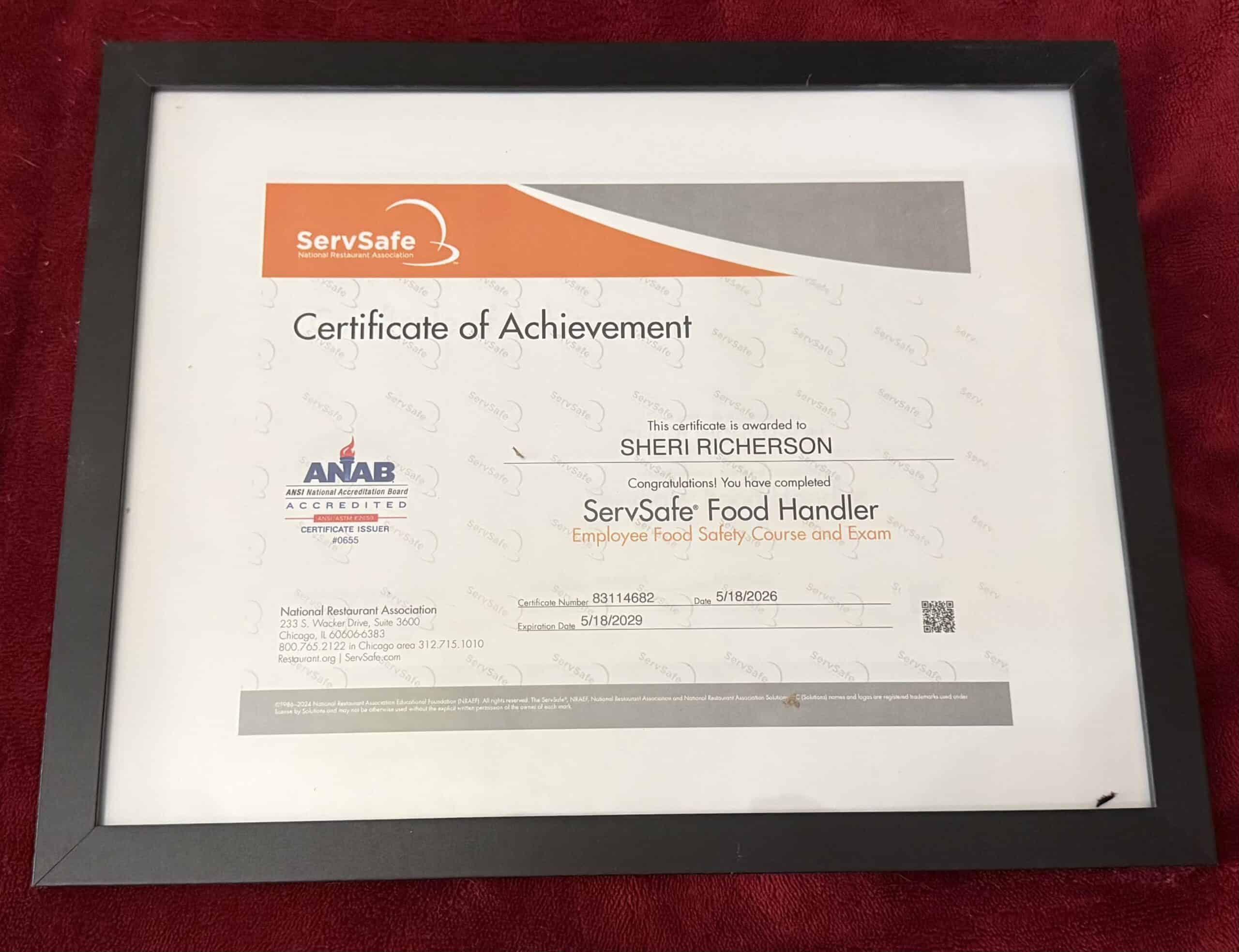
Food Safety Course & Exam
FROM THE GARDEN TO THE KITCHEN
Growing It Is Only One Part Of What I Do
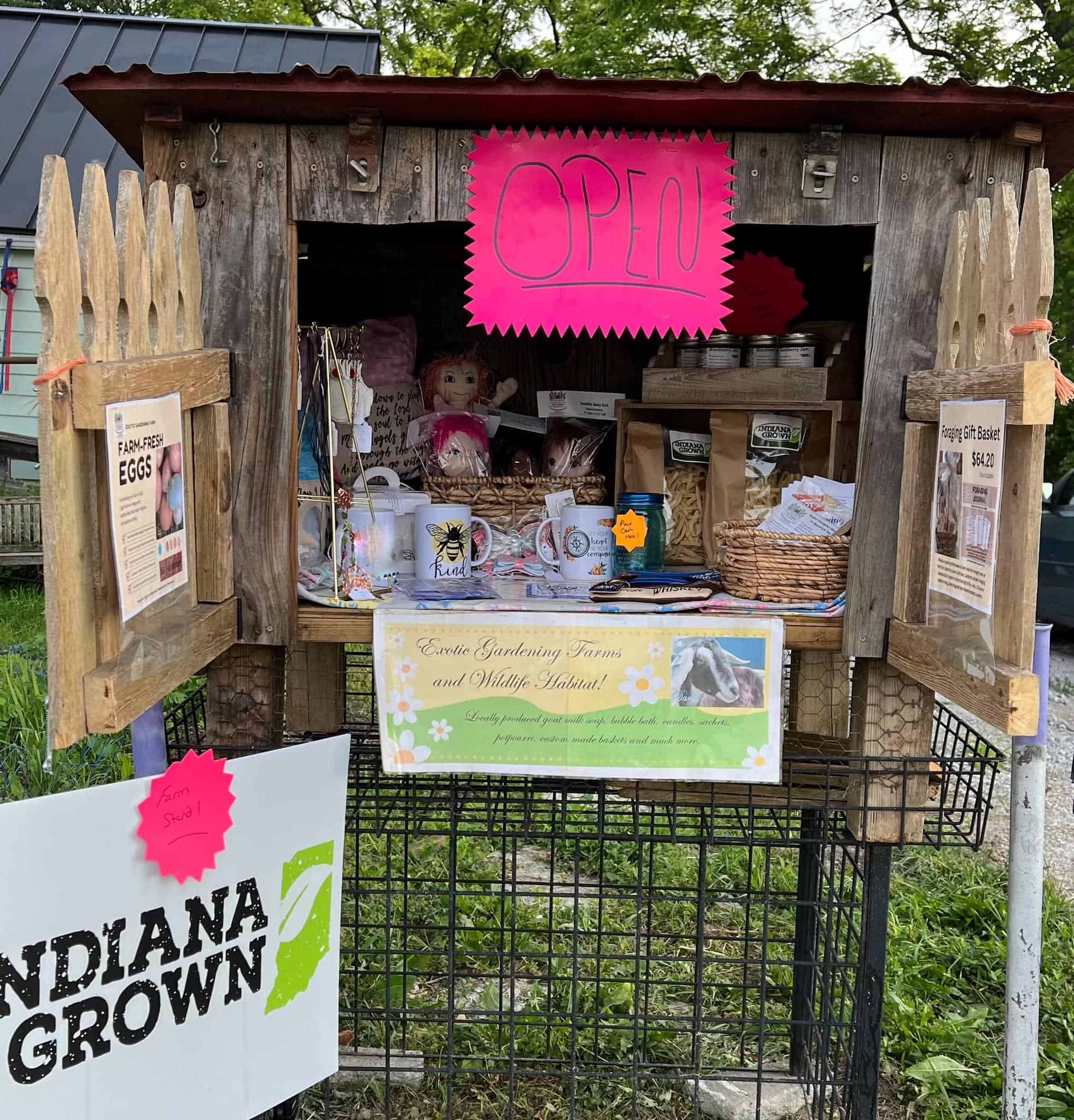
Self-sufficiency has never meant stopping once something is harvested. A big part of homesteading for me is learning how to use what we have, preserve food, make things from scratch and create useful products that can move from the homestead kitchen to the farm stand.
MORE THAN A GARDEN
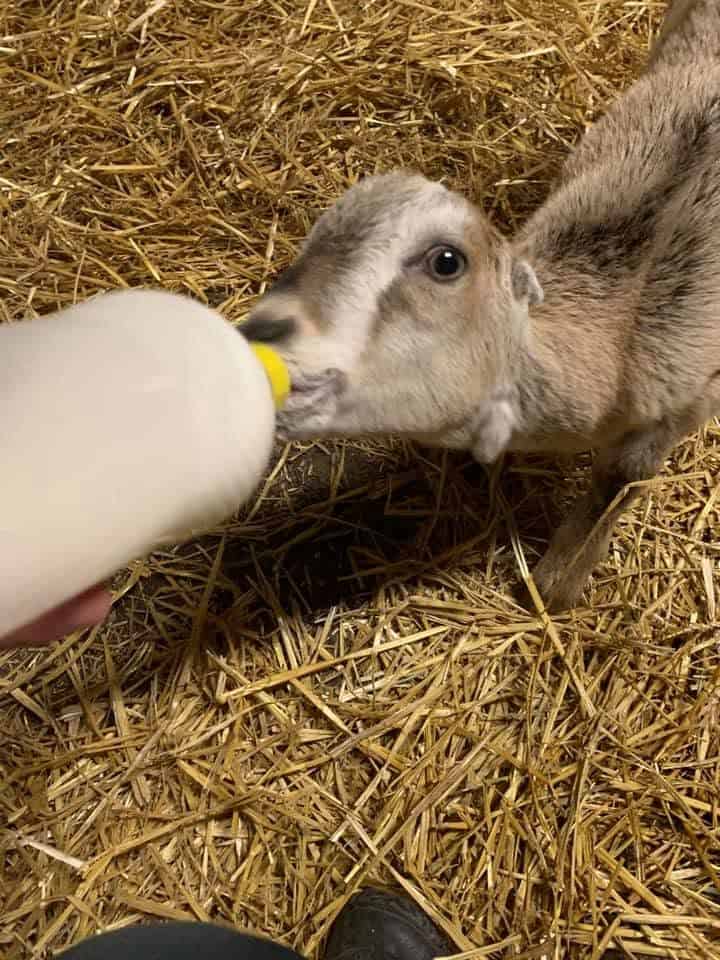
Animals Are Part Of Homestead Life Too
The gardens are only one part of life here. Animals and the daily work that comes with caring for them are woven into the homestead as well.
That hands-on work is part of the reason I approach self-sufficiency as something practical rather than theoretical. There is always something growing, something that needs tending or something new to learn.
GROWING TO SHARE
Plant-A-Row For The Hungry
Gardening can feed more than the people who tend the garden. Plant-A-Row for the Hungry encourages gardeners to grow extra produce and share that harvest with people in their communities.
I participate in Plant-A-Row for the Hungry and serve as the Indiana state contact. It is a natural extension of something I have believed for a long time: when a garden produces abundance, there is an opportunity to share it.

TAKE A PIECE OF THE HOMESTEAD HOME
Browse What I'm Making
Some of the things I make and offer from the homestead are also available online. You can visit Experimental Homesteader Mercantile to see what is currently available, including seasonal products, mixes and other items from my homesteading work.
Browse Experimental Homesteader MercantileSTILL LEARNING
The Credentials Matter. The Doing Matters More.
Certifications and continuing education give me new information, better questions to ask and additional ways to understand what is happening here. But much of what I share comes from actually doing this work year after year.
That means growing unusual and useful plants, starting plants from seed, saving seed, experimenting with season extension, creating wildlife habitat, raising animals, growing food, preserving harvests, baking, making products and learning from the things that don't go according to plan.
That's really what this garden tour is about. I hope something you've seen here gives you an idea you can take home, experiment with and make your own — whether you're gardening on several acres, in a backyard or in a handful of containers.


