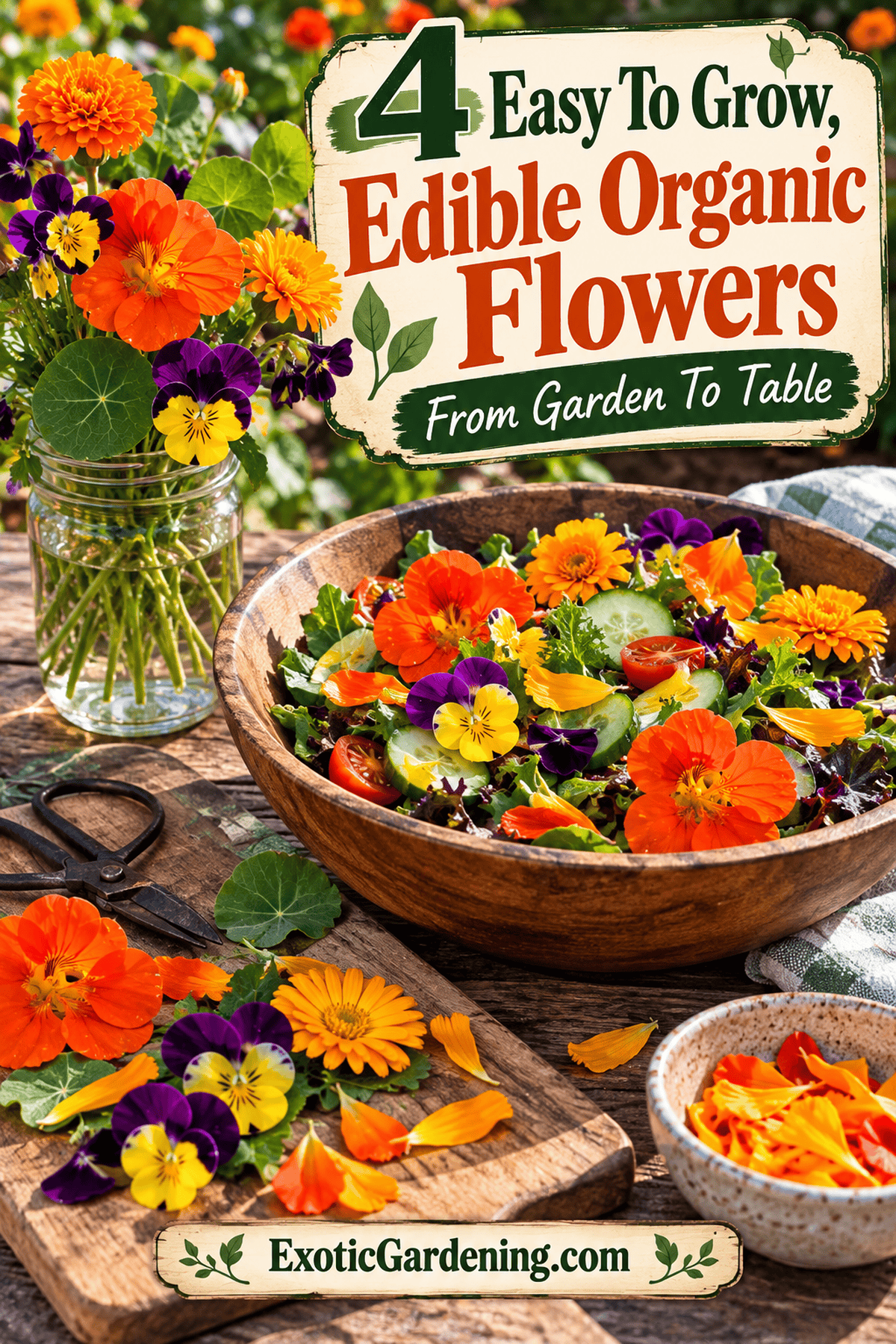
Easy to grow edible organic flowers can do more than brighten a garden. Pansies and violas, signet marigolds, nasturtiums and calendula offer color for the landscape, flowers for carefully prepared meals and nectar or pollen for visiting insects. Growing a few of these plants near vegetables and herbs is a practical way to make a small garden more useful without turning it into another complicated project.
These are four flowers I recommend considering because they are accessible to beginning gardeners, grow well in containers or beds, and give you something to enjoy even when you decide not to harvest them for food. The important part is knowing which plants you have, how to grow them successfully and when the flowers are safe to eat. Organic growing practices help, but they do not replace correct identification and careful handling.
Why Grow Edible Flowers With Vegetables and Herbs?
Edible flowers make good use of space around vegetable beds, along garden paths and in containers close to the kitchen. Their colors help bring a planting together, while the flowers can provide forage for bees, hoverflies and other visiting insects. Some beneficial insects feed on nectar or pollen as adults and may help manage pests at other stages of their life cycles. That is a useful reason to include flowering plants, although it is not a guarantee that pests will disappear.
Companion planting is often presented as a list of magical plant combinations that repel particular insects. The reality is more complicated. The benefits depend on the plant varieties, local insect populations, timing, weather and the rest of the garden. Rather than promise that a flower will repel Mexican bean beetles, squash bugs or tomato hornworms, I prefer to use edible flowers to diversify plantings, observe which insects visit them and support a garden with fewer unnecessary pesticide applications.
Edible Flower Safety Comes First
Only eat a flower after identifying the plant accurately by its botanical name and confirming that the particular species and plant part are edible. Common names are not enough: signet marigold (Tagetes tenuifolia) and calendula or pot marigold (Calendula officinalis) are different plants. Not every flower sold as an ornamental is intended for food, and not every marigold species has the same culinary use.
Grow flowers for eating from seed or plants intended for edible use, or use plants you know have been grown without pesticides or other treatments unsuitable for food crops. Do not assume nursery flowers, florist bouquets, roadside flowers or plants from public landscapes are safe to eat. Avoid flowers exposed to contaminated soil, animal waste or chemical drift. Wash harvested flowers gently in clean water, inspect for insects, and use them promptly or refrigerate briefly in a clean container. If you have pollen or plant allergies, introduce unfamiliar edible flowers cautiously or avoid them if advised by your clinician. Never use a flower as food simply because it looks like a familiar edible variety.
1. Pansies and Violas
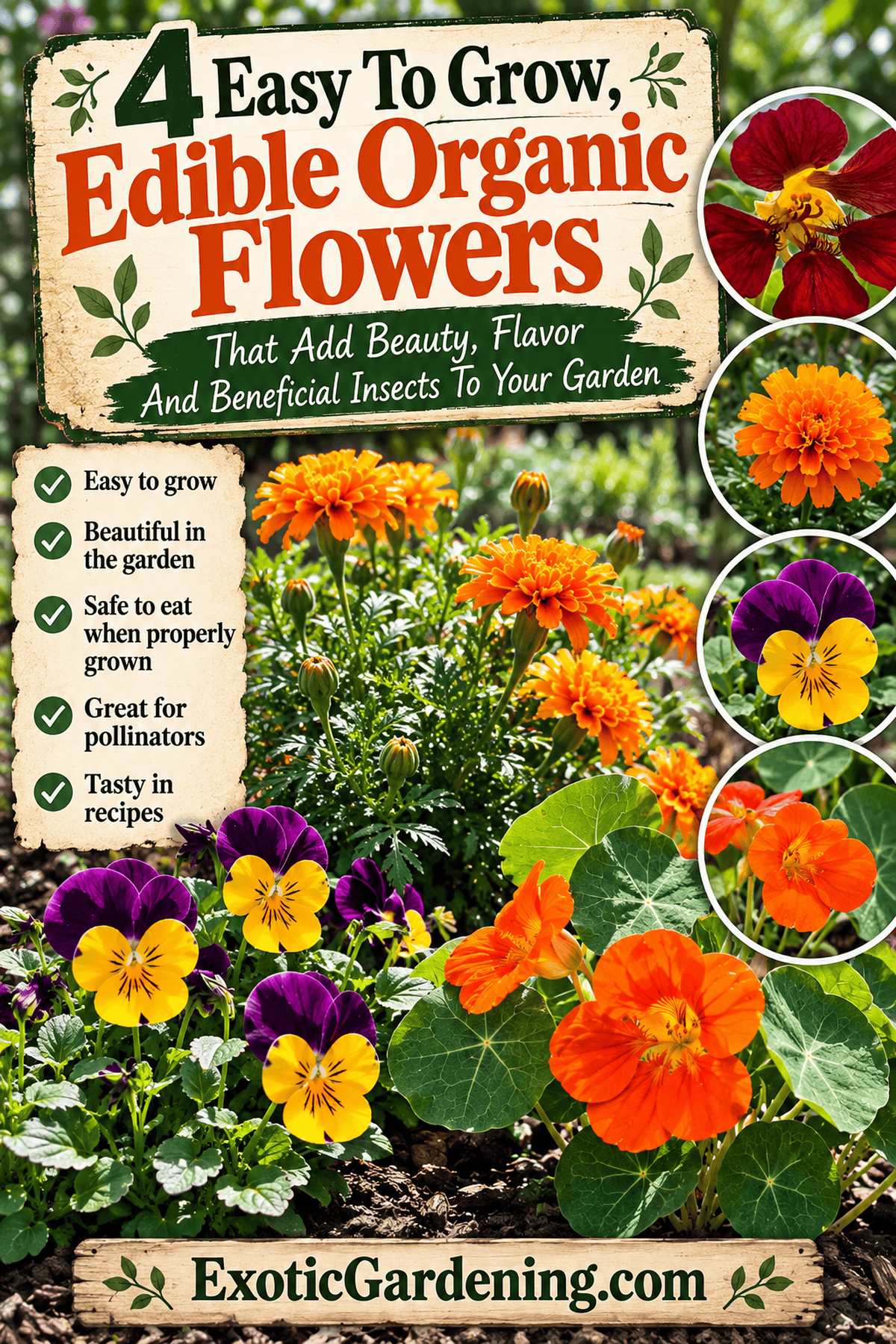
Pansies and violas are among the prettiest flowers for a cool-season edible garden. Their cheerful faces appear in shades of purple, yellow, blue, white and combinations of colors, and their mild, sometimes slightly grassy flavor works well in salads and as a decorative finish on desserts. Flowers can also be pressed or crystallized for special-occasion baking, provided the preparation is food-safe.
Choose edible Viola varieties, including garden pansies and appropriate violas, and check the seed or plant label. These plants appreciate cooler weather and fertile, well-drained soil with consistent moisture. In many gardens they perform best in spring and fall, especially where afternoon shade protects them from summer heat. Some violas are short-lived perennials and may reseed, while garden pansies are commonly treated as annuals or biennials. Their ability to survive winter varies with cultivar, temperature and protection, so do not count on every fall-planted pansy returning in spring.
How to Start, Space and Harvest Pansies and Violas
Start seeds indoors according to the packet instructions, usually several weeks before you want to transplant, and keep the seed-starting mix evenly moist. Germination can be slow and some varieties benefit from darkness, so follow the supplier's directions rather than assuming all flowers germinate alike. Harden seedlings off before planting them outdoors, spacing most bedding plants roughly 6 to 9 inches apart or as directed for the variety. Water at soil level when possible, especially in containers, and remove spent blooms to encourage continued flowering.
Harvest fully opened, clean flowers during the cooler part of the day. Remove tough or damaged parts, inspect each bloom and add the petals or whole edible flowers to food shortly before serving. For more ideas about seasonal planting, see vegetable garden ideas.
2. Signet Marigolds
Signet marigolds (Tagetes tenuifolia) produce masses of small, single flowers and finely divided foliage. 'Lemon Gem' and 'Tangerine Gem' are familiar choices for gardeners who want bright yellow or orange blooms. Their edible petals have a citrusy, spicy or slightly bitter note, depending on the variety and growing conditions, so taste a small amount before adding them to an entire dish.
These compact marigolds are attractive along the edges of vegetable beds, in herb gardens and in containers. Their flowers are visited by pollinators and other insects, but claims that a particular signet marigold planting will reliably repel Mexican bean beetles or other pests should not be treated as established garden guarantees. The often-repeated discussion of marigolds and soil nematodes also depends on the Tagetes species, nematode species and how the plants are grown. Do not substitute that claim for a soil test or a proven management plan.
How to Start, Space and Harvest Signet Marigolds
After frost danger has passed, sow seeds in a sunny, well-drained spot or start them indoors a few weeks earlier for a head start. Cover seeds lightly as directed on the packet, keep the surface moist until seedlings establish, then water when the upper soil begins to dry. Space plants around 8 to 12 inches apart, adjusting for the mature size of your selected cultivar. Avoid overfeeding, which can encourage leafy growth at the expense of flowers.
Pick fresh, fully opened blossoms once the plants are growing vigorously. Separate the edible petals from the green base if you find that part bitter, then sprinkle a small amount over salads or use the petals as a colorful garnish. Keep harvesting or deadheading to encourage more blooms through the warm season. If you are growing them alongside vegetables, the tomato growing guide offers additional advice for caring for the neighboring crop.
3. Nasturtiums
Nasturtiums (Tropaeolum majus) bring a different flavor to the edible flower garden. Their red, orange, yellow or cream flowers have a peppery bite that can enliven salads, sandwiches and savory spreads. The tender leaves are edible as well, and their rounded shape makes the plant easy to recognize once you have learned its identifying features. For a kitchen project, try my nasturtium butter recipe on Experimental Homesteader.
There are compact, bushy and trailing nasturtium varieties, so choose a form that suits your available space. Trailing types can spill over raised beds or container edges, while compact varieties work well in smaller pots. Their flowers attract visitors, and nasturtiums may sometimes host aphids or other insects. That does not mean they will always trap pests or protect neighboring crops. Check the undersides of leaves regularly, and respond to actual pest pressure rather than relying on a fixed companion-planting promise.
How to Start, Space and Harvest Nasturtiums
Nasturtium seeds are relatively large and easy to handle. Sow them directly after the last frost when soil has warmed, planting roughly ½ to 1 inch deep according to the packet. They dislike having their roots disturbed, so direct sowing or using biodegradable starting pots is often easier than transplanting mature seedlings. Give them sun to partial shade, well-drained soil and enough room for their growth habit; many compact types can be spaced about 10 to 12 inches apart, while trailing varieties need more room.
Keep seedlings watered while they establish, then avoid excessive fertilizer, especially nitrogen, which can produce lush leaves with fewer flowers. Harvest clean blooms and tender leaves as needed, preferably shortly before preparing food. Taste the flowers first because their peppery flavor can be stronger than expected, and use them sparingly in delicate dishes.
4. Calendula
Calendula (Calendula officinalis), often called pot marigold, is one of my favorite flowers for adding a sunny look to an herb or vegetable garden. Its orange and yellow flower heads can be harvested for their petals, which add color to salads, rice, soups and homemade butter. Calendula is also familiar to gardeners who prepare herbal oils and salves, although culinary use and topical preparations should be approached as separate projects with their own safety considerations.
Calendula prefers the cooler parts of the growing season and can flower for an extended period when the weather cooperates. Its blooms provide resources for visiting insects, including some pollinators and natural enemies of garden pests. Aphids may also gather on the plants. Rather than promising calendula will repel asparagus beetles or tomato hornworms, watch what happens in your own garden and encourage a range of flowering plants to support beneficial insects.
How to Start, Space and Harvest Calendula
Sow calendula directly in well-drained soil in spring, or start it indoors if you need to get ahead of the season. Plant seeds about ¼ inch deep and thin seedlings to roughly 8 to 12 inches apart, following the cultivar's mature size. Provide full sun in cool weather; in hotter areas, some afternoon shade can help extend flowering. Water regularly during establishment, then avoid leaving roots in persistently waterlogged soil.
Pick flowers once they are fully open and dry after the morning dew has lifted. For culinary use, pull the colorful ray florets from the flower head, inspect them carefully and use fresh or dry them thoroughly for later use. Continue harvesting and deadheading to encourage new buds. Label dried petals with the plant name and harvest date so they do not become confused with other dried flowers.
Growing All Four Flowers in Containers
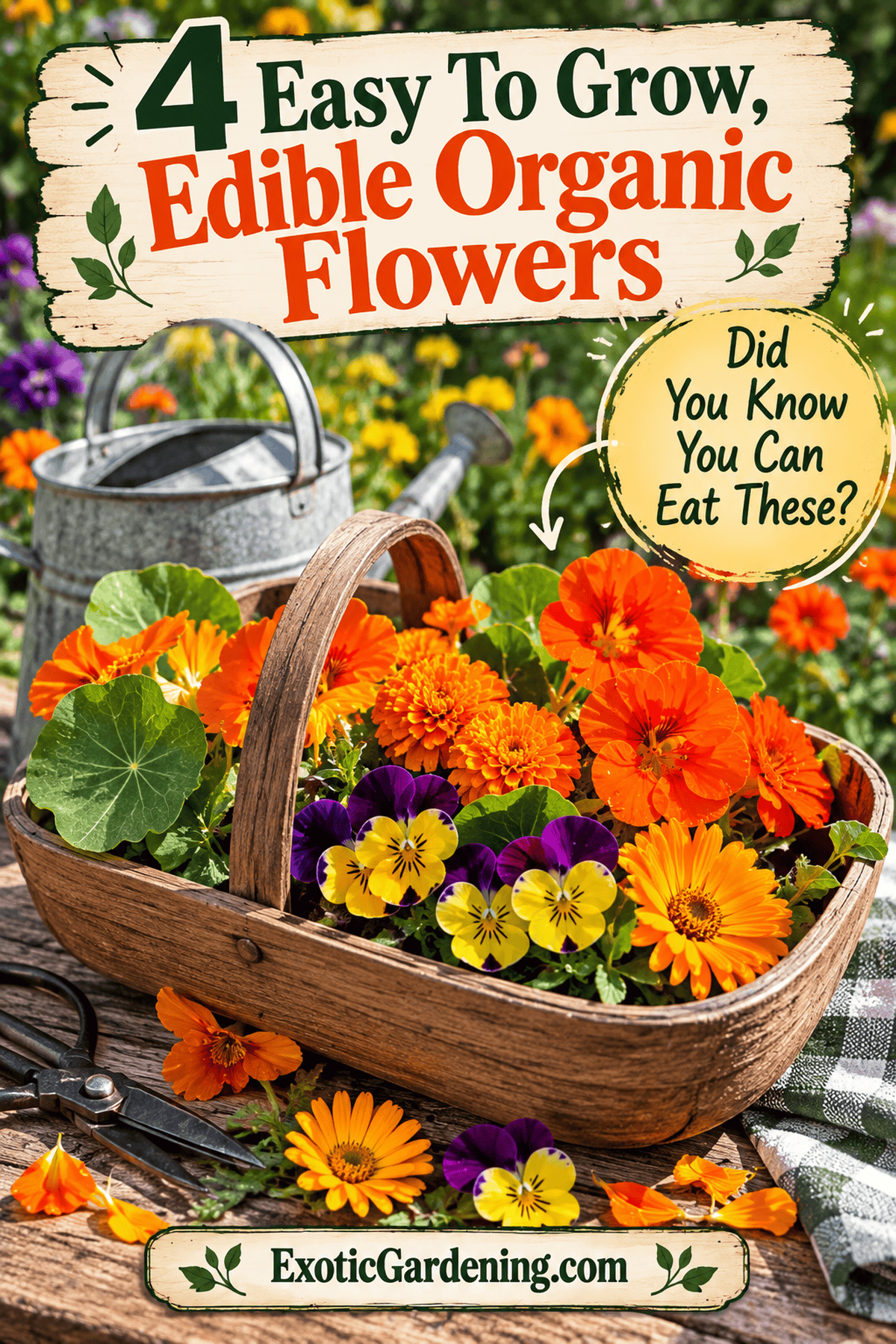
You do not need a large vegetable garden to try these plants. A few containers near the kitchen door can make harvesting convenient and help you keep edible flowers separate from ornamental plants that may have been treated with unsuitable chemicals. Choose pots with drainage holes, use a quality potting mix and allow enough space for air movement around the plants. Cool-season pansies and calendula may prefer different conditions from heat-loving signet marigolds and nasturtiums, so separate containers are often easier to manage than forcing all four into one pot.
Check moisture frequently because containers dry faster than garden beds, particularly in wind or summer heat. Water the potting mix rather than soaking open flowers, remove damaged foliage and harvest only clean blooms. If you are new to container growing, my successful container gardening tips can help you choose pots and establish a workable routine.
Frequently Asked Questions About Edible Flowers
Can I eat flowers bought at a garden center?
Not unless you can verify that the plants were produced for edible use and have not received treatments unsuitable for food crops. Ornamental bedding plants may have been treated with products that are not labeled for edible plants. Growing your own from appropriately labeled seed gives you better control over their history.
Do edible flowers have to be grown organically?
Certified organic status is not the only consideration, but flowers intended for food must be correctly identified and grown and handled safely. Avoid using pesticides or other treatments that are not approved for the edible crop, and do not assume a flower is safe simply because no spray was used recently.
Which of these flowers are best for beginners?
Nasturtiums and calendula are especially approachable for gardeners who like to sow seeds directly. Signet marigolds are rewarding in sunny summer beds, while pansies and violas are excellent for cool-season color. Your climate, available sunlight and preferred growing season will help determine the easiest choice.
Will these flowers keep pests away from my vegetables?
No companion plant reliably eliminates every pest. Flower diversity can support pollinators and some beneficial insects, but insect behavior varies by location and season. Inspect vegetables regularly and combine planting choices with sound garden hygiene and other appropriate pest-management methods.
Final Thoughts
Even if you never eat a single petal, pansies, signet marigolds, nasturtiums and calendula can earn their place in the garden through color and their value to visiting insects. Growing them for food adds another dimension, but it is worth learning the correct plant names, following safe harvesting practices and giving each flower the conditions it needs rather than relying on broad companion-planting promises.
Start with one or two varieties that fit your season and space, keep notes on how they perform and expand when you know what works. The most satisfying edible flower garden is not necessarily the largest. It is the one that gives you healthy plants, blooms you enjoy and the confidence to use them responsibly.


Leave a Reply