Hydroponic gardening offers a different way to grow food when garden space is limited or soil conditions are difficult. I have experimented with growing plants without soil, and one lesson has stayed with me: success depends on the entire growing environment, not simply on placing roots in water. Light, temperature, oxygen, nutrients and the reliability of the equipment all matter. In this guide I want to look at the genuine advantages alongside the work and expense involved, so you can decide whether a hydroponic unit belongs in your own growing plans.
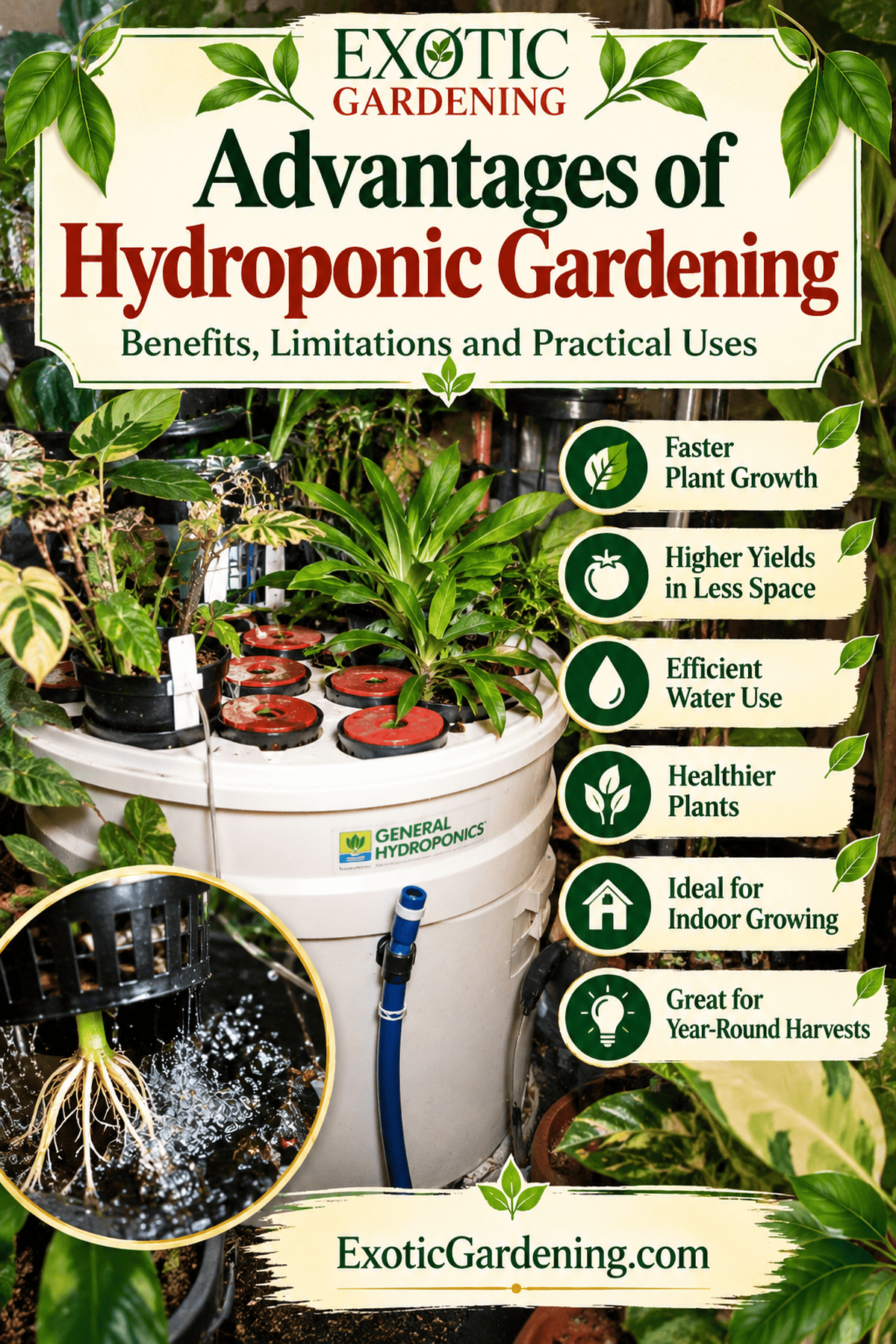
Hydroponic gardening can make efficient use of limited space and offer precise control over water and nutrients. It also requires equipment, monitoring, and maintenance. Growth and yield depend on crop selection, light, temperature, root oxygen, and plant health rather than the absence of soil alone.
Advantages and Tradeoffs to Consider
Recirculating systems can reduce drainage losses, and leafy crops may perform well in compact installations. Hydroponic plants are not immune to pests or disease. Startup costs, electricity use, nutrient management, and pump reliability are important considerations before converting an existing garden.
Growing food in hydroponic units lessens our reliance on factory farm produced food.
For every person that lessens their need for factory farm produced food the use of pesticides and other chemicals by these large corporations will slowly be reduced.
The less food these large corporations need to produce the less their need for non-organic methods of farming will become.

What Hydroponics Changes and What It Does Not
In a soil garden, the soil acts as both a physical support and a reservoir for water and nutrients. Hydroponic systems separate those jobs. A growing medium, net pot or other support holds the plant upright, while the nutrient solution supplies dissolved minerals. The roots still need oxygen, which is why water movement, drainage and aeration deserve as much attention as fertilizer. In my earlier hydroponics experiments, learning to monitor pH and adjust the nutrient solution was just as important as choosing which plants to grow.
There are real advantages to having direct access to the root zone. You can inspect roots, replace a solution that has become unsuitable and tailor nutrients to the stage of growth. Yet that control comes with responsibility. A pump failure, clogged line or overheated reservoir can affect roots much faster than a temporary interruption in watering a soil bed. Hydroponics is not automatically easier gardening; it trades some familiar soil problems for a different set of management tasks.
For a first experiment, I would choose a manageable number of plants and a system simple enough to inspect every day. Leafy greens and herbs often make more practical starting points than large fruiting crops because they usually need less support and can be harvested before they become enormous. Tomatoes and cucumbers are possible, but the grower must plan for the plant's mature size, strong light, pollination and nutrient demand rather than judging the setup by the size of the seedling.
Hydroponic Gardening Makes Natural Pest Control Easier
Insecticides are also greatly reduced with hydroponic gardening since hydroponically grown plants are stronger.
Strong plants have everything they need to naturally be more resistant to pests.
If pest control is needed there are numerous environmentally friendly non-polluting options that can be used instead.
The use of beneficial insects, or even hand picking the pests are just two natural pest control solutions that do not damage the environment.
Releasing beneficial insects can do a lot for the environment since once they eat up the bugs that are causing you a problem they will seek out other bad bugs in the environment.
Many beneficial insects are sensitive to chemicals, just as the bugs they prey on are so it is important that you do not use any type of chemical or organic bug spray if you choose to use beneficial insects.
Grow More Food Indoors Or Outdoors With Hydroponic Gardening
Another advantage of growing in hydroponic units is you can grow more food in less space.
This is one reason why so many people living in apartments grow their food in a hydroponic unit.
They simply do not need soil or any type of outdoor growing space for that matter.
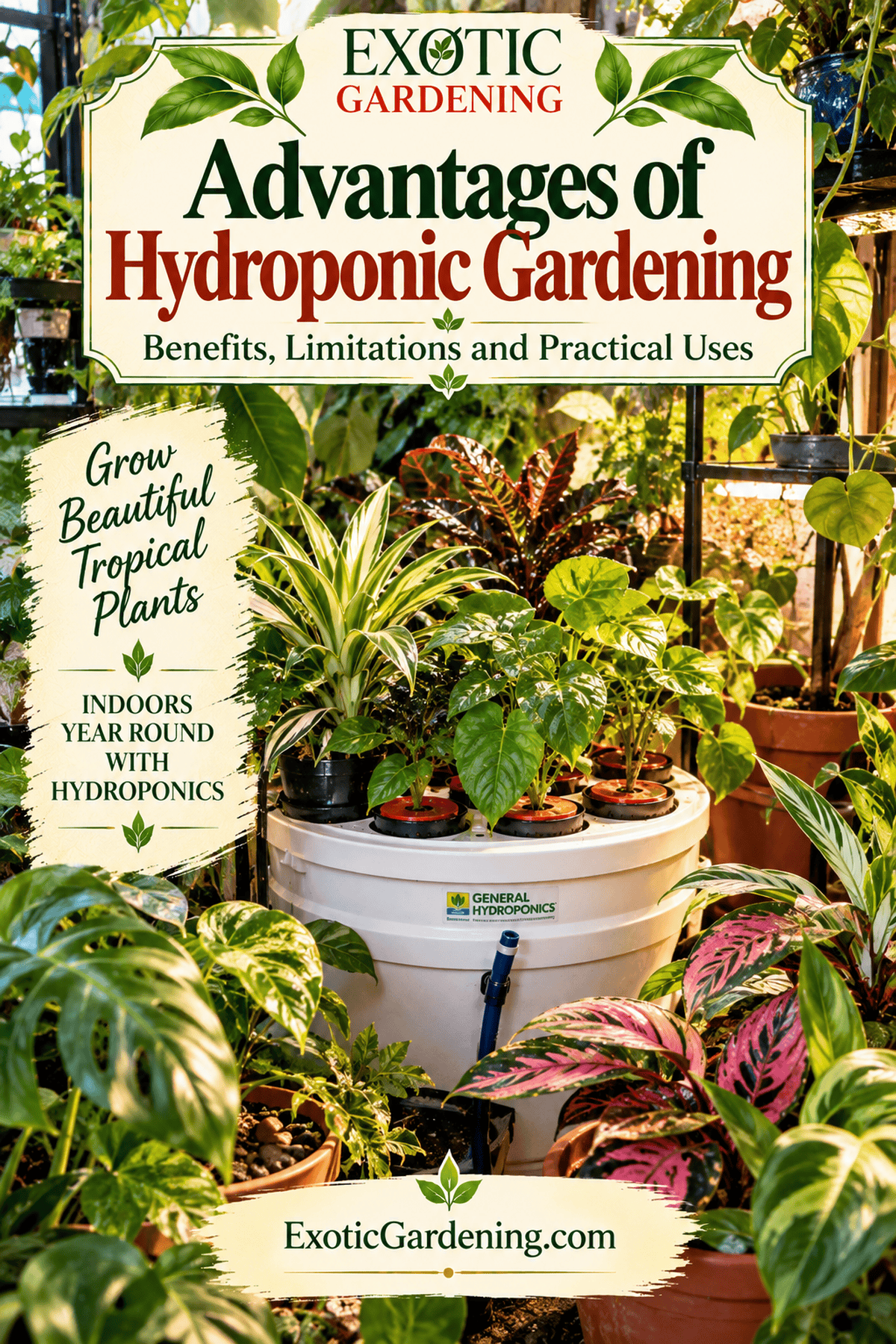
The hydroponic unit of their choice can be set up indoors, in a greenhouse or even outside on a patio, the organic or vegan nutrients added and they are ready to grow whatever plants they wish to.
If the unit is set up indoors a supplemental grow light may be necessary depending on the amount of natural sunlight the room gets.

Hydroponic Gardening Means Faster Maturing Crops
Studies have shown that plants grown using hydroponic methods mature up to twenty-five percent faster and can produce up to thirty percent more food than the same plants grown in soil.
The reason behind this is because the plants don’t spend valuable energy developing roots that are continually looking for nutrients.
All of the nutrients the plants need are readily available in the water they are being grown in and the plant roots can easily take up the nutrients they need and leave the ones they don’t behind.
Instead of the typical one fertilizer for all stages of plant growth as typically seen in soil based fertilizers, hydroponic nutrients are designed for the specific stage the plant is in.
There are special nutrients for new seedlings, nutrients for the growth stage as well as flowering and fruiting nutrients.
Prevent Disease, Weeds And Avoid Unsanitary Conditions
Another advantage of food grown in a hydroponic environment is that is has less chance of coming into contact with disease causing bacteria since it will not be exposed to unsanitary growing conditions, soil borne disease or weeds.
Sometimes the occasional weed will get into a hydroponic unit especially if the unit is outdoors, however the simplest method of dealing with this is to pull the weed instead of using a chemical spray.
This can be a real relief for many people and one more reason why large companies should grow hydroponically, especially with the food scares that have been happening due to unsanitary conditions or run off on large factory farms.
Related growing guides: Starting vegetables hydroponically, hydroponic benefits and limitations, sustainable hydroponics, environmental tradeoffs, and my cacao experiment.