I can picture exactly why a pot filled with edible flowers and herbs is so appealing. Supper is cooking, you need a little thyme or basil, and instead of reaching for a jar in the cupboard you step outside with a pair of scissors. A few snips later, the meal has fresh flavor from plants you grew yourself. That is the kind of practical beauty I want from a kitchen garden.
But here is the part the pretty container photographs rarely show you: what happens after everything has been growing together for six weeks? The mint is spreading into its neighbors, the tomato wants more water, the rosemary wants less, and the little flowering plant you tucked into the middle can barely get any light. Suddenly that convenient garden has become a daily balancing act.
I have grown food and experimented with plants in containers, garden beds and protected growing spaces for years, and I do not believe in forcing incompatible plants into the same pot just to make an attractive arrangement. I would rather show you how to build a useful kitchen garden, when to combine plants, when to separate them, and how to get a harvest you can actually use. We are going to plan a bouquet garni garden, a dessert garden, a Mexican-inspired herb garden, a lemonade garden and a pizza garden, then look at where edible flowers fit into those combinations.
Why I Plan the Harvest Before I Plant the Pot
I like containers that do more than look pretty. A beautiful arrangement is enjoyable, but I want to know what I can harvest from it, how often I can harvest it, and whether the plants will still be healthy once they reach full size. When I think about growing edible flowers and herbs together, I start with supper, not the colors on the plant tags.
A container filled with ingredients for soup has a clear purpose. So does a collection of herbs for homemade pizza or a planting meant to supply fresh flavor for summer lemonade. Those are useful ways to organize a small growing space, especially when you want to step outside and snip what you need rather than search through several beds. The catch is that the plants must be able to live together, not merely look good together on planting day.
Over the years I have grown herbs for pizza, spaghetti sauce, lasagna sauce, beef roast and other meat dishes, as well as herbs for teas I enjoy. I have tried so many different herbs that a themed kitchen garden feels natural to me. But I also know how quickly an attractive little combination can change once the plants start growing. I look beyond how the pot looks today and think about what each plant will demand as it matures. A pot that looks wonderful for two weeks but becomes impossible to water, manage or harvest has not done its job.
What Does Growing Herbs and Edible Flowers in the Same Pot Actually Mean?
Combination planting means putting two or more plants into one growing container so their roots share the same potting mix, water and available nutrients. It is different from placing several individual pots close together. Both arrangements can look like one small garden, but only the first requires every plant to tolerate the same root environment.
That distinction matters. Rosemary and basil can sit side by side on a patio, but rosemary generally prefers a drier root environment than basil. In separate pots I can give each what it needs. In one pot I must choose a compromise, and that compromise may suit neither plant as the season progresses.
For this article, I am including both true mixed containers and coordinated groups of pots. I would rather help you grow healthy, productive plants than insist that every ingredient share one container just to match a picture.
Who Should Try a Mixed Kitchen Garden?
A mixed kitchen container makes sense for someone with limited space, a patio or porch, or a garden that is easier to manage in pots. It also works for cooks who want to grow a handful of ingredients for meals they already prepare. You do not need to plant everything in the seed catalog to make a useful garden.
If you are just beginning, start with two compatible plants instead of five. It is easier to recognize when one needs more water, more room or better light. Experienced gardeners can experiment with larger combinations, but the same rules still apply.
How to Choose the Right Container Without Crowding the Roots
A small seedling can make a big container look empty. That is not an invitation to fill every open inch. Think about the mature height and spread of each plant, how much root space it will need and whether you will be able to reach in to harvest without breaking stems.
For small herbs, a generously sized planter with drainage holes may be adequate. A 20-inch pot is a starting point for some combinations mentioned in my original notes, not a promise that four plants will thrive together indefinitely. Tomatoes, bay laurel, rosemary and vigorous mint can outgrow a shared planting and may be better in their own pots.
I fill my antique metal wash tubs with potting mix rather than setting individual pots inside them. Each year I amend the upper few inches with compost, but I do not try to make the entire tub excessively rich. Herbs really do not need rich soil. I love using old metal wash tubs as herb planters. They often cost very little and add wonderful character to the garden. I check the bottom first because some already have openings from age and wear that allow water to drain. If the tub does not drain, I make drainage holes before planting. Choose a container you can safely move or position before filling it. Potting mix and water make large containers heavy. If you want a full display but have incompatible plants, arrange their individual nursery or growing pots inside a larger decorative container, making sure each inner pot can drain.
Potting Mix, Drainage and Watering: Where Combinations Succeed or Fail
Herbs do not automatically need rich soil. I often make my own potting mix with peat moss, perlite and vermiculite, blending them until I can see the perlite and vermiculite throughout the peat. I particularly like this mixture for overwintering scented geraniums. I adjust the mix and watering to the plant, because not every herb wants identical moisture. Use a suitable container potting mix rather than digging heavy garden soil into a pot. Good drainage is essential, but so is moisture retention appropriate for the crops. A plant that prefers evenly moist soil may struggle next to a plant that needs its roots to dry somewhat between waterings.
Water the root zone thoroughly when the mix needs it, then let the excess escape through drainage holes. Do not add gravel to the bottom of a pot without drainage and expect it to solve standing water. I would rather use the right container from the beginning than spend the summer trying to rescue waterlogged roots.
Before planting two species together, ask: Do they need roughly the same amount of sun? Will they tolerate the same watering routine? How large will they become? Do they need similar feeding? If the answer to several of those questions is no, make a grouping of separate pots instead.
Where Should You Place a Kitchen Herb and Flower Container?
Many culinary herbs want full sun. If you plan to bring them indoors for winter, they need a sunny window or a grow light rather than a dim corner. The location has to work for the plants and for the gardener. I want ingredients near enough to the kitchen that I will actually harvest them, but convenience cannot replace sunlight. A sunny herb planter tucked under a deep porch roof may never receive the light it needs.
Watch the spot in morning, midday and late afternoon before deciding. Also think about reflected heat, wind, summer storms and access to water. A large container that is difficult to reach or water quickly becomes neglected, no matter how useful its plants might be.
The Bouquet Garni Garden: A Pot for Soups and Stews
One of the combinations in my original notes is a bouquet garni garden with rosemary, thyme, sage and bay laurel. This is very much my kind of garden because I grow herbs to flavor beef roast, meat dishes, soups and stews. I want those flavors close at hand when I am cooking, and growing them myself lets me choose exactly what goes into the pot.
The practical adjustment is to give bay laurel its own container as it grows. Bay is a woody plant that can become much larger than a seasonal herb. Rosemary and thyme can share a sunny, well-drained setting when their varieties and mature sizes are suitable, but sage may also need more room than a crowded arrangement allows. You can still keep the pots together as one themed garden.
Rosemary has taught me something important about choosing where to grow an herb. It is not reliably hardy outdoors in my part of Indiana, and bringing it into the house used to mean dealing with its tendency to dry out. I discovered that I could establish rosemary in my unheated tunnel house, protect it with frost cover and six-mil plastic, and get it through the winter wonderfully. That has been a fabulous solution because I no longer have to bring it into the house. The protected tunnel-house conditions are part of why it works for me; I would not assume an unprotected rosemary pot outdoors would survive the same winter. For a mixed container, still begin with enough root room, suitable drainage and plants with similar needs.
To use the harvest, gather suitable sprigs of thyme and rosemary with sage or bay according to the dish, secure them in a food-safe sachet or bundle and simmer them in soup or stew. Remove the bundle before serving. That is the reward for planning the garden around a real kitchen task.
The Ice Cream and Sorbet Garden: Fragrance with a Purpose
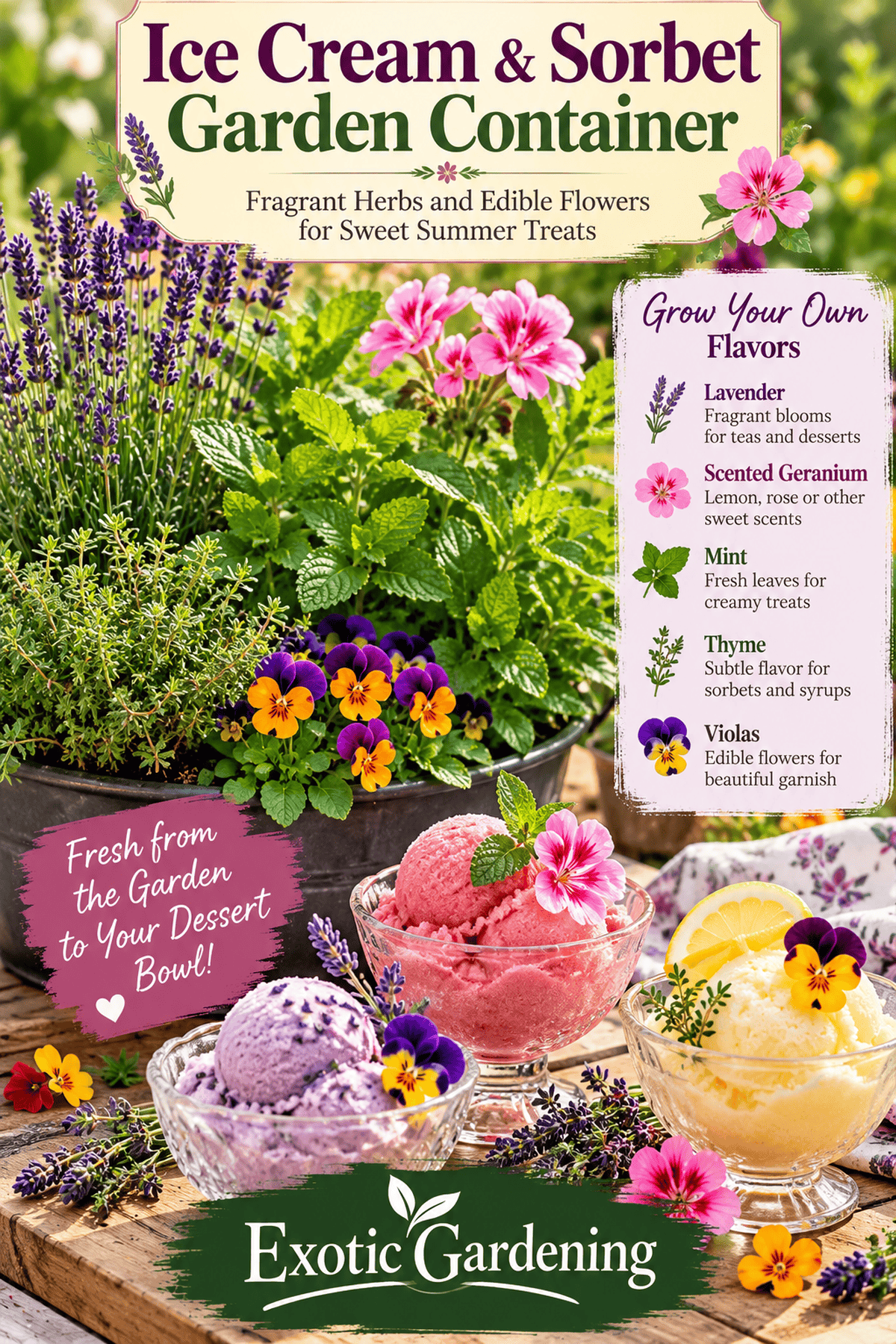
Anise hyssop, lemon verbena and rose-scented pelargonium are the dessert-garden combination in the source material. It is an appealing idea because fragrance is such an important part of the experience of eating. But fragrance alone does not tell you how the plants should be grown or whether every plant sold under a familiar name is suitable for food.
Scented geraniums are probably my favorite container-grown herbs. I especially love the idea of an ice cream and sorbet herb collection, and it is one I definitely want to grow. I have grown a great many herbs, but I am always finding another combination I want to try. I love having them around, but I have also learned how large they can get. One scented geranium can take over a pot, so I would rather give it its own container and arrange it near the other plants in a dessert or tea garden. Lemon verbena can become substantial as well, and anise hyssop has its own growth habit. Grouping individual pots gives me the convenience of one harvesting area without forcing all those roots to compete.
Start with one plant of each species that you can positively identify and that is intended for culinary use. Position them for adequate light, use draining pots and keep labels. Harvest small amounts for a tested ice cream or sorbet recipe and taste cautiously; aromatic leaves can overpower a dessert if used too heavily.
If you want mint for sorbet, keep it in its own pot. Mint's spreading roots can take over shared containers, and a separate pot makes it much easier to manage and harvest.
The Mexican-Inspired Herb Garden: Think About the Seasons
Cilantro, oregano, thyme and parsley appear together in the original Mexican herb garden plan. All can be useful in the kitchen, but planting them as one permanent combination ignores an important difference: cilantro often prefers cooler growing conditions and may bolt as temperatures rise, while established oregano and thyme generally tolerate drier conditions.
I would grow cilantro and parsley together where their seasonal needs align, then keep oregano and thyme in another well-drained pot. You still have one cooking garden when the containers are grouped together, and you can harvest what you need without watering every plant the same way.
Sow cilantro in succession when conditions are suitable rather than expecting one plant to supply leaves all summer. Use the harvest for sauces, toppings and other dishes that call for those particular herbs. If you want a different flavor, adjust the garden next season instead of adding more plants to an already crowded pot.
The Lemonade Garden: Lemon Balm, Lemon Mint and Lemon Basil
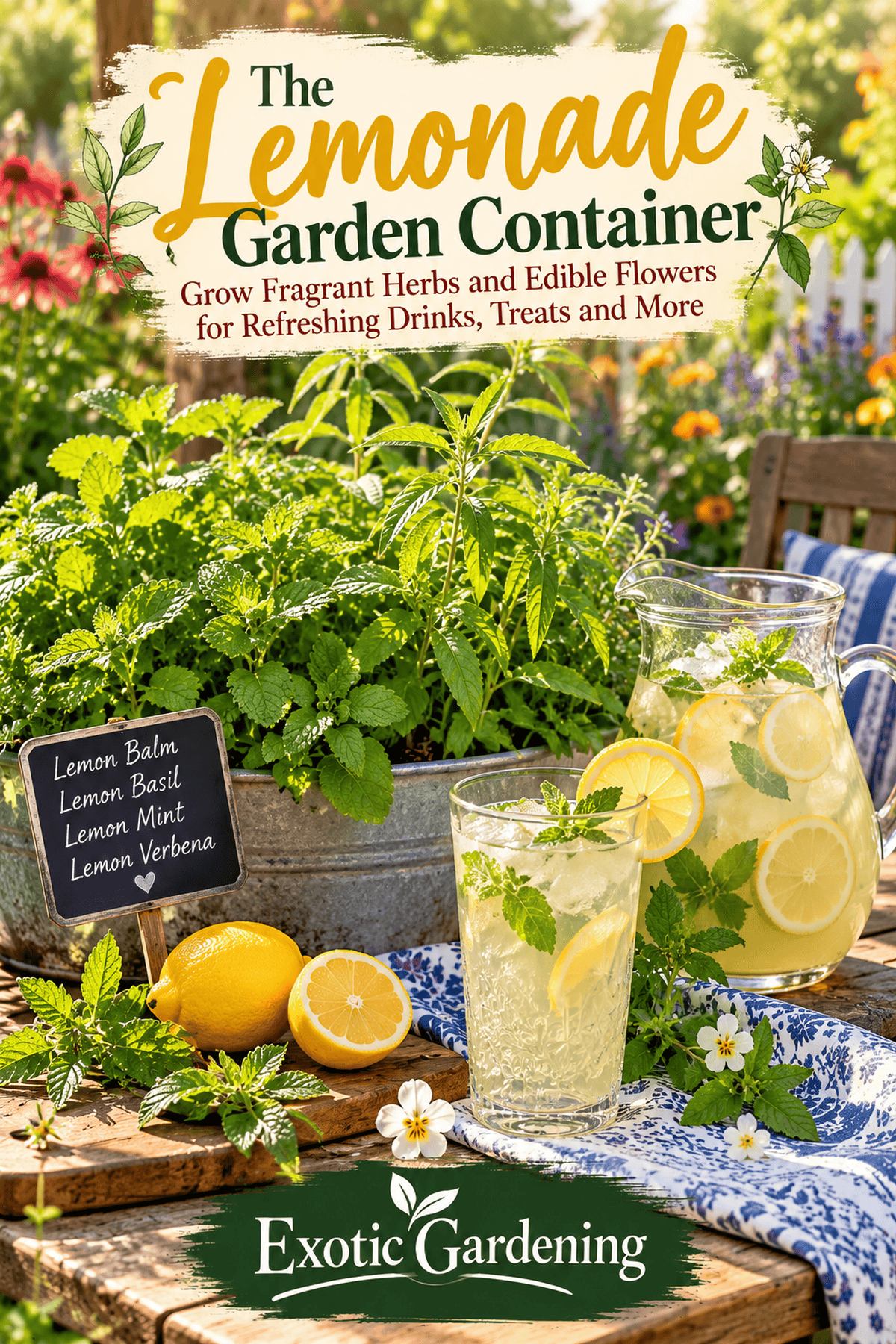
The lemonade garden is one of the most inviting combinations because it connects the growing space to something you can enjoy on a warm day. Lemon balm, lemon mint and lemon basil can all bring fresh aroma to drinks, but that does not mean their roots belong together.
I have grown herbs for lemonade and I especially enjoy growing herbs for my teas. Lemon balm, lemon mint and lemon basil are natural choices for me, but lime balm could add a different twist. Lemon-scented geranium and lemon verbena are other possibilities for a fragrant lemonade collection, grown in their own containers if their sizes or care requirements differ. I love chocolate mint, black-stem peppermint, spearmint, ginger mint, apple mint, pineapple mint and orange mint. Mint is one of the plants I insist on keeping in a container because it spreads so aggressively, but I have seen it take over a shared container, too. Lemon balm can spread, while basil has different needs. I would arrange these in separate pots close together, then harvest from them as one lemonade or herbal tea garden. It is still a themed garden even when every plant has its own roots. That keeps the theme intact and makes the plants easier to manage.
For a simple use, harvest a small amount of clean, correctly identified culinary foliage, bruise it lightly to release aroma and add it to lemonade according to taste. Start with less than you think you need. Strong herbs can turn a refreshing drink bitter or overpowering when left to steep too long.
You can also experiment with freezing suitable leaves in ice cubes for drinks. Label the plants and keep the edible harvest separate from any ornamental plants whose treatment history you cannot verify.
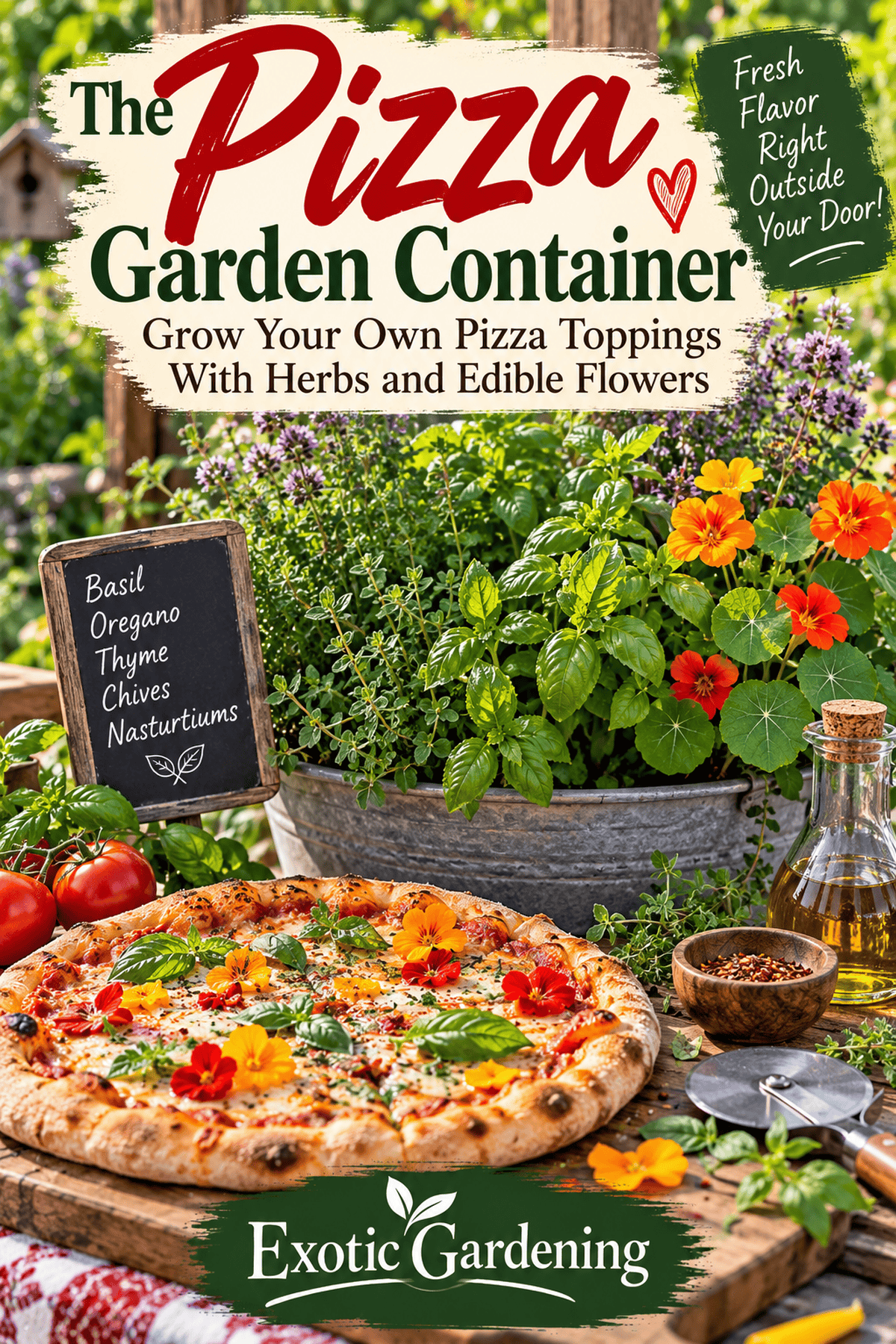
The Pizza Garden: Tomato, Basil and Oregano
A pizza garden is more than a clever name to me. I would consider a Roma-type tomato for sauce, but choose a container large enough for the mature tomato and its roots. I also like the idea of experimenting with sweet basil, lemon basil, cinnamon basil and Thai basil. They will not all taste the same in sauce, and that is part of the fun. Add oregano, and think about the herbs you personally put into Italian seasoning: thyme, marjoram, rosemary, sage or savory may all deserve a place in your collection. They do not all have to share one pot. I have grown herbs for pizza, spaghetti sauce and lasagna sauce, and I love being able to harvest the flavors I use in those meals. Basil and oregano are the obvious choices, but the original plan also includes a compact tomato plant. That sounds convenient until the tomato begins demanding much more water, food and root space than the smaller herbs.
If the tomato variety is genuinely compact and the container is large enough, basil may be a reasonable companion. Oregano often does better in a separate pot because its moisture preferences differ. I would not sacrifice the tomato's root room just to squeeze in another herb.
Choose a tomato variety suited to containers, provide the support recommended for its growth habit, use an appropriately large draining pot and monitor moisture carefully during fruiting. Grow basil nearby where it receives enough light and can be harvested regularly. Keep oregano in a separate pot within easy reach.
When the tomatoes ripen, you have ingredients for homemade pizza sauce, pasta sauce or a fresh topping. This is the kind of themed garden I like best: the plants have a clear purpose, and the arrangement can change as the harvest and season change.
Where Do the Edible Flowers Go?
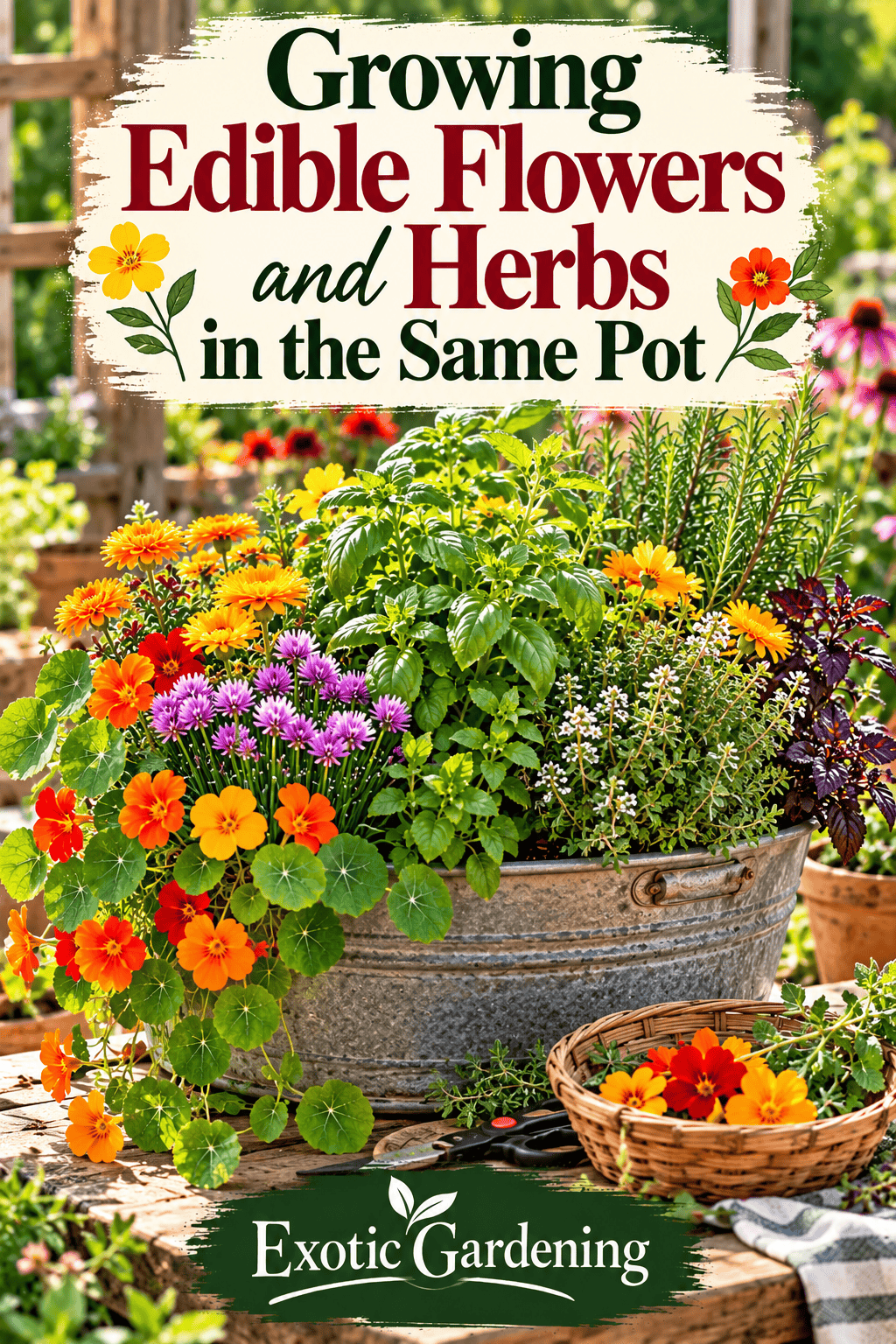
I want edible flowers to be part of the actual container design, not just an afterthought. Nasturtiums are fabulous in containers, and trailing varieties make wonderful spiller plants that tumble over the rim with edible leaves and flowers. For a taller thriller plant, I would consider calendula, bachelor's buttons or sweet William, choosing the variety for its mature height, bloom season and culinary suitability. Then I would use compatible herbs or smaller flowers as fillers. This is a beautiful way to turn the familiar thriller, filler, spiller idea into a productive edible planting. The original combinations lean heavily toward culinary herbs, but edible flowers absolutely belong in a useful kitchen garden. Some are wonderful in seasoning mixtures; others can dress up a glass of lemonade, float in a drink or be frozen into ice cubes. And when I grow tomatoes and herbs for pizza or pasta, I also think about the salad that goes with supper. A few suitable edible flowers can make that salad just as appealing as the main dish. To make this a true edible-flower-and-herb garden, you need to choose blossoms for flavor, not just decoration. Nasturtiums can bring peppery flowers and leaves to salads, while suitable violas can provide colorful blossoms for particular dishes. Both require proper identification and appropriate growing conditions.
A compact viola may suit a cool-season arrangement, while trailing nasturtiums can spill beautifully over the edge of a roomy tub. I would give them enough space that they do not overwhelm the herbs behind them. Calendula, bachelor's buttons and sweet William can offer different heights and flower forms, but the exact cultivar and flowering season determine whether they work as the upright focal point. Choose plants with compatible sunlight and watering needs, and use only positively identified flowers and edible portions. Match the flower to the container's light, moisture and season rather than dropping a flowering plant into any available space.
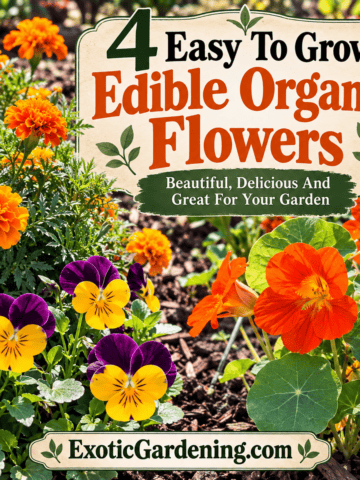
For more plant choices, see 4 Easy To Grow, Edible Organic Flowers. For kitchen uses, visit my guide to eating nasturtiums on Experimental Homesteader.
How to Plant a Mixed Container Step by Step
Here is the actual beginner process I recommend. Step 1: Choose a dish or drink you make often, such as pizza sauce, roast beef, lemonade or herbal tea. Step 2: Write down the herbs and edible flowers you want to harvest for it. Step 3: Check the identity, edible parts, mature size, sunlight and moisture needs of every plant. Step 4: Decide which can genuinely share a container and which should sit in separate pots. Step 5: Choose containers with drainage, including a suitable old wash tub if you have one. Step 6: Prepare your potting mix and place the containers where the plants will get the light they need. Step 7: Set plants at the correct depth, leave room for growth, water them in and label them. Step 8: Watch moisture and growth during the first month, moving crowded plants before they compete too heavily. First, choose the food you want to make. Next, select two or three plants that will contribute to that dish. Check their botanical identities, edible parts, mature sizes, sunlight requirements and watering preferences. If their needs are too different, plan a grouped display of separate pots instead.
Place the container where it will receive suitable light, confirm that it has drainage holes and fill it with a clean container potting mix. Set the plants at their appropriate planting depths, leaving room for their mature spread. Water them in, let the excess drain and label every plant.
For the first week, check moisture frequently while roots establish. Watch for wilting, crowded foliage and changes in sunlight. Do not fertilize reflexively at every sign of trouble; first make sure the roots, water and light are appropriate.
Three Edible Flower and Herb Container Gardens You Can Plant Yourself
I want you to be able to take these ideas into your own garden, not just admire a photograph. The following three gardens are practical starting points. The first is built around fresh salads, the second around tea and desserts, and the third uses one of my favorite inexpensive containers: an old metal wash tub. The planting plans show where plants can go, but always adjust for the size of the varieties you actually buy. A tiny transplant does not stay tiny.
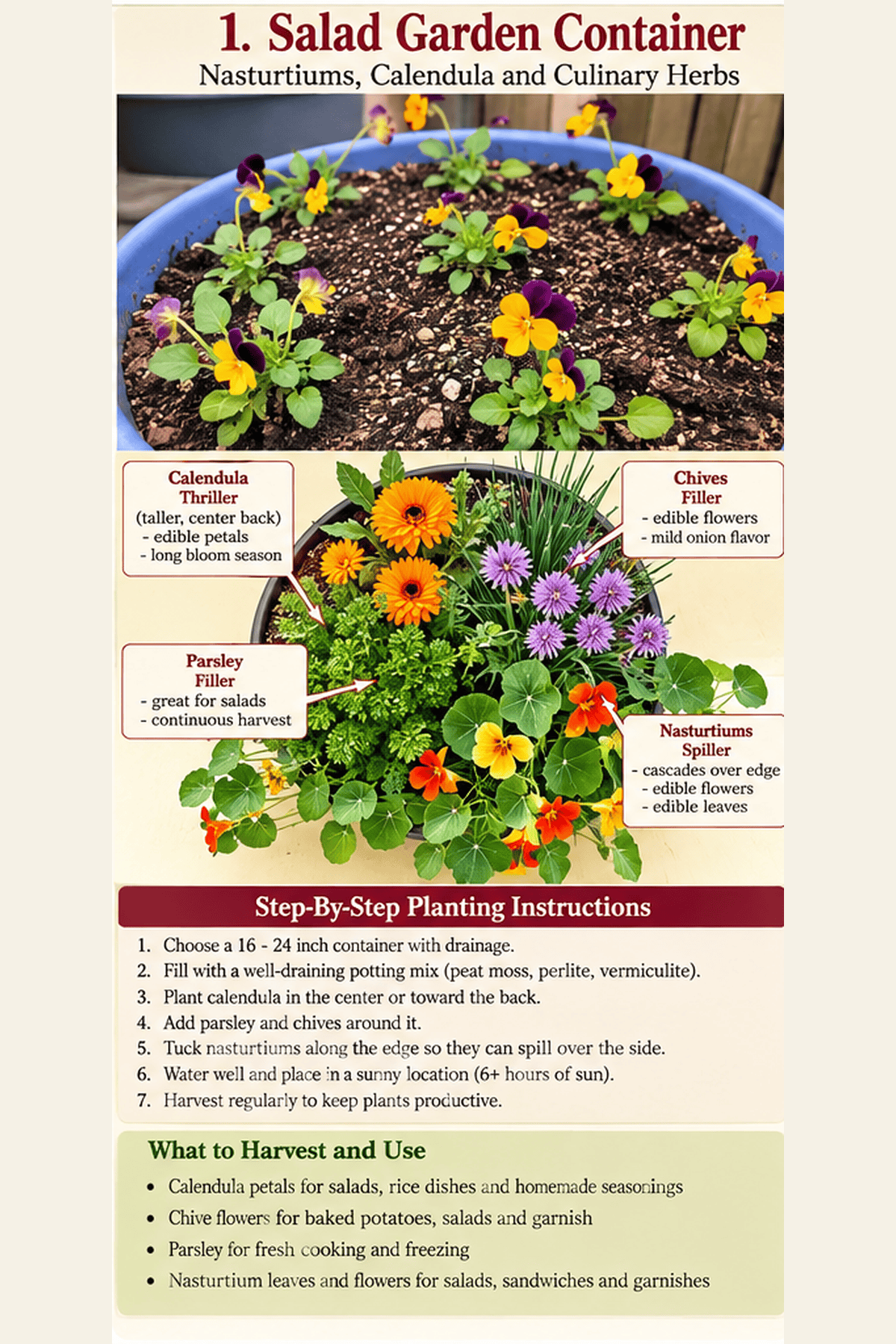
1. The Edible Flower Salad Garden: Nasturtiums, Calendula and Fresh Herbs
This is the container I would put near the kitchen when I want to make an ordinary salad look and taste special. Nasturtiums are fabulous in containers, particularly trailing varieties that spill over the rim. Calendula provides bright blossoms, while parsley and chives give me herbs I can snip for salad dressings, baked potatoes and supper. The trick is to let the flowers be part of the planting design from the beginning, not squeeze them into whatever space is left.
What to plant: one compact calendula, one parsley plant, one small clump of chives and one trailing nasturtium in a roomy container, approximately 24 to 30 inches across. The exact number depends on mature plant size. If your calendula variety is tall or the nasturtium is especially vigorous, use a larger tub or move a plant into its own pot.
- Choose a wide container with working drainage holes and place it where the selected plants receive suitable sunlight. A large container will be heavy once filled, so choose its location first.
- Fill it with a well-draining potting mix, leaving room below the rim so water will not run straight over the sides. I often blend peat moss, perlite and vermiculite until I can see the mineral ingredients distributed through the mix.
- Set the calendula toward the back or center, where its flowers can rise above the lower plants without blocking their light.
- Place parsley and chives to either side, leaving room to reach in with scissors and harvest without crushing the other plants.
- Plant the trailing nasturtium near the front rim, giving its stems room to spill outward instead of covering the herbs. Water everything in thoroughly and allow excess water to drain.
- Check the container regularly during establishment. As the plants grow, guide trailing stems outward, harvest herbs and move anything that begins to crowd its neighbors.
What to harvest: nasturtium leaves and flowers for peppery salads and sandwiches, calendula petals for color, parsley for salads and dressings, and chive leaves and blossoms for a mild onion flavor. Use only properly identified, untreated edible plant material. Calendula petals can be separated from the flower head for kitchen use. The salad garden can change with the season; a viola is another colorful possibility when growing conditions suit it.
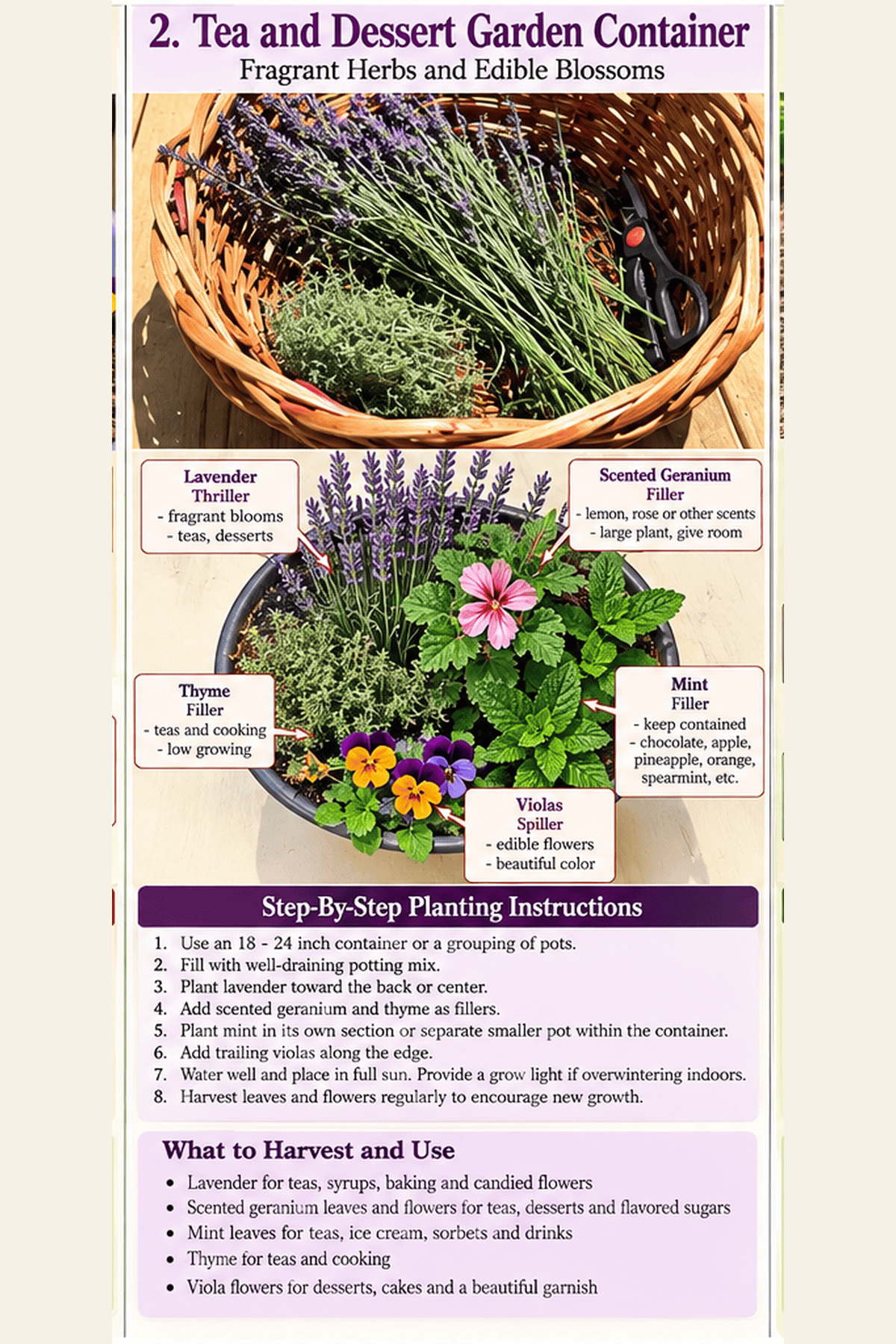
2. The Tea and Dessert Garden: Fragrant Herbs and Edible Blossoms
This is one of my favorite ideas because I love growing herbs for teas, and I can already imagine the possibilities for ice cream, sorbet and flavored sugars. Scented geraniums are probably my favorite container-grown herbs, but they can become enormous. Mint will take over even a container shared with other herbs. Lemon verbena can also grow into a substantial plant. For this particular garden, I would make one coordinated display from several individual pots rather than force every root into the same soil.
What to plant: a culinary scented geranium, lemon verbena, your favorite mint and edible violas in individual containers. You could add a separate pot of lavender or anise hyssop if you have the space. Chocolate mint, spearmint, apple mint, ginger mint, pineapple mint, orange mint and black-stem peppermint are all tempting choices, but I would not put them all in one pot.
- Choose a sunny, convenient location where you can group four or more containers. Check the light needs of the exact plants you choose and plan ahead if you intend to overwinter tender herbs indoors.
- Give scented geranium its own generously sized pot with drainage. I like a peat moss, perlite and vermiculite mix for overwintering my scented geraniums.
- Plant lemon verbena in a separate draining container with room to grow. Position it where its foliage is easy to reach for harvesting.
- Give mint its own container. Do not assume a mixed planter will restrain its roots or keep it from overtaking nearby herbs.
- Place edible violas in another pot, using their seasonal light and moisture needs to decide where they belong. Arrange the pots at different heights to make the whole collection look like one garden.
- Water each pot according to its own needs. Harvest modestly from established plants and move tender containers to appropriate protection before cold weather.
What to harvest: scented geranium leaves for culinary infusions and flavored sugars, mint for tea and sorbet, lemon verbena for fragrant drinks and desserts, and edible viola flowers for decorating cakes, frozen treats or serving dishes. Use culinary varieties and recipes appropriate to the plant. For a summer treat, I would experiment with a mint sorbet or a lemon verbena ice cream and add a few edible blossoms at serving time. The plants do not have to share a pot to make one wonderful kitchen collection.
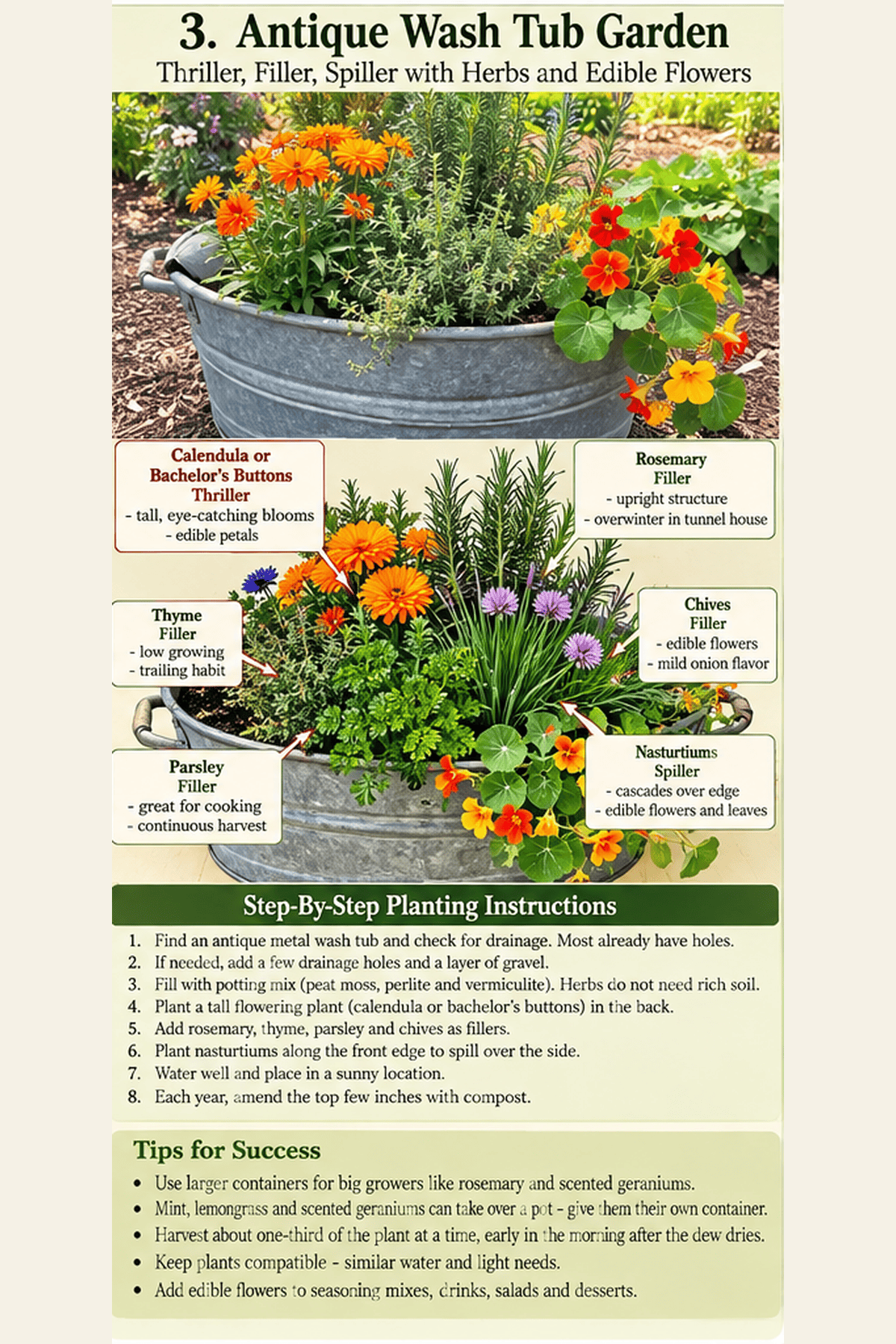
3. The Antique Wash-Tub Garden: Thriller, Filler and Spiller
I love those big antique metal wash tubs. Sometimes you can get them for next to nothing, they look wonderful in the garden, and herbs do very well in them. I fill mine with potting mix, not an arrangement of smaller nursery pots. Each year I amend the top few inches with compost, but I do not try to make the whole container excessively rich. Herbs simply do not need that. Before I plant, I check the bottom. Some old tubs already have worn places that drain; if one does not drain, I add drainage holes.
For a colorful edible arrangement, I use the thriller, filler and spiller idea. The thriller is the upright flowering focal point. Calendula or a suitable bachelor's button variety could serve that role; sweet William is another seasonal possibility when the particular plant and intended culinary use are appropriate. Parsley and chives make practical fillers, and trailing nasturtiums make a beautiful edible spiller. The exact plant choices depend on mature height, light, water and the season.
- Find a sturdy wash tub and inspect its base. Make sure water can escape through actual drainage openings. Do not rely on a layer of gravel to compensate for a tub with no drainage.
- Choose the tub's permanent position before filling it. A large metal tub filled with moist potting mix is not something you will want to drag around the garden.
- Fill the tub with a suitable potting mix. My usual starting ingredients are peat moss, perlite and vermiculite, mixed so the perlite and vermiculite are visible throughout.
- Plant the upright flowering thriller toward the rear or middle, allowing enough room for its mature width and height. Do not choose a tall, aggressive plant that will shade everything else.
- Place compact parsley and chives as fillers where you can reach them to harvest. If they will be crowded by the flowering plant, use fewer plants or a larger tub.
- Put one or two trailing nasturtiums near the front rim, depending on the tub's size and the variety's mature spread. Guide the stems outward as they grow.
- Water thoroughly and check drainage. Over the season, watch for crowding and unequal water needs; move plants if the arrangement stops working.
- At the beginning of each growing season, refresh the upper few inches of potting mix with compost, as I do in my own wash tubs. Continue harvesting rather than letting the container become an overgrown display.
What to harvest: calendula petals or other correctly identified edible flowers, parsley, chives and their blossoms, and nasturtium leaves and flowers. These can go into salads, herb mixtures and garnishes. A nasturtium flower also looks beautiful perched on the rim of a lemonade glass. I would not crowd bee balm, fennel, a mature scented geranium or lemongrass into this arrangement merely because they look small at planting time. They can grow large enough to dominate a mixed container.
The diagrams for these three gardens are guides, not photographs of finished plantings. I also have photographs from my own garden showing mint and fennel growing in a metal tub, bee balm among other edible plants, herbs in mixed containers and flowers grown in pots. Those real examples are useful reminders that plants keep growing after the planting photograph is taken.
Frequently Asked Questions About Growing Edible Flowers and Herbs Together
Can edible flowers and herbs really grow in the same container?
Yes, when their sunlight, water, drainage and mature size requirements are compatible. Nasturtiums, calendula and selected compact culinary herbs can make a productive mixed container. I would rather put incompatible plants in separate pots arranged together than lose plants trying to make one pot work.
How big should a container be for a mixed herb and flower garden?
That depends on the mature plants, not how large the seedlings look at the garden center. A wide 24- to 30-inch planter is a useful starting point for a modest salad combination, while a large wash tub may accommodate a broader design. Even a big container can become crowded when filled with vigorous mint, bee balm, fennel or large scented geraniums.
Do I need to drill drainage holes in an antique metal wash tub?
Check the bottom first. Some old wash tubs already have holes or worn places that allow drainage. If yours does not drain, add proper drainage holes before planting. I fill my tubs directly with potting mix and refresh the upper few inches with compost each year.
What potting mix do you use for herbs and edible flowers?
I often mix peat moss, perlite and vermiculite until I can see the perlite and vermiculite throughout the peat. I particularly like this for scented geraniums that I overwinter. The mixture and watering still need to suit the plants, and herbs do not all require heavily enriched soil.
Can I grow mint with other herbs in one pot?
I do not recommend relying on a shared pot to control mint. I love many different mints, but they can take over containers as readily as garden beds. Give mint its own pot and group it near other herbs for a tea or lemonade garden.
Is bee balm a good thriller plant for a small herb container?
Bee balm can be beautiful, and I have grown it with other edible plants, including chicory and daylilies. But it gets big. I would reserve it for a suitably large planting or its own container instead of using it as the upright centerpiece in a crowded little herb pot.
What is the best edible flower for spilling over a container edge?
Trailing nasturtiums are among my favorites. Their leaves and flowers are useful in the kitchen, and the stems can tumble over the rim beautifully. Give them room to spread and keep an eye on nearby plants so the nasturtiums do not shade them.
Can I bring a mixed herb container indoors for winter?
You can overwinter suitable tender herbs indoors if you provide the light and care they need, but moving a large mixed container is not always practical. I prefer to plan ahead with individual pots for scented geraniums and other substantial plants. I have also successfully overwintered established rosemary in my unheated Indiana tunnel house under frost cover and six-mil plastic.
When should I harvest herbs from a container garden?
I prefer early morning, after the dew has dried, when the foliage is wonderfully fragrant. For many leafy herbs I harvest roughly a third of the usable growth at a time, leaving the plant enough foliage to keep growing. I rinse the harvest gently in cold water and often air-dry extra herbs by hanging them or spreading them on an herb drying rack.
Can I use edible flowers in drinks and desserts as well as salads?
Absolutely. Depending on the plant, edible flowers can brighten salads, dress up a glass of lemonade, decorate cakes or be frozen into ice cubes. The tea-and-dessert garden also provides fragrant leaves for culinary infusions, sorbets and flavored sugars. Always identify the plant and edible portion correctly and use flowers grown without unsuitable treatments.
If you are just beginning to plan a kitchen garden, my guide to growing edible crops in pots can help you think about container choices. For more flowers to consider, see four easy-to-grow edible organic flowers. Once your nasturtiums begin blooming, I also share how to eat nasturtium leaves and flowers over on Experimental Homesteader. If you are starting the plants from seed, visit my indoor seed-starting setup guide before you plant.
The First Month: What to Check Each Week
During the first week, watch how quickly the pot dries and whether all the plants respond well to the same watering routine. In the second week, look for new growth and make sure one plant is not shading another. By the third week, check spacing and remove damaged foliage. In the fourth week, decide whether any plant would be healthier in its own container.
That is a guide for observation, not a rigid calendar. Weather, plant size and growing conditions change the pace. The goal is to catch problems while you can still correct them without losing the whole planting.
How and When to Harvest Without Weakening the Plants
I like to harvest herbs early in the morning after the dew has dried, when their fragrance is especially appealing. For many leafy culinary herbs, I take roughly a third of the usable growth at a time, leaving enough foliage for the plant to recover. I also keep them trimmed so they continue producing leaves rather than going to flower when that is the goal. Some herbs and edible flowers are grown specifically for their blooms, so their harvest and pruning need to be handled differently. Harvest when the plants are established and the edible portions are healthy. Snip culinary herbs in amounts that leave sufficient foliage for regrowth. For edible flowers, harvest blossoms at the stage suited to the recipe and handle them gently to avoid bruising.
Once I bring the harvest inside, I rinse it lightly under cold water to remove soil or insects and handle tender leaves gently. I often prefer to hang herbs or spread them on an herb drying rack at room temperature rather than use a dehydrator. The important thing is to give them good airflow and let them dry completely before storing them. Bring the harvest indoors promptly, inspect for insects and damage, and prepare it appropriately for the food you are making. If you want to dry herbs for later use, harvest only sound material and dry it completely before storing.
What If One Plant Takes Over?
When one plant shades another or fills the pot with roots, you have learned something important about the combination. That is why I keep returning to compatibility: plants sharing a container must want similar light, water and growing conditions. Otherwise, one may thrive while the other struggles, dies back or makes the whole arrangement look terrible. There is no reason to keep an unsuccessful combination together just because it looked pretty when planted. Move the aggressive plant into its own container if possible. Mint is one I deliberately put in containers to keep it from taking over the garden, and even then it will take over a container shared with other herbs. Scented geraniums can become huge and dominate a pot, too. Lemongrass is another plant I prefer to give its own container. If you want to group small plants while they are young, be prepared to move them into separate pots as they grow. That is much easier than waiting until their roots and stems are tangled together.
If one plant repeatedly wilts while its neighbor thrives, check their watering needs. If the container stays wet, improve drainage and reconsider the pairing. If growth is weak and stretched, look at light before assuming the plants need more fertilizer.
Questions I Would Ask Before Planting Anything Together
Will both plants thrive in the same light? Will they tolerate the same watering? How large will each become? Can I reach the edible parts without damaging the other plant? Do I know the exact species and which parts are edible? And, most important, will I actually use what I harvest?
If the answers are clear, try the combination and take notes. If they are not, there is no shame in choosing separate pots. The best garden is not the one that fits the most plants into a container. It is the one that gives you healthy plants, useful harvests and the pleasure of bringing something you grew into your kitchen.





Leave a Reply