As anyone who owns a greenhouse, cold frame, or tunnel house knows, the desire for just one more greenhouse and a little more growing space is almost universal.
The more we grow, the more we realize the endless possibilities that come with having dedicated areas to nurture seeds and plants.
It’s not just about having space; it’s about creating the ideal environment for every unique need.
Some seeds require cold stratification to germinate, while others demand heat.
Some seeds might take years to sprout, testing your patience and planning skills.
The diverse requirements for propagation make having multiple growing structures—each tailored to specific tasks—a dream scenario for plant enthusiasts.
Yet, not everyone has the luxury of unlimited space, time, or funds to make this happen.
My Journey of Expansion
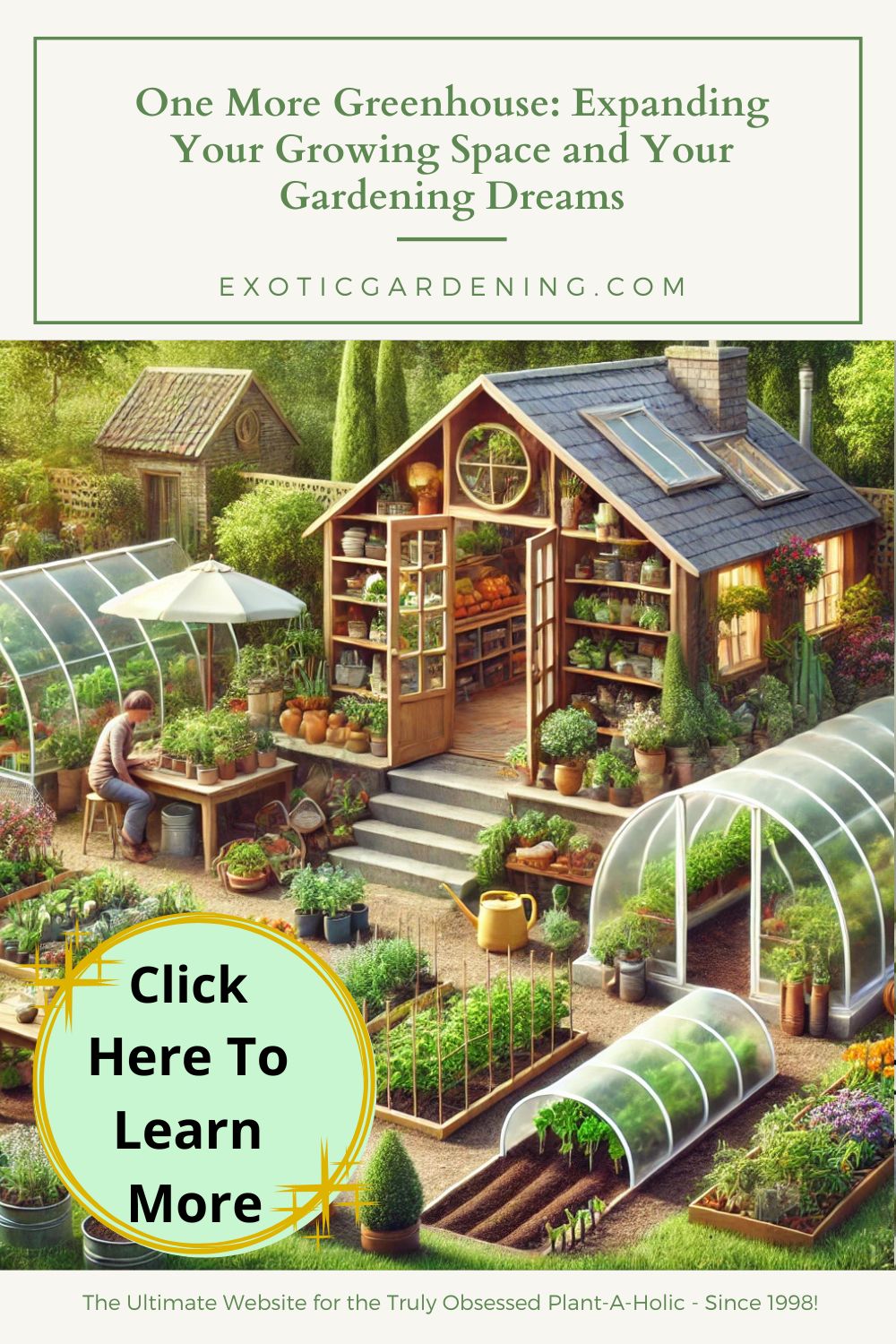
As a hobby grower with a passion for propagating plants, I can say that even with four greenhouses and a tunnel house for winter vegetables, space always seems limited.
In years past, I’ve had to store seeds I couldn’t sow, often ending up giving them away because keeping them indefinitely wasn’t an option.
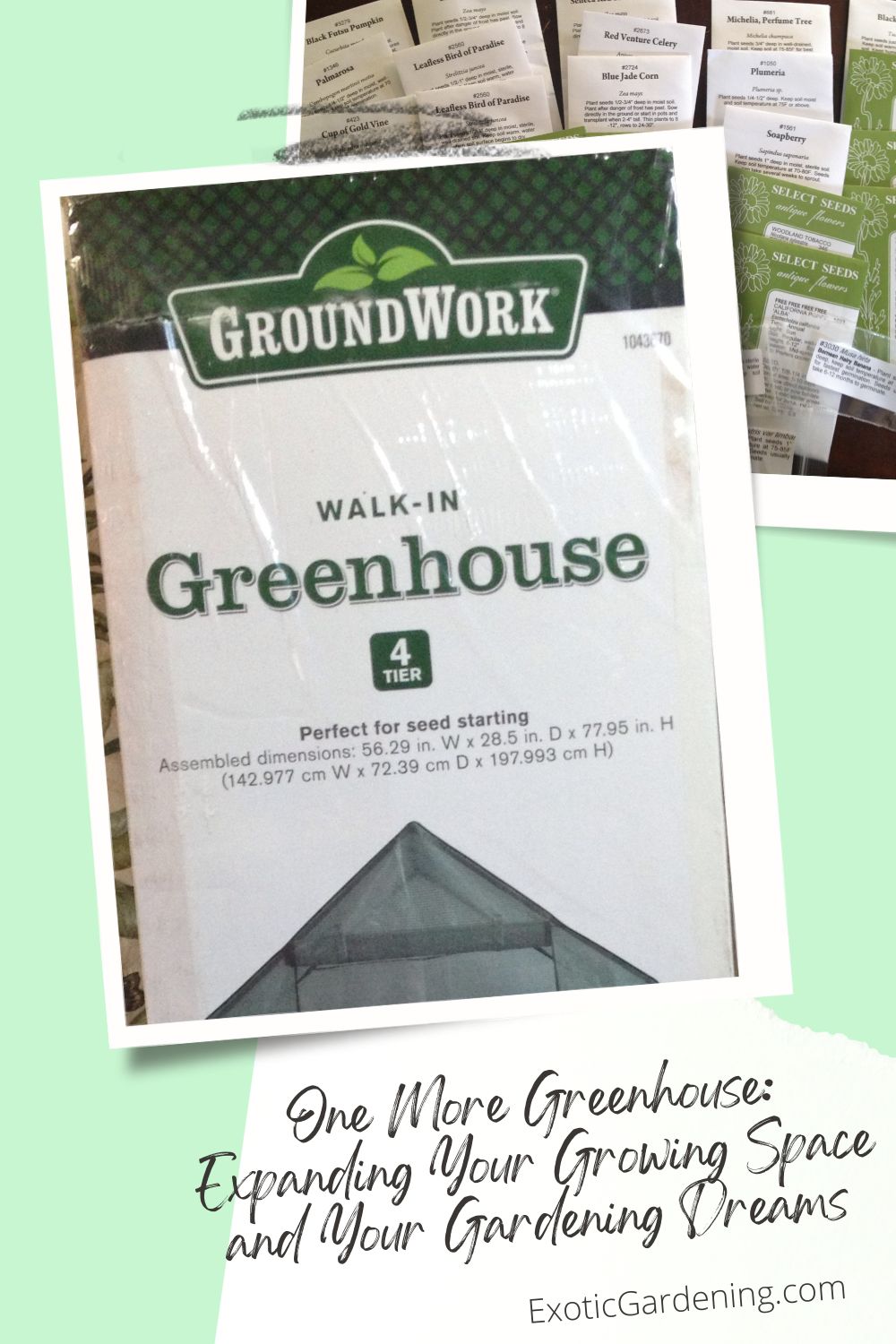
This year, I decided to expand my growing capabilities by adding two small Culti-Caves and a small walk-in greenhouse.
These additions have not only provided extra space but have also opened up new opportunities for experimentation and growth.
Embracing Winter Sowing
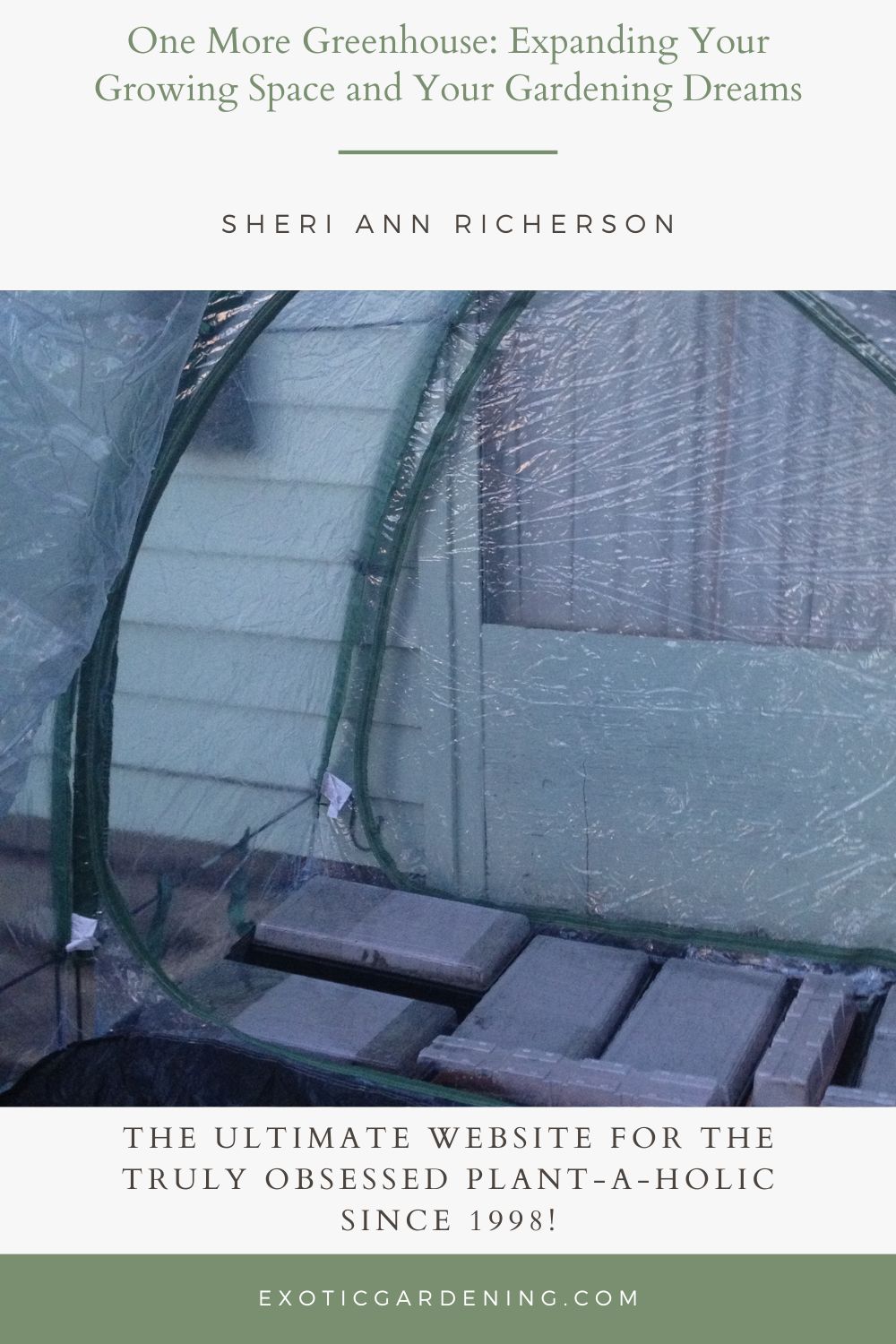
The Culti-Caves and one of the small walk-in greenhouses have become my go-to for winter sowing.
This technique is perfect for perennial seeds that need a cold period to break dormancy.
Using soil blocks or flats, I can sow these seeds, protect them from the harshest elements, and work with them in a semi-warm, dry environment.
Even winter-sown seeds need regular checks to ensure the soil stays moist and germination is progressing.
Having these dedicated spaces has made winter sowing not just possible but enjoyable.
There’s something incredibly satisfying about walking into a greenhouse on a cold day, surrounded by the promise of spring.
Managing Heated Greenhouses
Heating greenhouses can be a challenge, both logistically and financially.
To save on costs, I’ve developed a system where I only heat one greenhouse at the start of winter.
As plants germinate or root and require more space, I gradually bring additional greenhouses online.
This step-by-step approach allows me to manage my budget while still accommodating my plants' needs.
One of my larger greenhouses, currently under repair, is typically used for potting up and growing larger plants rather than propagation.
Adding shelves has been a game-changer, as it maximizes vertical space for seedlings and cuttings.
However, once those plants start to grow, the need for even more space becomes apparent—and that’s where having “one more greenhouse” really makes a difference.
Creating Micro-Climates for Heat-Loving Plants
For plants that demand even more heat, such as tropicals, tomatoes, and peppers, I’ve found success with stand-alone greenhouses that resemble shelving units wrapped in plastic.
Placing these mini-greenhouses inside my heated greenhouses creates a micro-climate that’s even warmer.
Using a thermometer to monitor the temperature inside these units is essential to avoid overheating.
The plastic covering also traps moisture, so venting by unzipping the front periodically helps maintain the right balance.
This simple setup allows me to grow heat-loving plants without overextending my heating budget.
Why One More Greenhouse?
So why do we always feel the need for one more greenhouse?
It’s about opportunity.
Each additional structure represents the chance to grow something new, to experiment with different techniques, and to expand our gardening horizons.
It’s about finding joy in the process and knowing that our efforts contribute to something beautiful and fulfilling.
For me, adding these new structures has been about more than just practicality.
It’s a commitment to my passion for plants and a recognition of how deeply gardening enriches my life.
Whether it’s nurturing seeds that will take years to germinate or simply having a warm, inviting space to escape winter’s chill, each greenhouse has its own purpose and magic.
Tips for Expanding Your Growing Space
If you’re considering adding another greenhouse or growing structure, here are a few tips to make the most of your investment:
- Assess Your Needs: Determine what you want to grow and the specific requirements for those plants. This will help you decide on the size, type, and features of your new structure.
- Maximize Vertical Space: Shelves and hanging systems can dramatically increase your growing capacity without requiring a larger footprint.
- Create Micro-Climates: Use smaller greenhouses or plastic covers within larger structures to provide extra warmth for sensitive plants.
- Plan for Heating: If you’re adding a heated greenhouse, consider a phased approach to minimize costs. Start by heating one space and expand as needed.
- Experiment with Techniques: Try methods like winter sowing, soil blocking, or using grow lights to maximize your new space’s potential.
- Think Long-Term: Invest in durable materials and designs that will last for years. A well-built greenhouse can become a cornerstone of your gardening practice.
Inspiration for Easily Inspired Growers
If you’re like me and find inspiration around every corner—whether it’s a new seed catalog, a gardening book, or a visit to a friend’s greenhouse—then you understand the allure of “one more greenhouse.”
It’s about dreaming big and finding joy in the journey.
It’s about creating spaces where plants can thrive and where we, as gardeners, can reconnect with the earth and our passions.
So, if you’ve been debating whether to add another greenhouse to your setup, I encourage you to take the leap.
Whether it’s a tiny cold frame, a walk-in structure, or a grand heated greenhouse, that extra space might just be the key to unlocking your gardening dreams.
The Bottom Line
“One more greenhouse” isn’t just a desire; it’s a testament to our love for plants and the joy they bring to our lives.
It’s a reflection of our commitment to growth—both our own and that of the seeds and plants we nurture.
So go ahead, add that greenhouse, and embrace the possibilities it brings.
After all, gardening isn’t just a hobby; it’s a way of life.