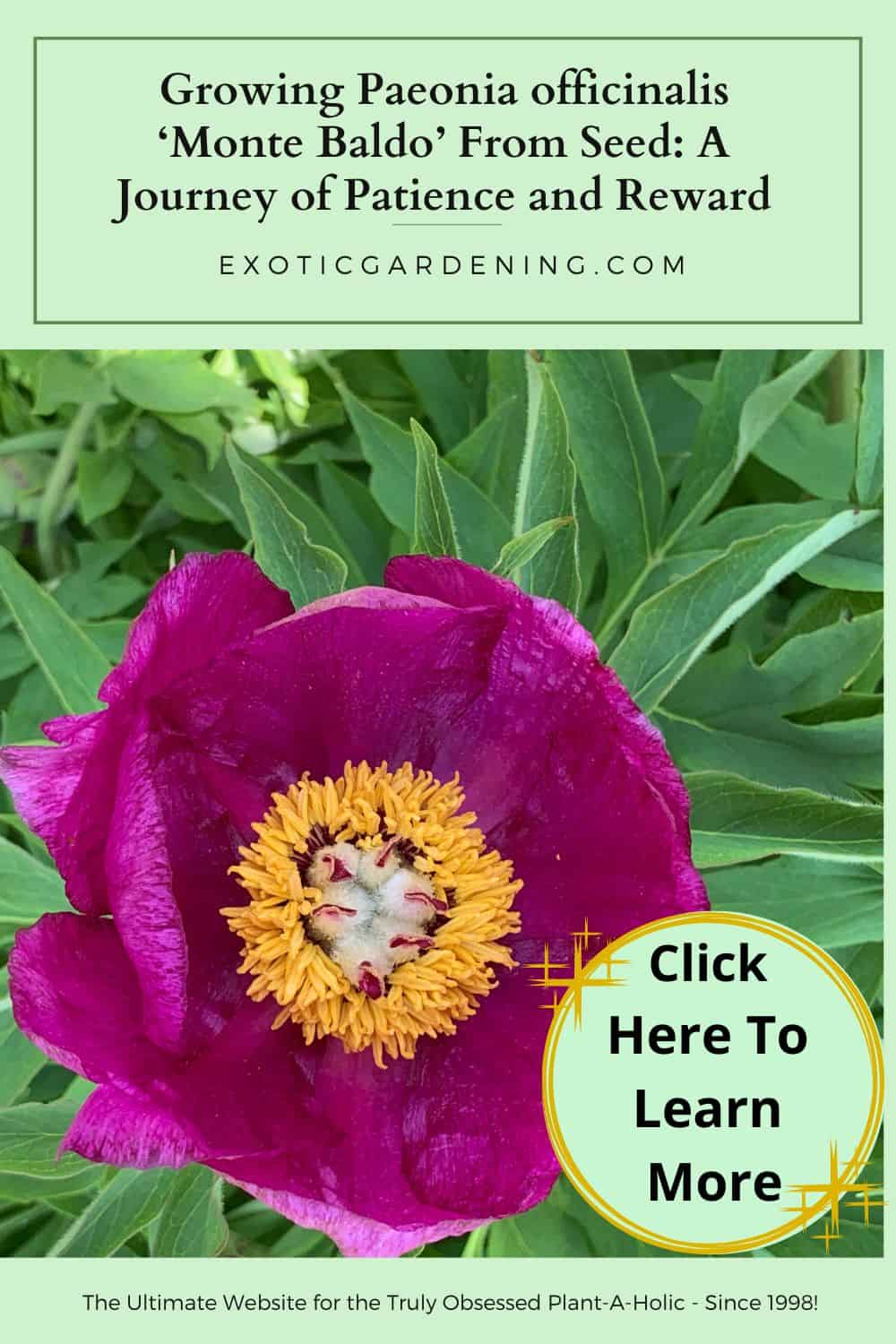
There’s something truly magical about growing Paeonia officinalis Monte Baldo from seed.
Most gardeners are content to pick up a potted peony or a bare root plant, knowing they’ll see blooms within a year or two.
But starting one from seed?
That’s an entirely different kind of gardening adventure - one that calls for patience, hope, and a little faith.
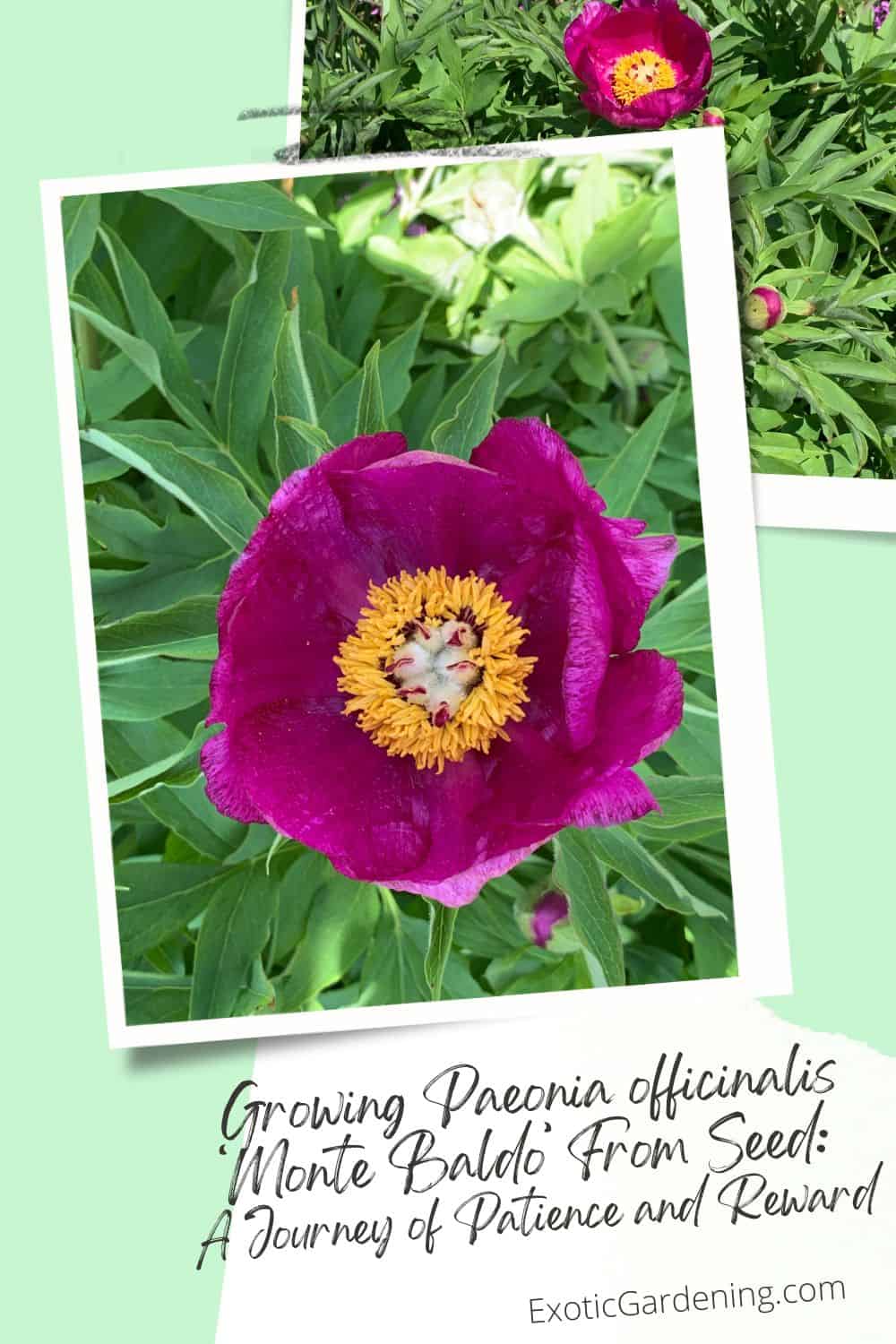
The plant you see here, my Paeonia officinalis ‘Monte Baldo,’ is one of my proudest gardening triumphs.
I planted its seed in the winter of 2003, not knowing if it would ever sprout, let alone bloom.
It took years before I saw those first silky purple petals open, but when they did, it felt like a personal victory - proof that some of the most rewarding garden experiences are the ones that take time to unfold.
🌱 Want the quick overview version?
If you plan to start peonies from seed indoors - especially in colder climates like Indiana - having a consistent seed starting system makes all the difference.
I’ve put my full indoor seed starting system - lighting, airflow, humidity, soil blocks, and monitoring - all in one place so you can see how it works together.
Starting Peony Seeds in 2003
When I first started this project, I didn’t have a fancy greenhouse setup or heat mats like I do now.
I was simply experimenting - just curious to see if I could coax a peony seed to life.
I planted the seeds during the early winter of 2003, placing them in small peat pots filled with a mix of three parts potting soil to one part vermiculite.
I pressed each seed into the surface of the vermiculite layer and covered them lightly - not buried too deep, just enough so they felt tucked in but could still “breathe.”
That’s really the key with peony seeds: they like to be moist but not waterlogged, cool but not frozen, and left alone long enough to do things on their own time.
And on their own time they were!
It wasn’t until late October 2004 - yes, nearly a year later - that I noticed tiny white roots just beginning to form.
I remember checking the pots and feeling that little rush of excitement only a gardener understands - that moment when something you’ve been hoping for all year finally happens.
Patience in the Peony World
By that point, I had gently moved the sprouted seeds into larger pots.
They spent that winter in my basement, where the temperature stayed cool but not cold.
I kept them just barely damp, never soggy, and waited through another dark season, hoping they’d push up foliage come spring.
And sure enough, by the spring of 2005, I had my first little peony seedlings with delicate green shoots.
I transplanted them into my front flower bed where they’d have full sun and good drainage - two things peonies adore.
From that point on, the plant simply grew, slowly but steadily, like it was in no rush to impress anyone.
Each year, it put on more foliage, but not a single bloom.
I watered, I weeded, I mulched, and I waited.
Growing a peony from seed really teaches you to let go of expectations - it’s not a sprint, it’s a long, steady walk through the seasons.
The First Bloom: A Decade in the Making
It wasn’t until the spring of 2010 - seven years after sowing the seeds - that I finally saw the very first flower.
At first, it looked pinkish, almost a soft rose color, which surprised me.
I had expected a deeper hue based on the seed source.
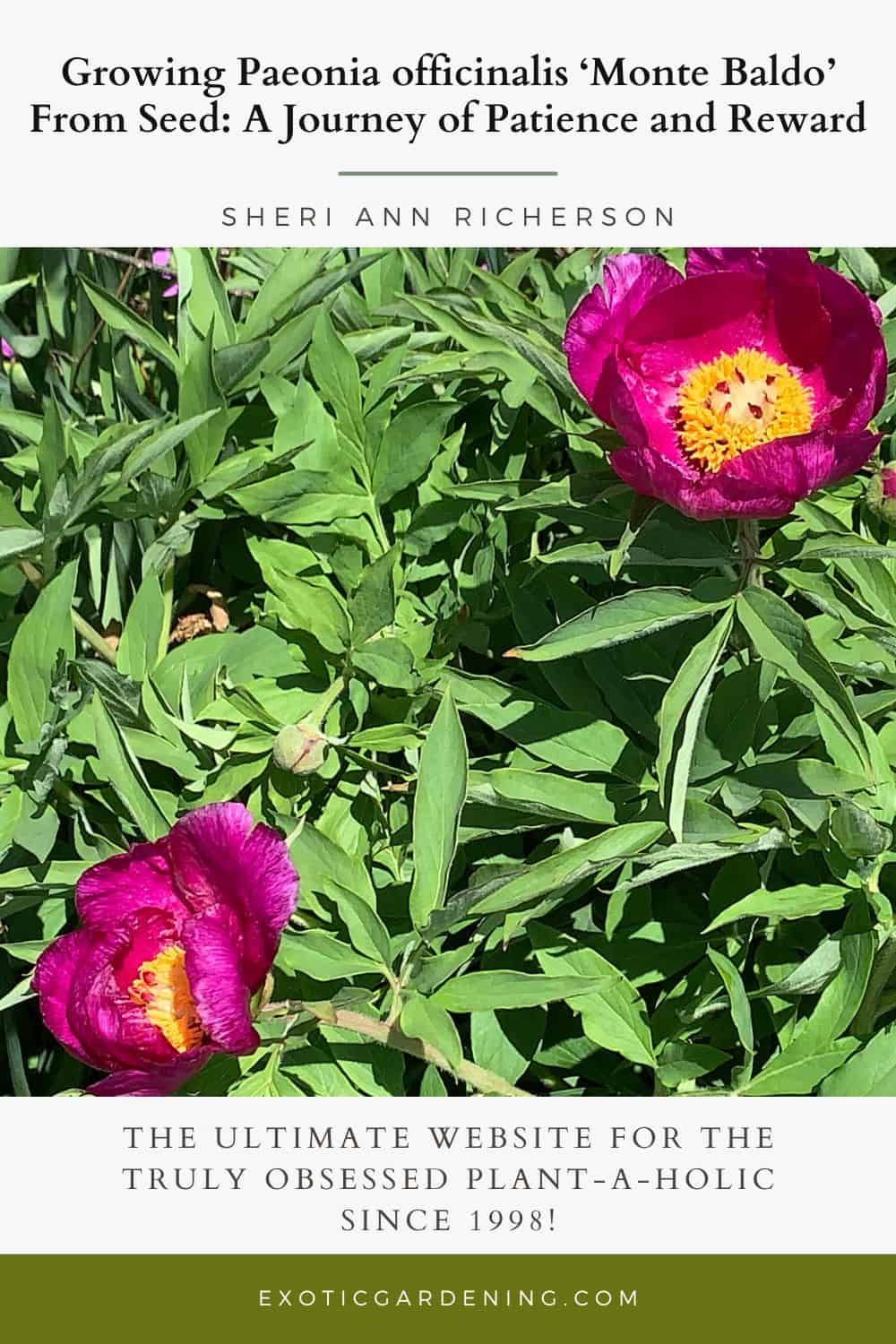
The next year, however, the blooms deepened dramatically, turning into the rich, plum-purple you see in my photos today.
The petals are silky, and they catch the light in such a mesmerizing way - that perfect blend of magenta and purple that seems to glow against the golden center.
The contrast between the bright yellow stamens and the velvety petals is what makes this variety so striking in person.
Even now, more than two decades later, it remains one of the most beautiful plants in my garden - and one of the most meaningful, simply because I nurtured it from seed.
True to Seed - Or Something New?
Now, whether my plant is completely true to seed is anyone’s guess.
Peonies don’t always come true, even when seeds are collected from known varieties.
There’s always a little bit of genetic mixing that can happen, especially if you have other peonies blooming nearby.
That said, I’ve always thought of this as my own Monte Baldo.
Whether or not it’s genetically identical to the parent, it’s a piece of my gardening story - something unique to my garden that doesn’t exist anywhere else quite the same way.
That’s the beauty of growing from seed.
You’re not just replicating what someone else has done - you’re participating in creation itself, watching nature’s little variations unfold into something entirely new.
Save Seeds with Confidence
Step-by-step help for harvesting, drying, labeling, and storing seeds—so next year’s garden starts for (almost) free.
- How to harvest at peak maturity
- Drying methods that protect viability
- Labeling & storage that lasts
Why I Love Growing Peonies From Seed
Peonies are one of those plants that reward patience.
They aren’t for gardeners who need instant gratification, but they are perfect for those who enjoy slow, steady progress and a touch of mystery.
Every time I see this plant bloom, I’m reminded that gardening is about faith - about believing in what you can’t yet see.
It’s about putting something in the soil and trusting that, eventually, it will reveal its beauty.
There’s a certain pride that comes from seeing a seed you started decades ago still thriving, still blooming, and still surprising you.
This particular peony has weathered harsh Indiana winters, heavy rains, and long summers - and yet every spring, it rises again, just as resilient as ever.
My Germination Method (Step-by-Step)
If you’re feeling inspired to try growing Paeonia officinalis or another peony from seed, here’s the method that worked for me:
-
Harvest ripe seeds. Collect seeds once the pods have dried and split open naturally. The seeds should be brown or black and firm, not soft or green. The ones I used to grow this particular peony were imported from Italy.
-
Prepare your planting mix. Combine ¾ high-quality potting soil with ¼ vermiculite. Peony seeds like good drainage but also need to retain some moisture.
-
Use small pots or peat pots. Peony seedlings hate being disturbed, so it’s best to plant them where they can stay until transplanting.
-
Press seeds into the surface. Don’t bury them deeply. Cover them lightly with vermiculite or fine soil.
-
Maintain consistent moisture. Keep the soil slightly damp - never soggy. You can cover the pots with plastic wrap or a humidity dome to retain moisture.
-
Give them a cold period. Peony seeds need both warm and cold stratification to germinate. I left mine outside in a sheltered area over winter, letting nature handle the temperature fluctuations.
-
Wait for roots to appear. Be patient - germination can take up to two years. My seeds began forming roots in October of the following year.
-
Transplant carefully. Once roots develop, move seedlings to slightly larger pots or directly into the ground if weather allows. Handle the delicate roots with care.
-
Expect foliage the following spring. Sometimes peonies will take a second year before pushing up leaves, so don’t give up if you don’t see immediate growth.
-
Be patient with blooms. Most peonies grown from seed take 5 to 10 years to bloom. The wait might feel long, but when that first flower opens, it’s absolutely worth it.
Building a Long-Term Seed Growing System
Growing Paeonia officinalis ‘Monte Baldo’ from seed isn’t just about germination - it’s about creating a system that supports slow, long-lived plants.
Seed starting is only the first stage.
After germination comes soil preparation, transplant timing, seasonal monitoring, and long-term care - especially in climates like Indiana where winters can be harsh and springs unpredictable.
For gardeners who want to grow more than just peonies from seed, I’ve created a full system that walks through indoor seed starting, soil preparation, transplant timing, and ongoing monitoring.
👉 See my Indiana-friendly indoor seed starting setup
👉 Explore my soil health approach for long-term garden success
Growing from seed is one of the most beautiful long-game investments you can make in your garden - and when you build a system around it, everything becomes more consistent, more resilient, and more rewarding.
Lessons Learned Along the Way
Looking back, I can honestly say this peony taught me more about gardening than almost any other plant.
It taught me to slow down, to trust the process, and to find joy in small progress.
There were times I wondered if I was wasting my time - especially during those first few years when all I had were leaves.
But each spring brought a little more growth, and that was enough to keep me going.
Even now, I still collect seeds from it occasionally.
I haven’t germinated any of them yet - life always seems to get busy - but I keep telling myself that one day, I will.
And when I do, I’ll be starting the next chapter in this plant’s story, continuing the lineage that began back in 2003.
Why Monte Baldo Deserves a Spot in Your Garden
Even if you don’t grow yours from seed, Paeonia officinalis ‘Monte Baldo’ is a fantastic variety to add to your collection.
It’s hardy, dependable, and has a classic old-world charm.
The foliage is lush, the blooms are vibrant, and it has that timeless peony fragrance that’s hard to resist.
It’s also a variety that stands up well to weather.
The flowers hold their color beautifully, even in bright sunlight, and the plant itself doesn’t flop easily if given a little support early in the season.
If you love bold, jewel-toned flowers that draw attention, this one’s for you.
It pairs beautifully with roses, purple alliums, dame's rocket, catmint, or early irises - all of which complement those plum-colored petals perfectly.
Frequently Asked Questions
Q. How long does it take for peony seeds to germinate?
A. Peony seeds can take several months to a full year to form roots, and sometimes another year before they send up foliage. It’s important not to discard your pots too early, as germination can be slow and uneven.
Q. Do peony seeds need stratification?
A. Yes. Peonies require both a warm and cold period to germinate properly. This mimics natural seasonal cycles — a warm summer followed by a cold winter. Outdoor sowing often works well because nature handles the temperature changes.
Q. When is the best time to plant peony seeds?
A. Late summer through early winter is ideal. This timing allows the seeds to experience warm soil followed by natural winter cold, which supports proper germination.
Q. Will peonies grown from seed look like the parent plant?
A. Not always. Peonies do not consistently come true to seed. Cross-pollination and genetic variation can result in blooms that differ slightly from the original plant.
Q. How long does it take for seed-grown peonies to bloom?
A. Most peonies grown from seed take between 5 and 10 years before producing their first flowers. While the wait is long, the reward is significant.
Q. Do young peony seedlings need fertilizer?
A. Not immediately. Young seedlings have delicate root systems and can be damaged by excessive fertilizer. Wait until plants are at least one year old before applying a mild, balanced fertilizer in early spring.
Q. Can I start peony seeds indoors?
A. Yes, but you must replicate natural temperature cycles. This usually involves providing a warm period followed by refrigeration for cold stratification. Many gardeners prefer outdoor sowing to simplify the process.
Q. What is the best location for peonies?
A. Peonies perform best in full sun with well-drained soil. They dislike wet feet and benefit from good air circulation.
Q. Why are my peony seeds not sprouting?
A. Peony seeds often require extended warm and cold cycles before germinating. If they haven’t sprouted, they may still be in dormancy. Consistent moisture and patience are essential.
Q. Can peony seeds take two years to germinate?
A. Yes. Some peony seeds require more than one seasonal cycle to fully germinate. Roots may form the first year, with foliage appearing the following spring.
Q. Should peony seeds be soaked before planting?
A. Soaking peony seeds in room-temperature water for 24 hours before planting can help soften the seed coat and encourage germination.
Q. Are peonies grown from seed stronger than bare root plants?
A. Seed-grown peonies often develop deep, resilient root systems over time. While they take longer to bloom, they can be exceptionally hardy once established.

A Bloom Worth Waiting For
When I look at my Paeonia officinalis ‘Monte Baldo’ today, I see more than just a flower.
I see years of tending, learning, and growing - both the plant and myself - and I see friendship and kindness because a complete stranger I met online shared seeds with me.
It’s a reminder that beauty doesn’t always happen quickly.
Some of the best things in the garden, and in life, take time.
That’s what makes them so precious when they finally bloom.
So, if you’ve ever thought about growing a peony from seed, I say go for it.
Start with patience, nurture with love, and let nature do the rest.
One day - maybe not this year, maybe not next - you’ll step outside and see that first bloom.
And in that moment, every bit of waiting will be worth it.
Some seeds teach you how to garden. Others teach you how to wait.
Growing Plants From Seed

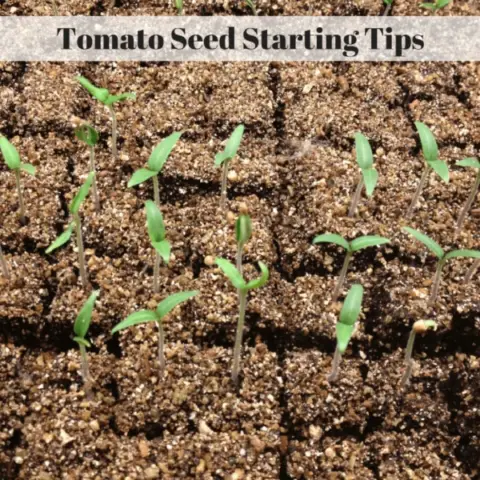
How To Successfully Start Seeds
Learn how to successfully start seeds indoors or out. Learn about light requirements, seed sowing depth, how to prevent damping off and more.
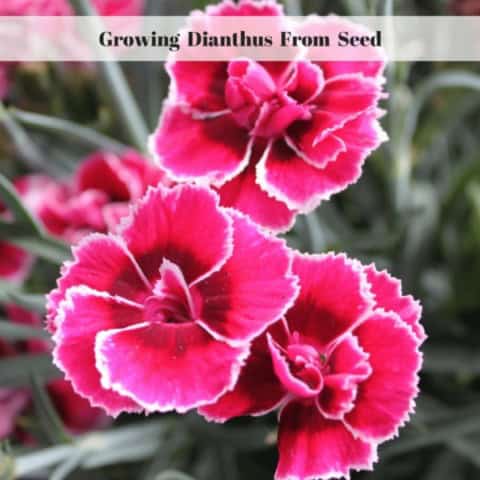
Growing Dianthus From Seed
Learn all about growing dianthus from seed and about some of the varieties available. Also learn how to save seeds from dianthus flowers.

Botanical Interests Continues Commitment To Being GMO-Free
I love Botanical Interests not only for their high quality seeds, but for their commitment to being GMO-free.


Seed Starting: Carrots
Unlock the Magic of Carrot Seed Starting: Expert Techniques for Success. Start Growing Vibrant Carrots Today!

Arisaema Seed Germination: Faster blooms from seed grown plants
Arisaema seed germination is easy as long as you have fresh seeds. You can even trick seed grown plants into blooming faster.






Leave a Reply